What is Ambuyat?
Ambuyat begins with processed starch from the trunk pith of the sago palm. Mixed with water into a sticky preparation, it takes the place of a plain staple around which a meal is arranged. It is not a sweet tapioca dessert, and the resemblance between the two starches does not make them the same ingredient.
Brunei Tourism presents ambuyat as the national dish. The same name also appears in Sabah’s food culture, where restaurant sets place it beside fish, vegetables and condiments. A shared staple can therefore introduce more than one regional table, while the Bruneian serving tradition remains distinctive.
Flavour and texture
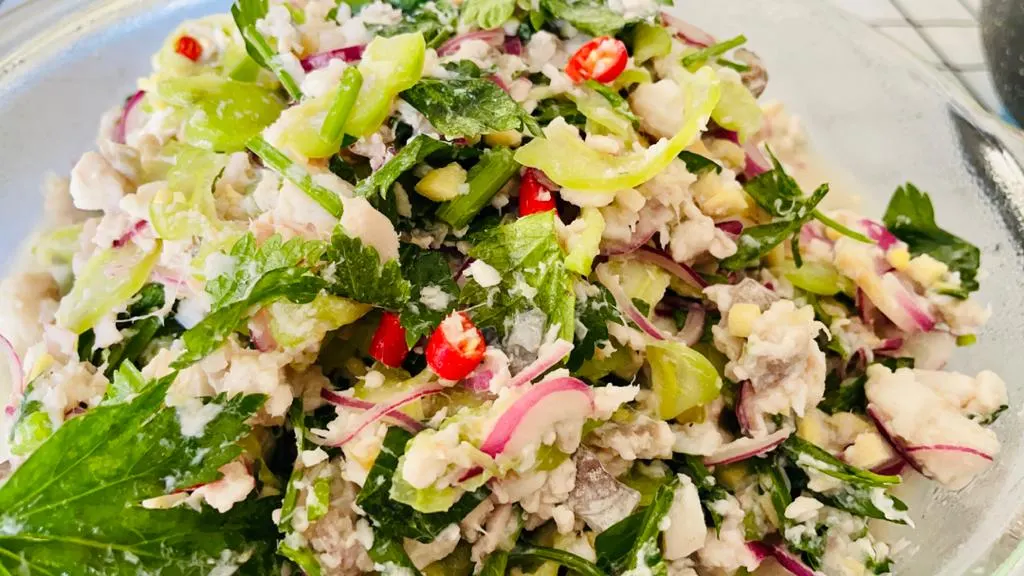
Its flavour is deliberately mild. Texture does much of the work: the starch is cohesive, glossy and sticky rather than made of separate grains. Cacah supplies the contrast. Brunei’s official description emphasises a sour and spicy dip, but the precise mixture belongs to the cook.
Taste the sago and sauce together rather than judging a plain spoonful as a finished dish. A little dip may make one mouthful sharply tangy, while fish or a vegetable accompaniment changes the next. That back-and-forth is a helpful way to understand why a very simple staple can sit at the centre of a varied meal.
Traditional preparation
The ingredient is extracted and processed sago starch, not pieces of raw palm trunk. Its transformation with water produces the continuous sticky texture needed for the serving technique. The palm-to-starch step belongs to agricultural and food-processing knowledge; a restaurant plate is the end of that much longer chain.
For the diner, that processing work arrives as a very simple-looking staple. Watching the candas turn through it makes the texture’s purpose immediately clear.
Sources & references · 1
Brunei Tourism / Tourism Development Department · Local DelicaciesAt the table
Candas is a joined, two-pronged bamboo utensil. Turning its tips through ambuyat gathers a portion that can then be dipped into cacah. For a first meal, asking a host to demonstrate the motion is more useful than trying to treat the utensil as two separate chopsticks.
The meal is completed by the accompaniments. Sabah Tourism’s examples include fish, soup, sambal and salted egg; another diner’s ambuyat set may be arranged differently. Check the dip and side dishes separately if you avoid fish, shellfish or eggs. A plant-based starch does not make the entire set vegetarian.
Where on Borneo?
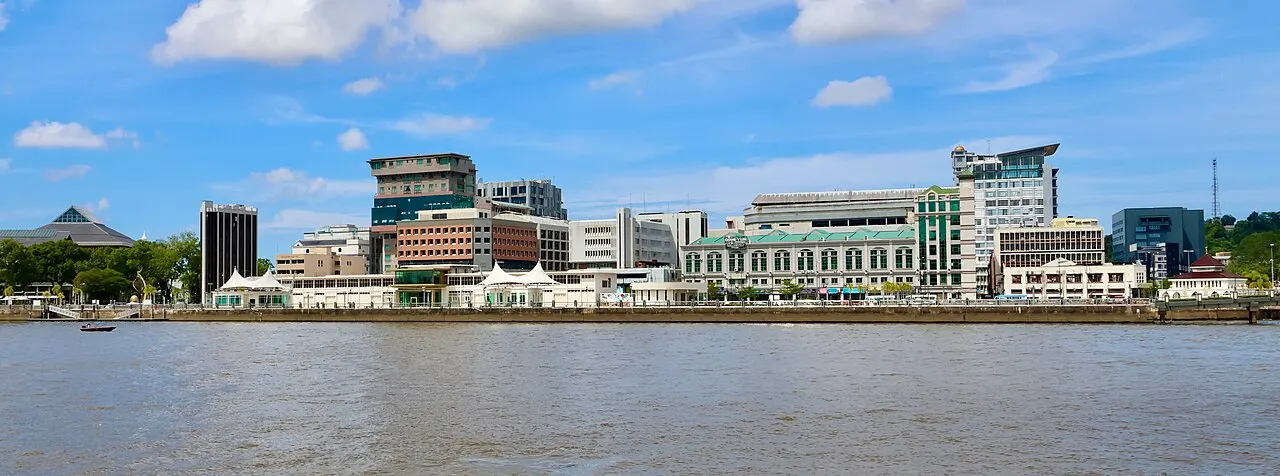
Brunei offers both restaurant meals and hosted cultural experiences centred on ambuyat. The official cultural-heritage account describes a hosted experience at Teratak Setiawan in Kampong Ayer. The value of such a visit is the explanation of the technique and table, not just the opportunity to photograph the dish.
In Sabah, ambuyat appears alongside dishes such as Pinasakan, Tuhau condiment and Hinava. Comparing those accompaniments helps place sago within the wider Borneo food landscape. Confirm current menus and arrangements with the host; historical tourism examples are not a promise of today’s opening hours.