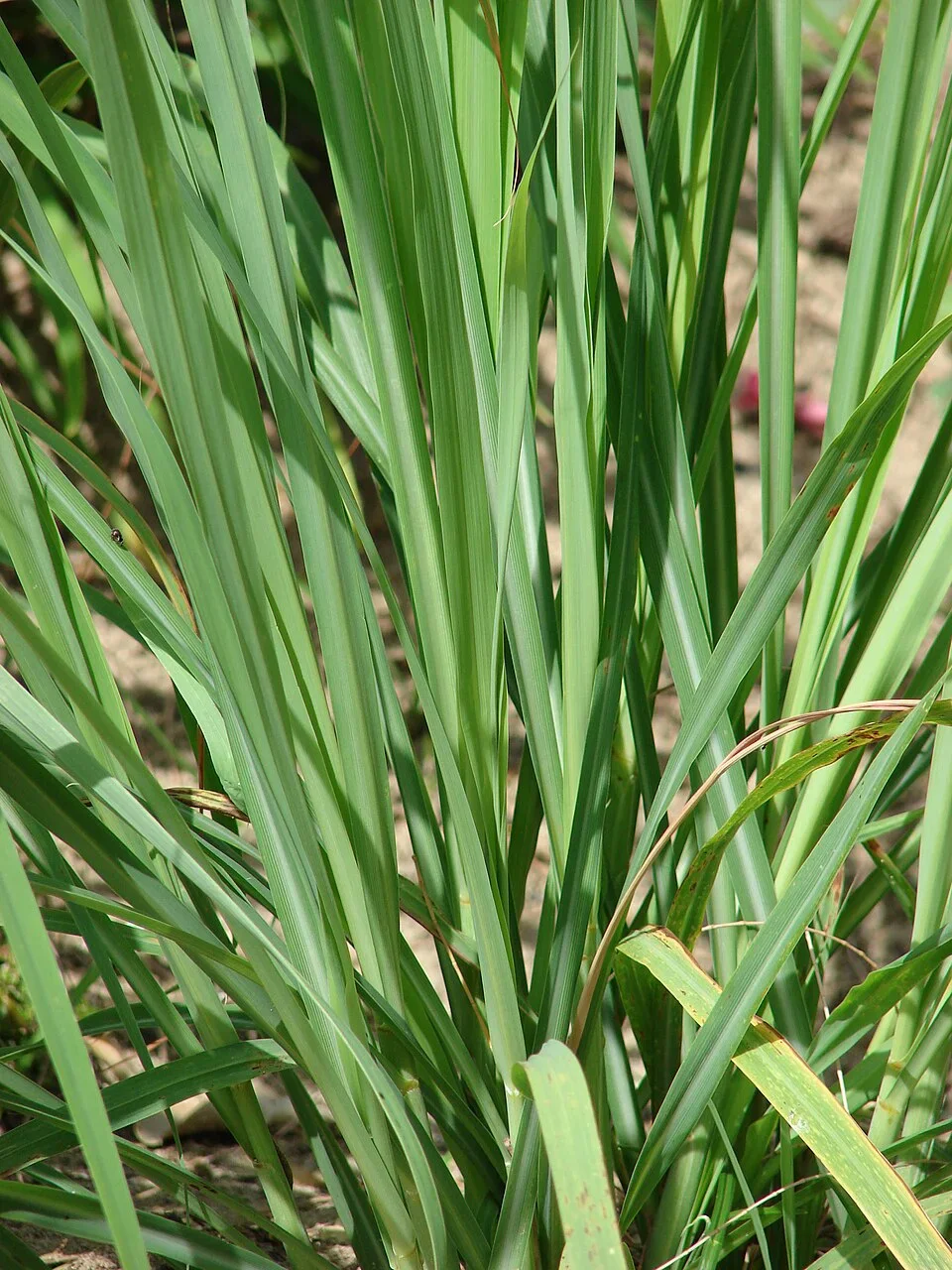
Edible parts, flavour & texture
The aromatic lower leaf sheaths form the familiar stalk used in cooking. Leaves also contain fragrance, but the fibrous texture explains why preparations differ. Botanical identity matters: a scent alone is not a safe way to identify an unknown grass for eating.
Sources & references · 1
NParks · Cymbopogon citratusHow the plant grows
Cymbopogon citratus forms a dense clump of long, narrow leaves with overlapping sheaths at their bases. Those pale lower sheaths make the stalk used in cooking. Dividing an established clump is a common way to propagate it. It is a cultivated culinary grass rather than a tree or a wild ginger, and is distinct from citronella grasses grown primarily for aromatic oils.
Sources & references · 1
NParks · Cymbopogon citratusIn Borneo’s kitchens
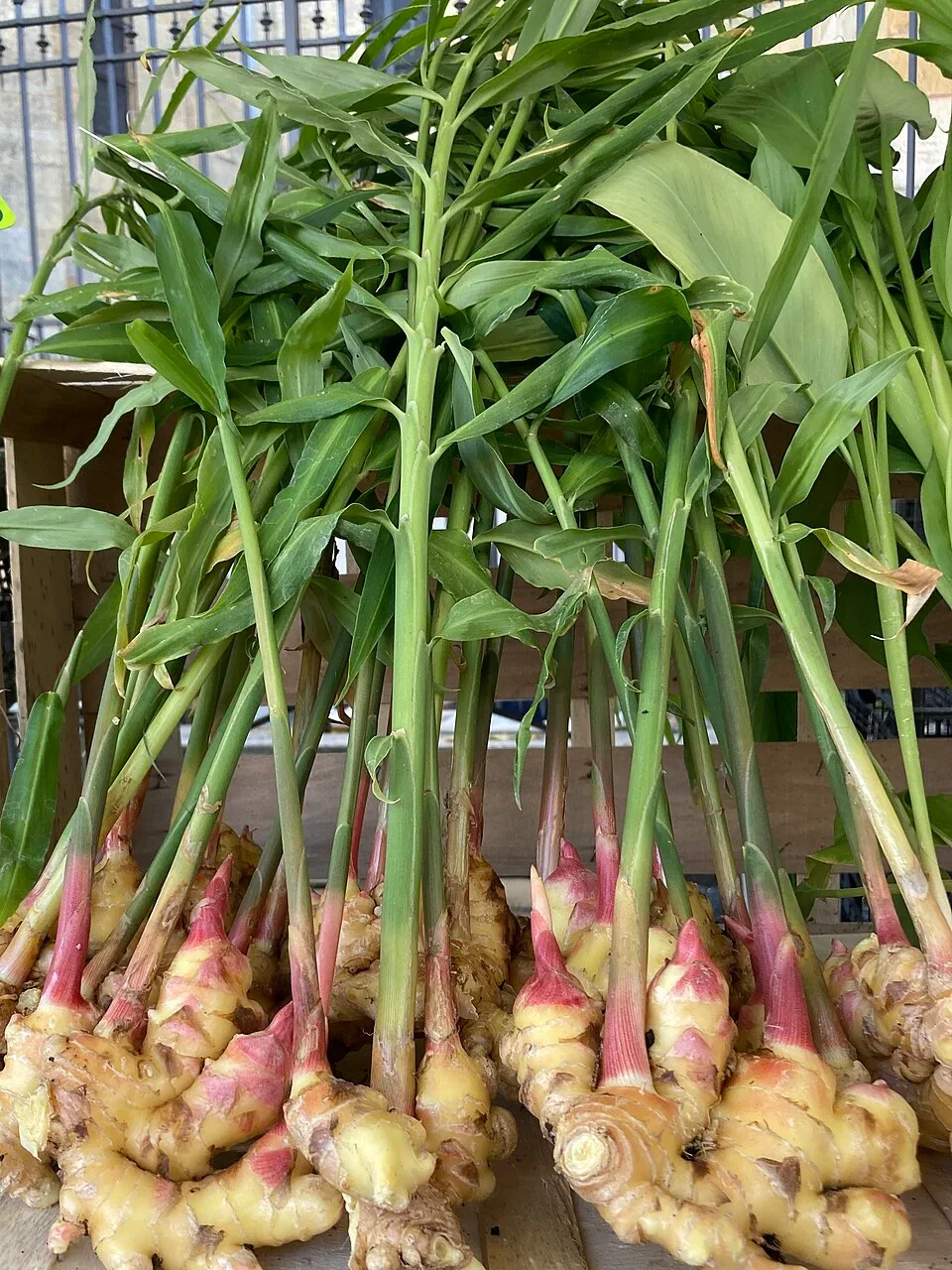
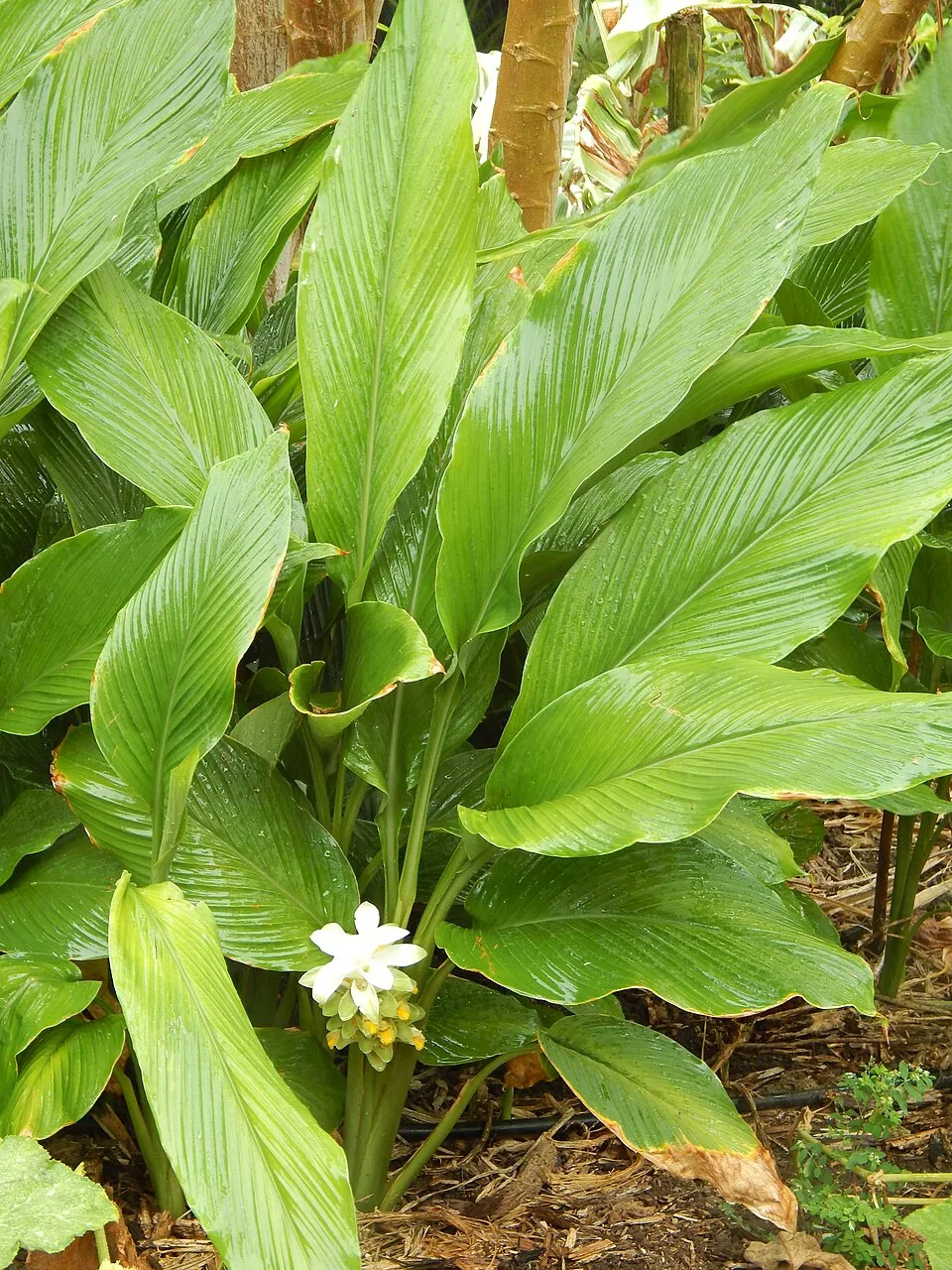
Bruising or cutting releases a citrus-like aroma. The lower stalk can perfume ayam pansuh, while fibrous pieces may be removed instead of eaten as a vegetable. Leaves are aromatic too, but the soft base and tougher blade have different textures. In a meal, lemongrass works alongside other seasonings rather than replacing ginger or turmeric.
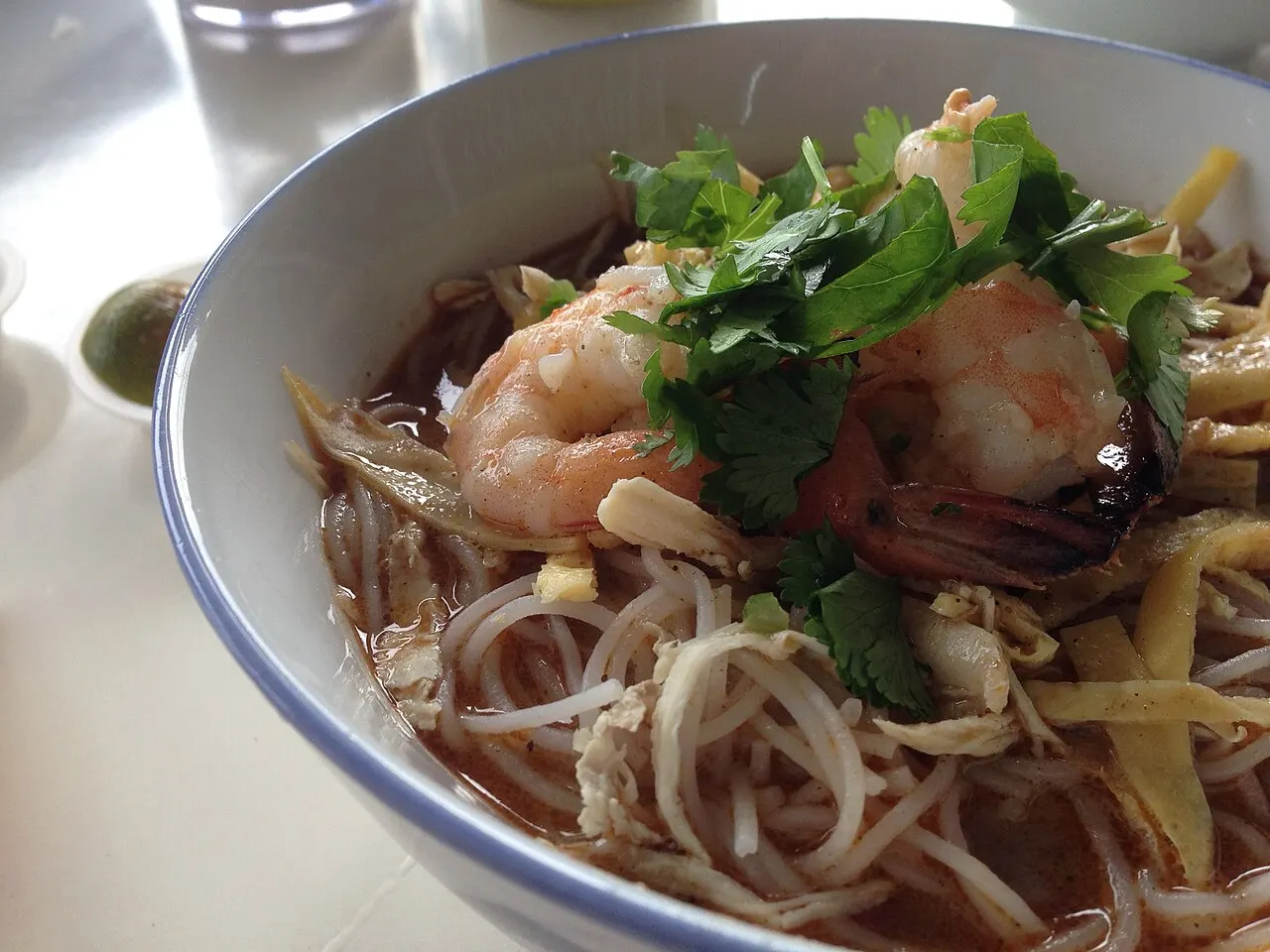
Lemongrass flavours the spice paste of Sarawak laksa.
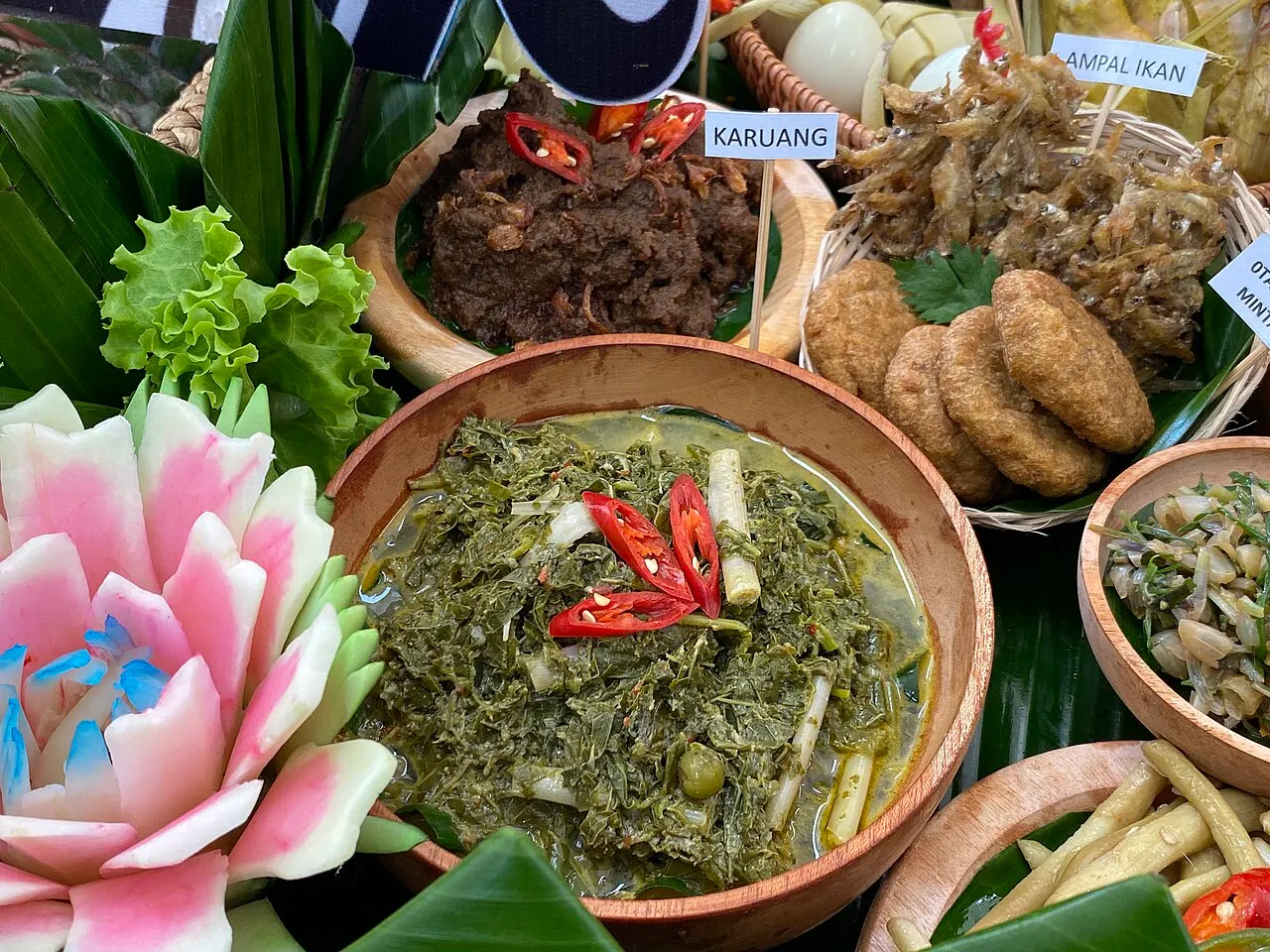
Lemongrass contributes fragrance to kalumpe alongside other seasonings.