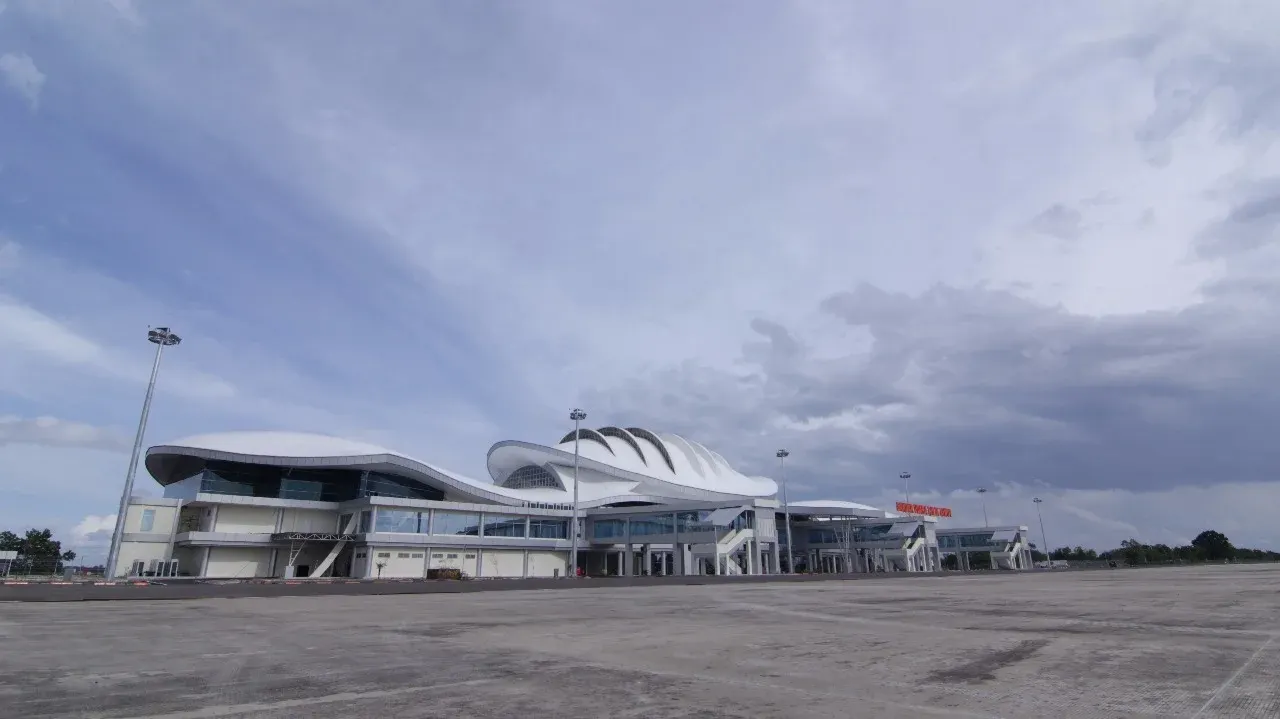
Where the visit takes place
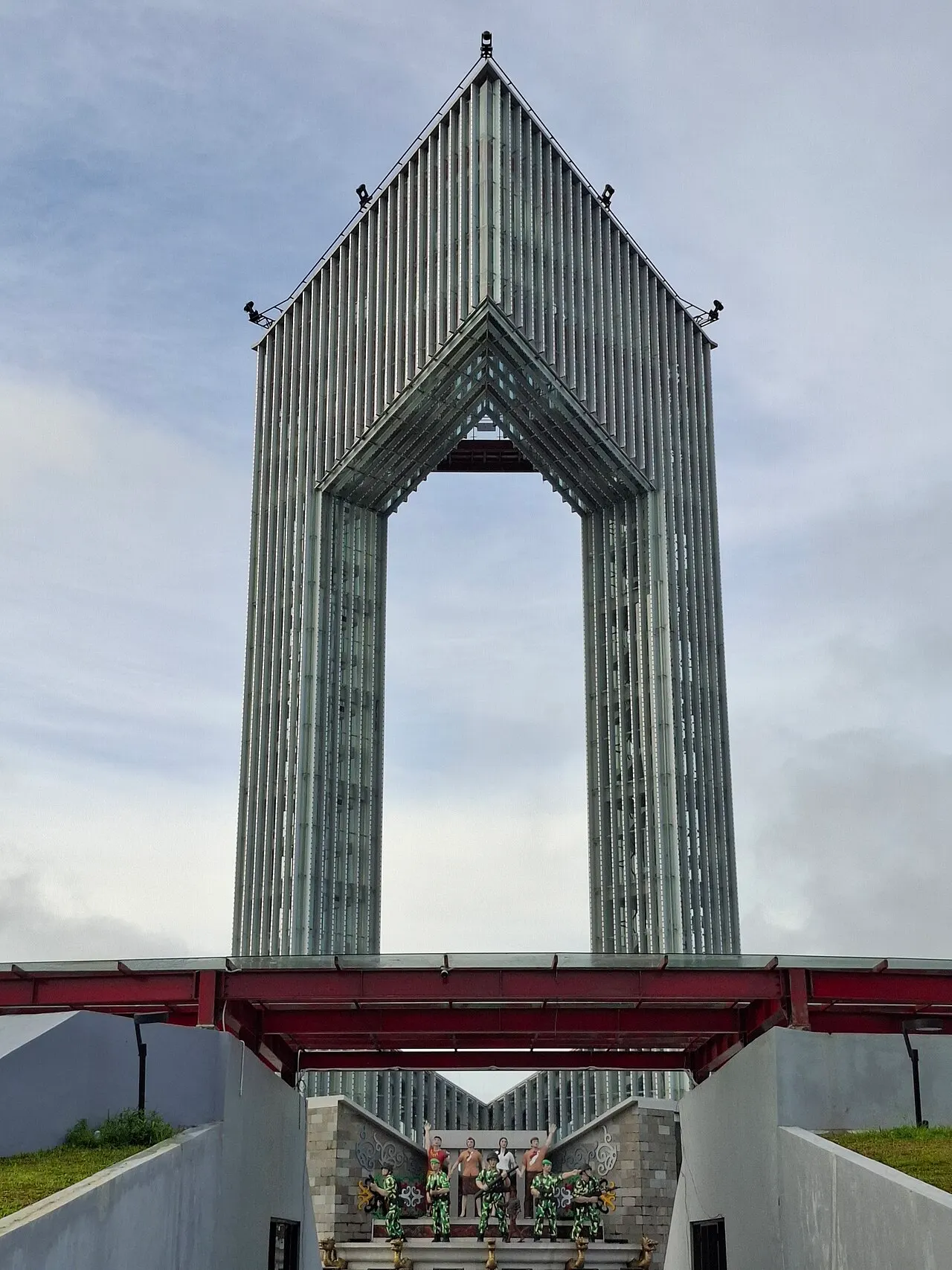
Museum Balanga is on Jalan Tjilik Riwut in Palangka Raya, Central Kalimantan, Indonesia. This activity focuses on visiting that museum and interpreting its collections. The museum's own attraction page provides the place context; this guide helps you fit the visit into a travel day and decide what to look for.
Palangka Raya is the practical accommodation base. The museum is a city destination reached by road, rather than a river expedition or a visit to a remote longhouse. Allow time for transport from your particular hotel and agree a return pickup if you are not using an on-demand service. Tjilik Riwut Airport provides the city's air gateway, followed by a road transfer into town.
What to look at and how to approach it
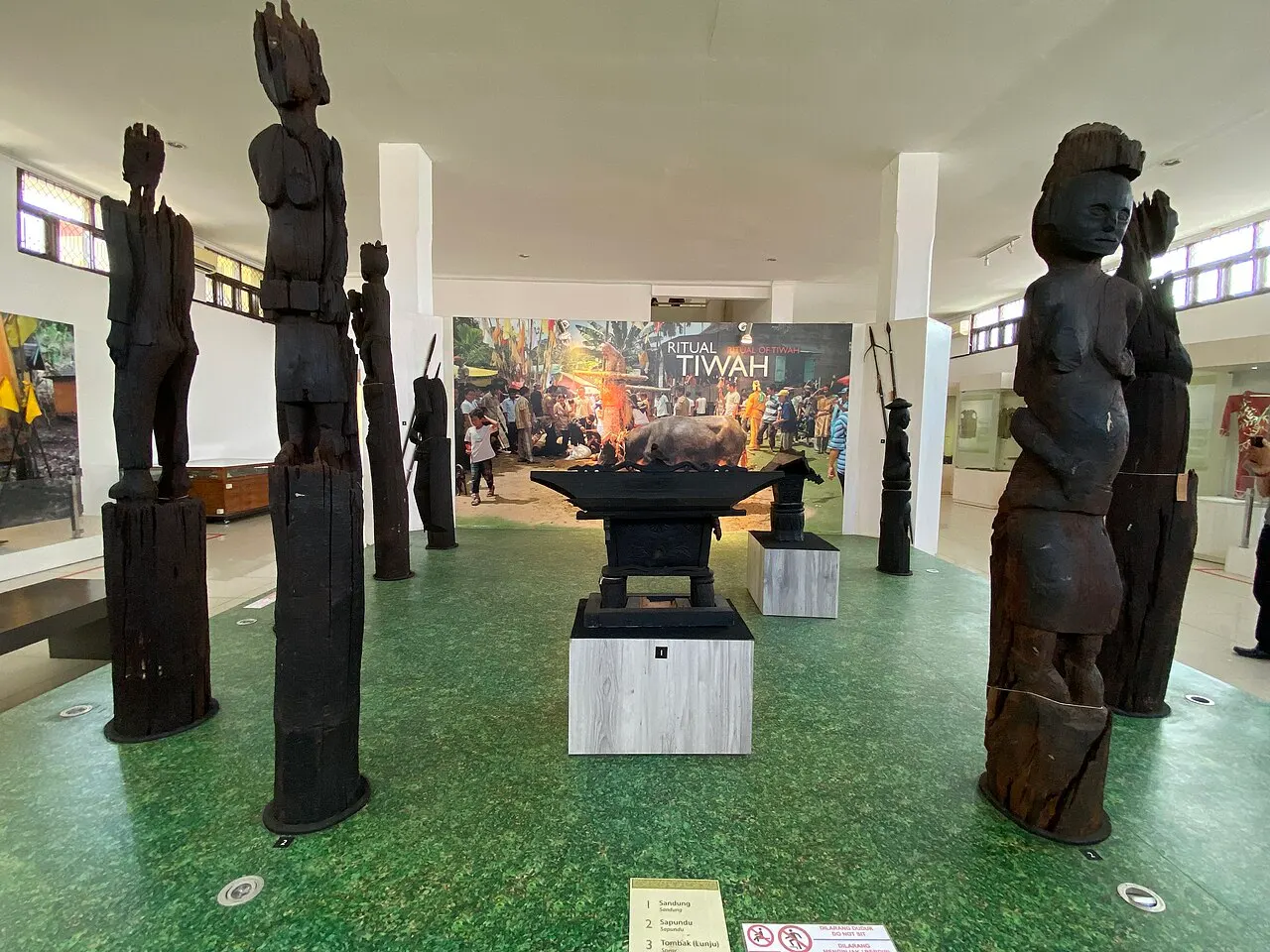
The provincial museum describes collections spanning ethnography, history, archaeology, ceramics and other fields. A useful visit begins with the introductory displays, then follows objects that connect to an interest of your own: household life, craft, ceremonial use or regional history. Look for labels identifying origin and use, rather than relying only on an object's appearance.
Where staff interpretation is available, ask how a display relates to a particular community and whether the object was used in ordinary life or a special setting. That conversation can make the collection more memorable than moving rapidly from case to case. Displays and access to particular rooms may change, so let the open galleries shape your route on the day.
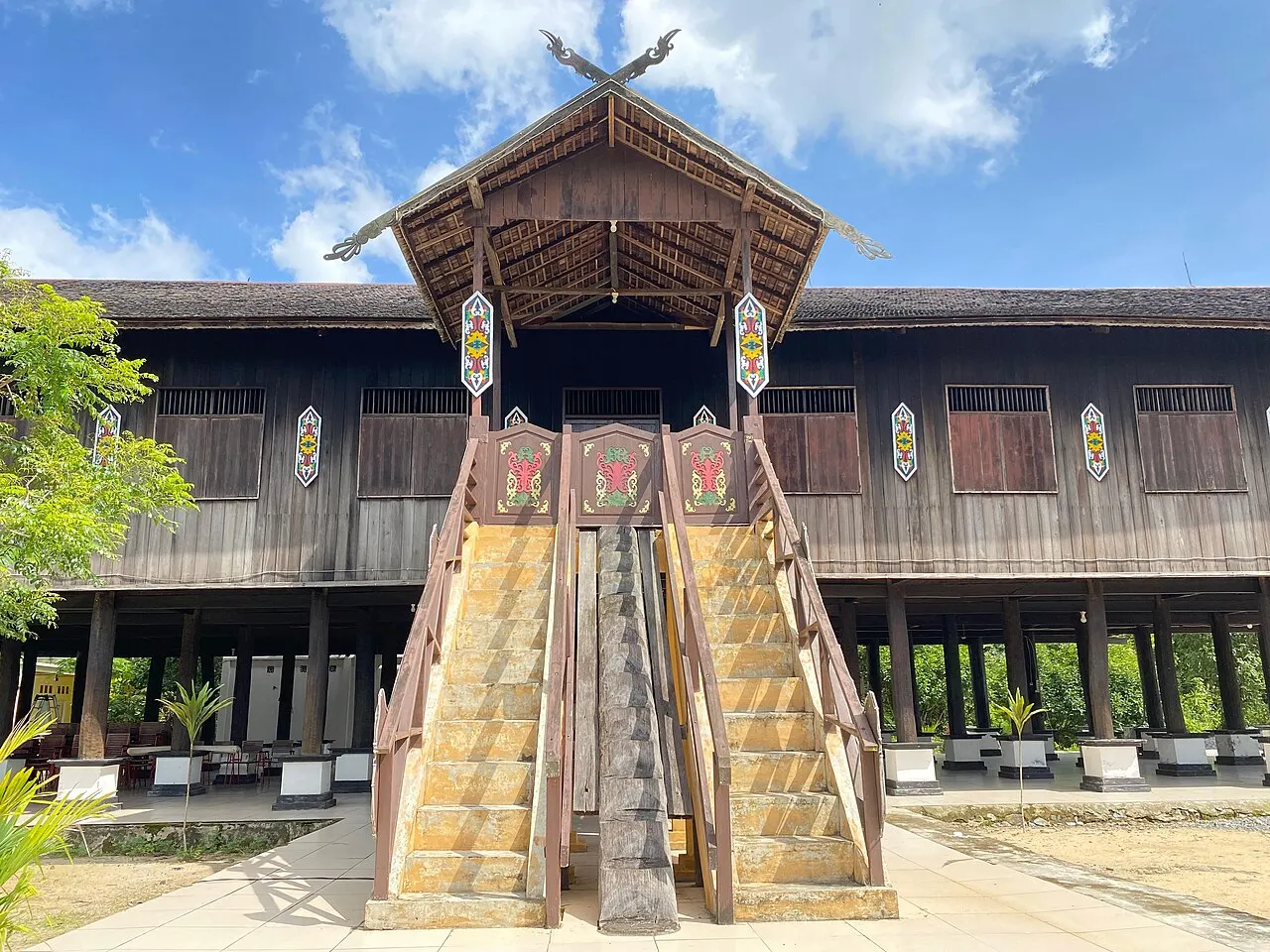
Reading about Ngaju communities and huma betang traditions beforehand gives helpful context. Such traditions have living social meanings beyond museum objects. A display associated with Tiwah can support learning about that tradition, but the museum visit itself is not attendance at a ceremony. Keep that distinction when planning later cultural travel.
Time and a practical visit plan
One to two hours is a useful planning allowance for a first visit, with longer if you read closely or arrange interpretation. Set aside a half-day if you want to include transport, a meal and time for questions. This is an editorial time suggestion rather than a fixed guided programme.
Check current opening arrangements before building the day around the museum, especially around public holidays or special events. Ask whether interpretation can be arranged in a language your group understands and whether advance notice is needed. A normal museum visit concerns its entrance arrangements; there is no reason to describe it as a wilderness permit or to require a community tour booking just to see the galleries.
Staying in the city and choosing companions
An existing city base such as Swiss-Belhotel Danum, Best Western Batang Garing or Bukit Raya Guesthouse allows the museum visit to sit between longer outings. The museum does not require an overnight stay in its own right. A night in Palangka Raya is useful when arriving by air or continuing to a full-day forest visit the following morning.
The activity suits visitors who want a slower, interpretive stop. Families can choose a small number of objects and discuss their materials and uses instead of expecting children to read every case. Ask the museum directly about current step-free access or seating needs; a city location alone does not establish that every gallery is accessible. Follow the photography instructions displayed inside and avoid flash where restricted.
Combine city interpretation with the landscape
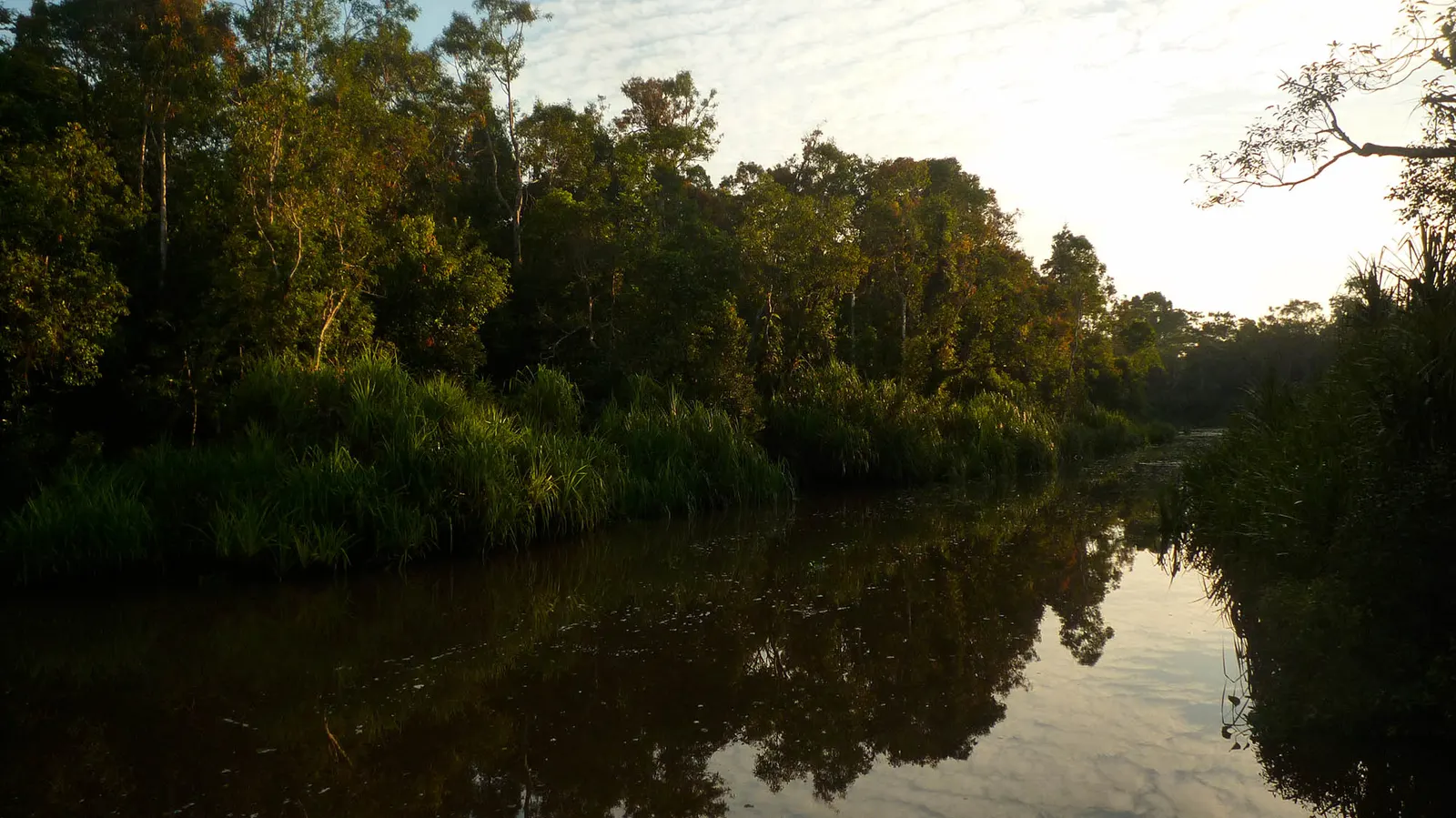
Kereng Bangkirai and Sebangau offer a contrasting perspective on the province's river and peat-forest environment. They work better as separately planned outings than as a rushed addition after a long museum visit. A city meal can be the simpler same-day combination, while the forest wildlife guide helps you choose the next day's nature experience. Cultural interpretation and landscape travel complement each other when each has time to be understood.