Peat-swamp forest within an urban landscape
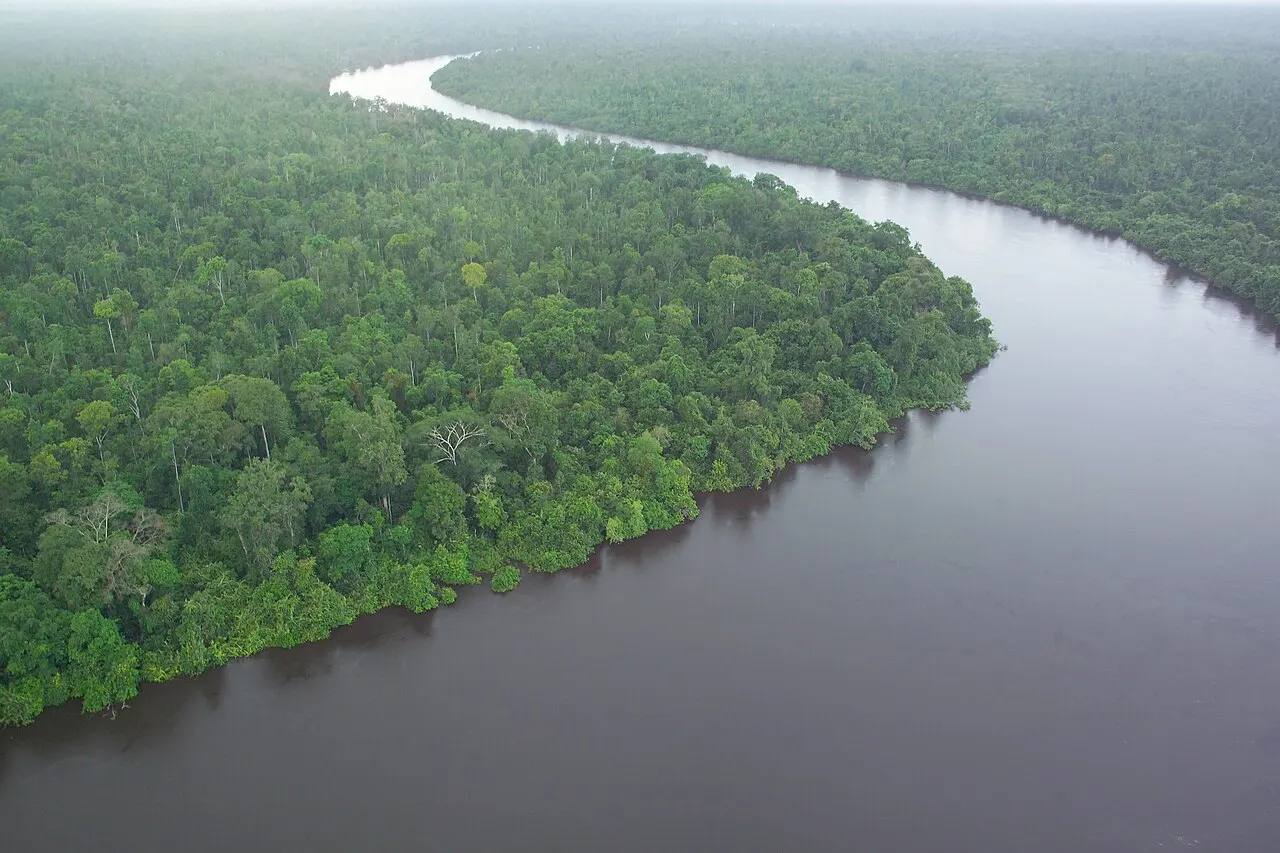
Bukit Lima provides a distinct nature visit from Sibu without requiring a remote river expedition. Its importance comes from conserving peat-swamp forest in a setting surrounded by urban development. Waterlogged ground, trees and the forest floor belong to a connected habitat that differs from a conventional landscaped city park. The reserve is managed by Sarawak Forestry Corporation. A recent extension and investment in visitor facilities underline continuing conservation interest, but the quality of a visit does not depend on repeating a record-size claim or a single changing area figure.
Use the boardwalk to notice the habitat
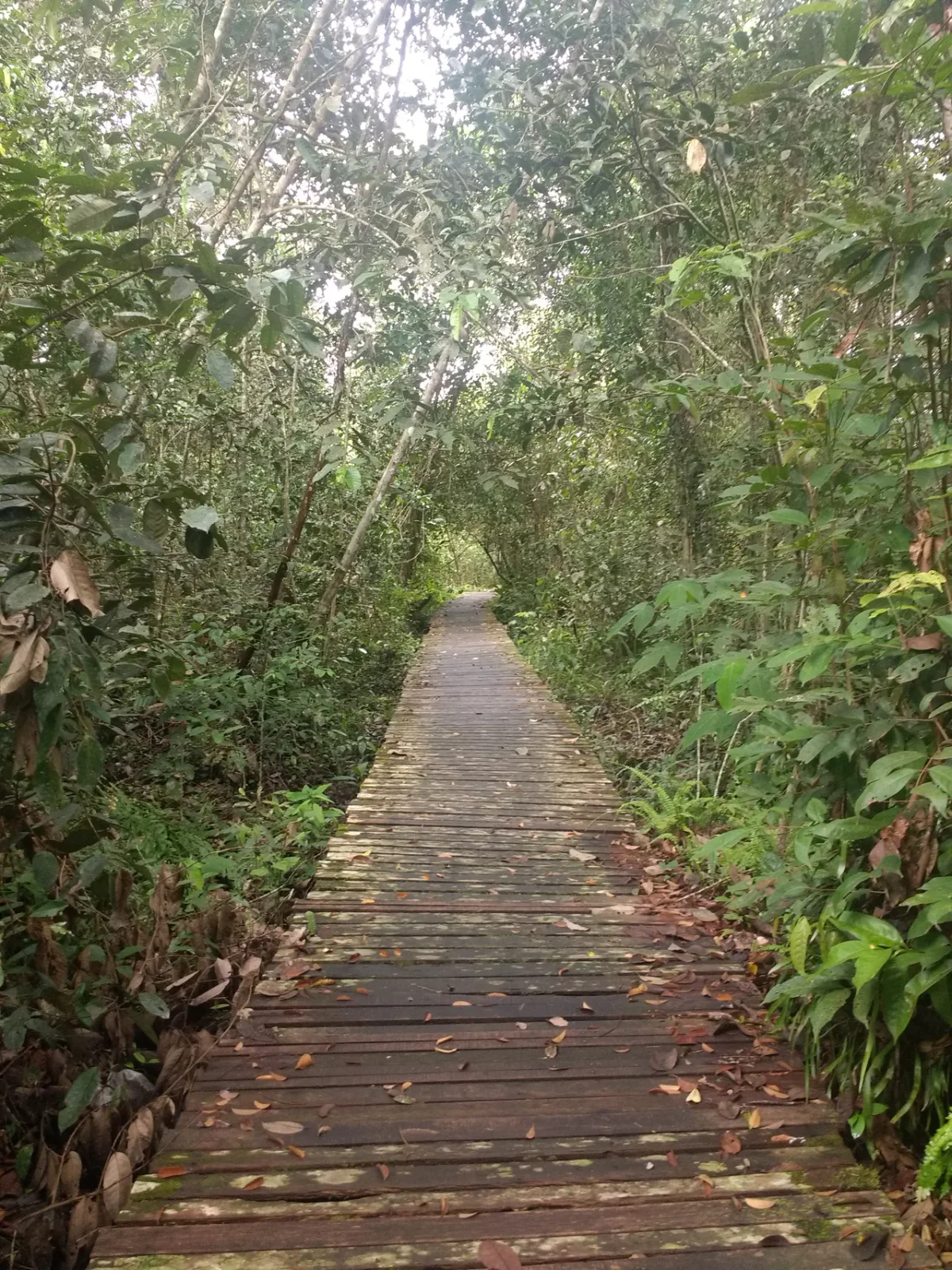
The manager describes a wooden boardwalk network that allows people to move through the wet forest while limiting disturbance to the ground. Pick an available section that matches your time and comfort, rather than treating the whole published network length as a compulsory walk. Stop to notice roots, leaves, changes in light and the relationship between the walkway and water below. Keep to the constructed route even when a shortcut looks dry. The boardwalk is a means of seeing the habitat without trampling it, not an invitation to explore every patch of forest independently.
Start with current entrance information
Sarawak Forestry Corporation identifies a newer One Stop Centre at the northern entrance, with a gathering area and visitor amenities. Use the manager’s current instructions to decide where to arrive and which boardwalk sections are open. Do not assume that every entrance marked on an older map has identical staffing or facilities. A taxi or private vehicle from Sibu is a practical approach; agree the return pickup because the forest walk is separate from the journey back into town. A location label alone does not establish the safest pedestrian route along surrounding roads.
Forest wildlife remains unpredictable
The reserve supports birds and mammals despite its urban surroundings, but a species list is not a viewing schedule. The most accessible experience may be listening for birds and observing small details along the boardwalk. Bring binoculars if you enjoy patient watching, keep noise low and never feed an animal to bring it closer. Do not follow wildlife into the forest or publish a resting or nesting location. A quiet visit can be rewarding even without a large-animal sighting, because the ecological value lies in the habitat as much as in individual encounters.
Match the walk to weather and mobility
Allow roughly one or two hours for a chosen section as an editorial planning estimate, with the flexibility to turn back earlier. Rain can make wood slippery, and an accessible city location does not guarantee that every boardwalk section is suitable for a wheelchair or stroller. Ask about surface condition, maintenance, steps and resting places before choosing the route. Carry water and rain protection, wear suitable footwear and follow local closure signs. Staying close to town should not lead to ignoring the ordinary demands of walking in a humid forest.
Combine urban life and conservation thoughtfully
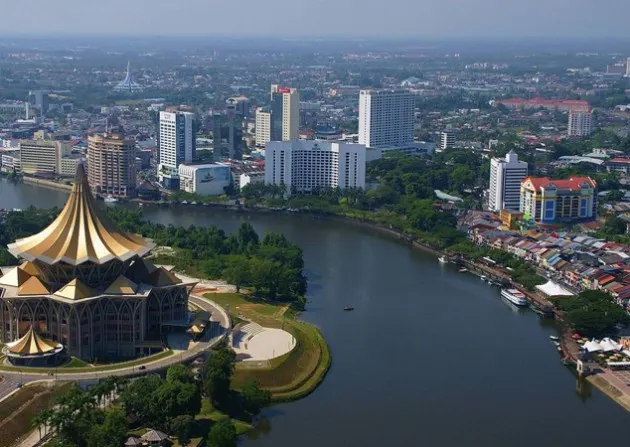
Bukit Lima can fit into a Sibu stay alongside the riverfront and central market, showing how town life and protected forest occupy the same wider landscape. There is no need to invent an overnight wilderness package for this reserve. Use your city accommodation as a base and choose a visit with enough time for the return journey and a change of clothes if needed. The visitor-ready classification refers to the managed public routes and facilities; it does not imply access across the whole reserve or to monitoring areas beyond the boardwalk.