Identification
This tree-dwelling, daytime-active ape feeds mainly on fruit.
Sources & references · 2
www.esabii.biodic.go.jp · Bornean white-bearded gibbon: natural historyonlinelibrary.wiley.com · Bornean white-bearded gibbon: natural historyDaily life
Young leaves and insects also supplement its diet. Its songs are used in long-term ecological and conservation research in Sebangau. Peat-swamp drainage, fire and forest loss threaten its habitat.
Sources & references · 2
www.esabii.biodic.go.jp · Bornean white-bearded gibbon: natural historyonlinelibrary.wiley.com · Bornean white-bearded gibbon: natural historyRange on Borneo
Published research has documented this species at Sebangau NLPSF. These observations provide a historical picture of its Bornean forest range.
Sources & references · 1
Mires and Peat · Husson et al. (2018), Biodiversity of the Sebangau tropical peat swamp forest, Indonesian BorneoForest and habitat
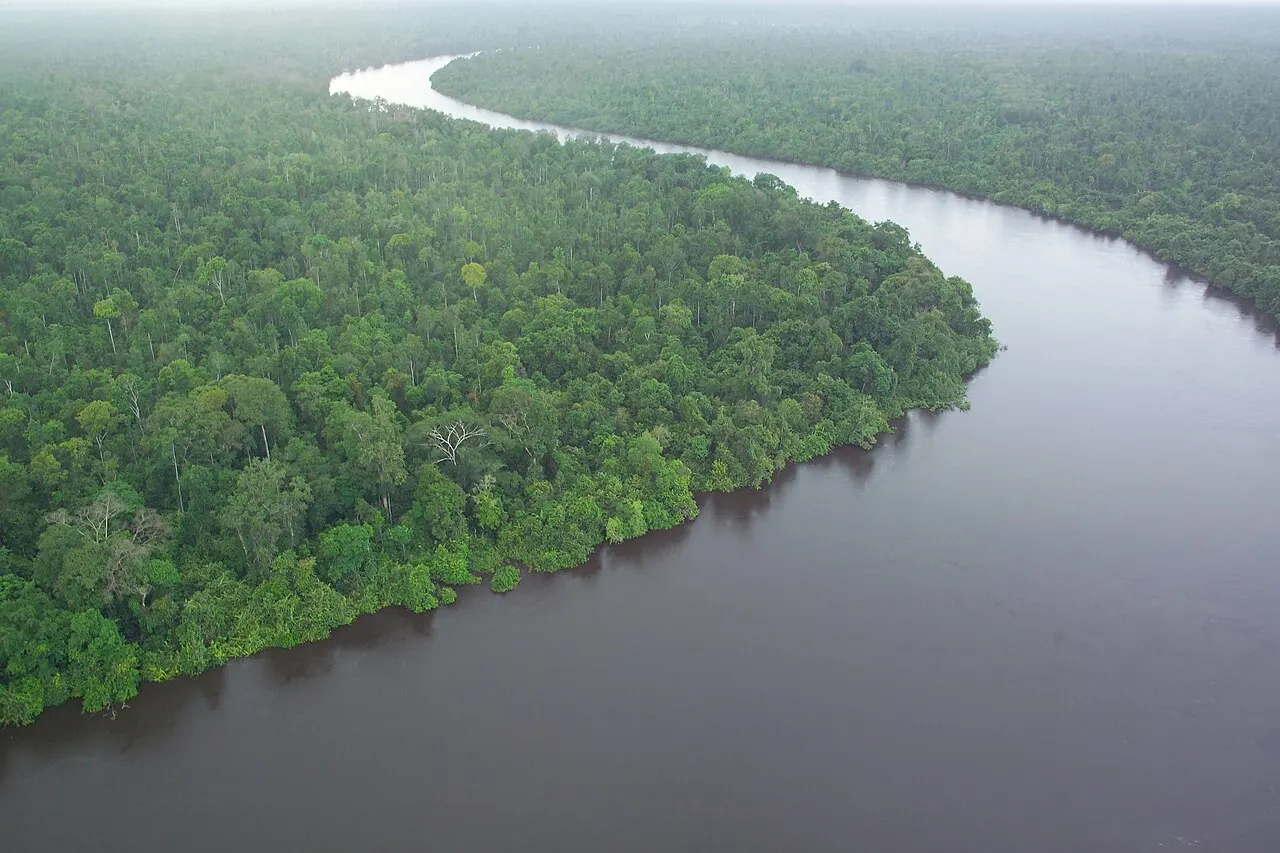
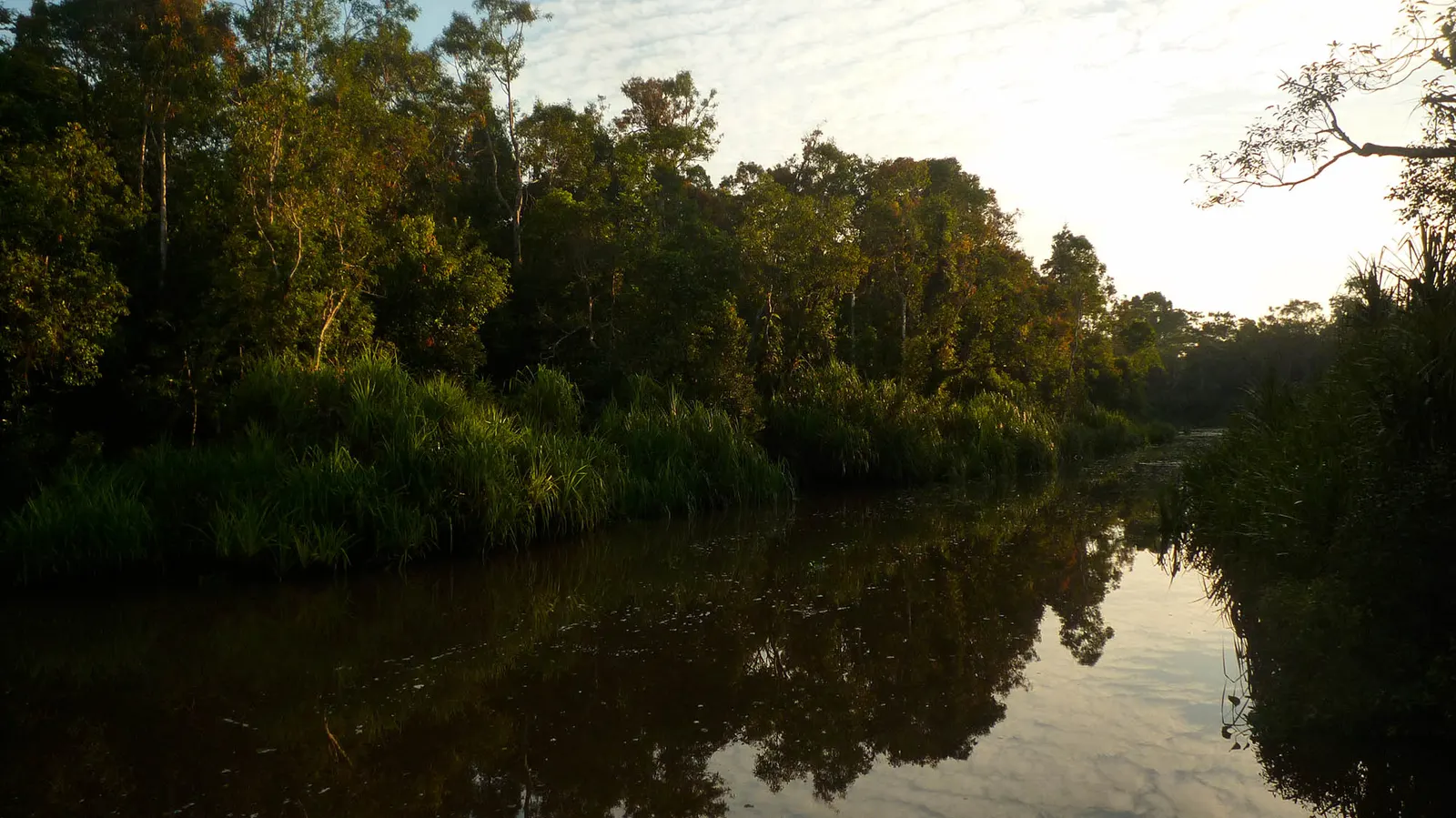
The peat-swamp forests of Sebangau are part of this animal’s documented habitat in Central Kalimantan.
Sources & references · 1
Mires and Peat · Husson et al. (2018), Biodiversity of the Sebangau tropical peat swamp forest, Indonesian BorneoFood and social life
Fruit is central to the white-bearded gibbon's diet, but the forest's crop changes through the year. A five-year study at Gunung Palung found substantial use of fruit, including figs, while sympatric red langurs relied more heavily on seeds and leaves. Figs were selected by both primates. The gibbon's long arms allow rapid movement between branches, making continuous canopy important for travel as well as feeding. Its songs carry through the forest and help researchers locate groups that are difficult to see among the crowns.