Recognition
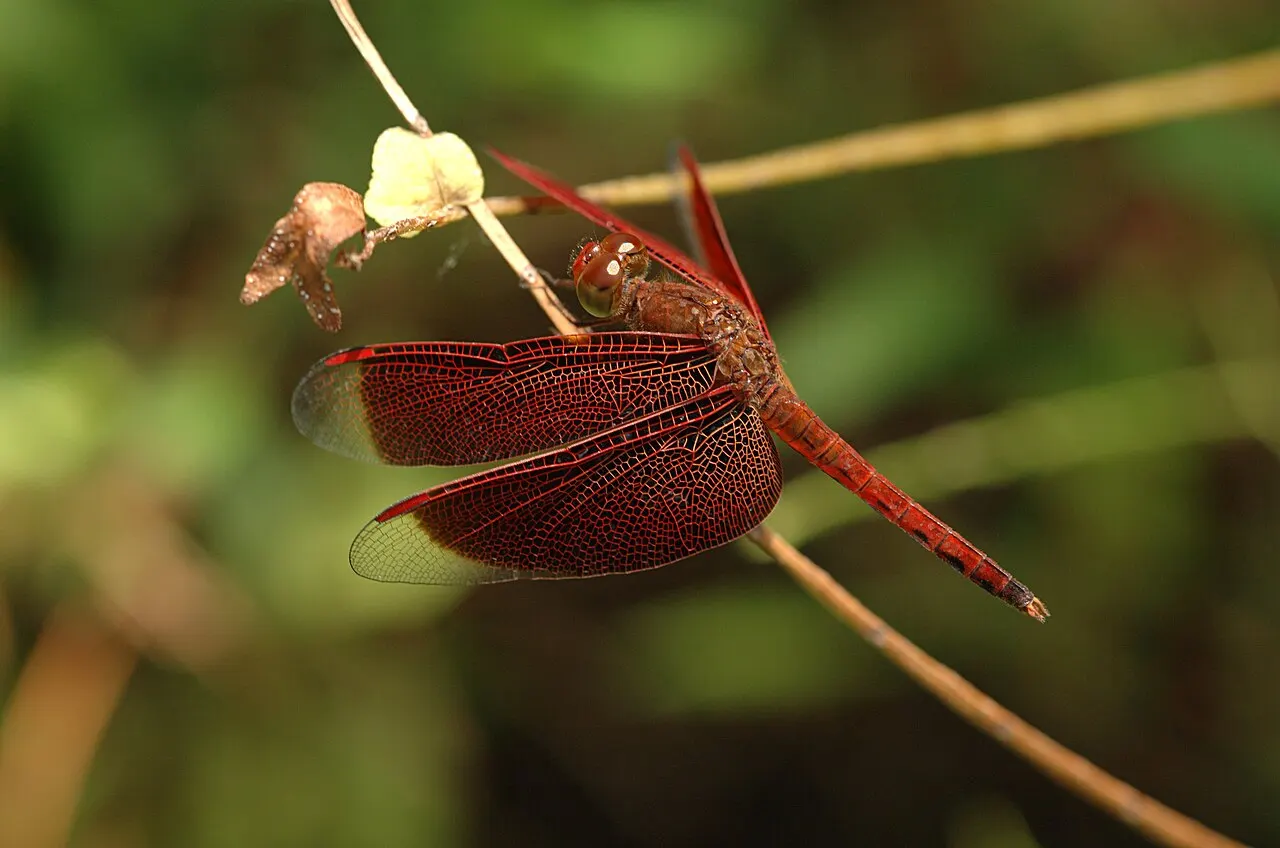
Mature males have a brownish-red thorax and abdomen. Colour fills most of each wing, leaving the tip and a narrow tapering strip clear. Females are often duller, and immature males can resemble them. Taxonomic research documents variation in female wing colour, so sex and maturity matter when comparing photographs. A pale individual need not be a different species from a red male nearby.
Sources & references · 2
Species account or primary research · NParks: Neurothemis fluctuansSpecies account or primary research · Seehausen and Dow (2016): Neurothemis taxonomy and wing variationHabitat and Borneo range
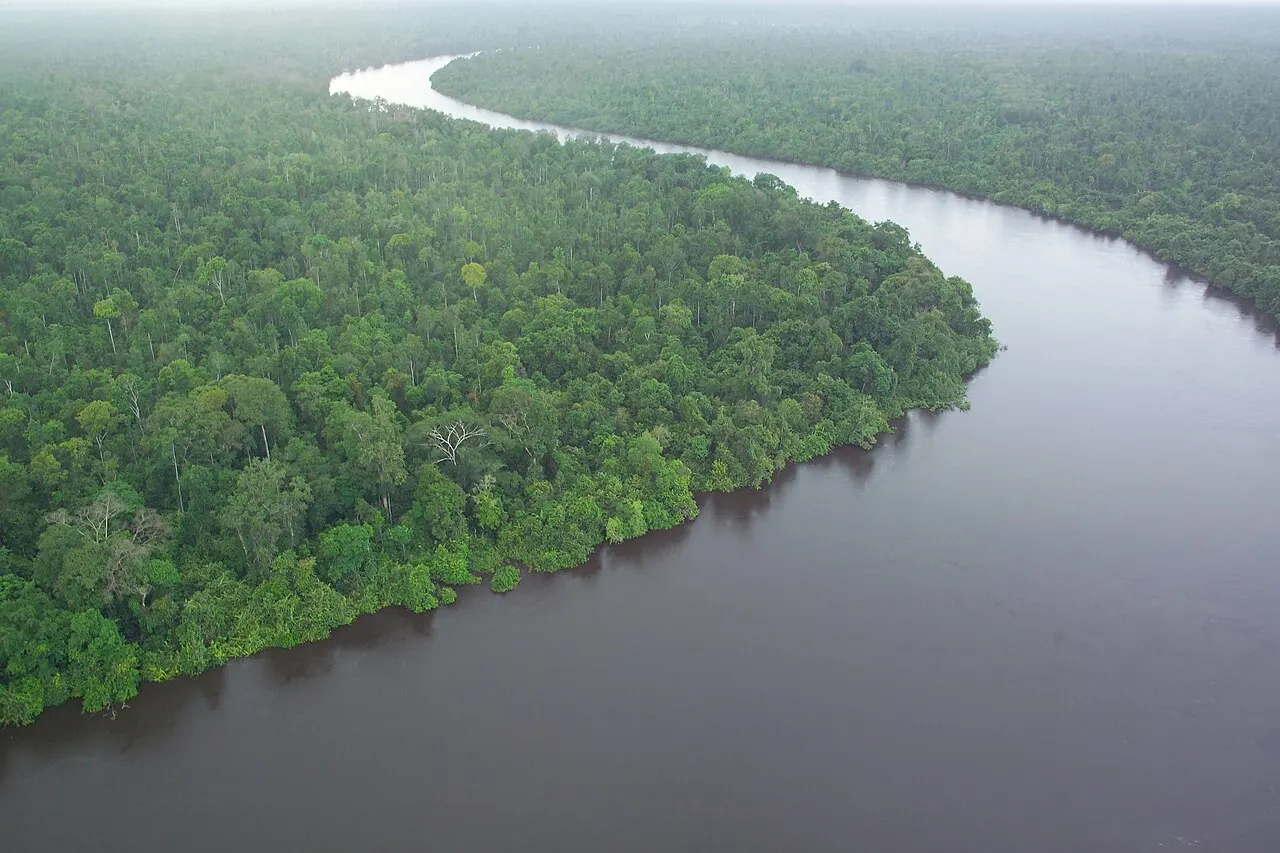
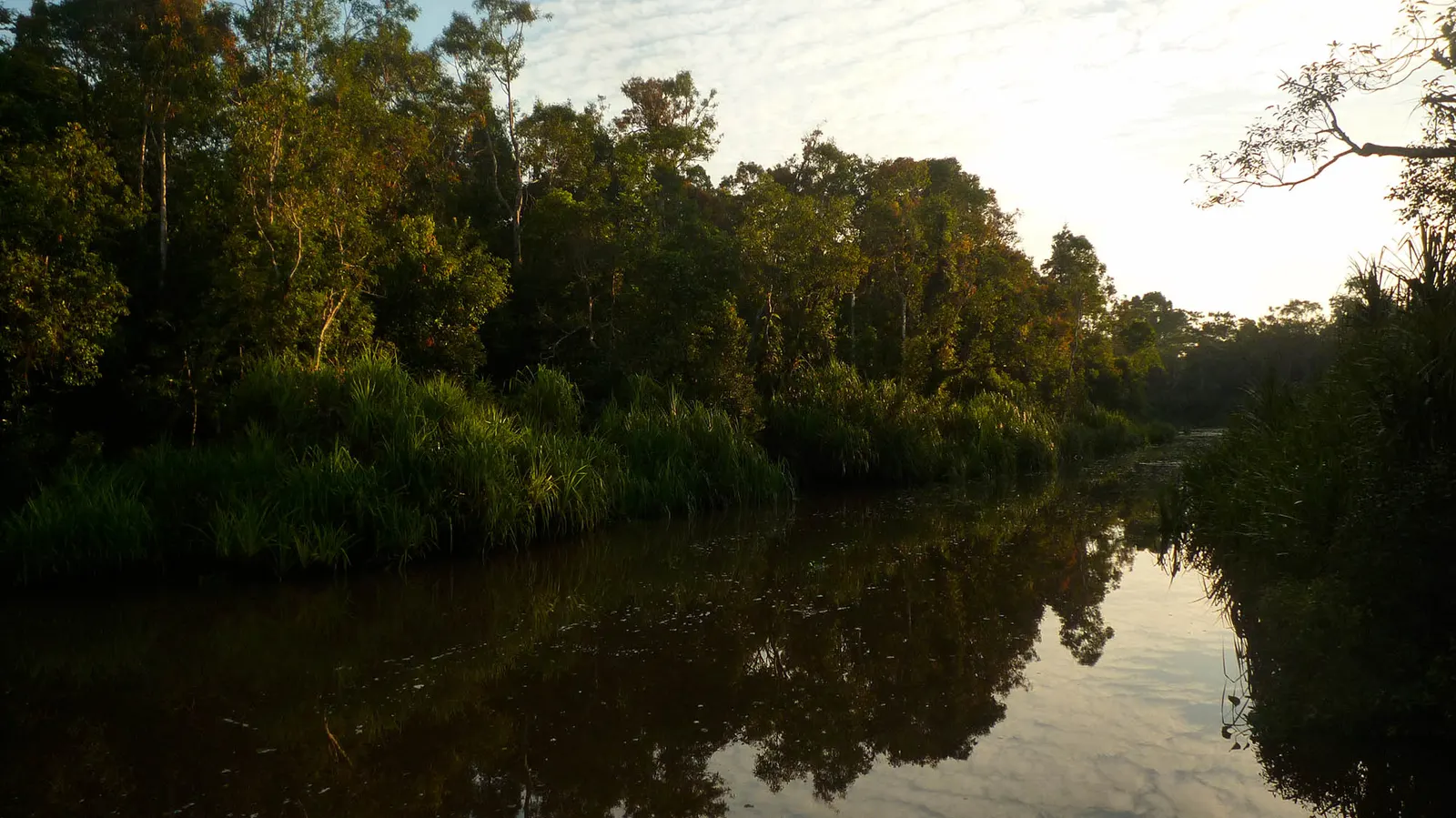
Freshwater pools and other wet places support the species. A Singapore survey recorded it around marshy spots, grassy pools and open stream margins, showing that it can use relatively open waters as well as a wider forest landscape. On Borneo, its occurrence in the Sebangau Natural Laboratory peat-swamp forest connects it with Central Kalimantan. The species also ranges widely through tropical Asia.
Sources & references · 3
Gardens Bulletin Singapore 49 (1997) · Singapore dragonfly survey: Neurothemis fluctuans habitatMires and Peat · Husson et al. (2018), Biodiversity of the Sebangau tropical peat swamp forest, Indonesian BorneoSpecies account or primary research · NParks: Neurothemis fluctuansFood and ecological role
The flying adult catches insects, including mosquitoes. Its aquatic larva is also a predator, taking mosquito larvae and other small animals. The species therefore participates in two food webs during its life: underwater as a larva and above the water as an adult. The bright winged insect is only the visible part of a life closely tied to freshwater.