Recognition
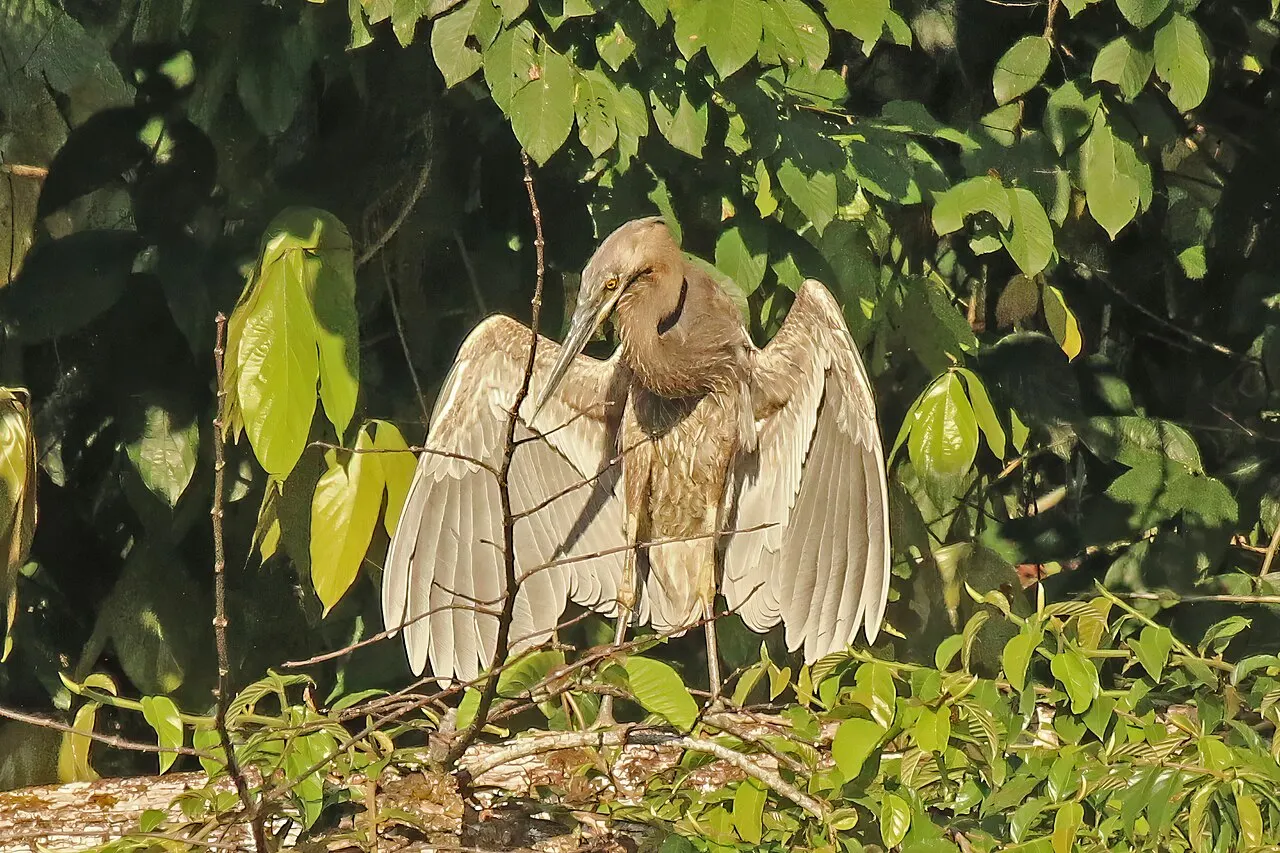
The great-billed heron has a massive bill and dusky brown plumage with long greyish plumes.
Sources & references · 2
Singapore National Parks Board · Great-billed heron: natural historywww.tnsebangau.com · Sebangau National Park, Sungai Paduran Alam (2015)Daily life
It hunts by standing still at the water edge or walking slowly through shallow water. Its food includes fish, crustaceans and other aquatic invertebrates. Official park records document it at Sungai Paduran Alam in Sebangau.
Sources & references · 2
Singapore National Parks Board · Great-billed heron: natural historywww.tnsebangau.com · Sebangau National Park, Sungai Paduran Alam (2015)Range and local records
Published research has documented this species at Sebangau NLPSF; Sungai Paduran Alam, Sebangau National Park. These observations provide a historical picture of its Bornean forest range.
Sources & references · 2
Mires and Peat · Husson et al. (2018), Biodiversity of the Sebangau tropical peat swamp forest, Indonesian Borneowww.tnsebangau.com · Sebangau National Park, Sungai Paduran Alam (2015)Forest and water
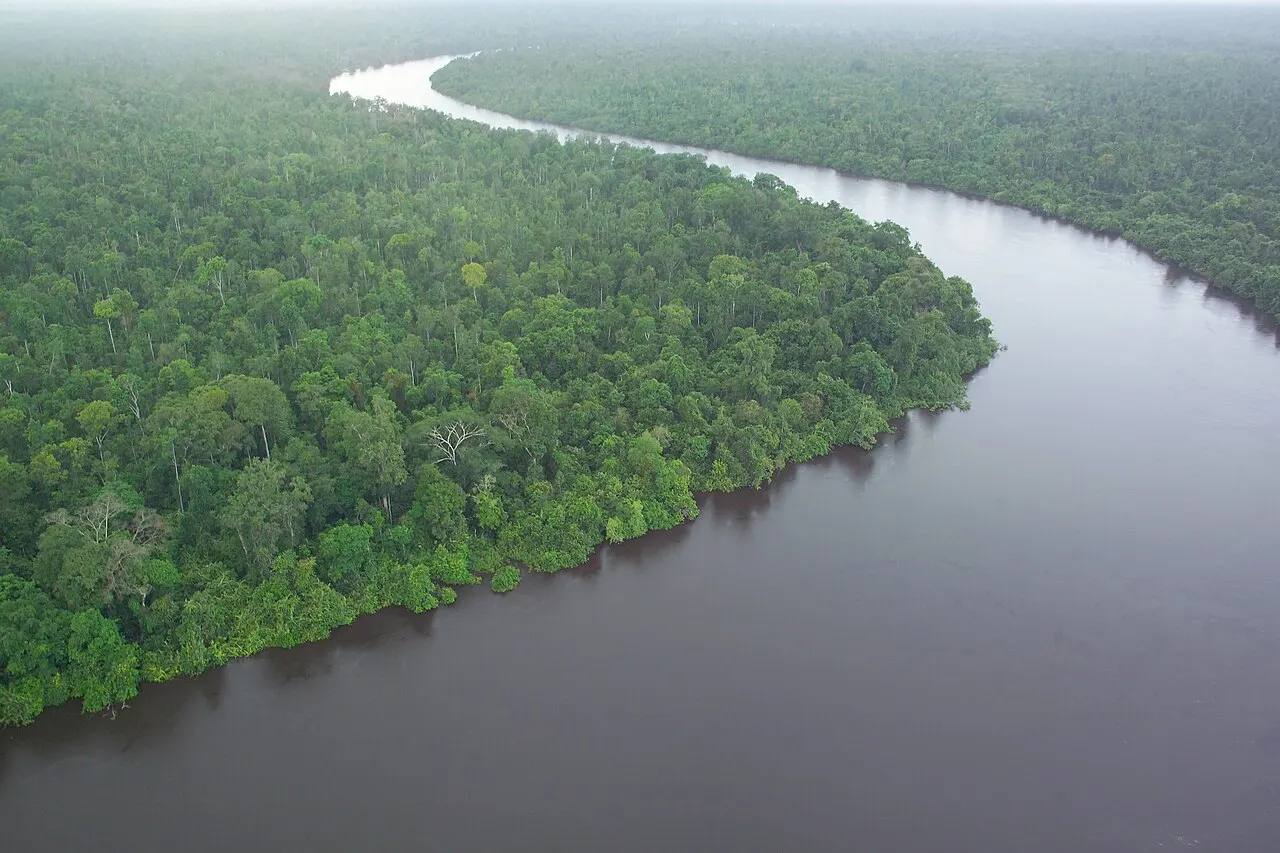
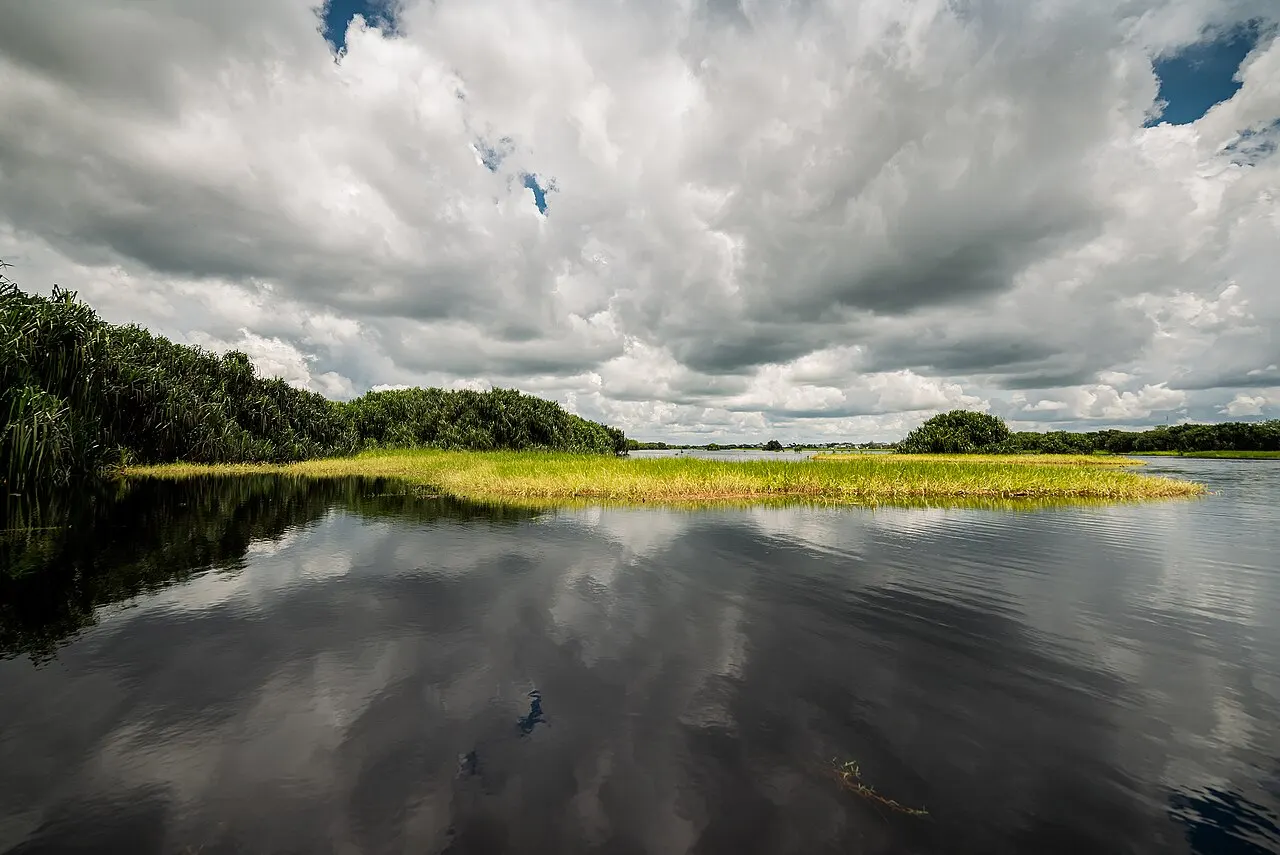
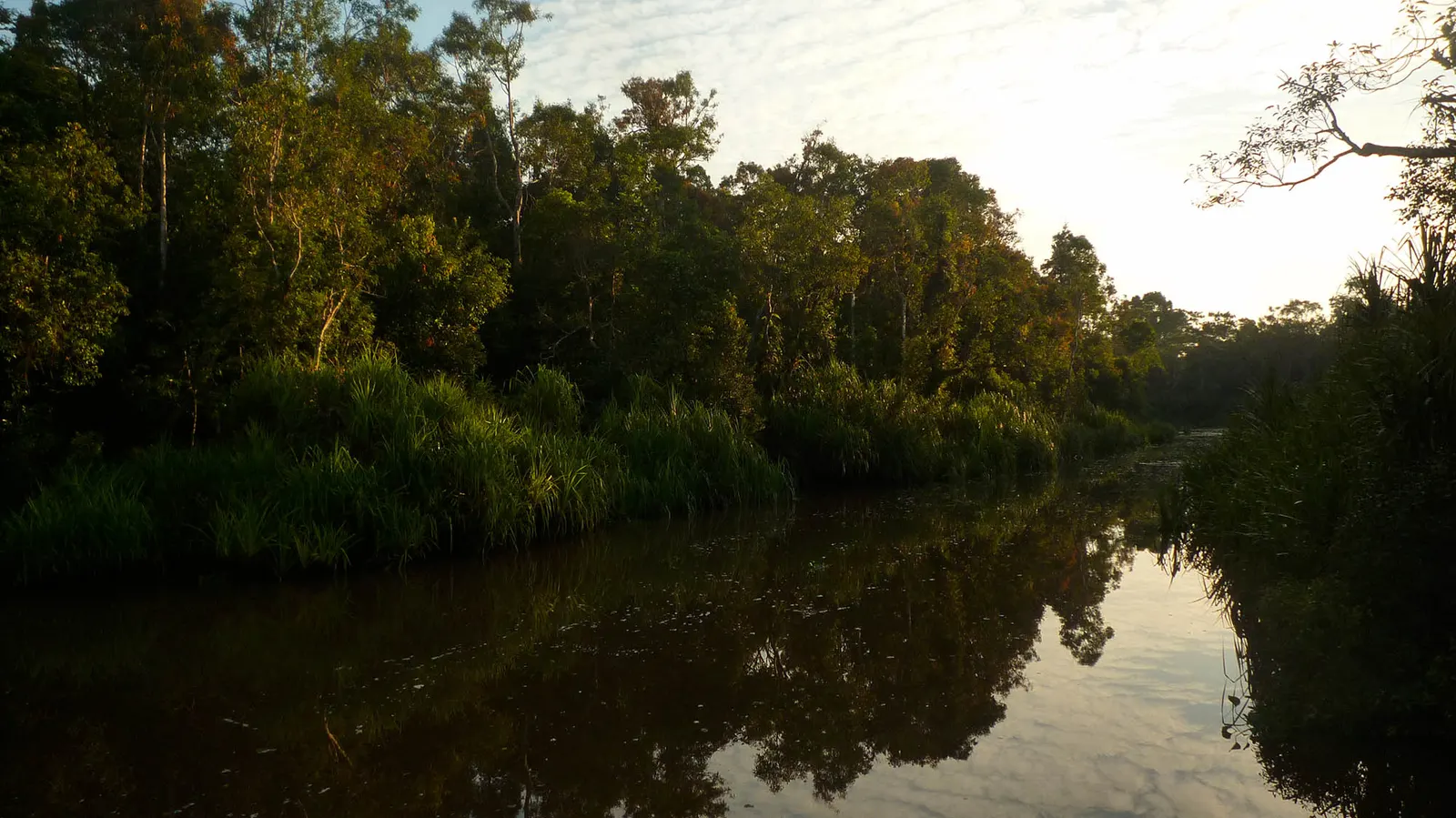
The linked habitat is the documented Sebangau peat-swamp landscape. Observation dates and locality remain attached to the evidence, so a park-wide abundance or sighting probability is not inferred.
Sources & references · 2
Mires and Peat · Husson et al. (2018), Biodiversity of the Sebangau tropical peat swamp forest, Indonesian Borneowww.tnsebangau.com · Sebangau National Park, Sungai Paduran Alam (2015)Feeding along Sabah's reefs
A North Borneo museum study recorded at least ten great-billed herons feeding along the beach and reef of Karindingen Island in November 1962. Two specimens provided identification evidence. One male showed reproductive condition, but this did not demonstrate an active nest. The record grounds its coastal ecology in a specific Sabah observation.