Recognition
The reported maximum standard length is about twenty centimetres, measured without the tail fin. In a Riau field study, males were described as slimmer and darker than females. Such differences are useful context when comparing individuals, although they are not a substitute for species identification. The air-breathing ability is facultative: the fish can supplement underwater respiration with atmospheric oxygen.
Sources & references · 2
Species account or primary research · FishBase: Belontia hasseltiUniversitas Riau · Reproductive biology of Belontia hasselti in Air Hitam flood swamp (2018)Habitat and Borneo range
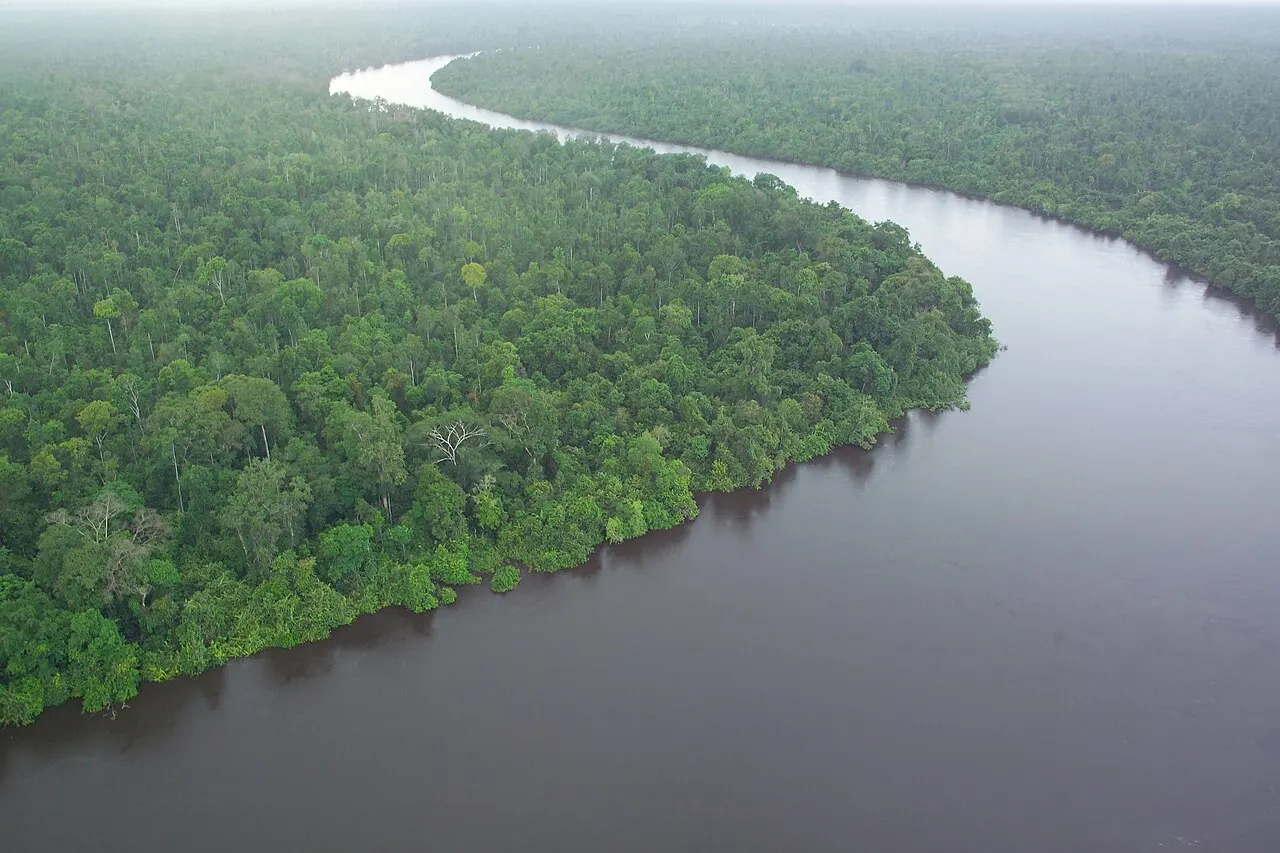
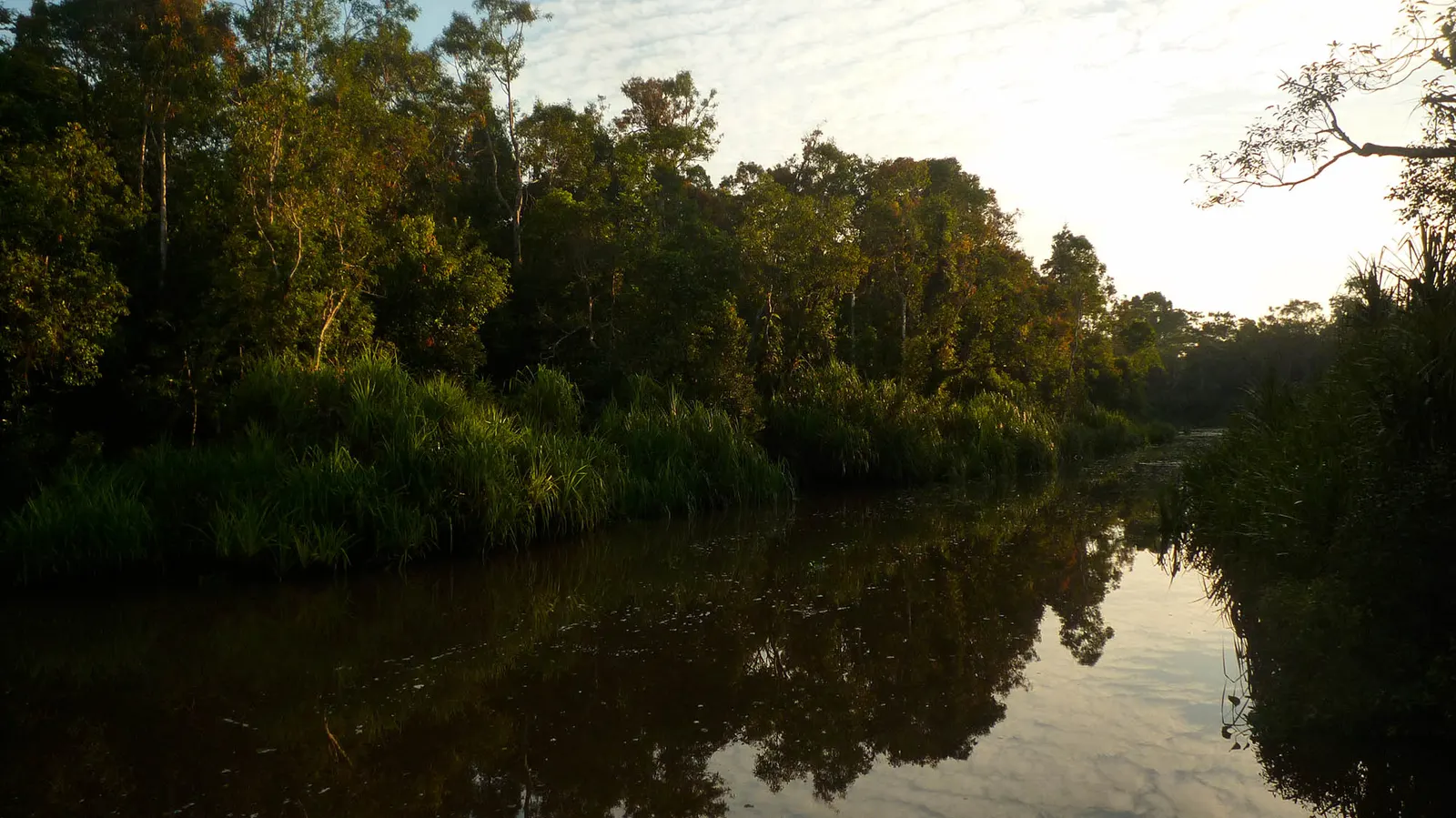
It is associated with peat habitats and is recorded in the Sebangau catchment of Central Kalimantan. The wider native range includes the Malay Peninsula and the Greater Sunda Islands. Studies elsewhere in Indonesia also describe flood waters and swamp channels. These settings connect the fish to shallow wetland water, where changing inundation and surrounding vegetation shape the available habitat.
Sources & references · 3
Species account or primary research · FishBase: Belontia hasseltiSpecies account or primary research · Putra, Windarti and Simanjuntak: reproductive biology in RiauMires and Peat · Rasbora kalochroma: documented occurrenceFood and ecological role
A South Bangka study examined the stomach and intestinal contents of thirty fish. Several algal groups were present, and the author classified the species as omnivorous. This shows that its food is not restricted to large animal prey. The study describes one population, so the exact balance of food items can differ elsewhere; the useful distinction is a mixed feeding role rather than a narrowly specialised predator.
Sources & references · 1
Universitas Bangka Belitung · Eko Pratama (2022): stomach contents of Belontia hasselti in South BangkaReproduction
A bubble nest forms part of reproduction. Examination of ovaries in Riau found eggs at different maturity stages, suggesting that females can release eggs in batches. This is more informative than a single fixed egg count: the reproductive process can include several portions rather than one simultaneous clutch. Local Bornean timing has not been established by those Sumatran observations.