Growth & ecology
Pitchers trap small crawling insects, including ants. Found in nutrient-poor lowland peat-swamp and disturbed habitats. Male and female flowers occur on separate plants.
Sources & references · 2
Royal Botanic Gardens, Kew · Nepenthes gracilis: accepted name and rangeSingapore National Parks Board · Nepenthes gracilis: reference profileLife in the ecosystem
Rain can power prey capture: drops striking the lid flick insects from its underside into the pitcher. This documented mechanism shows that a lid is not merely a rain cover. It also cautions against assuming that all Nepenthes species trap prey in exactly the same way.
Sources & references · 1
PLoS ONE, 2012 · With a flick of the lid: a novel trapping mechanism in Nepenthes gracilisAppearance & recognition
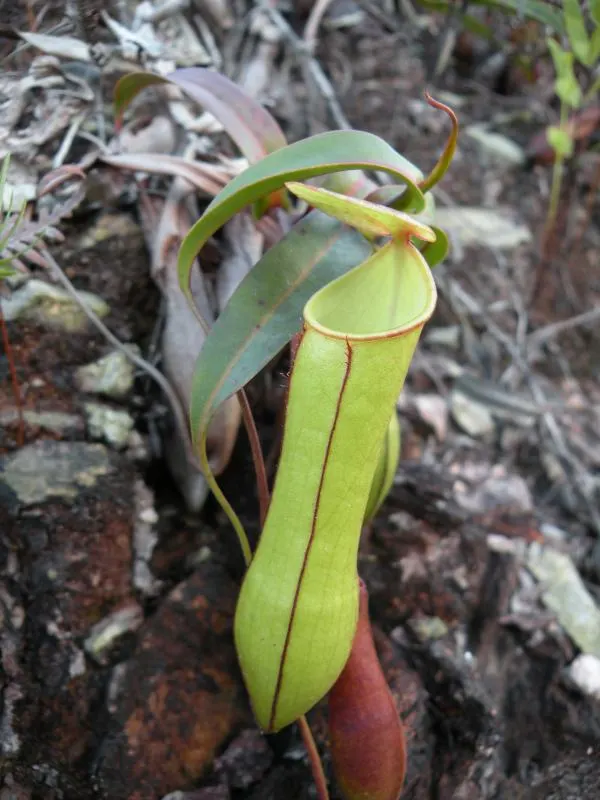
Slender climbing stems carry narrow pitchers at the ends of leaf tendrils. The lid has a special role: rain striking it can dislodge insects feeding underneath into the fluid-filled trap. This differs from simply catching an insect that slips on the rim. The prey supplies nutrients, while green foliage supplies energy through photosynthesis. Male and female flowers occur on separate plants, away from the pitchers.
Sources & references · 3
Royal Botanic Gardens, Kew · Nepenthes gracilis: accepted name and rangeSingapore National Parks Board · Nepenthes gracilis: reference profilePLoS ONE, 2012 · With a flick of the lid: a novel trapping mechanism in Nepenthes gracilisRange & habitat
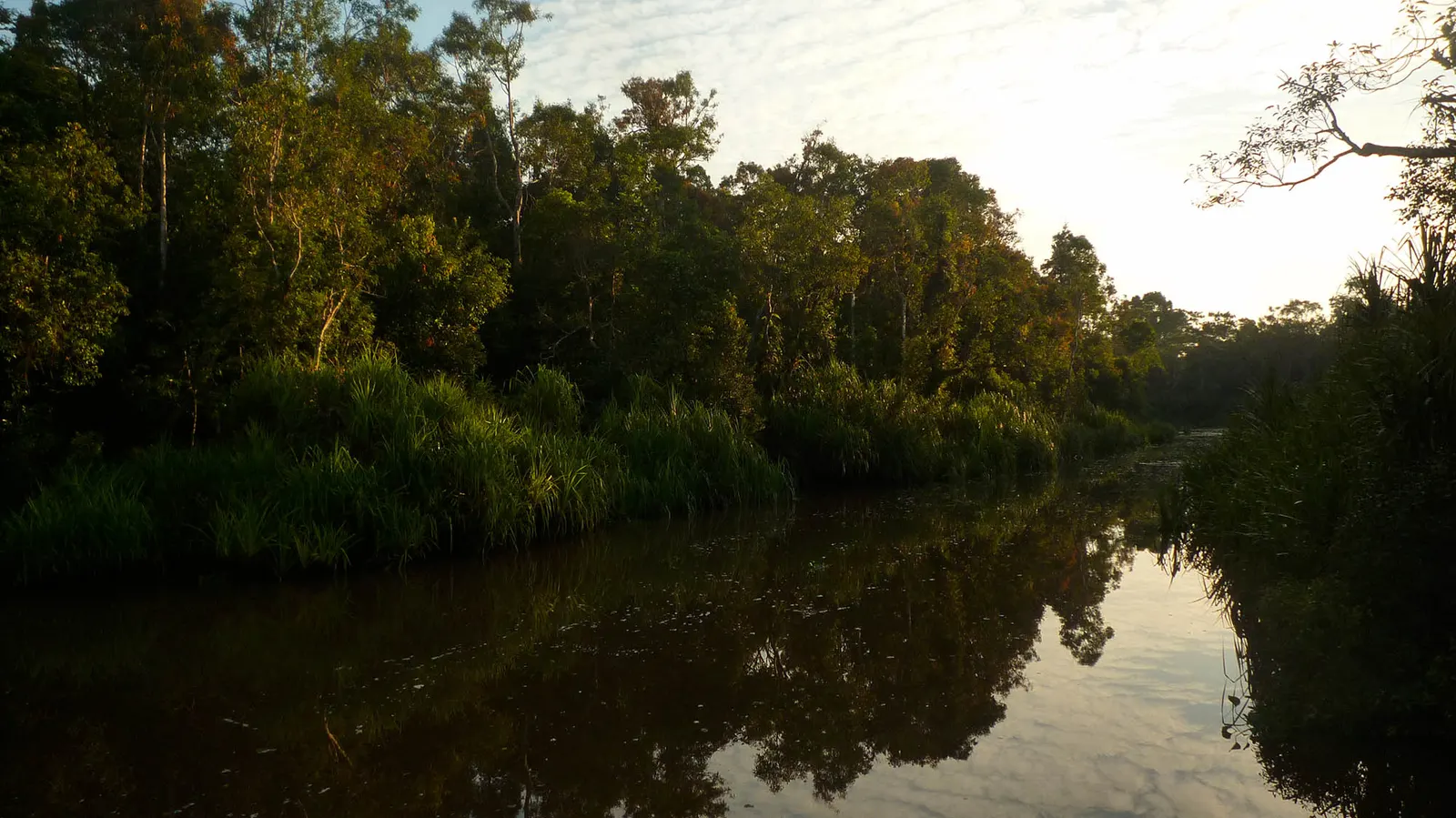
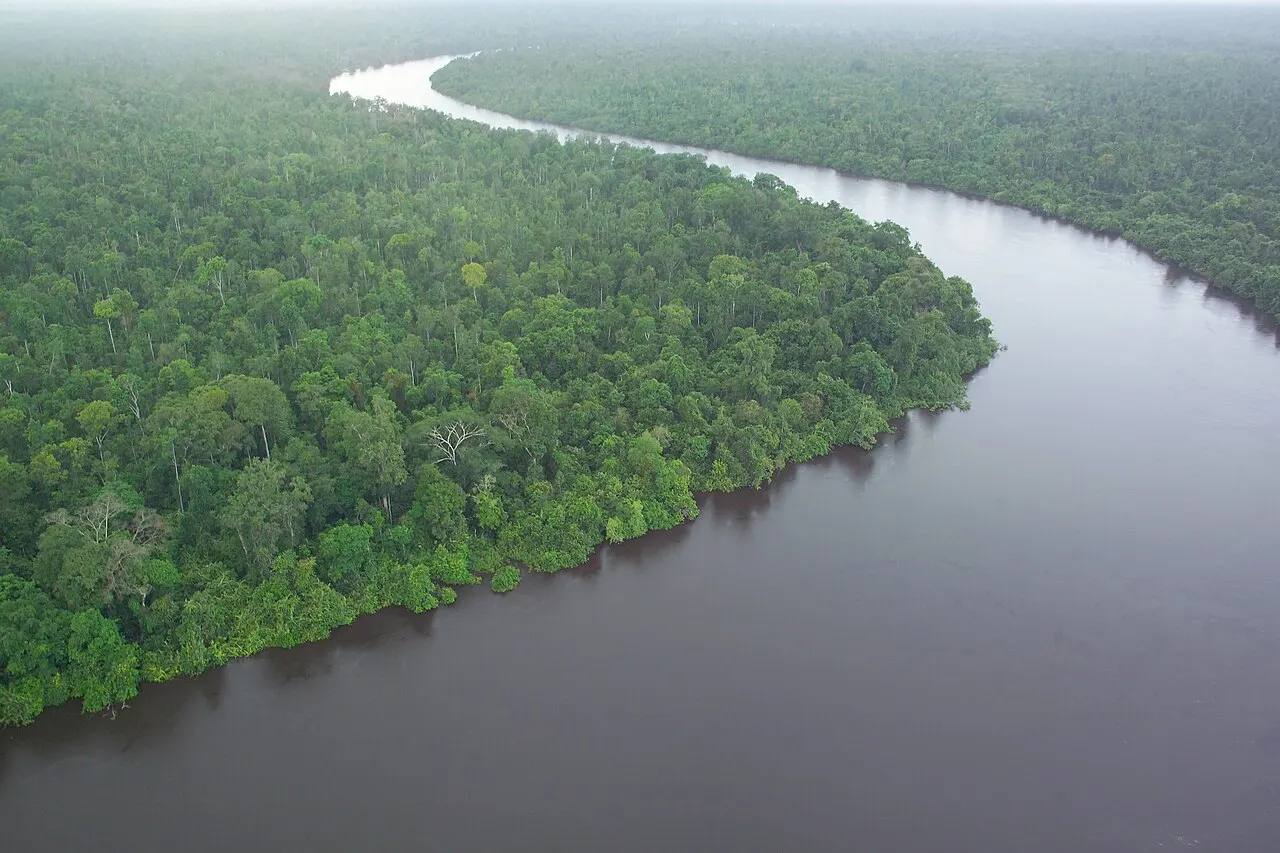
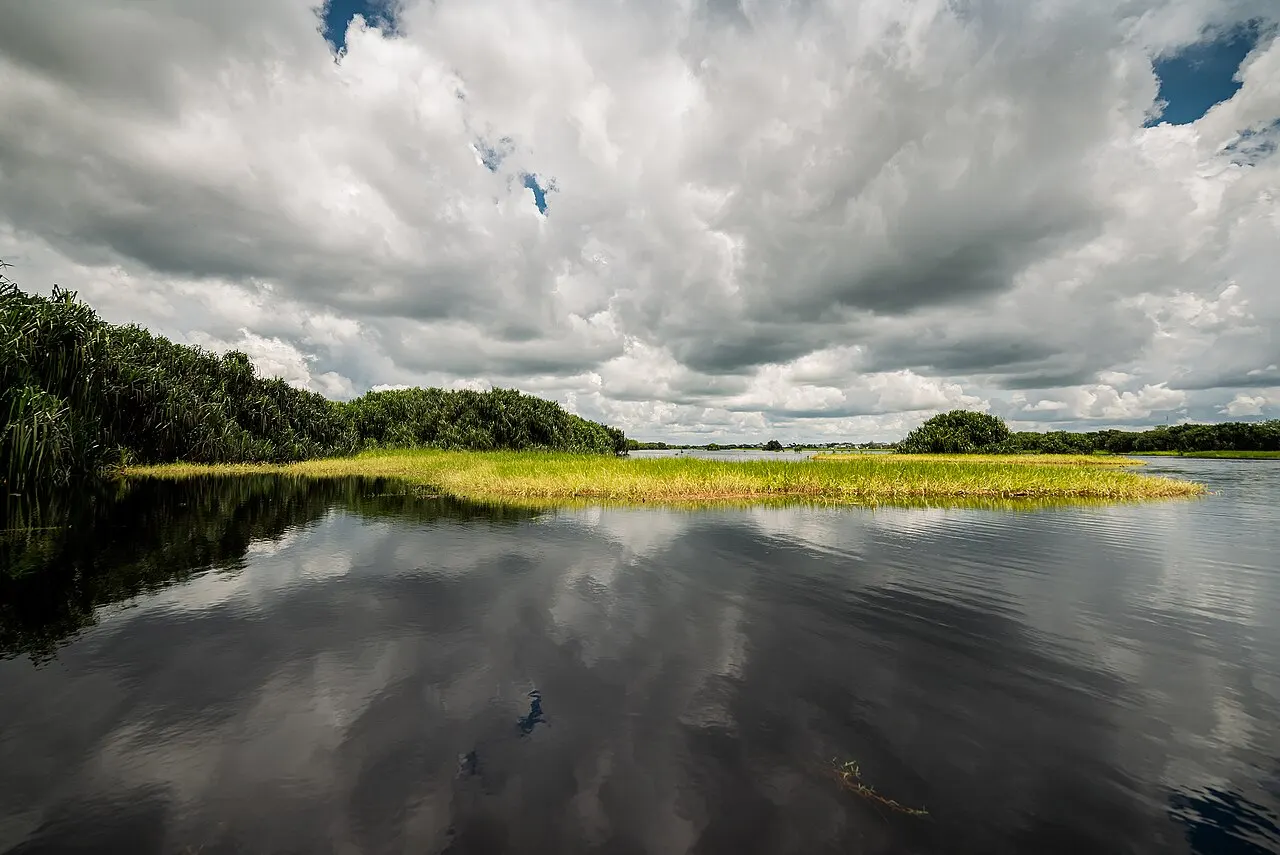
Nutrient-poor lowland settings, peat-swamp vegetation and disturbed ground are among its habitats. The Habaring Hurung study documents it in open forest at Sebangau, Central Kalimantan. Its natural range extends beyond Borneo, and an island-wide name should not obscure this local observation. Retaining wetland conditions and surrounding vegetation protects the context in which its trapping mechanism functions.