A kingfisher with a massive red bill
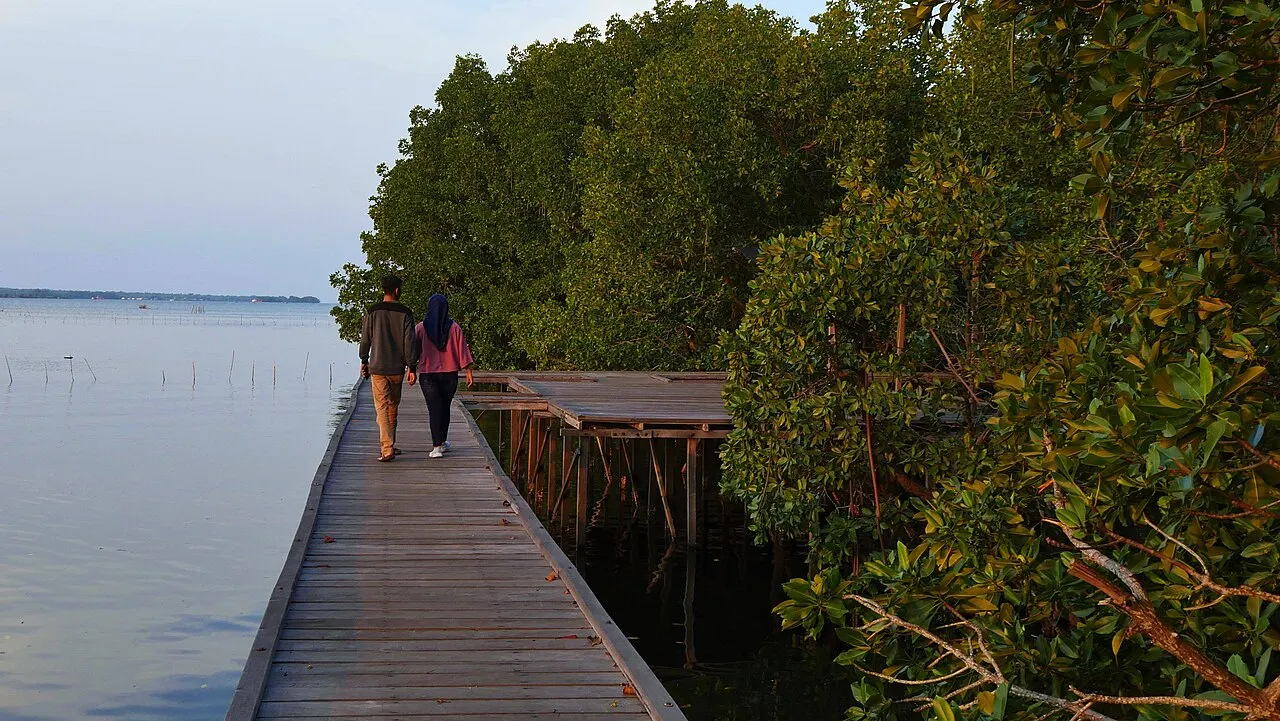
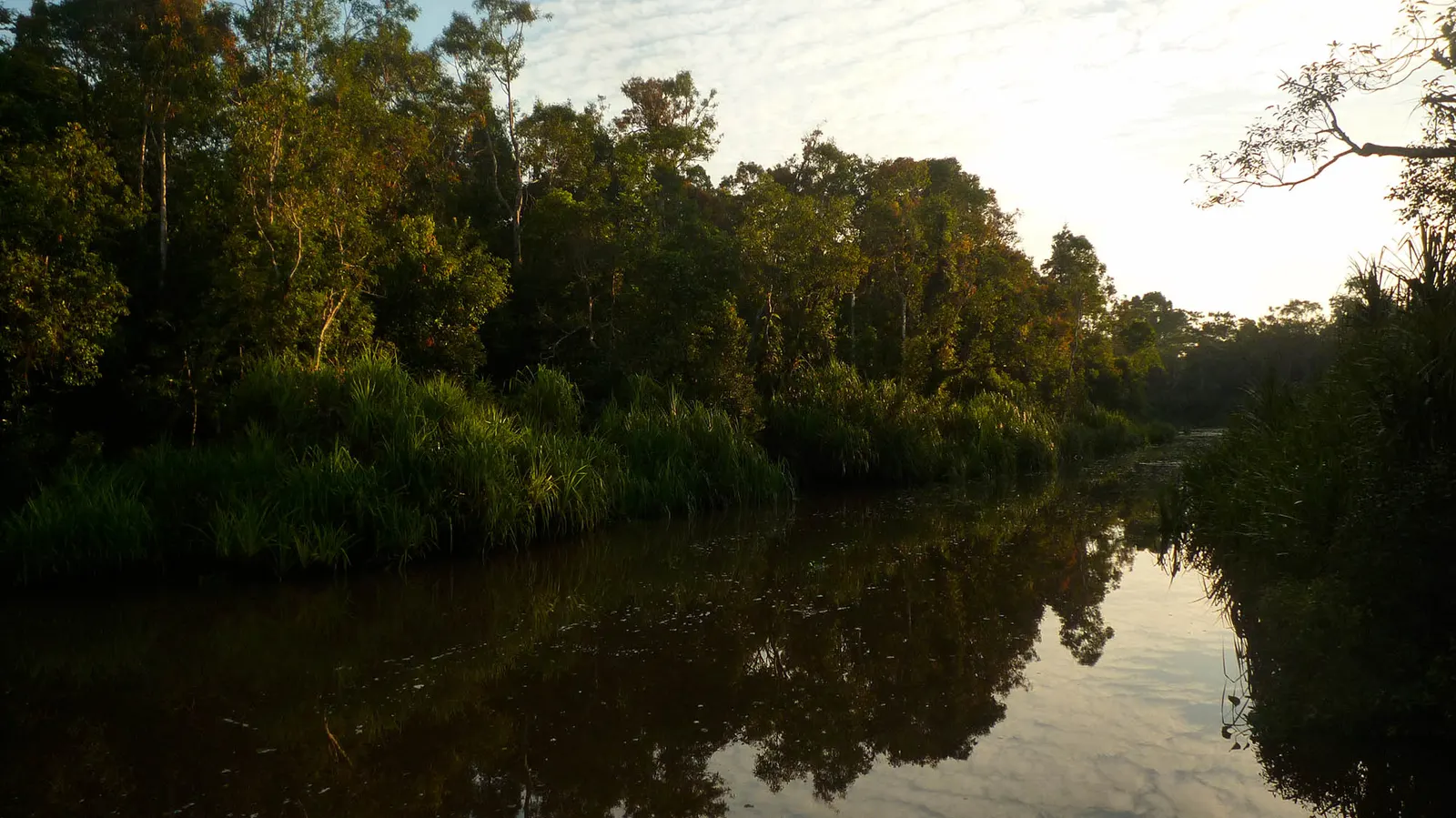
The heavy scarlet bill is conspicuous even when the bird sits quietly. An olive-brown head and buff underside contrast with blue-green upperparts; the wings and tail are bluer. Its loud laughing contact call carries along water, while another call is a far-reaching whistle. Vegetated banks of large streams, rivers and lakes provide characteristic habitat. Juveniles have a darker bill and a scalloped pattern across the breast. Beyond forest rivers, the species also uses mangroves, canals and reservoirs where suitable hunting perches remain. Such sites combine access to aquatic prey with waterside cover.
Sources & references · 2
Bird Society of Singapore · Stork-billed KingfisherCornell Lab of Ornithology, eBird/Merlin · Stork-billed Kingfisher identificationWatching, diving and returning
From a perch above water, it dives to catch fish and crustaceans. Its diet also includes other small animals, so the enormous bill is not restricted to one prey type. Waterside branches give it a clear view of the surface. A stationary bird may be easier to study than a flying one, particularly when its fishing perch is viewed from a quiet boat.
Sources & references · 1
Bird Society of Singapore · Stork-billed KingfisherBorneo's wooded waterways
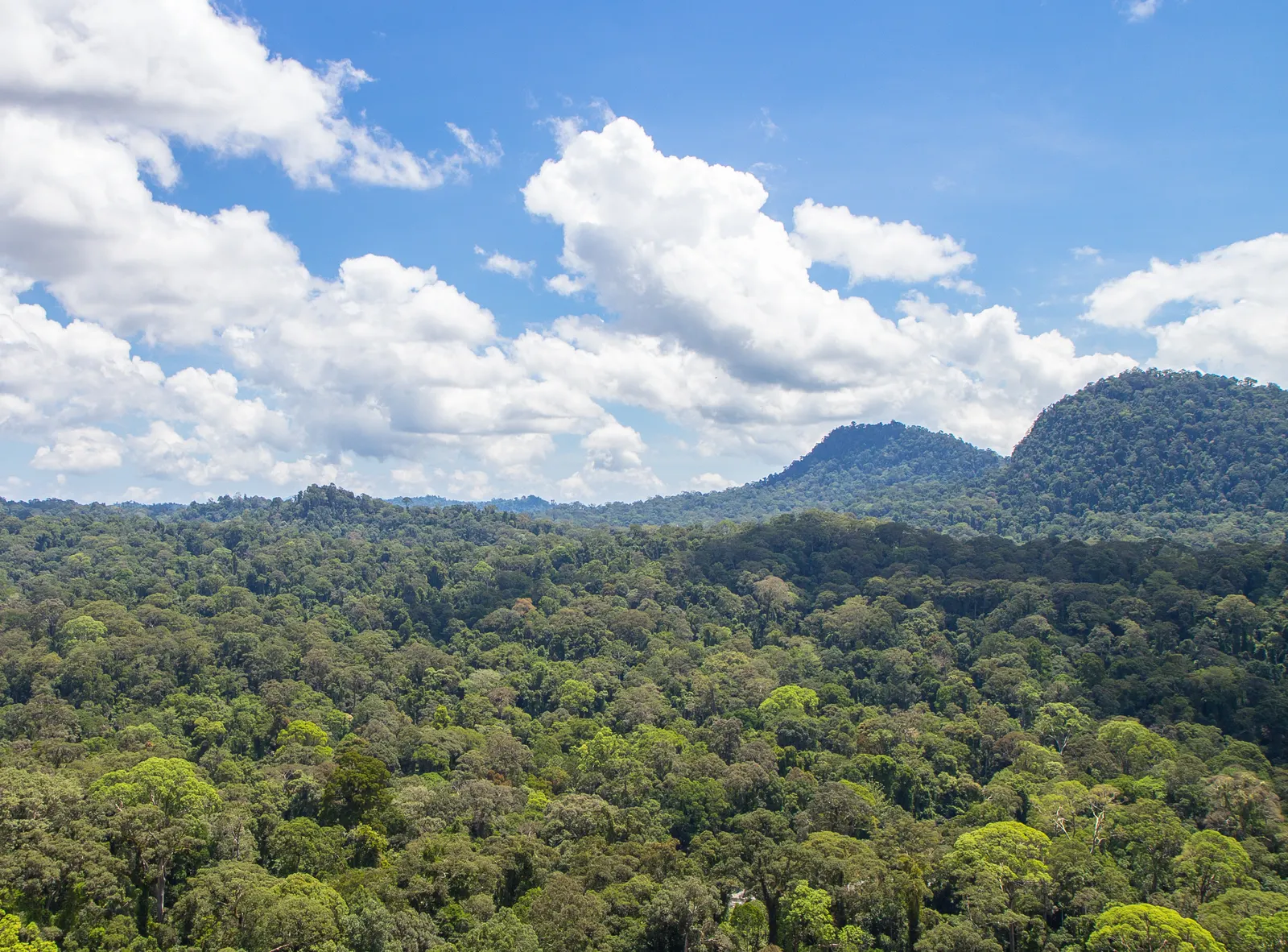
The species is resident on Borneo within a much wider Asian range. Tanjung Puting surveys recorded it along rivers and the coast, including immature birds. Vegetated river margins therefore offer a useful observation setting without requiring access to a nesting site. Tawau survey records also establish local presence. A daytime watch of overhanging branches suits its feeding habits, although birds can remain motionless and easy to miss.