Recognition
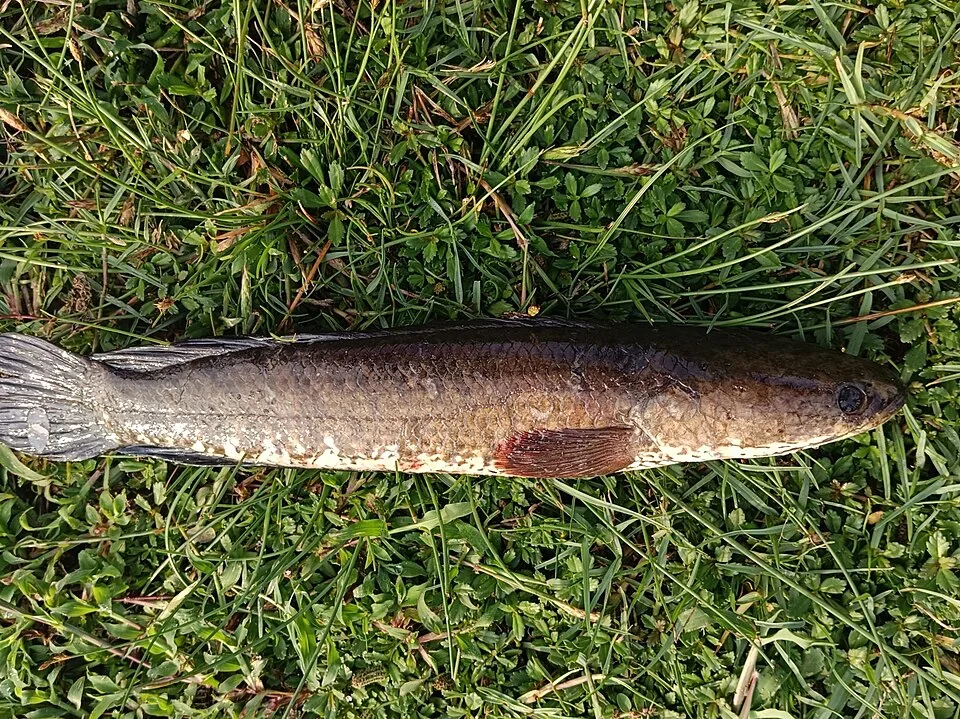
An elongated body, a broad flattened head and a long dorsal fin give this fish its snakehead outline. The upper body is dark and mottled, above a paler belly; the rounded tail differs from a forked-tailed river fish. A large toothed mouth suits its predatory diet. Size alone does not distinguish it from other Channa. The published maximum is not a typical size that visitors should expect, and young fish can look different from adults.
Sources & references · 1
FishBase · Channa striata: identification, feeding and reproductionFood and ecological role
Its prey includes fishes, crustaceans, insects and amphibians. This places gabus within the food web of ponds, flooded land and slow rivers rather than making it simply an aquarium fish. The fish must surface for air: its breathing adaptation allows use of oxygen-poor water, but moist, connected habitat remains important. Reports of survival in mud require moisture and should not be interpreted as unlimited survival on dry land.
Sources & references · 2
FishBase · Channa striata: identification, feeding and reproductionUnited States Geological Survey · Courtenay & Williams (2004): Snakeheads, a biological synopsis and risk assessmentHabitat and Borneo range
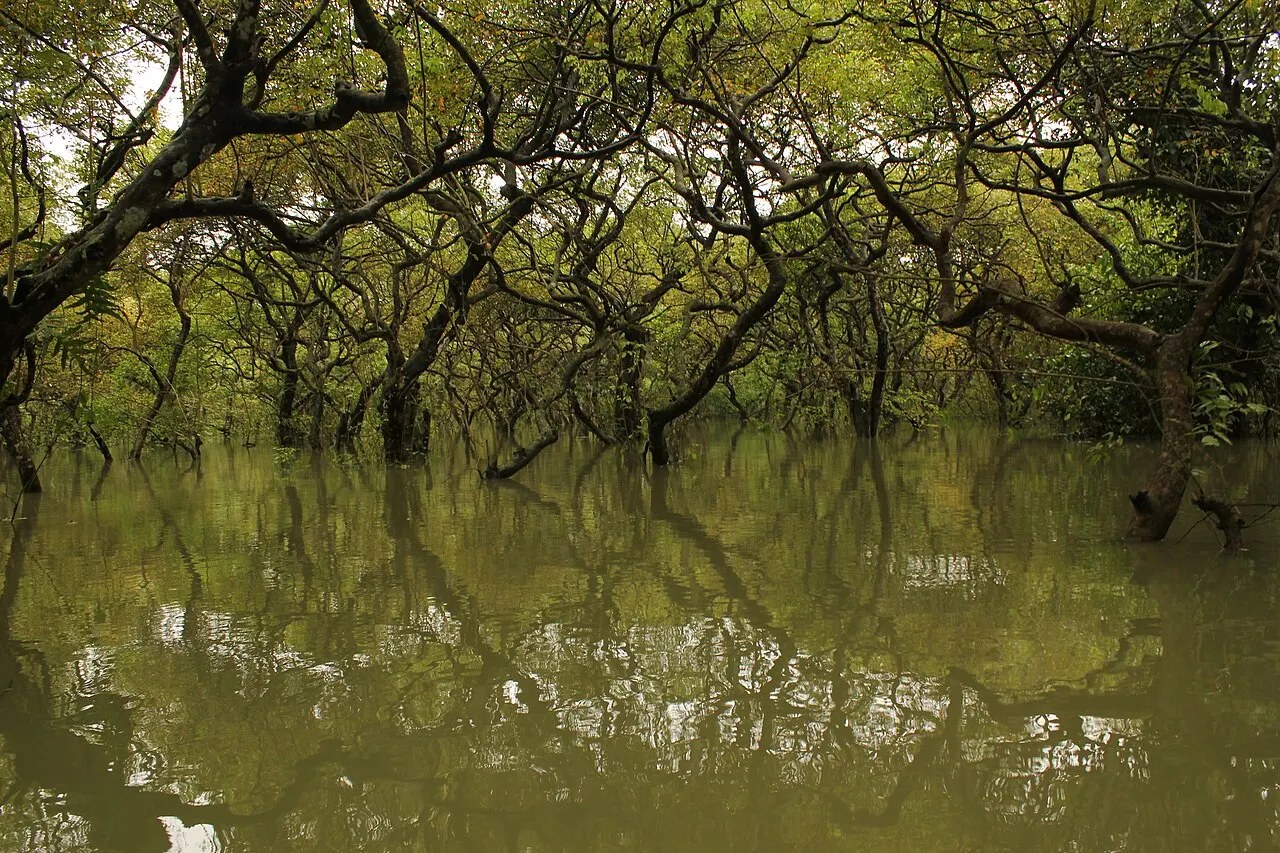
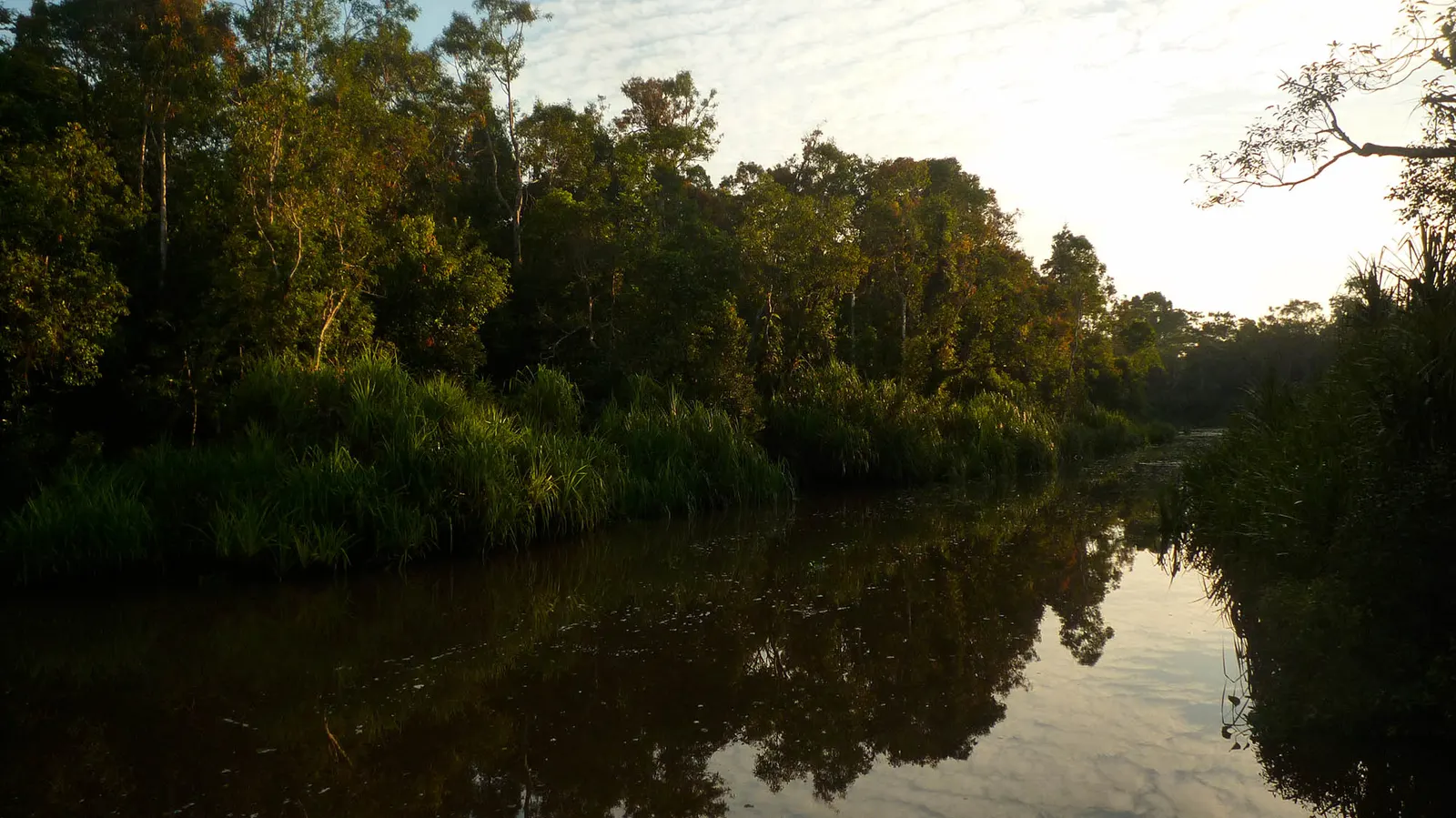
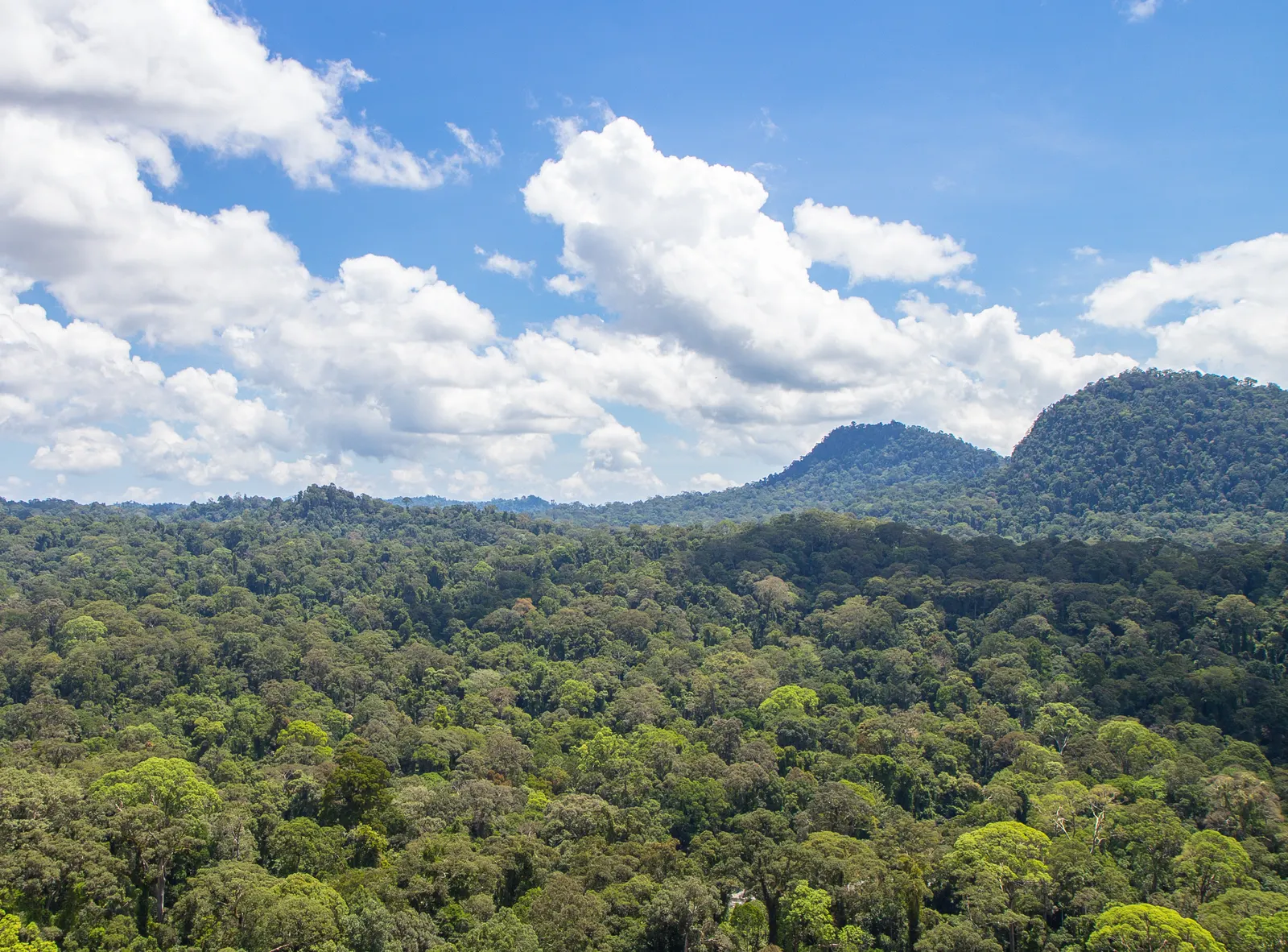
The species is explicitly included in the official fish guide to Danau Sentarum in West Kalimantan. Wetlands, ponds, canals and lowland rivers form its wider habitat. Seasonal floods can connect these waters and change the space available for feeding and spawning. Accounts of migration in the Mekong describe another river system, so their timing should not be presented as a calendar for Danau Sentarum. The species is widespread beyond Borneo and is not island-endemic.
Sources & references · 3
Indonesia Ministry of Environment and Forestry / national park authority · Freshwater fishes of Danau SentarumFishBase · Channa striata: identification, feeding and reproductionUnited States Geological Survey · Courtenay & Williams (2004): Snakeheads, a biological synopsis and risk assessmentReproduction
Breeding is associated with shallow flooded waters. Young gather near the surface, with parental guarding documented in the species literature. This vulnerable stage makes disturbance of concentrated juveniles inappropriate. The global assessment lists Least Concern, while local fisheries and habitat condition require their own evidence. Fish-market records are useful for understanding livelihoods, but captive or landed fish must not be treated as wildlife sightings at a nearby tourist site.