Recognition
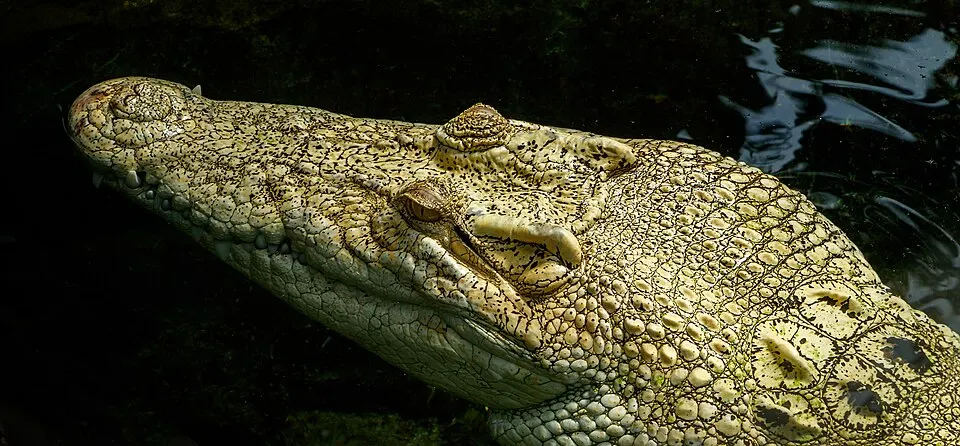
Crocodylus porosus is a powerful crocodilian with a broad head, ridges extending along the snout and a muscular tail. Males and females differ greatly in size. Despite the common name, the species can use freshwater rivers as well as coastal and estuarine wetlands.
Sources & references · 1
University of Michigan Animal Diversity Web · Crocodylus porosus species accountForest and water
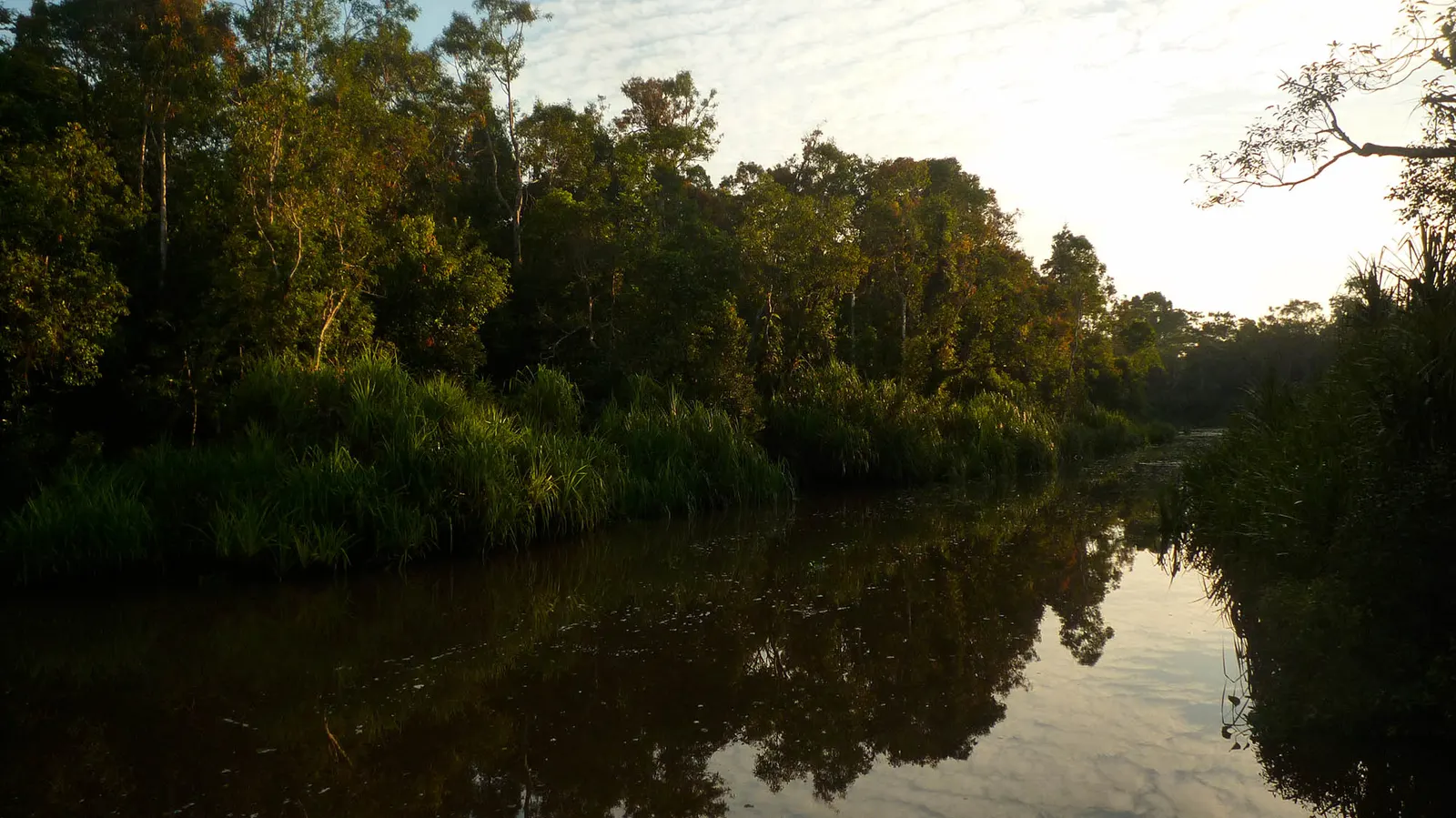
Kutai’s park publication explicitly lists this species. That is a geographic occurrence record, not permission to approach crocodile habitat or assume a swimming spot is safe. Follow local access and water-safety guidance; a province or park list cannot establish risk at a particular bank.
Sources & references · 1
University of Michigan Animal Diversity Web · Crocodylus porosus species accountFood and foraging
It takes aquatic and terrestrial prey, with prey size changing as the crocodile grows. Never feed or lure an animal for photographs; observation must keep both visitors and wildlife undisturbed.
Sources & references · 1
University of Michigan Animal Diversity Web · Crocodylus porosus species accountRange and local records
The selected sources document Crocodylus porosus at Kutai National Park. These are place-specific published records, not current population estimates or evidence for every protected area in the province.
Sources & references · 1
KSDAE, Ministry of Forestry · Mengenal flora dan fauna Taman Nasional KutaiConservation outlook
The cited global category is Least Concern. A global assessment does not describe the condition of every local population, nor promise protection from habitat loss. Observe without disturbance and keep local evidence separate.
Sources & references · 1
IUCN SSC Crocodile Specialist Group · Crocodilian conservation statusSmall crocodiles, small prey
Bornean stomach studies show that a hatchling's menu differs greatly from the dramatic prey associated with adults. Juveniles in Sabah's Klias River had eaten crabs, prawns, insects and small fish. Research in Kuching Wetlands National Park likewise found crustaceans prominent, especially shrimps in hatchlings. These are direct local feeding records, not conclusions borrowed from an Australian population. As crocodiles grow, the range of prey they can capture changes; the small animals supporting early life remain part of the river's food web.
Sources & references · 2
Mohd Sah and Stuebing / Journal of Tropical Ecology · Diet, growth and movements of juvenile crocodiles Crocodylus porosus in the Klias River, SabahEngkamat and Das / Asian Herpetological Research12:323–330 · Diet of juvenile Crocodylus porosus in Kuching Wetlands National Park, Sarawak, East MalaysiaNesting beside permanent water
Kinabatangan surveys in 2013–2014 found nests in small open areas near permanent water and nearby forest cover. Several were associated with old oxbow lakes still connected to larger waterways. Researchers also found piles of debris that resembled nests but were not nests: a mound alone cannot establish breeding.