Overview
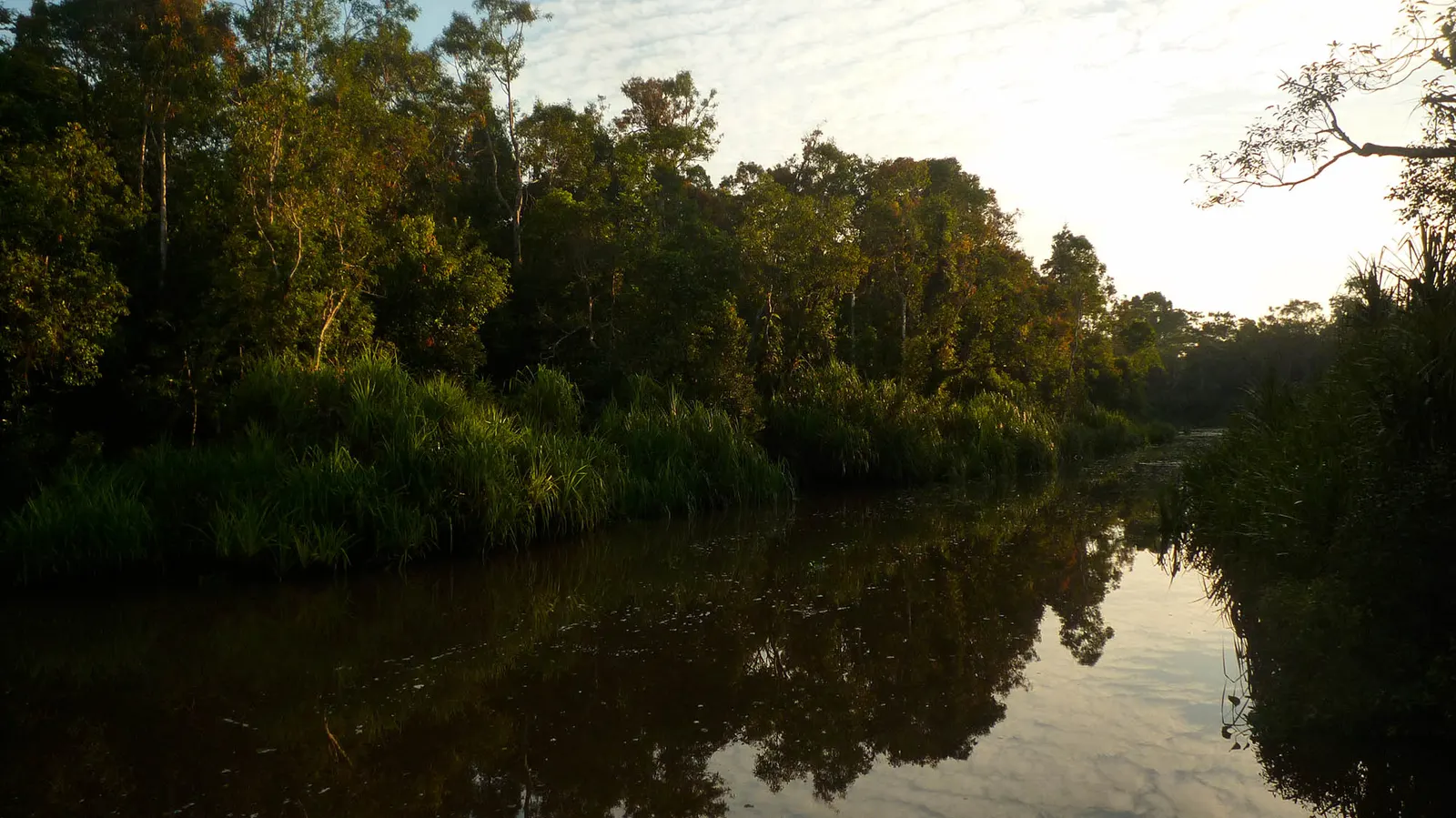
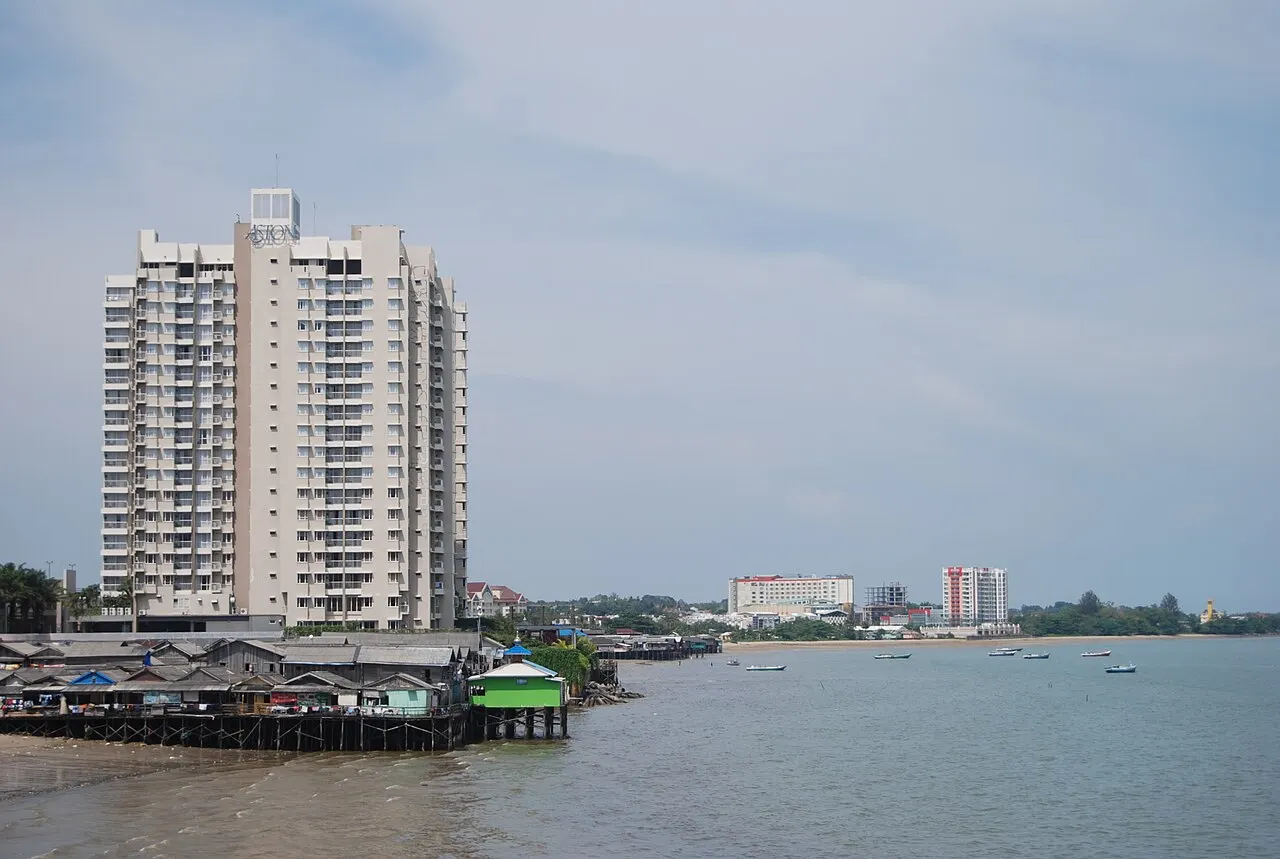
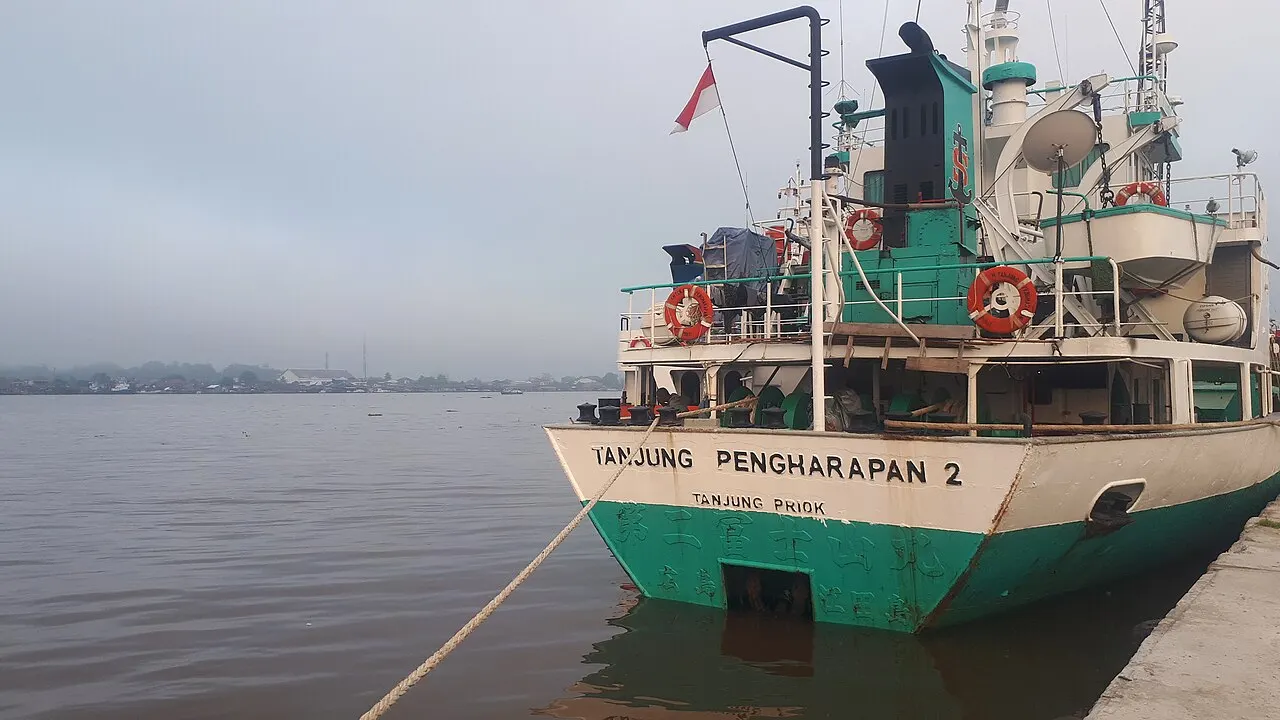
This record describes a river landscape, not a claim that the entire Mahakam is one protected area. Urban banks, settlement corridors and inland wetland reaches have different uses and habitats. A first visit to Samarinda can explain the river’s transport role, while a conservation-focused journey needs a more precise destination.
Wildlife
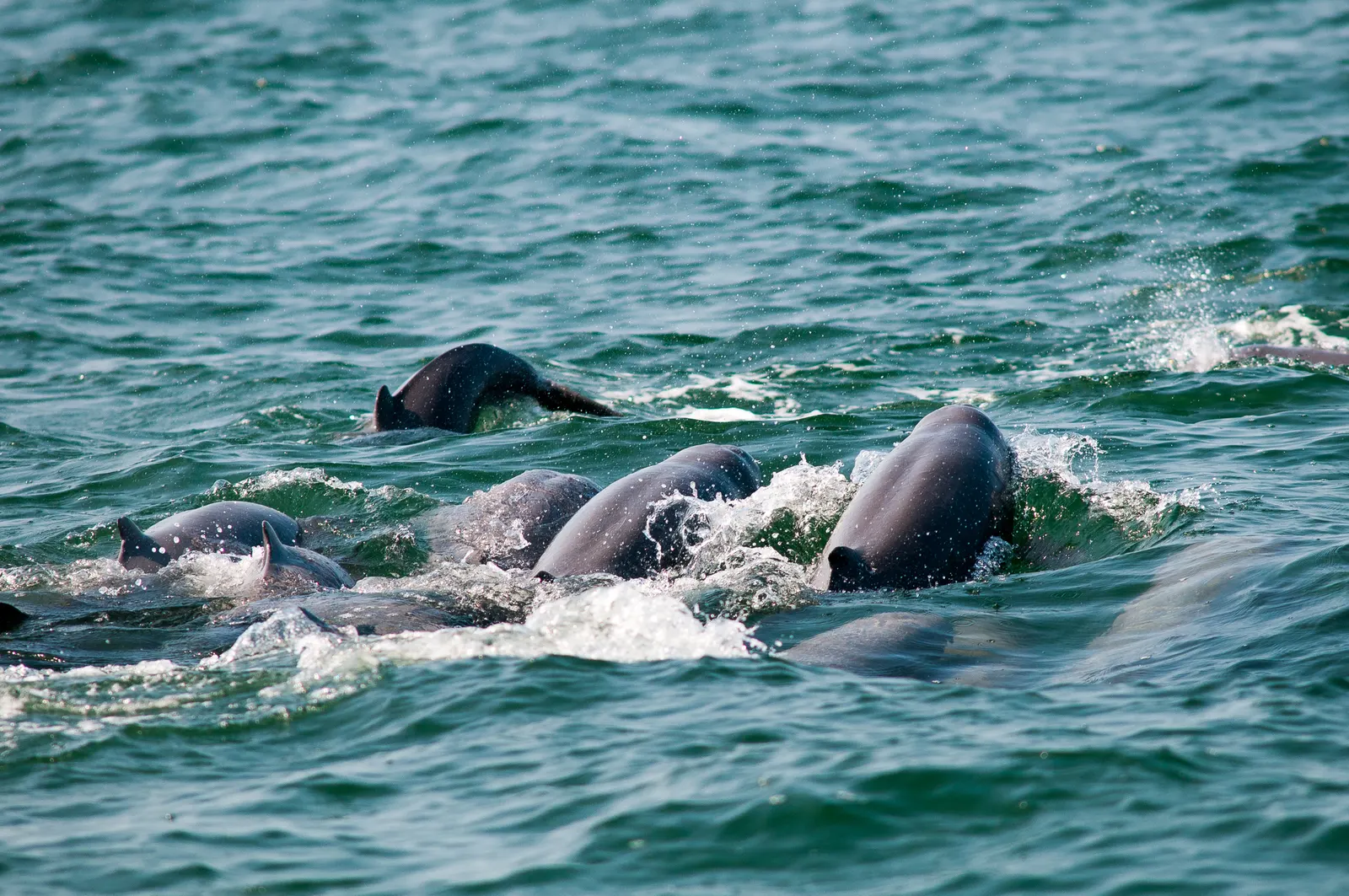
RASI documents the Mahakam population of Irrawaddy dolphin in the inland river system and its conservation programme. A species relationship to this river is therefore justified, but it does not mean dolphins are expected on every Samarinda sightseeing route. The critically endangered Mahakam subpopulation must also be distinguished from the species’ global assessment.
Practical information
Define the actual departure point, route and return before arranging river travel. A city boat ride, a community visit and a longer inland conservation journey require different planning. Choose non-intrusive observation and avoid treating a living river as an animal attraction with guaranteed encounters.
Choosing a route
For an urban introduction, start with Samarinda or Tenggarong and define the departure landing and return. A short waterfront visit and a boat excursion are different products: ask whether the quoted arrangement includes transport, guiding and a return to the same pier. City accommodation, such as Mercure Samarinda, remains a city base rather than a river lodge.
For a community perspective, read Pela and arrange the visit with its local hosts. The Mahakam river activity explains how to assess a route; it is not itself a boat booking. A longer inland programme needs separate sleeping and transport arrangements. Do not infer that a commercial river connection accepts visitors on a sightseeing schedule, or that every village offers accommodation. Water conditions and the exact route determine how much time is useful.
Reading the landscape
The Irrawaddy dolphin relationship belongs to the inland river system and its conservation programme. Avoid crowding, chasing or asking a boatman to cut across an animal's path. A failure to see dolphins does not diminish the importance of river habitat, fishing livelihoods and connected wetlands. The story two histories along the Mahakam helps place cultural and ecological journeys alongside each other without turning them into one interchangeable tour.