Identification
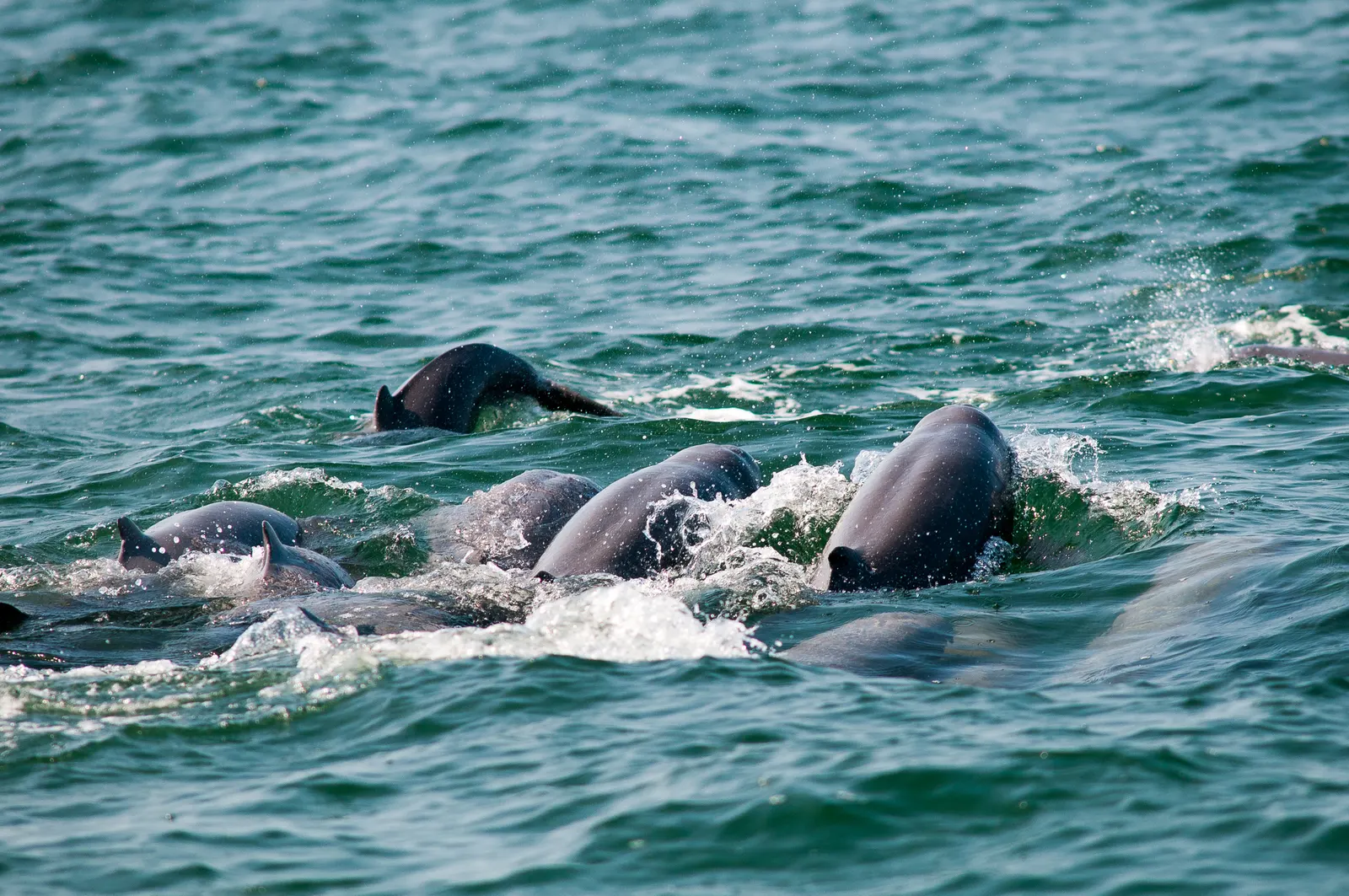
Orcaella brevirostris has a rounded forehead and no pronounced beak. Its range includes coastal and estuarine waters as well as some freshwater populations. It is not a Borneo-endemic species; “Mahakam dolphin” refers to a particular local population, not a separate species record.
Sources & references · 3
University of Michigan Animal Diversity Web · Orcaella brevirostrisIUCN SSC Cetacean Specialist Group · Red List status of cetaceansYayasan Konservasi RASI · Freshwater dolphin surveysForest and habitat
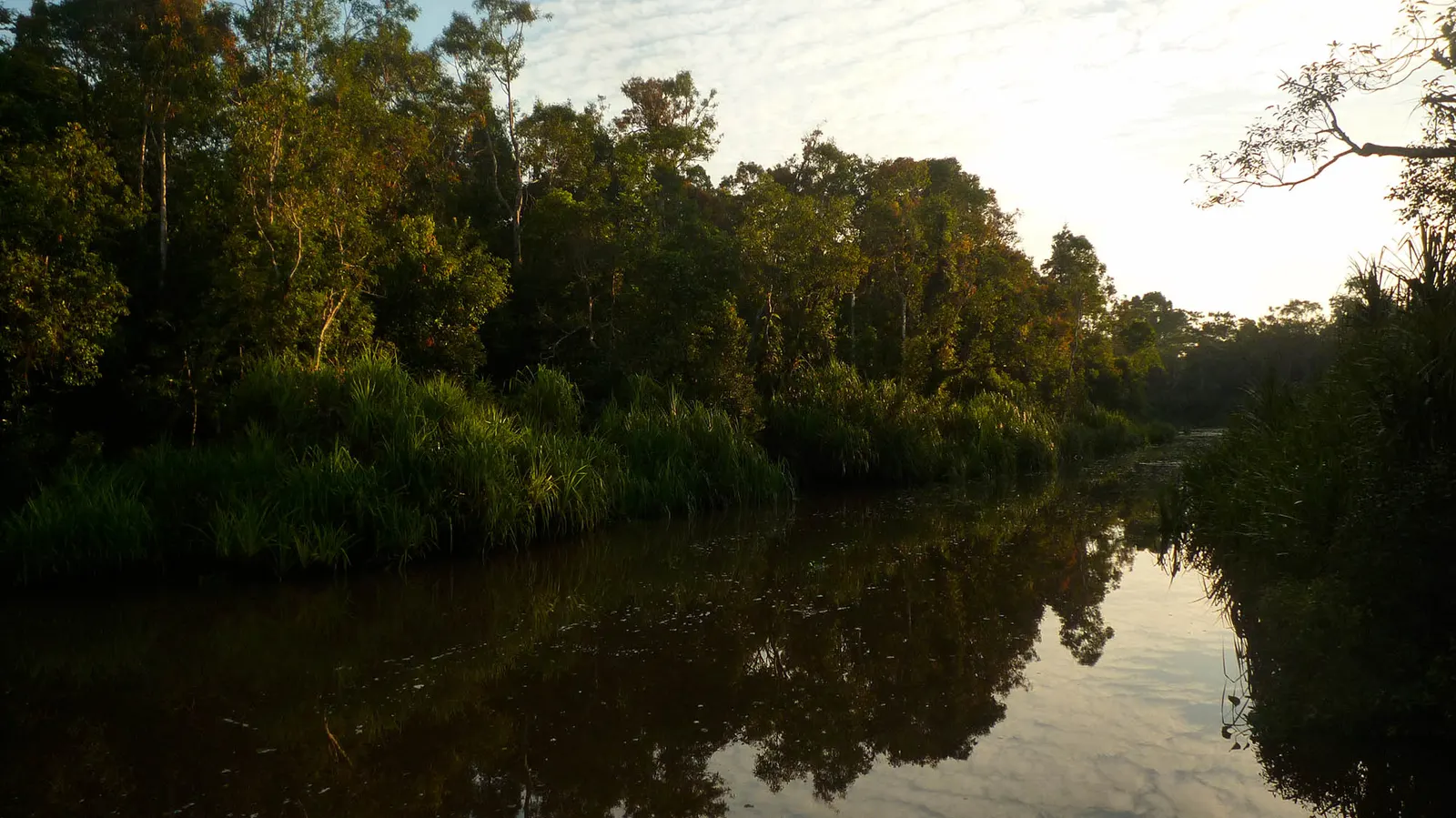
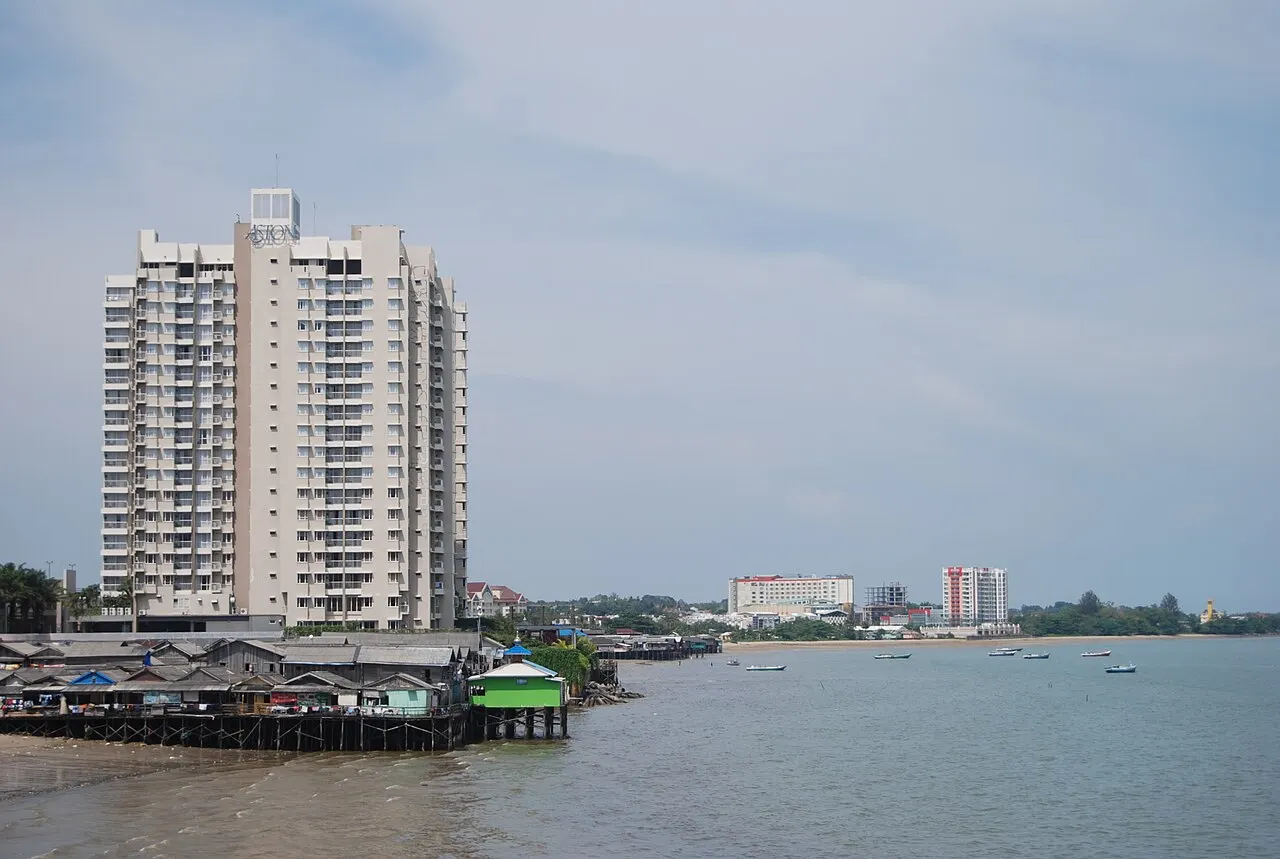
The Mahakam population lives in freshwater reaches documented by RASI’s monitoring programme. Boat noise, entanglement and habitat pressures form its conservation context. Do not infer dolphin presence along every urban riverbank from the broader river relationship.
Sources & references · 1
Yayasan Konservasi RASI · Freshwater dolphin surveysFeeding
The species feeds on fish, cephalopods and crustaceans. This general description is not a quantified diet for Mahakam individuals.
Sources & references · 1
University of Michigan Animal Diversity Web · Orcaella brevirostrisMothers and young
Females usually bear one calf and nurse it over an extended period. A precise local breeding calendar is not established by the sources used here.
Sources & references · 1
University of Michigan Animal Diversity Web · Orcaella brevirostrisRange on Borneo
The selected sources document Orcaella brevirostris at Mahakam River. These are place-specific published records, not current population estimates or evidence for every protected area in the province.
Sources & references · 1
Yayasan Konservasi RASI · Freshwater dolphin surveysConservation
The species is globally Endangered; the Mahakam River subpopulation is Critically Endangered. These assessments have different scopes and must not be combined into one population claim.
Sources & references · 1
IUCN SSC Cetacean Specialist Group · Red List status of cetaceansLife in the Mahakam
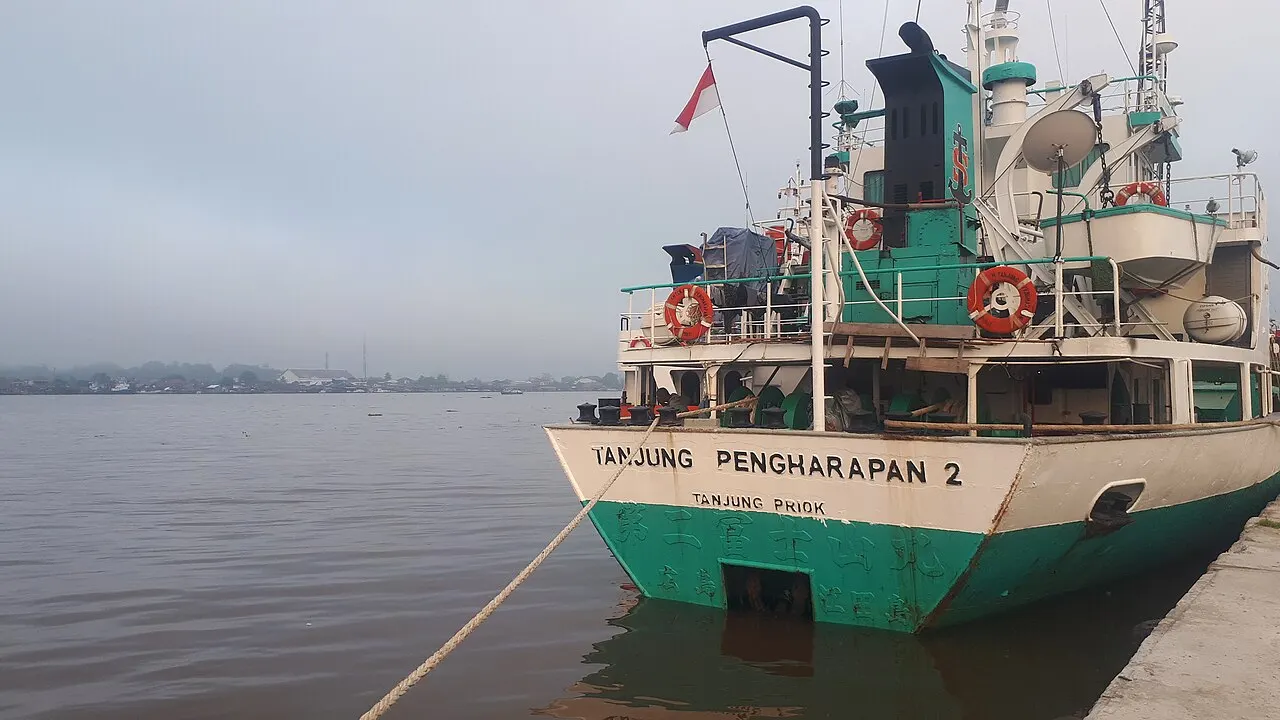
In the Mahakam, the freshwater population is known as pesut. Its survival depends on connected river and lake habitats with sufficient fish. Dolphins surface briefly, so a rounded head and low dorsal fin may be all that appears. Conservation surveys have identified gillnet entanglement as a major cause of death, alongside collisions and declining habitat quality. Heavy vessel traffic, underwater noise, pollution and damage to fish-spawning wetlands can affect the same river reaches. Protecting dolphins consequently also means protecting fish habitat and the livelihoods that depend on it.