Blue cheeks above an orange breast
This small kingfisher combines deep blue upperparts with orange underparts and a white throat. Adults have blue ear-coverts rather than the orange cheek patch of a Common Kingfisher. Young birds can retain orange on the cheeks, making identification less straightforward. Watching the whole head pattern is more useful than identifying a passing blue flash alone. Bill colour offers an additional clue in adults: the male's bill is mostly dark, while the female has much more red, especially below. Combined with the ear-coverts and throat patch, it helps identify a bird that stays perched long enough for a careful look.
Sources & references · 1
Cornell Lab of Ornithology, eBird/Merlin · Blue-eared Kingfisher identificationA low perch beside shaded water
Shaded forest waterways are characteristic feeding places. The bird waits on a low branch, watching for fish and amphibians before striking into the water. Insects and small reptiles can also be taken from the ground. This is perch-based hunting rather than constant swimming; retaining waterside vegetation preserves both cover and the branches from which it searches for prey.
Sources & references · 1
Singapore National Parks Gardens Bulletin · Forest kingfisher foraging accountA burrow in the forest floor
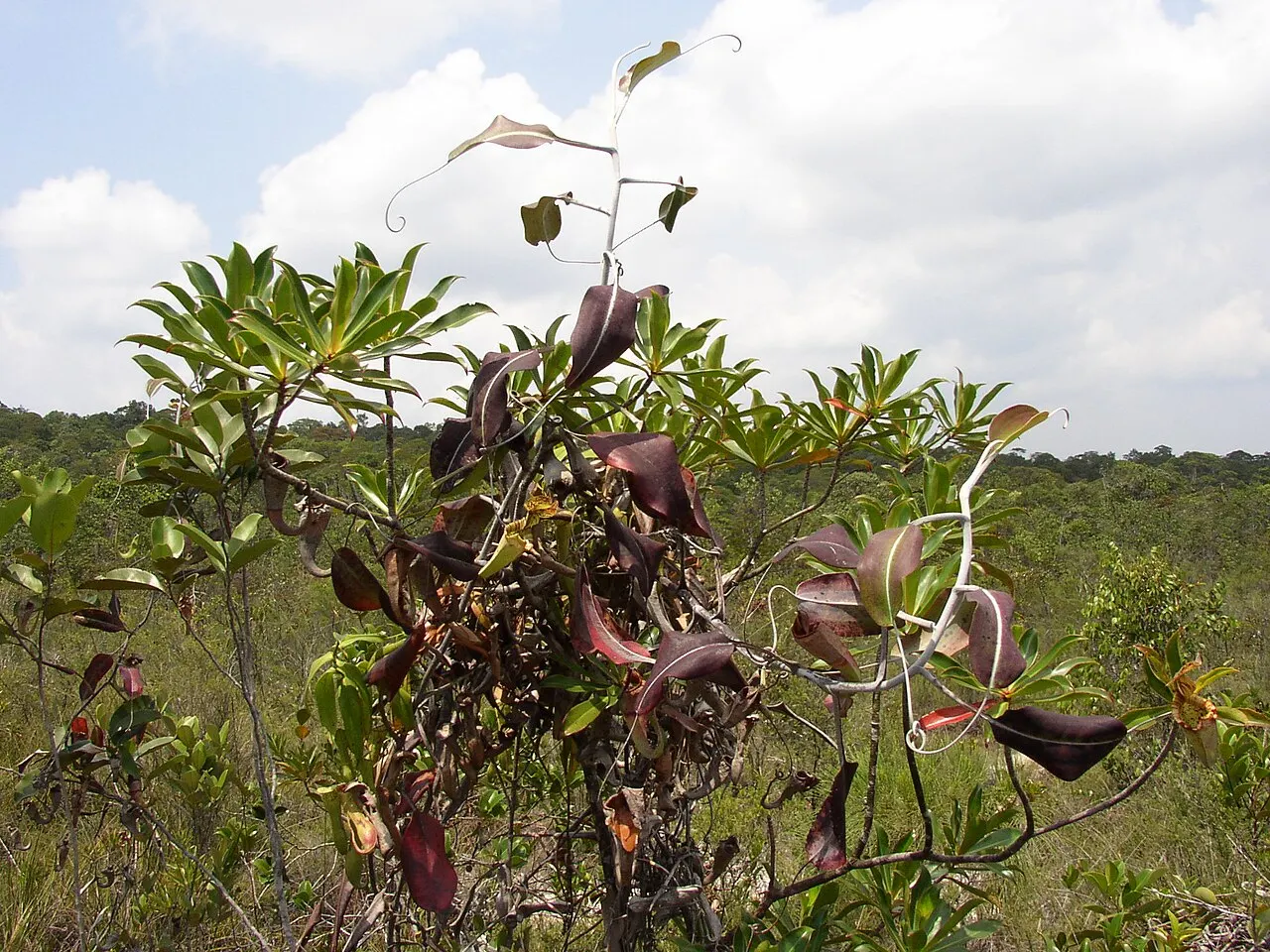
At Tanjung Puting, field observers recorded a nest burrow in almost level ground in kerangas forest, as well as fledged young in the wider survey. Nesting therefore need not occur in a conspicuous vertical riverbank. Low branches above shaded water are sensible places to watch during daylight. A hidden nest entrance should remain undisturbed, and blue juveniles require particular care in identification.