Start with one main experience
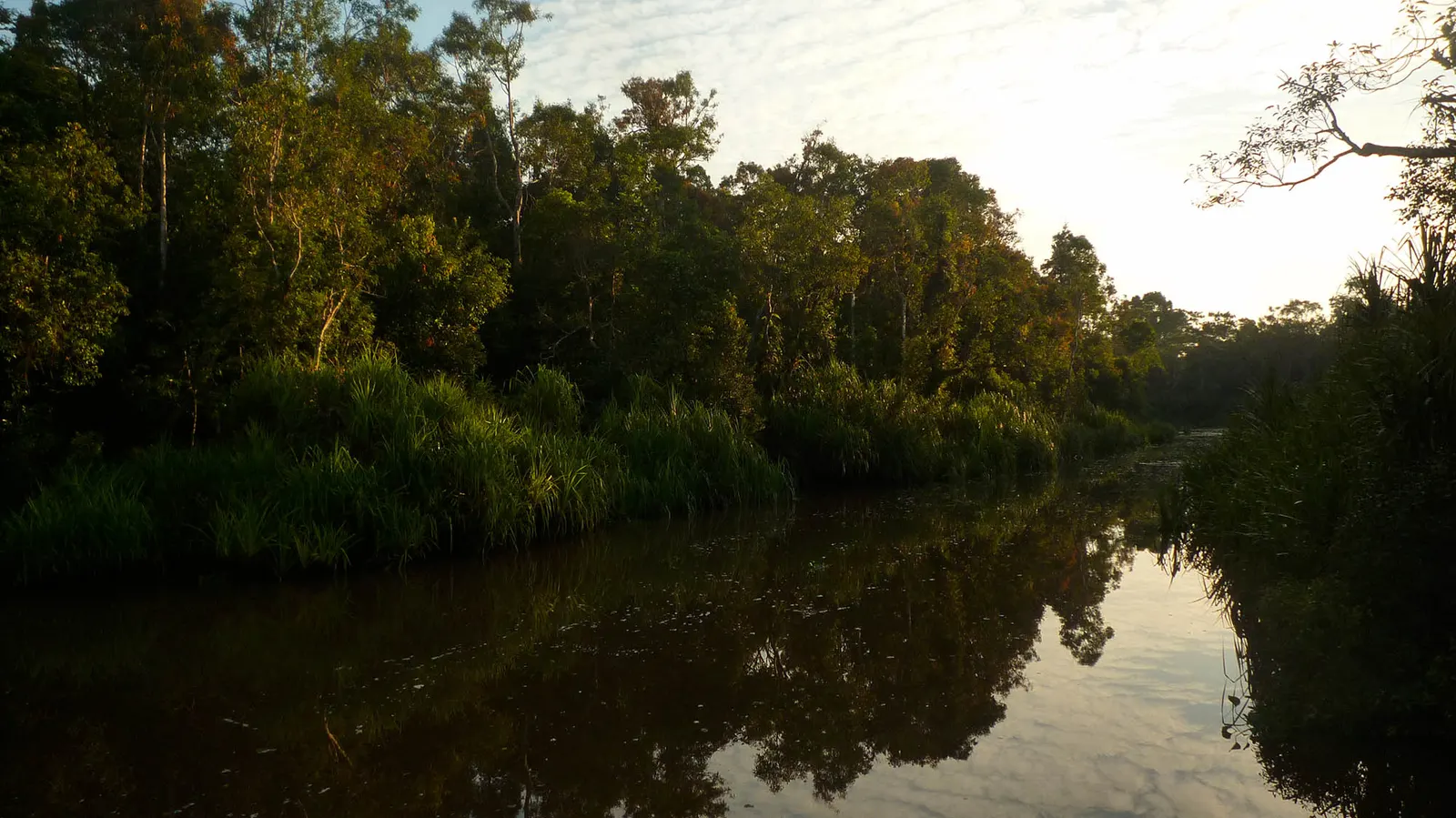
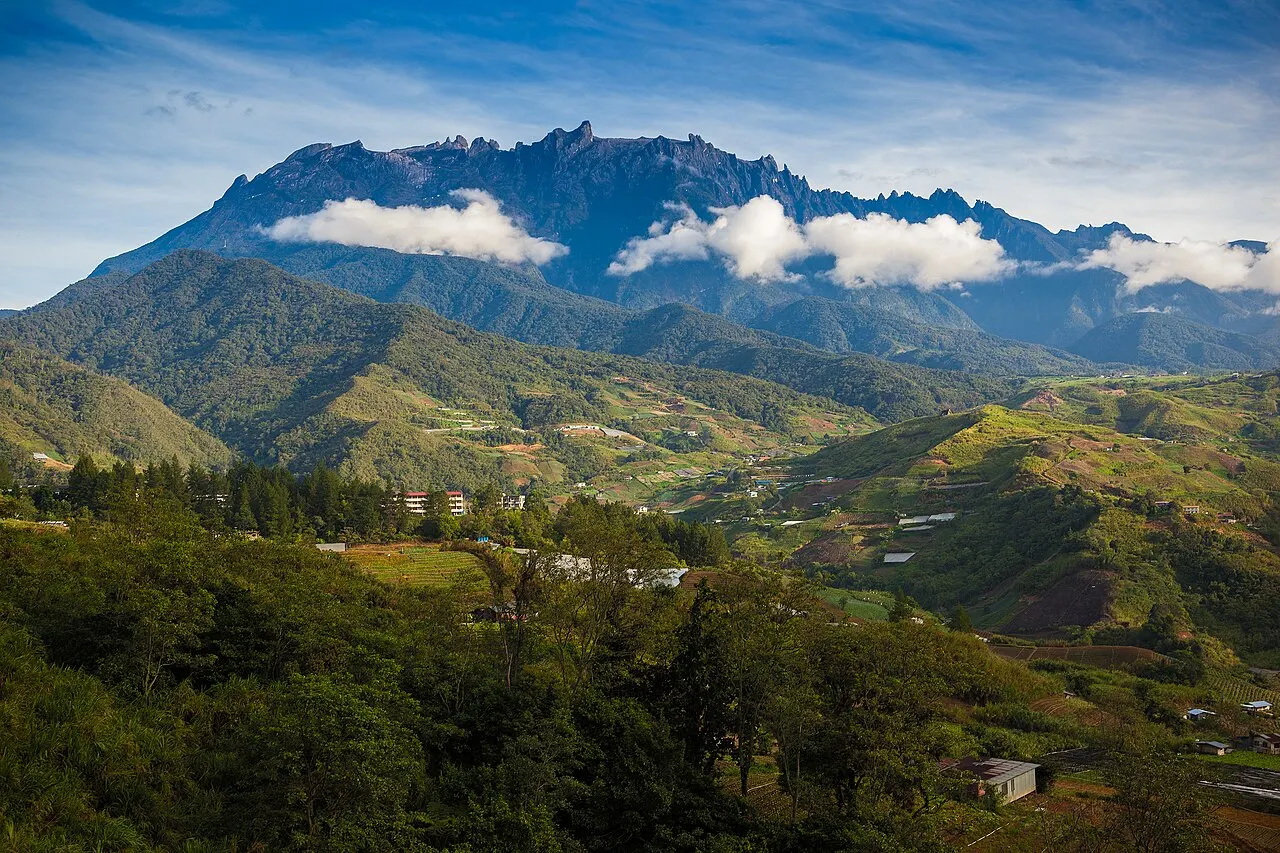
Borneo rewards a journey with a clear centre of gravity. Choose the experience you would most regret missing: a rainforest stay, river wildlife, a hosted community visit, mountain scenery or diving. Then select its gateway and the nights it needs. Add nearby places afterwards. This works better than booking the cheapest arrival airport and trying to connect attractions scattered across the island. A city can be an enjoyable first stop as well as a place to recover, obtain cash and meet a guide.
The island is shared by Indonesia, Malaysia and Brunei. Kalimantan is Indonesian Borneo; Sabah and Sarawak are Malaysian states. Brunei Darussalam has its own entry requirements and currency. These are useful planning boundaries, not interchangeable names for the same destination.
Choose between regions
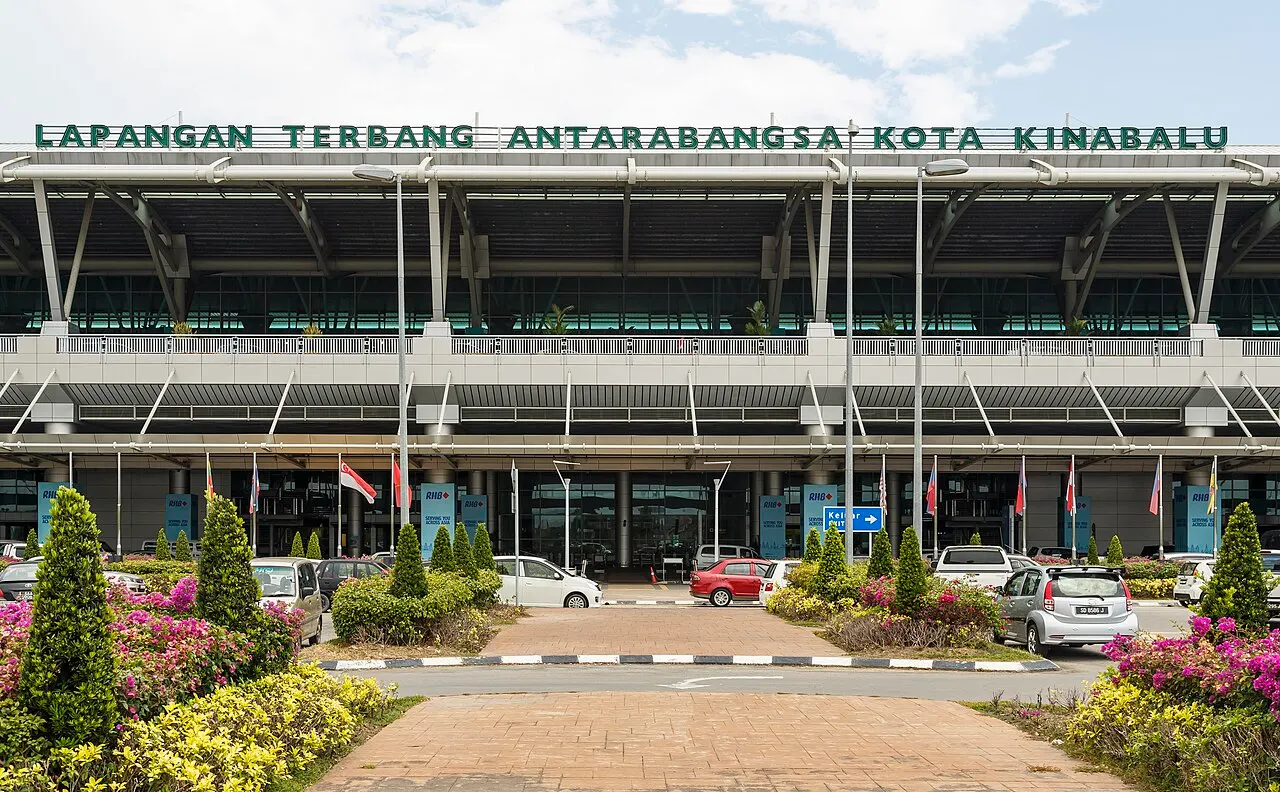
Sabah suits a trip combining established wildlife experiences, highlands and coastal stays, but its west and east coasts are separate travel legs. Kota Kinabalu is useful for the west; Sandakan for Sepilok and the Lower Kinabatangan; Semporna for marine trips reached through Tawau. Choose two of these areas before attempting all three.
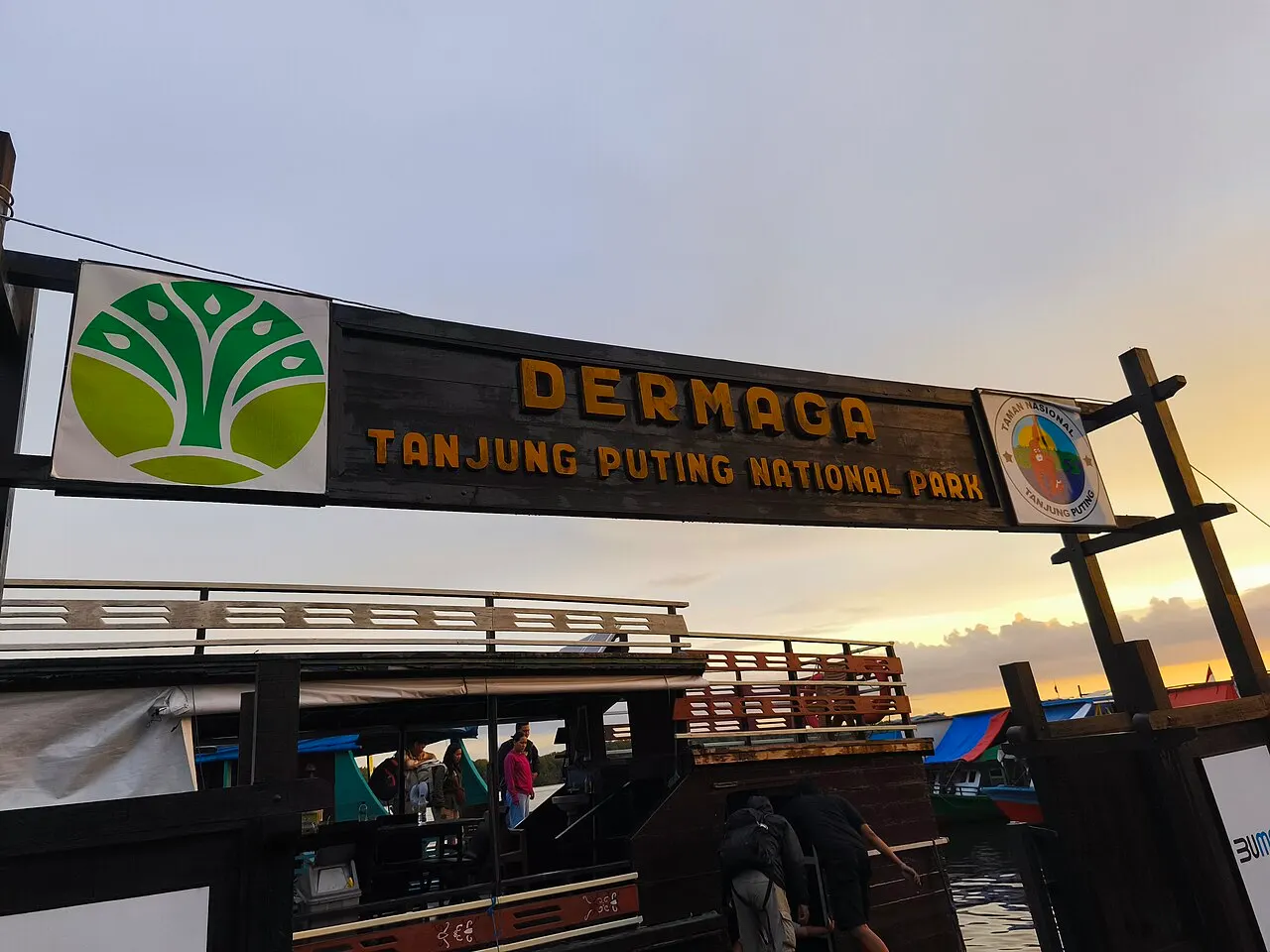
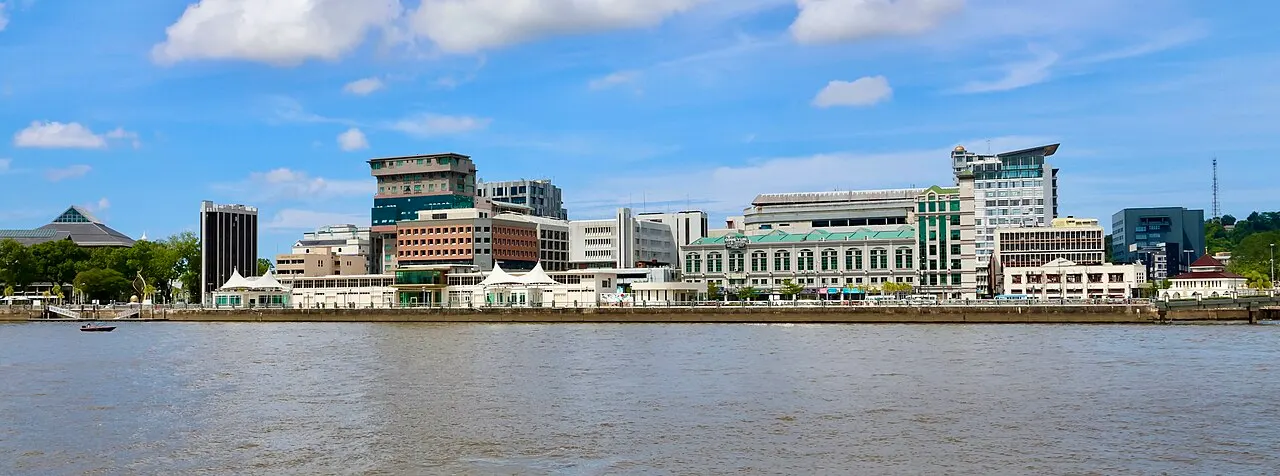
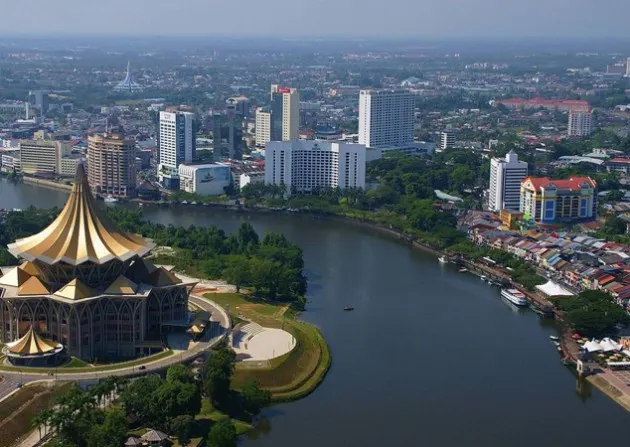
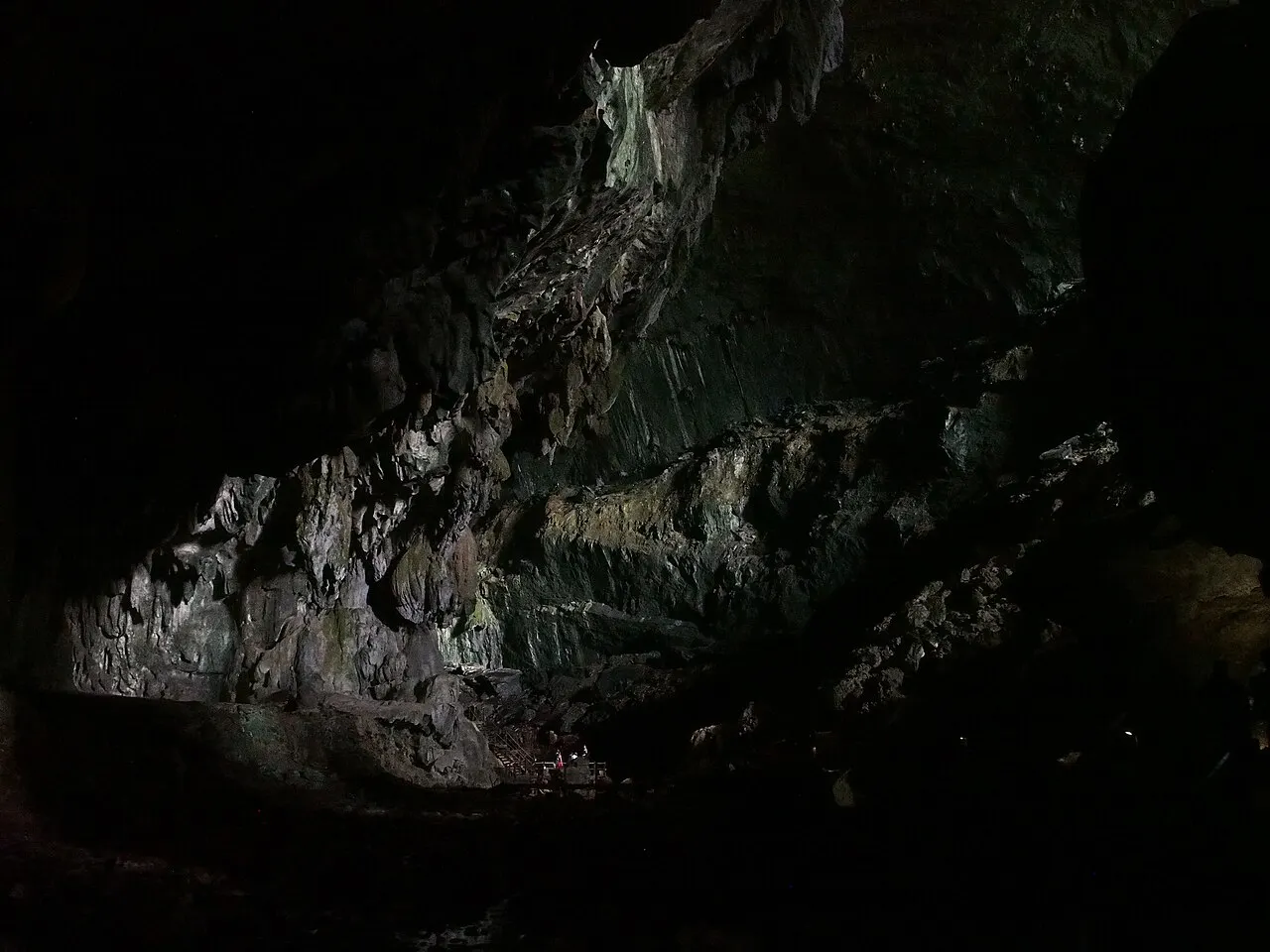
Sarawak can combine Kuching, museums and nearby nature with a second base around Miri. Mulu requires its own access and overnight planning. Community visits need a host and agreement, rather than an unannounced stop. Kalimantan offers different river basins and provinces: Tanjung Puting through Pangkalan Bun is a different journey from Palangka Raya or the Mahakam. Brunei makes a compact city-and-forest combination through Bandar Seri Begawan and Temburong. None of these regions is limited to one type of experience.
How much time to allow
Use these as planning recommendations, counted from arrival in Borneo rather than departure from home. Three to five days suit one base and a carefully chosen excursion. One week gives room for a compact regional journey with two bases. Two weeks can support several destinations within one country or region, provided transfer days remain visible. Three weeks make a wider combination more comfortable. Four weeks or more can accommodate several parts of the island, though remote journeys may absorb much of that time.
Count nights before filling days. Fourteen calendar days usually contain thirteen nights, and the first and last days may be mostly travel. Keep a final night near your departure gateway after a remote stay. For concrete examples, use the route-planning guide.
Book the difficult connection first
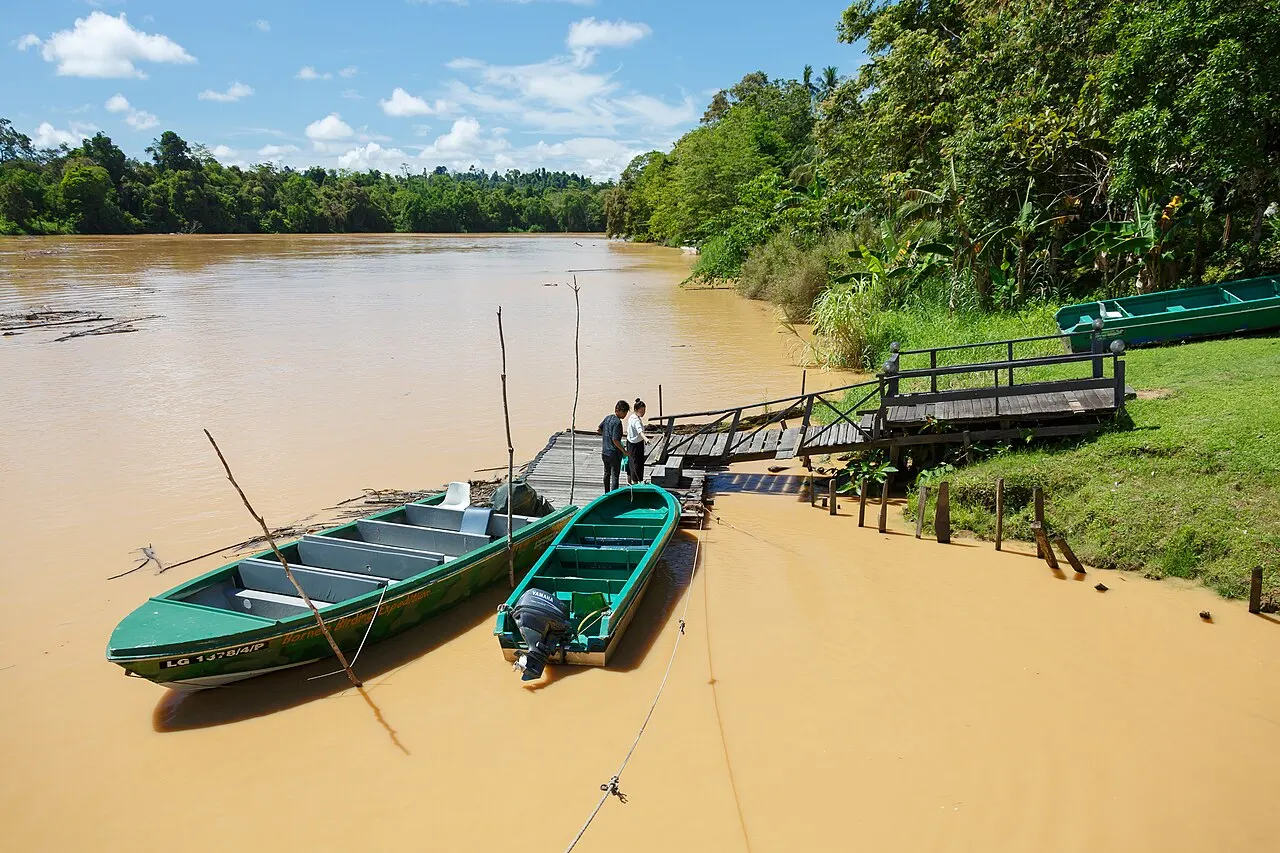
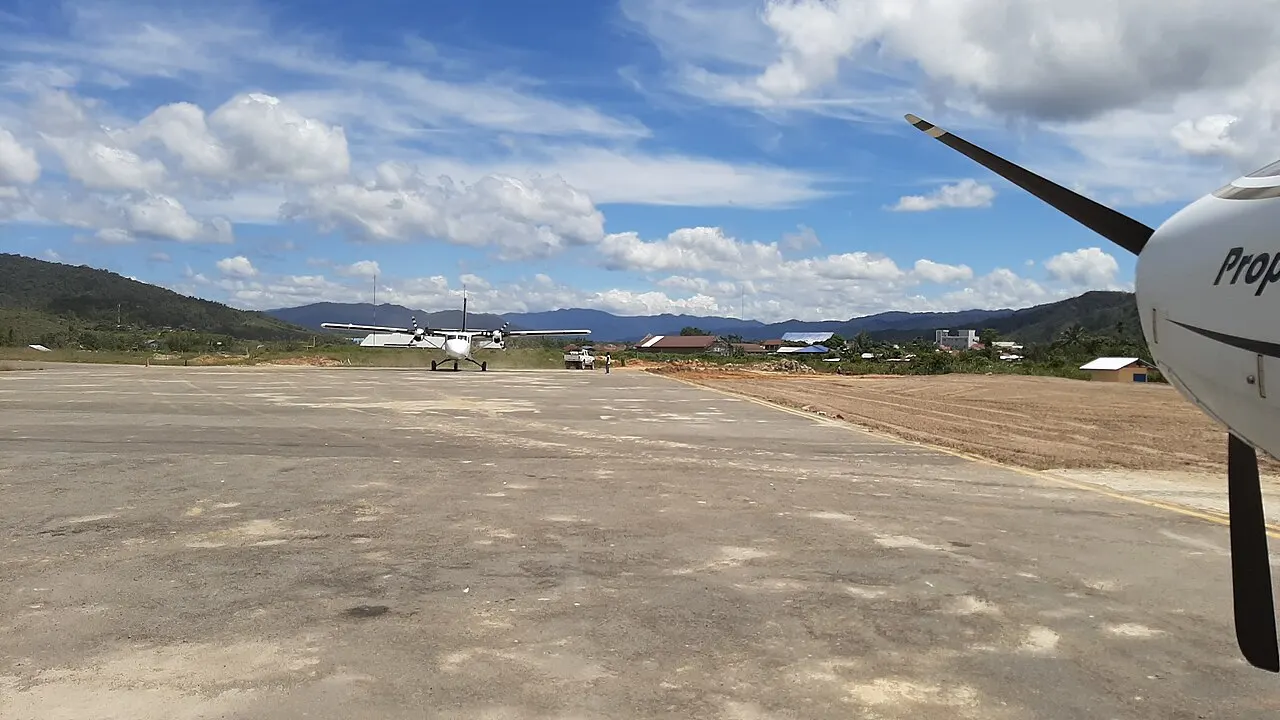
A remote lodge, guided park visit or small-aircraft connection may determine the whole sequence. Agree dates for that component, then fit city hotels around it. Compare transport options before joining two regions: a short line on a map may require a flight connection, separate boat transfer or border crossing. Build a spare night around a weather-sensitive connection instead of attaching it directly to your international flight.
Ask each host what the booking includes: pickup point, guiding, meals, park arrangements and return transfer. Decide who is responsible when an inbound service is late. Keep confirmations offline. Choosing accommodation helps distinguish a convenient city base from a remote stay that needs transport organised as part of the visit. Existing activity pages supply the detail without turning your planning document into a second city guide.