Recognition
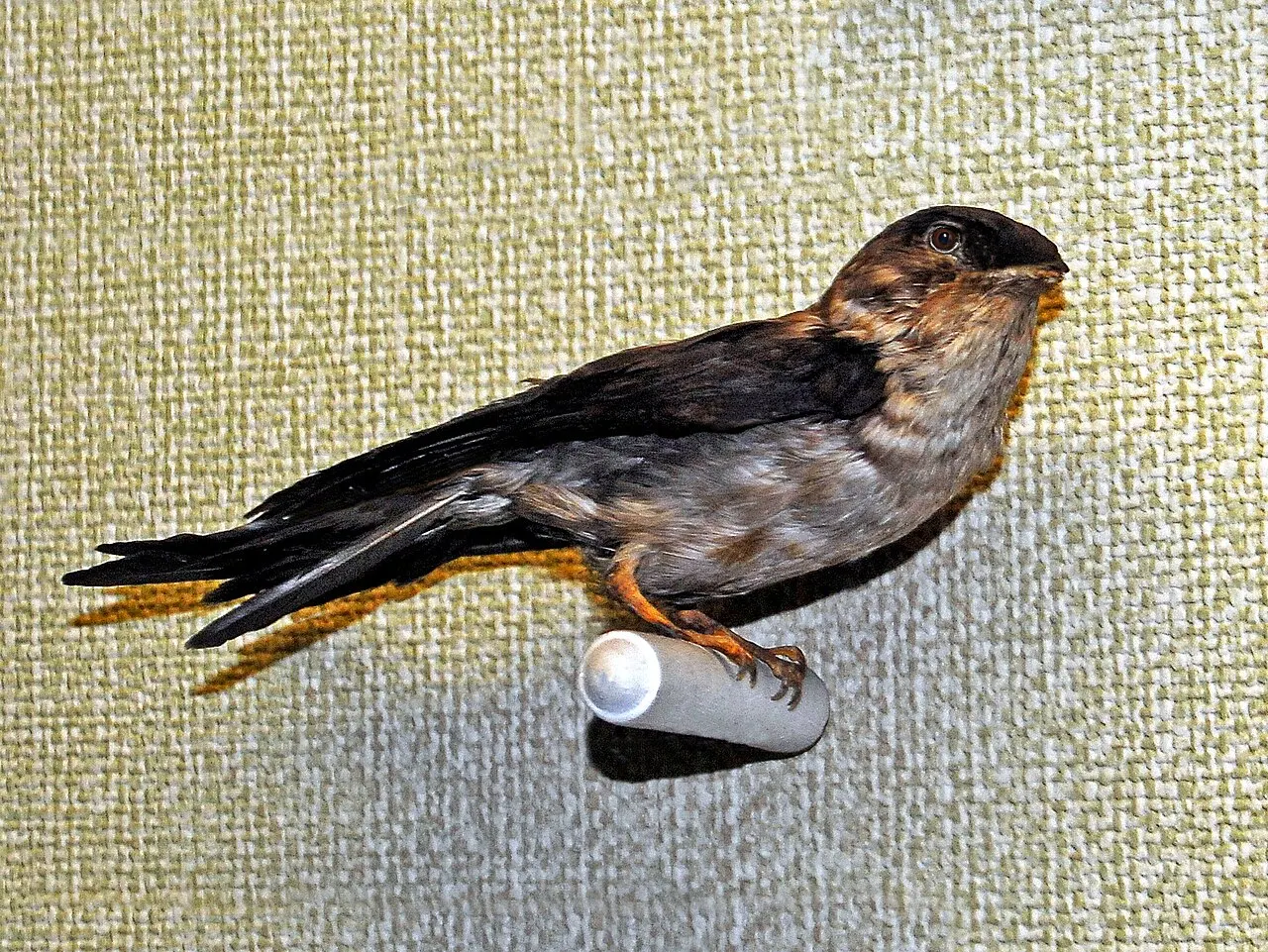
The white nest is formed principally from hardened saliva. Dark birds in flight are easily confused with other swiftlets; a cave photograph or an undifferentiated colony is not a reliable species portrait.
Sources & references · 1
Raffles Bulletin of Zoology / Goh et al. / National University of Singapore · Genetic diversity among white-nest swiftlets of the genus Aerodramus of house-farms in MalaysiaDaily life
Swiftlets catch airborne arthropods, and Gomantong dietary samples explicitly include this species. Echolocation helps cave-nesting swiftlets avoid obstacles in darkness; it should not be confused with bat-like prey detection.
Sources & references · 2
Notornis 68(1) / Birds New Zealand · Arthropods in the diets of swiftlets in SabahJournal of Avian Biology / Price, Johnson and Clayton; University of Utah repository · The evolution of echolocation in swiftletsRange and local records
A molecular study lists Gomantong vouchers identified as A. fuciphagus vestitus. This directly supports the Sabah locality under the species concept used here, without treating all Bornean nest caves as interchangeable records.
Sources & references · 2
Journal of Avian Biology / Price, Johnson and Clayton; University of Utah repository · The evolution of echolocation in swiftletsIOC World Bird List · IOC species updates: Germain’s Swiftlet lumped with Edible-nest SwiftletForest and water
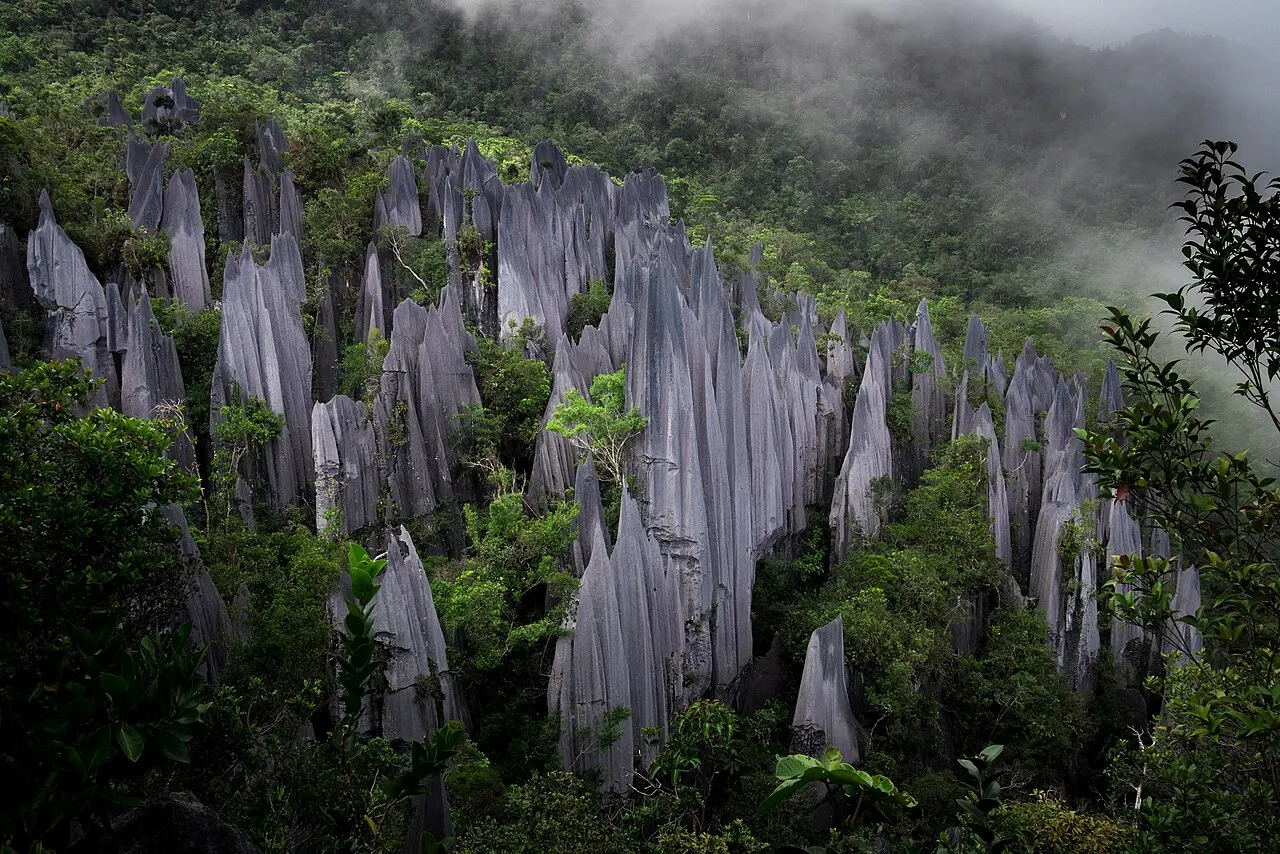
Natural colonies depend on suitable cave nesting surfaces, while food is obtained outside. Cave ecosystems and limestone karst provide the relevant local context; managed house colonies are a different setting from wild Gomantong birds.
Sources & references · 2
Journal of Avian Biology / Price, Johnson and Clayton; University of Utah repository · The evolution of echolocation in swiftletsRaffles Bulletin of Zoology / Goh et al. / National University of Singapore · Genetic diversity among white-nest swiftlets of the genus Aerodramus of house-farms in MalaysiaConservation outlook
Uncontrolled harvesting threatens wild colonies. Successful breeding depends on retaining occupied nests and suitable colony conditions. Expanding managed house colonies does not by itself demonstrate that natural cave populations are secure or recovering.
Sources & references · 2
Oryx / study authors · Protection of the white-nest swiftlet in the Andaman Islands, India: an assessmentRaffles Bulletin of Zoology / Goh et al. / National University of Singapore · Genetic diversity among white-nest swiftlets of the genus Aerodramus of house-farms in MalaysiaAerial food gathered into a bundle
A historical Penang study examined regurgitated foodballs rather than guessing diet from birds in flight. Flying ants and mayflies contributed much of the food mass; tiny fig wasps were numerous. This demonstrates aerial insect feeding, while the prey proportions belong to that colony and period, not every Bornean forest.