Appearance & recognition
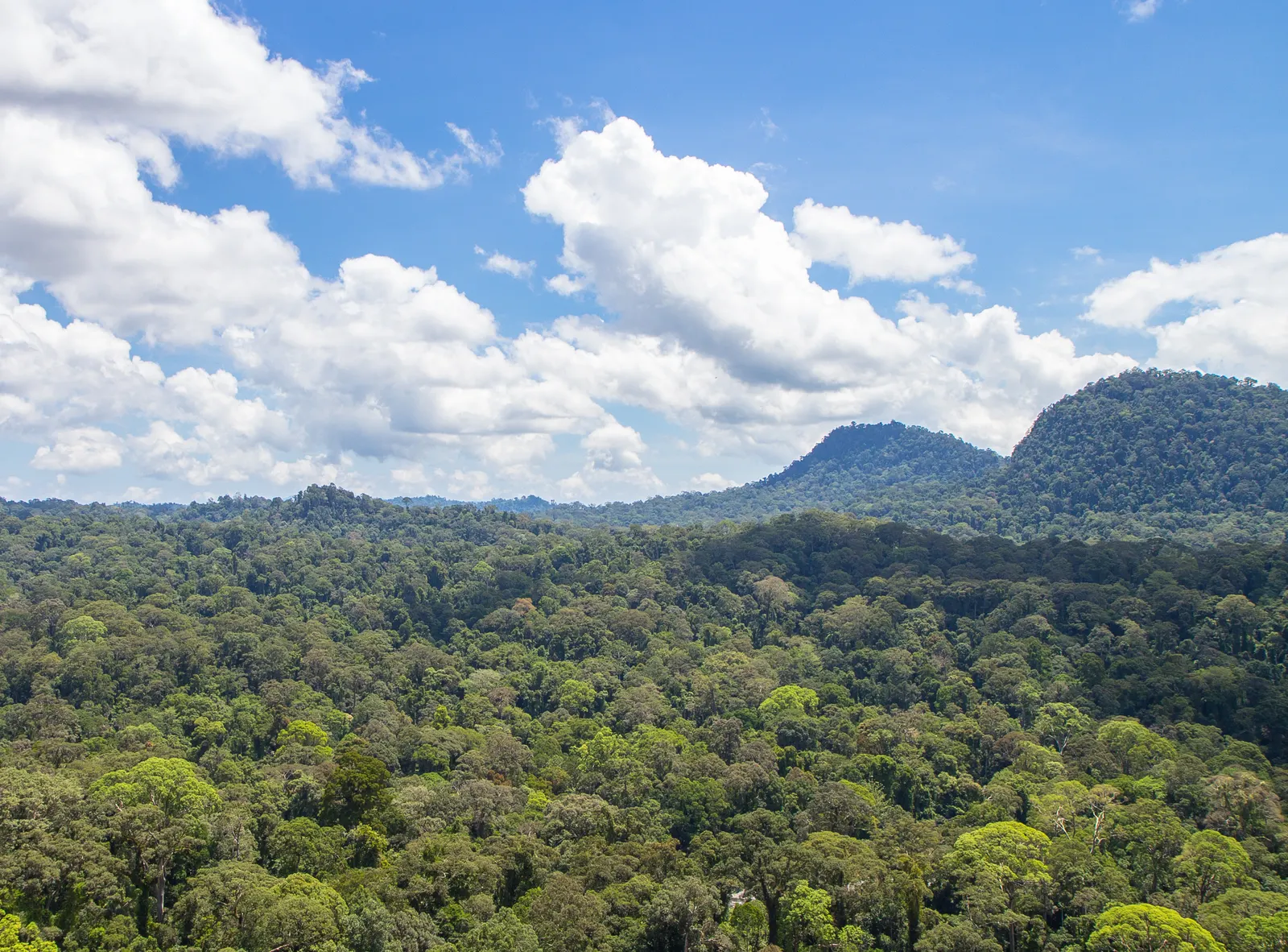
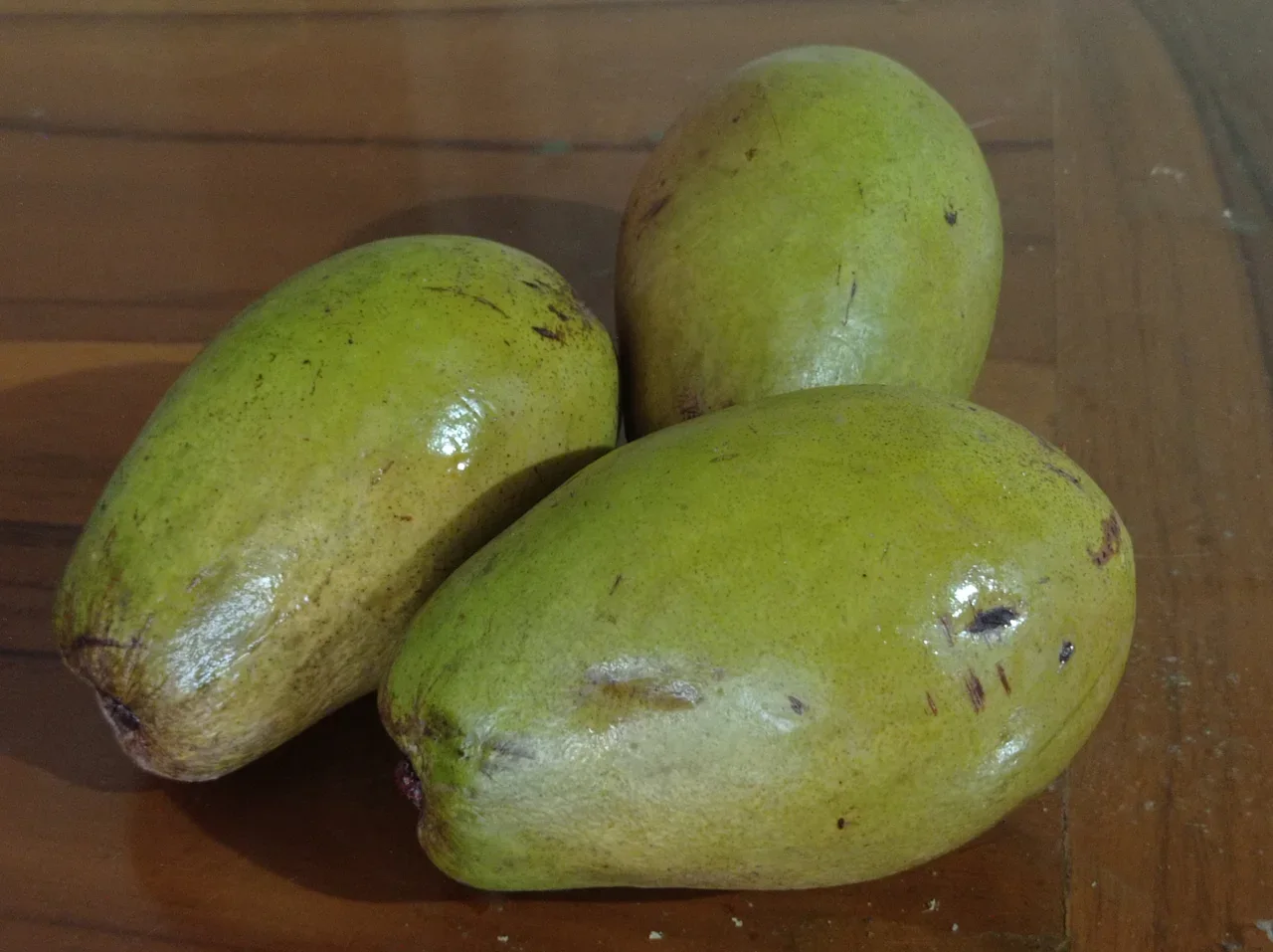
Binjai is a large mango relative native to Borneo, Sumatra and the Malay Peninsula. Thick leathery leaves accompany lilac flower clusters. The pear-shaped fruit ripens pale to yellow-brown around a single stone. In lowland forest it can reach about 45 metres, placing it among substantial canopy trees rather than small garden shrubs.
Sources & references · 1
National Parks Board Singapore · Mangifera caesia — Flora & Fauna WebEdible parts, flavour & texture
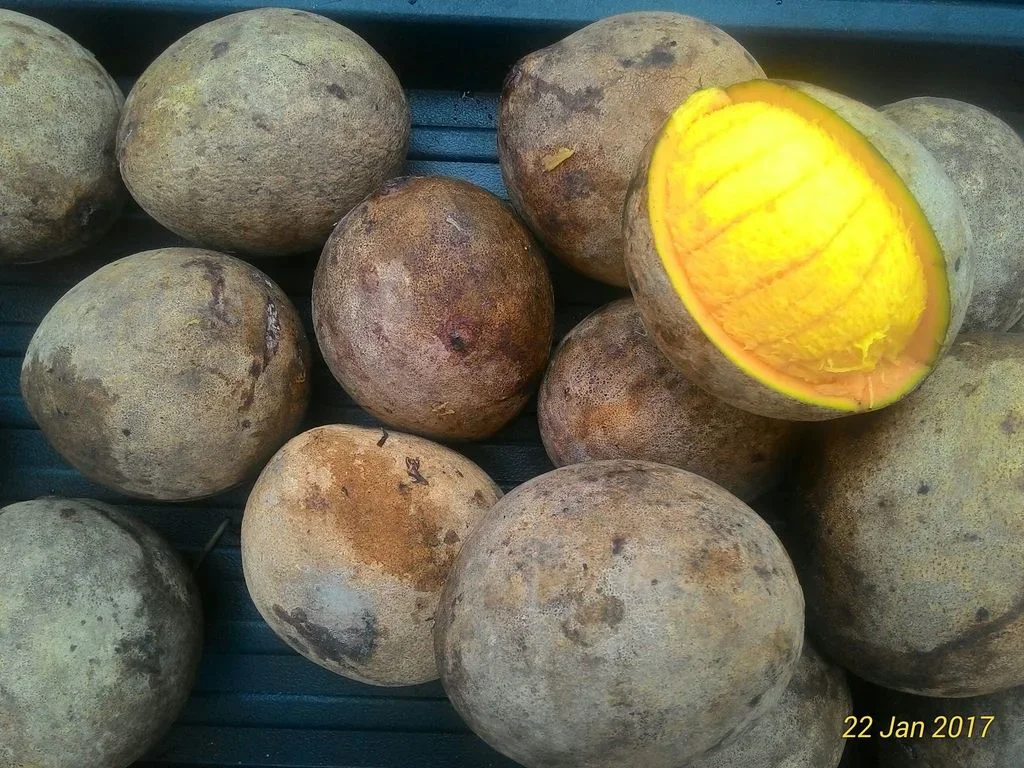
The fruit is eaten fresh or used for sourness in sauces and mixtures such as sambal. Its forest habitats include swampy ground and riverbanks. Bambangan belongs to the same genus but has a different rough brown fruit; binjai should not inherit bambangan’s food relationships simply because both are Mangifera. The edible flesh, stone and skin also remain distinct plant parts.
Sources & references · 1
National Parks Board Singapore · Mangifera caesia — Flora & Fauna WebEcological relationships
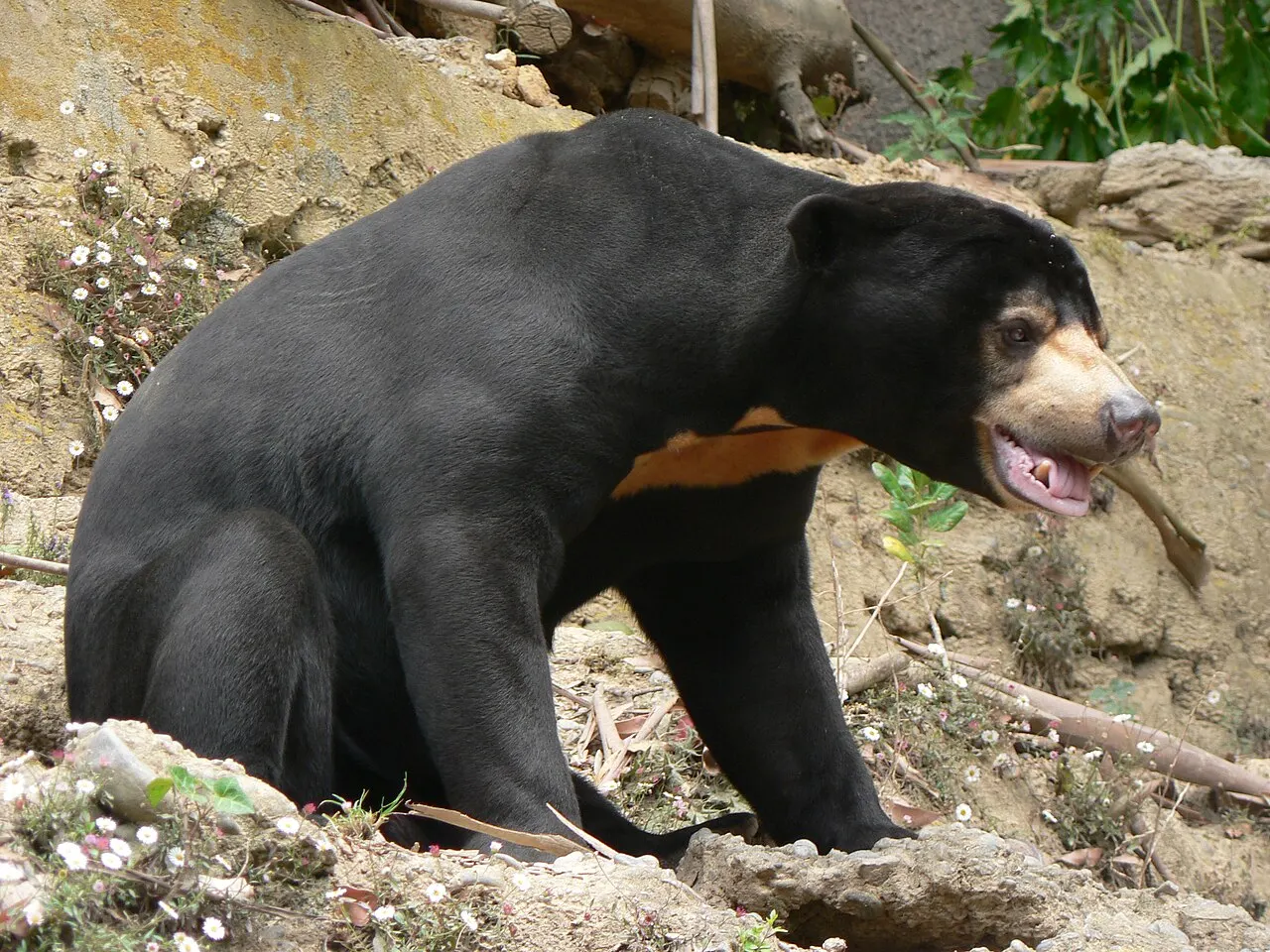
Wildlife also uses binjai: researchers at Sungai Wain directly observed sun bears eating its fruit.