Appearance & recognition
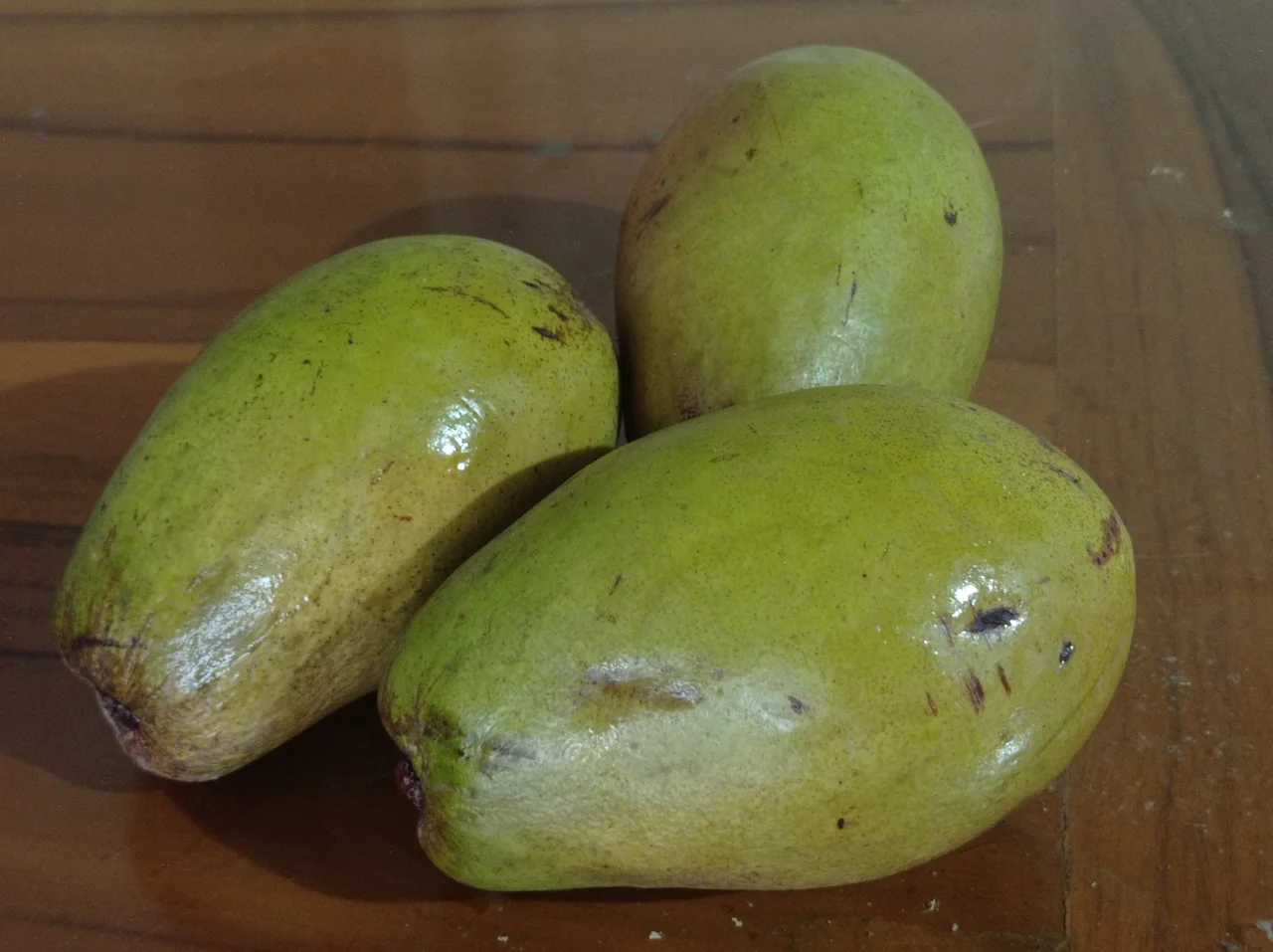
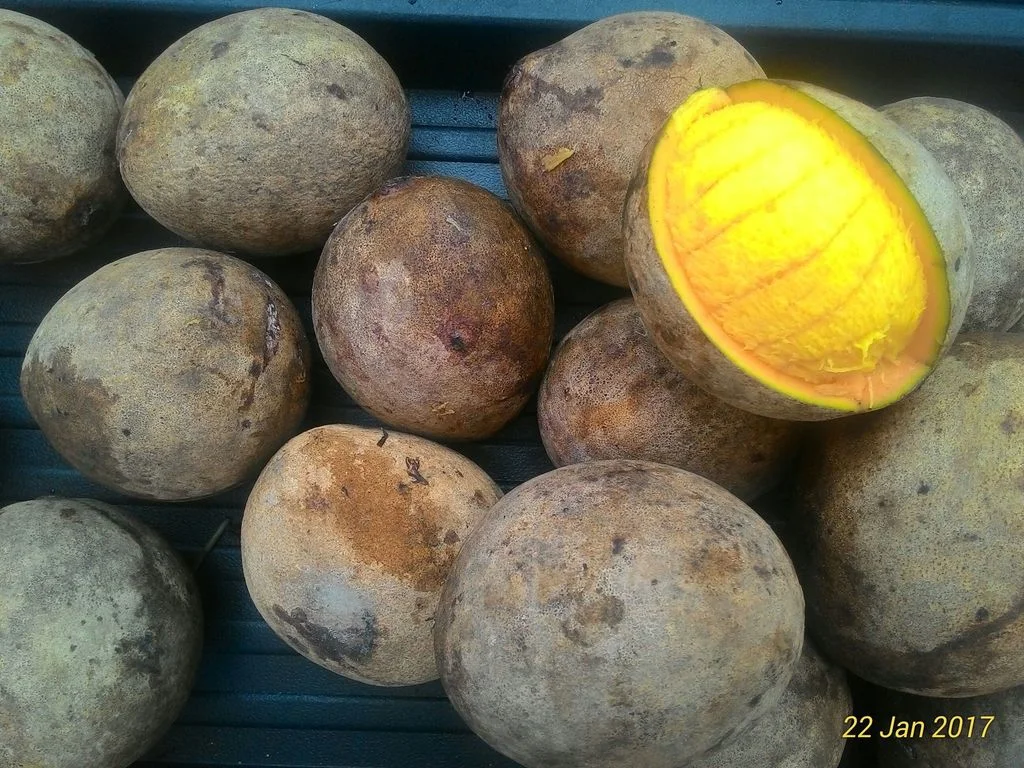
Its large leathery leaves and rounded brown fruits help distinguish this tall forest tree. A common name alone is insufficient: Mangifera includes other similar-looking mangoes, and photographs do not establish safe identification for harvesting.
Sources & references · 1
NParks · Mangifera pajangIn Borneo’s kitchens
The yellow flesh of Bambangan tree is the ingredient behind Bambangan. Sabah’s meals use the fruit in several forms, so fresh flesh, preserved preparations and sambal should not be treated as a single fixed recipe.
Sources & references · 1
Sabah Tourism Board · Gastronomical Adventure with Sabah’s Traditional FoodFlowers, fruits & reproduction
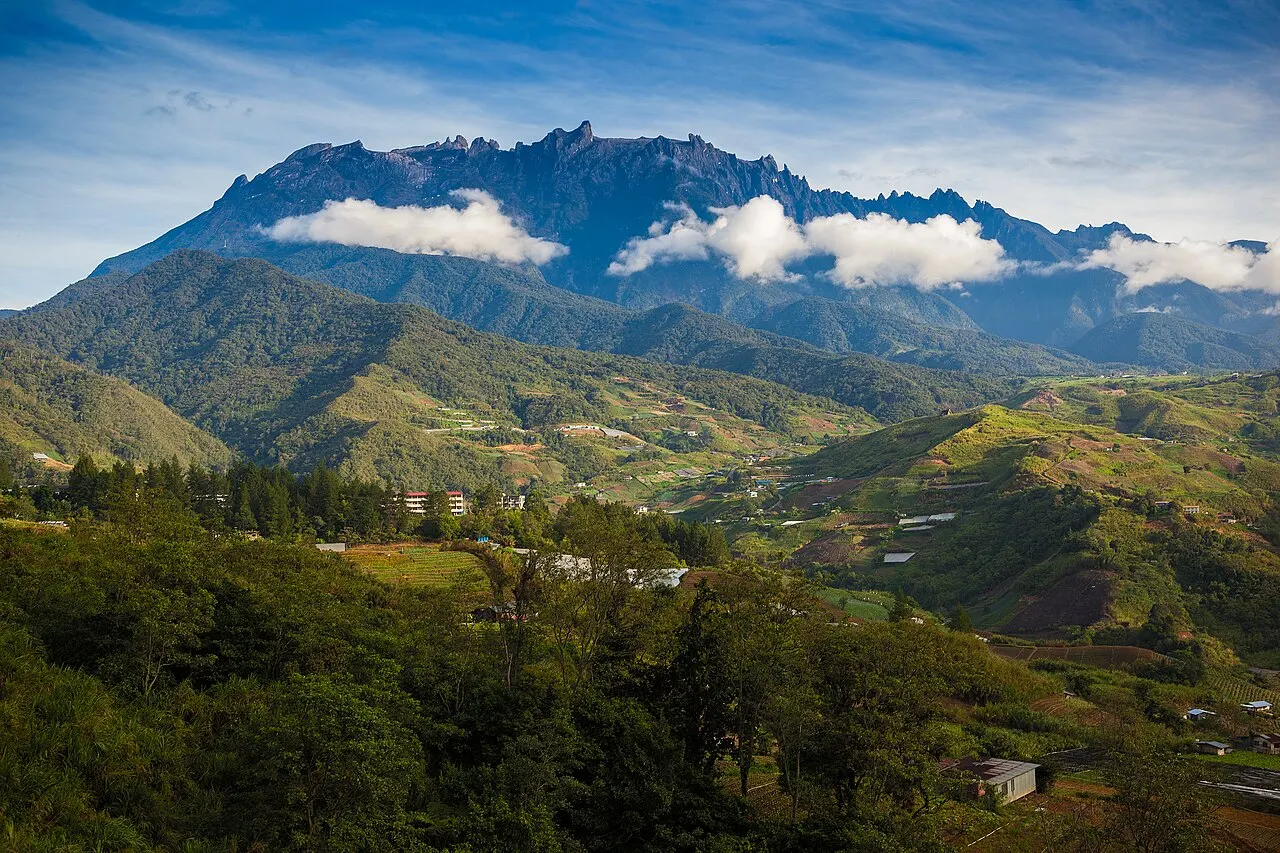
Mangifera pajang can reach about 33 metres. Its large, leathery leaves accompany upright branching flower clusters; the small flowers have purple inner petal surfaces. Round fruits develop rough brown skins around aromatic yellow flesh. These characters distinguish bambangan from the smoother-skinned orchard mango, and from related species such as Mangifera foetida. Its native range is Borneo, where forest trees and cultivated fruit trees form part of the same wider landscape.
Sources & references · 1
NParks · Mangifera pajangEdible parts, flavour & texture
The ripe pulp is aromatic and fibrous, with a sweet-sour character. In Sabah, Bambangan also names a preserved preparation, rather than the tree itself. Kadazandusun food accounts describe the fruit’s place in local meals and preservation practices. Using pulp, peel or seed material involves different preparation traditions; the familiar name does not make every part suitable for casual raw tasting.
Sources & references · 2
NParks · Mangifera pajangJabatan Kebudayaan dan Kesenian Negara · Tonsom/Nonsom Bambangan: cultural mapping and Ranau interviewsEcological relationships
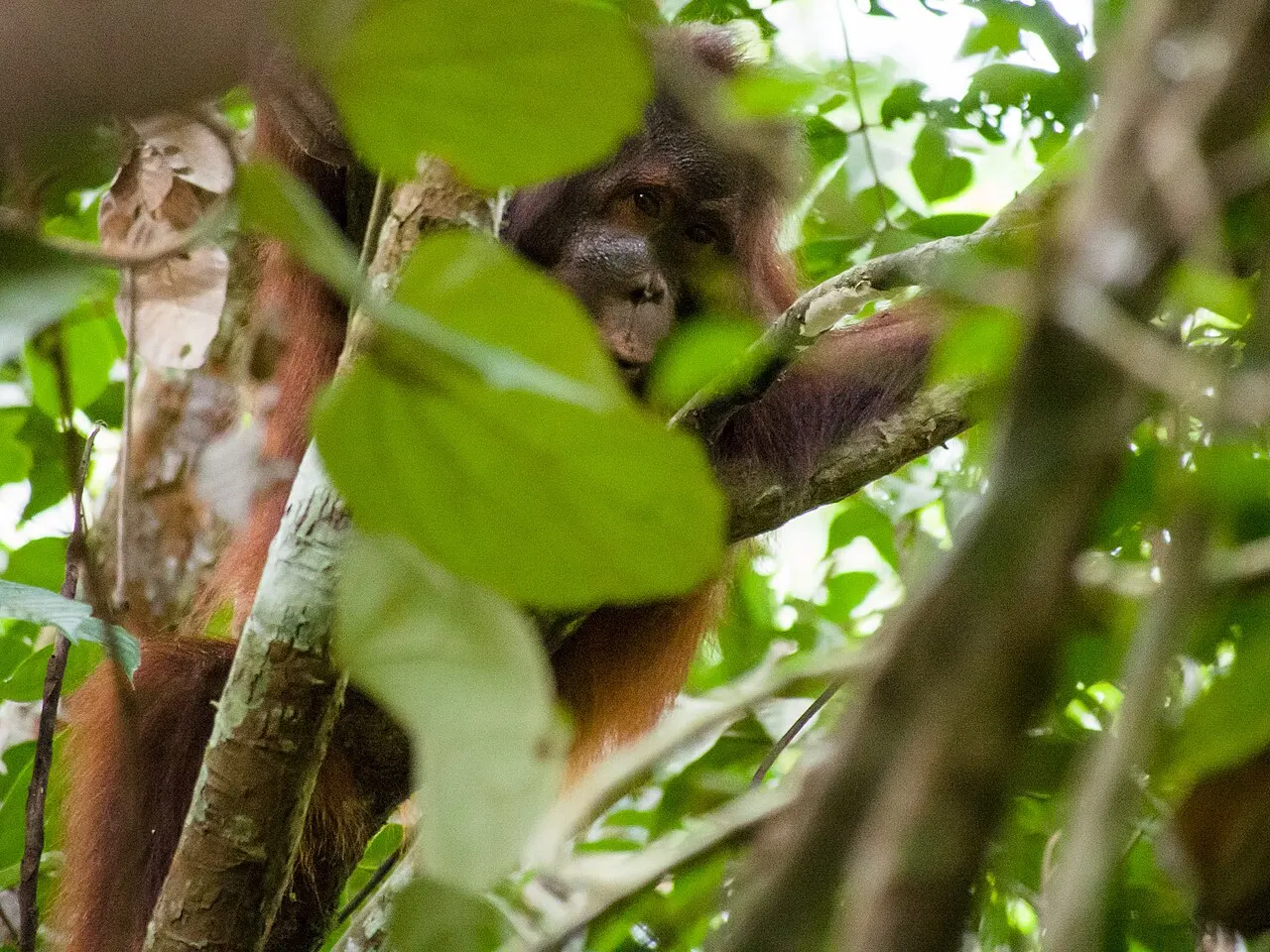
Bambangan is also forest food. In Danum Valley, Bornean orangutans were observed eating Mangifera pajang fruit.