A forest linked to the city
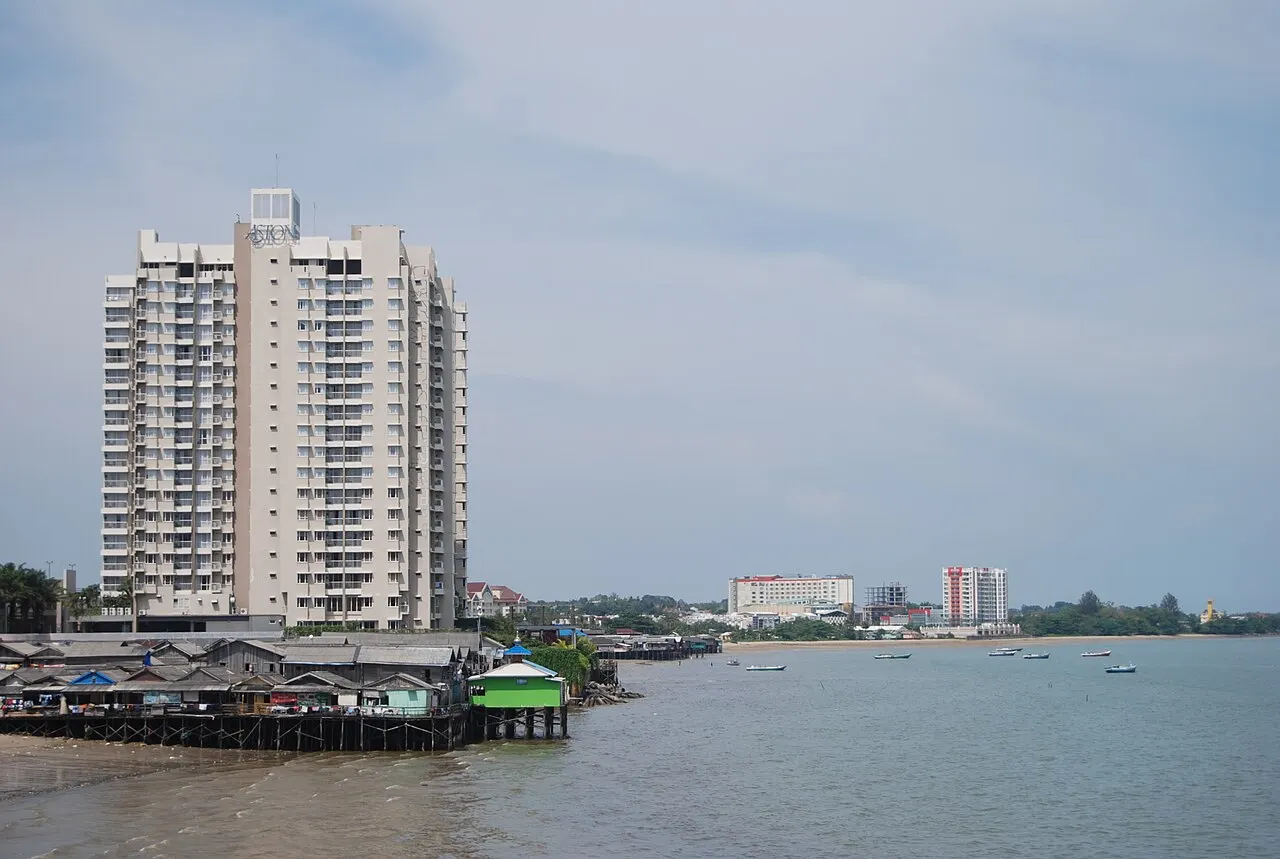
Sungai Wain belongs to the landscape of Balikpapan, rather than to a distant national-park circuit. Protected land in the Karang Joang and Kariangau area holds forest, streams and a catchment whose water has practical importance for the surrounding urban area. Seeing that connection changes the meaning of the forest: its value continues beyond the boundary and beyond a possible day out.
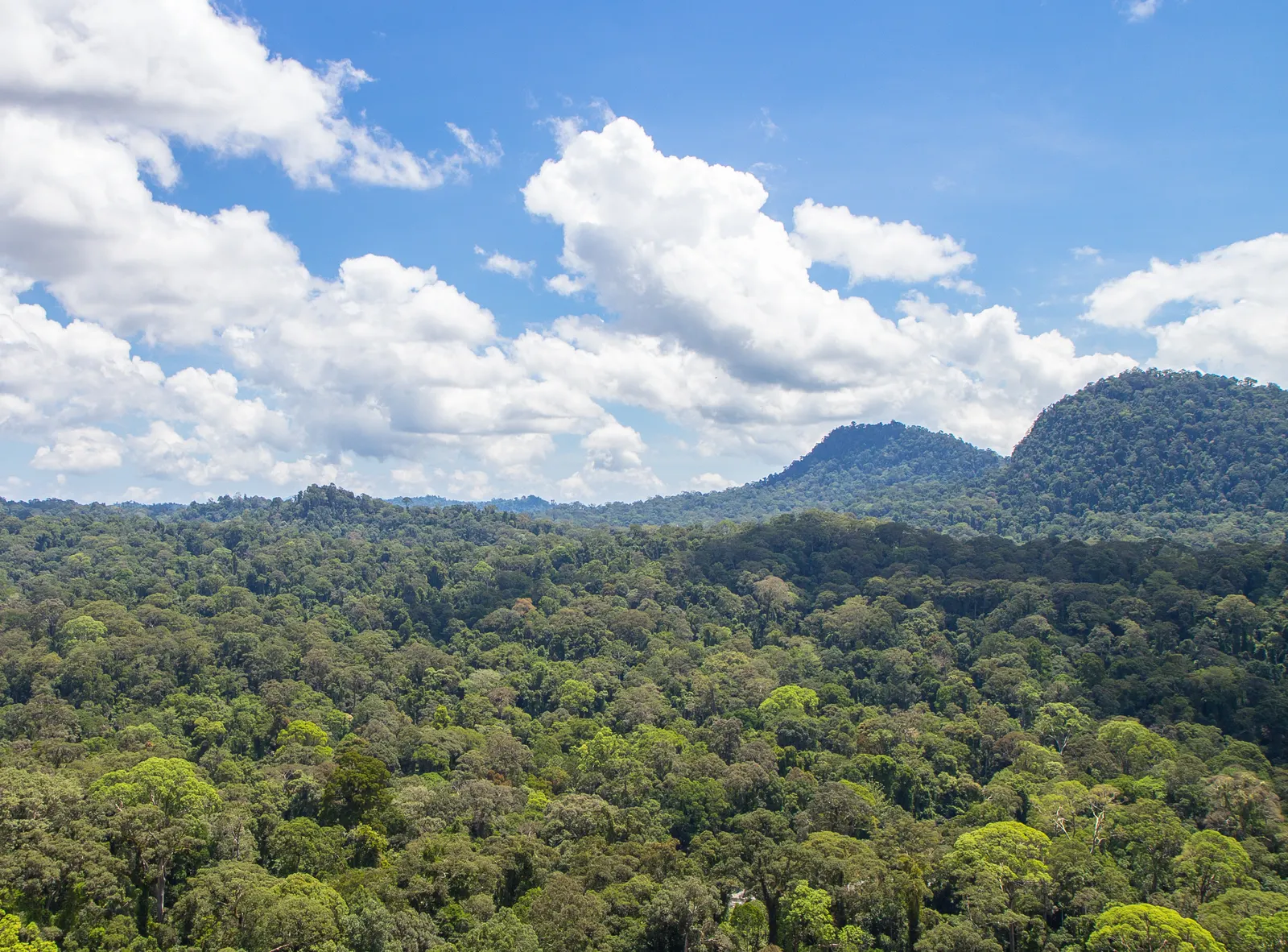
Conservation accounts describe a mixture of surviving primary forest and secondary forest recovering from fire and other disturbance. It should not be presented as one uniform, untouched wilderness. Different parts of the landscape have different histories, and protection involves both the remaining forest and the conditions that allow damaged areas to recover.
Water is part of the conservation story
The Wain catchment and reservoir link forest management with water supply. YKAN’s published assessment explains water regulation, carbon storage and other ecosystem services, alongside the pressures affecting the area. The useful lesson for a traveller is the relationship between land cover and the life of a nearby city, not an old statistic treated as a current water-supply guarantee.
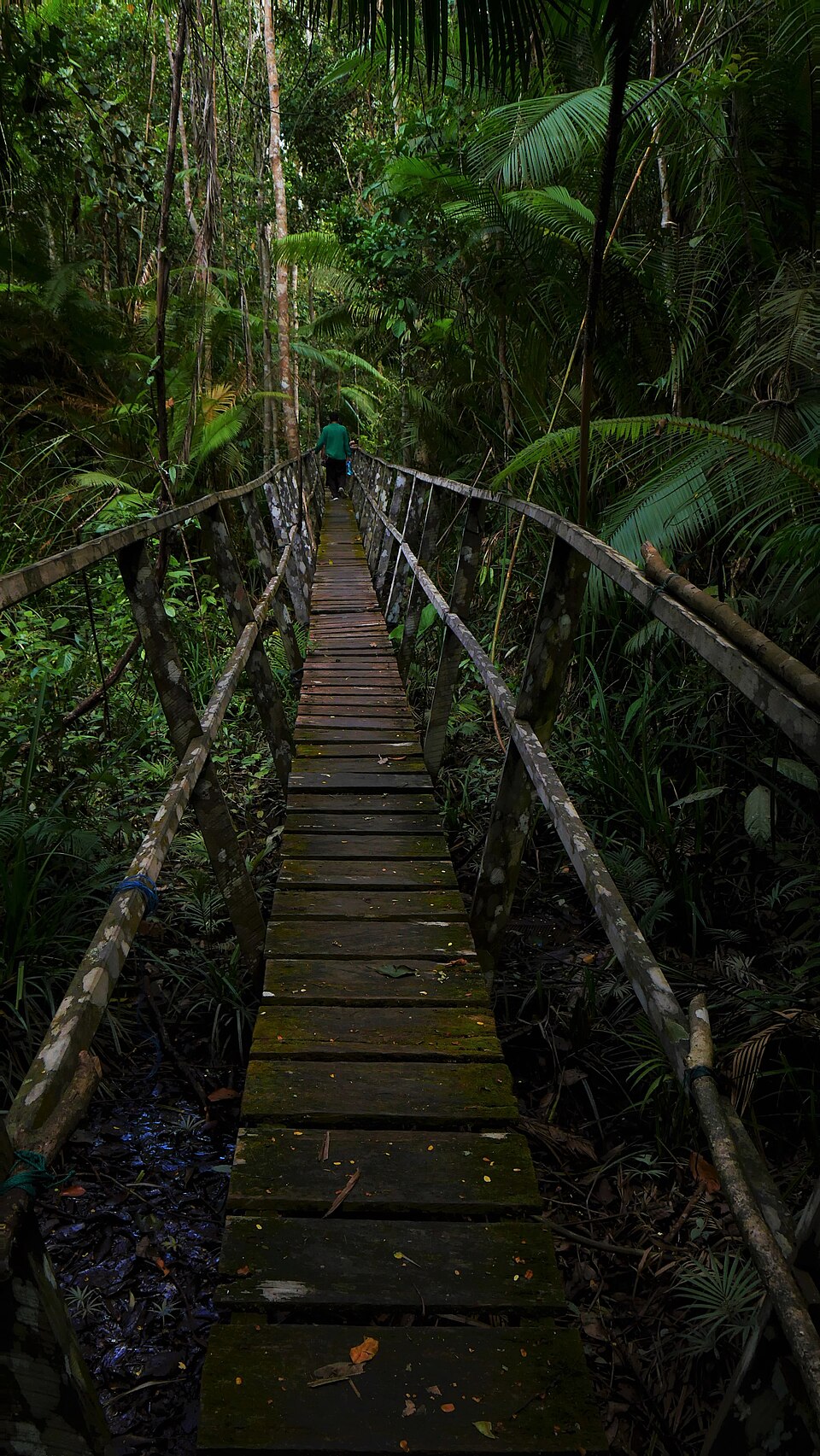
Streams, forest cover and surrounding land use belong to the same system. Paths, reservoirs and research infrastructure therefore have purposes beyond recreation. Do not assume that a visible track or service road is a public walking route, or that access to one edge gives permission to cross the protected area.
Wildlife records need their context
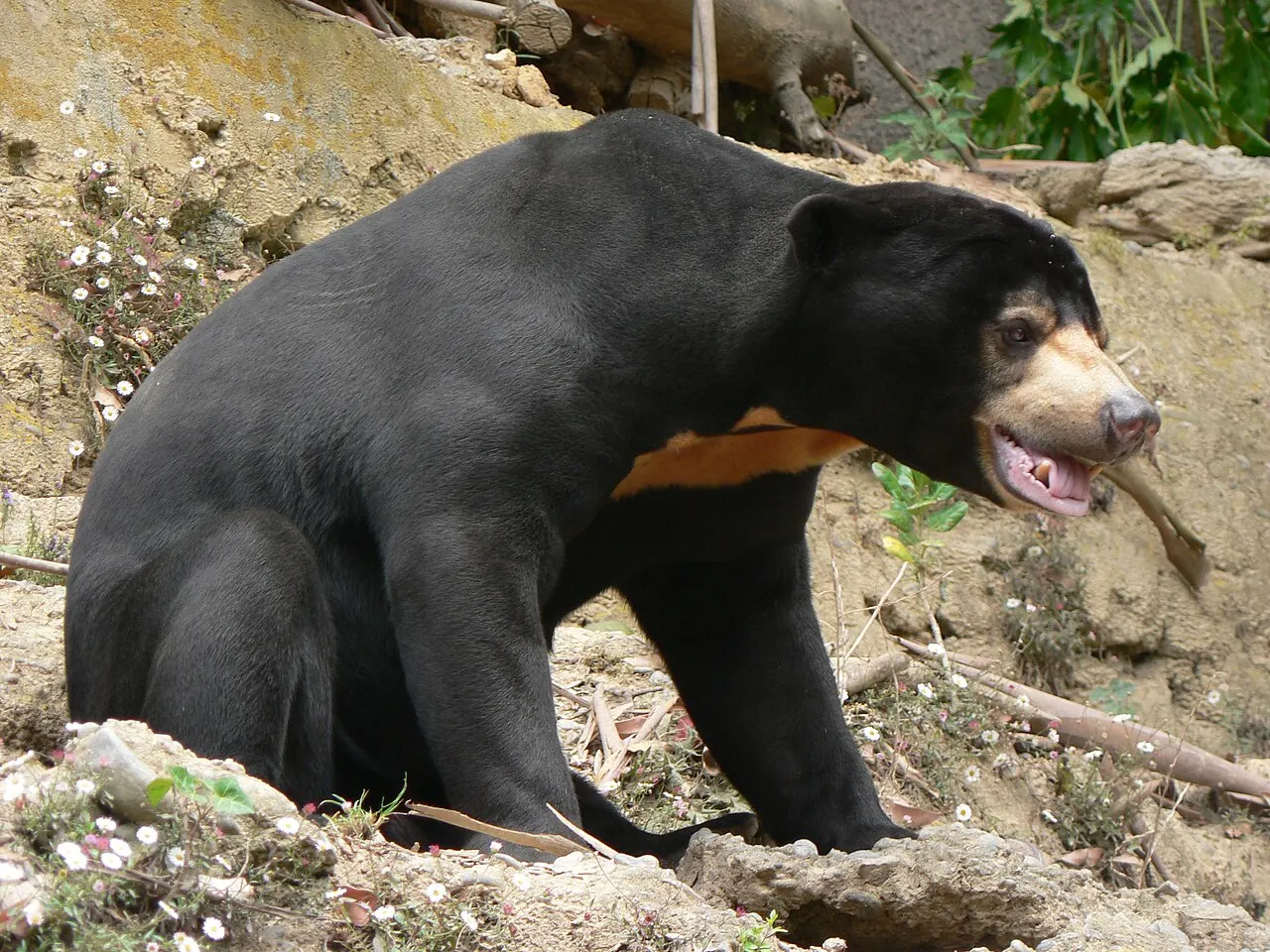
Sungai Wain has a documented history of sun bear research. Its educational material also describes orangutan reintroductions undertaken during the 1990s. These are different conservation stories: a research record or historical release is not evidence of a reliable visitor encounter, and reintroduced animals should not be described as an untouched original population.
The protected lowland forest supports the conditions that wildlife needs, whether or not a visitor sees a large mammal. Treat tracks, forest structure and ecological explanation as worthwhile parts of an approved educational visit. Do not seek feeding points, research camps or sensitive animal locations, and never approach or feed wildlife.
Arrange access before making a travel plan
This page explains a conservation landscape; it does not advertise confirmed walk-in entry or a currently bookable trail. The management’s interpretation describes limited nature tourism that must remain compatible with catchment protection, education and research. Public material reviewed for this guide did not establish a dependable daily visitor programme.
Before setting aside a day, ask the current forest management whether visits are being accepted, which route is approved, whether a guide or written permission is required, and where the meeting point is. Agree duration, transport, equipment and weather cancellation arrangements. Do not travel to a research coordinate or assume that a pin in the middle of the forest marks an entrance.
Keep Balikpapan as the practical base
Balikpapan is the city context for enquiries, accommodation and onward travel. If a visit is confirmed, fit the agreed route around your arrival and departure plans rather than treating every nearby conservation facility as interchangeable. Another organisation’s programme does not grant permission to enter Sungai Wain.
If suitable access cannot be arranged, retain the forest as valuable background to understanding Balikpapan’s environment. No promised sighting or unverified expedition is needed to explain why this protected catchment matters. Keep practical arrangements with the responsible host and avoid converting older conservation publications into current opening hours or legal instructions.