Flowers, fruits & reproduction
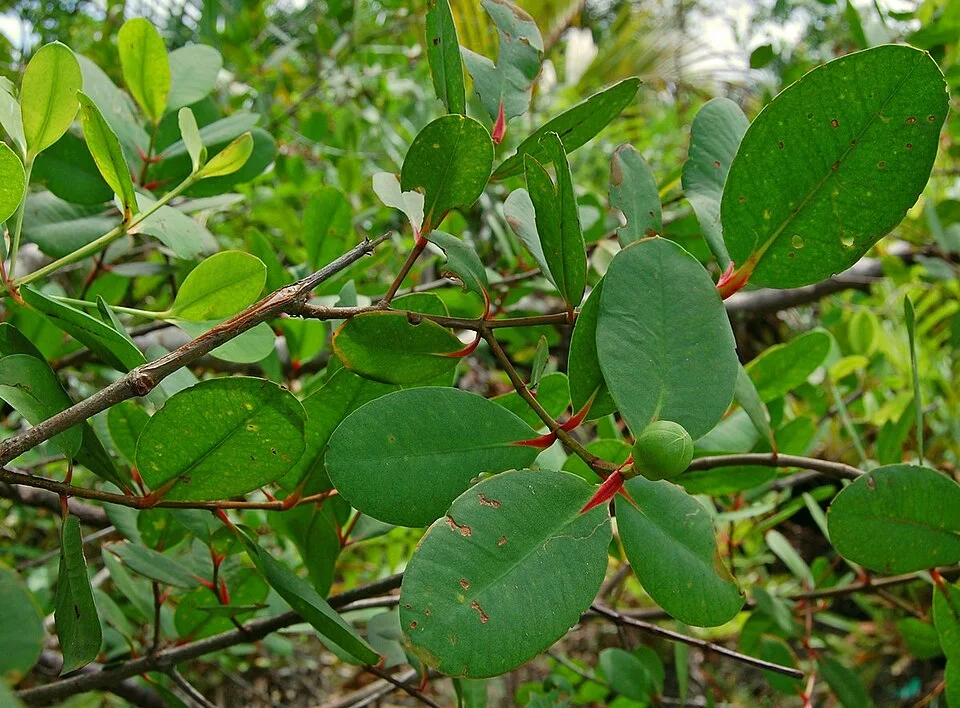
White flowers open at night with numerous conspicuous stamens, attracting nectar-feeding bats. Rounded fleshy fruits retain a calyx beneath them. Thick conical breathing roots emerge from the mud around the trunk. Rounded leaf tips help distinguish this species from some neighbouring mangrove trees, but flowers, roots and habitat should be considered together.
Sources & references · 1
National Parks Board Singapore · Sonneratia alba — Flora & Fauna WebRange & habitat
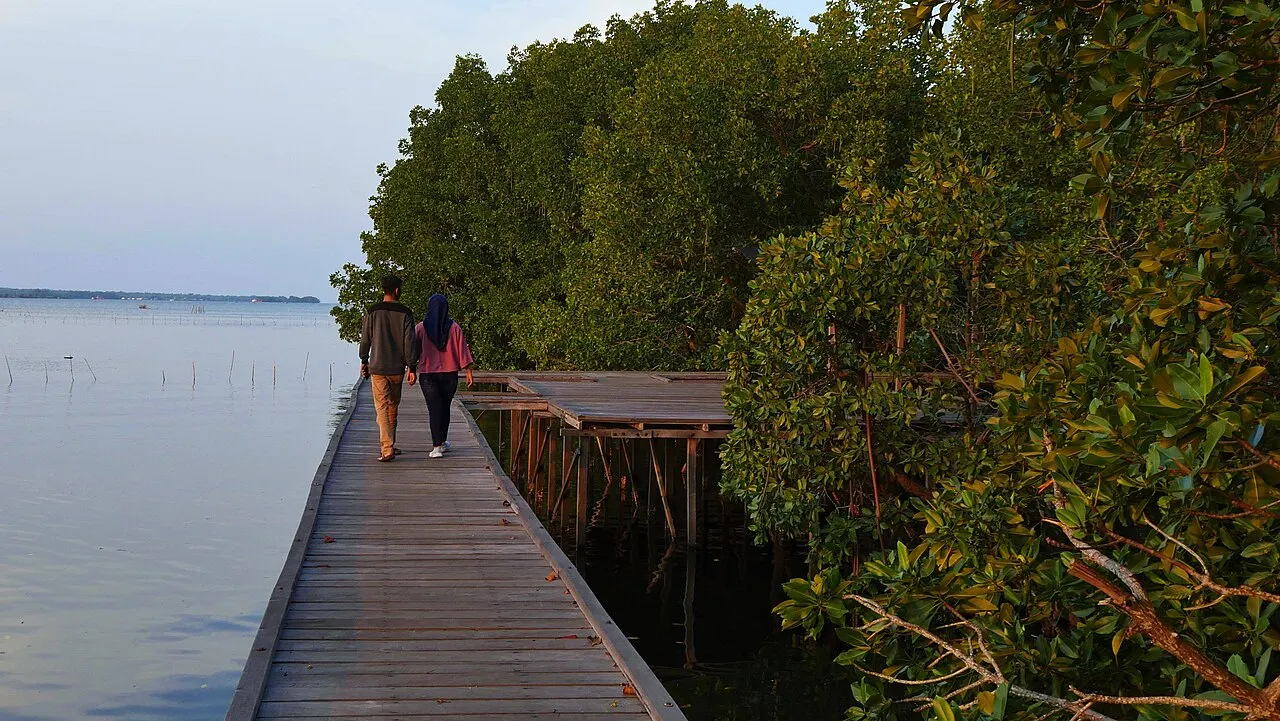
Sea-facing mangroves, sandy coastal ground and tidal mudflats are characteristic settings. The species tolerates marine influence more than prolonged freshwater exposure. This differs from Sonneratia caseolaris, often associated with less saline river-mouth settings. Two trees sharing the genus Sonneratia can therefore occupy different parts of the same coastal water gradient.
Sources & references · 1
National Parks Board Singapore · Sonneratia alba — Flora & Fauna WebConnections with animals
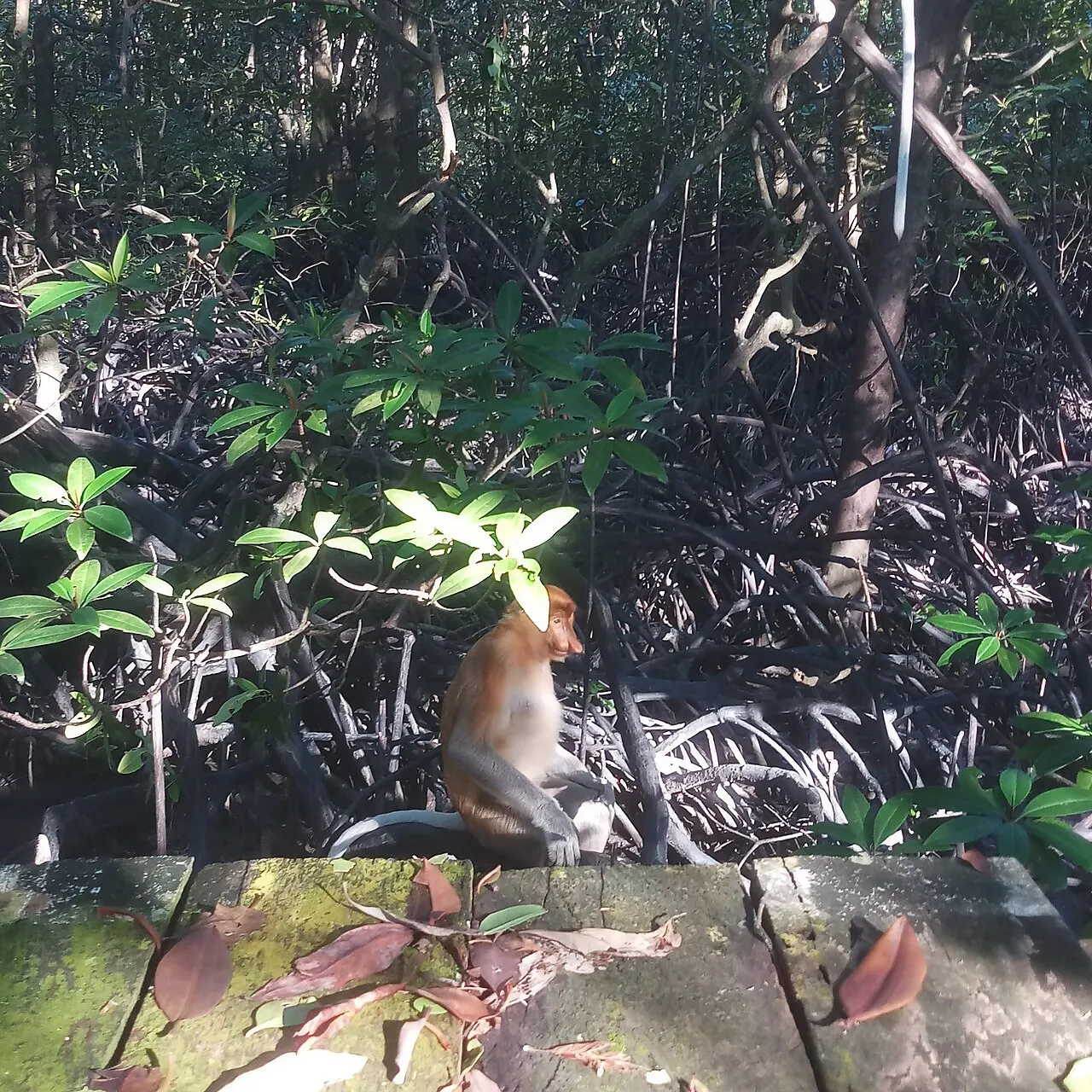
A survey at Sebubus in Sambas, West Kalimantan, identifies this tree among the preferred food plants of proboscis monkeys and records shoots as the eaten part.
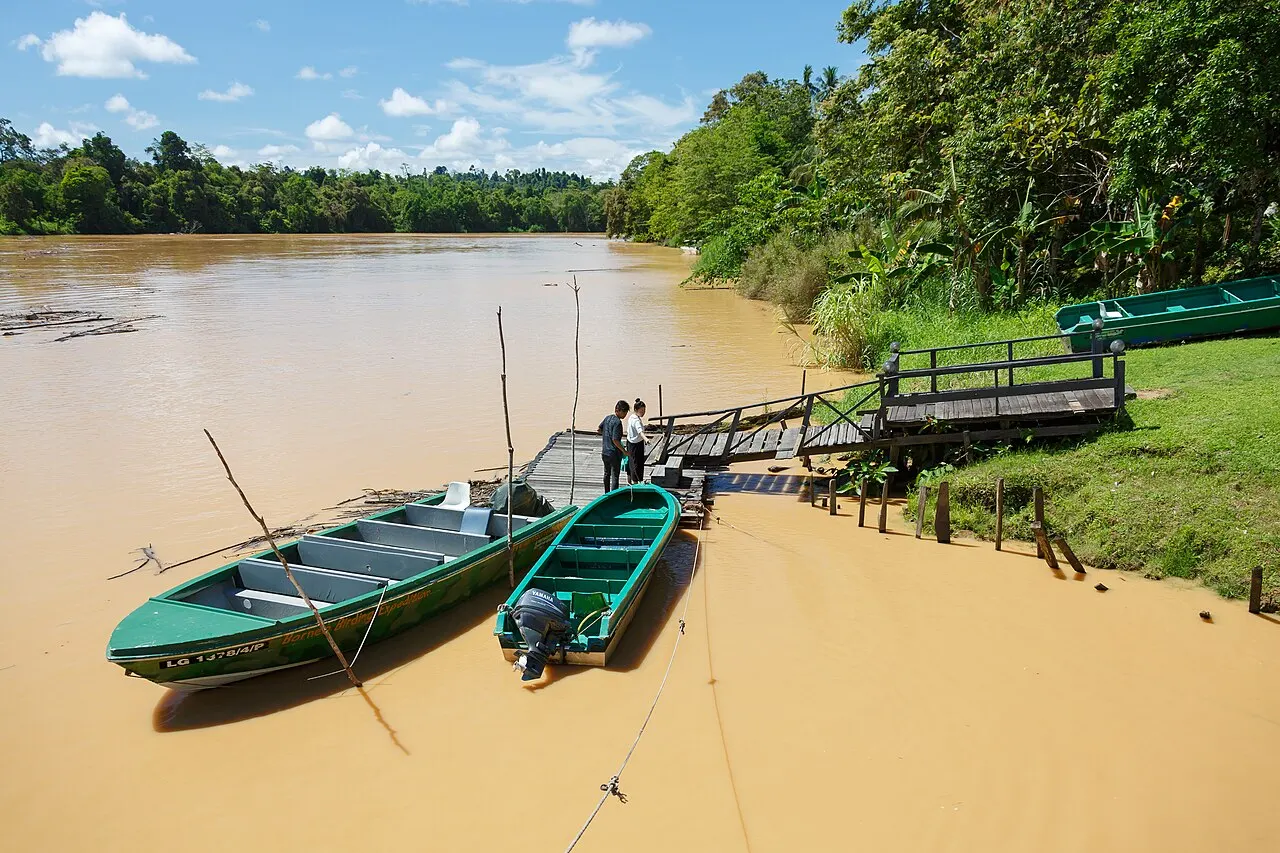
Tall Sonneratia alba trees along the Kinabatangan are also documented sleeping sites for proboscis monkeys. The canopy provides a night-time resting place close to the river.