Designation and scope
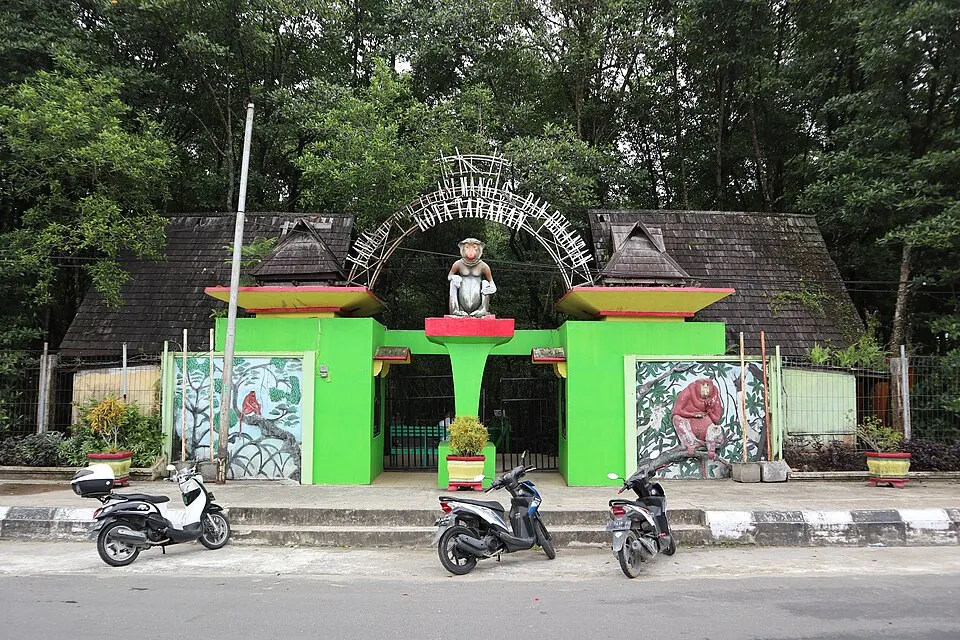
The Forestry Ministry's 2026 wetlands event identifies KKMB as a place for education, research and community engagement. Academic work describes it as a local protected area for mangrove and proboscis conservation. Keep that category clear: it should not be labelled a national park. Its city setting makes the relationship between development and coastal habitat directly visible.
Documented wildlife
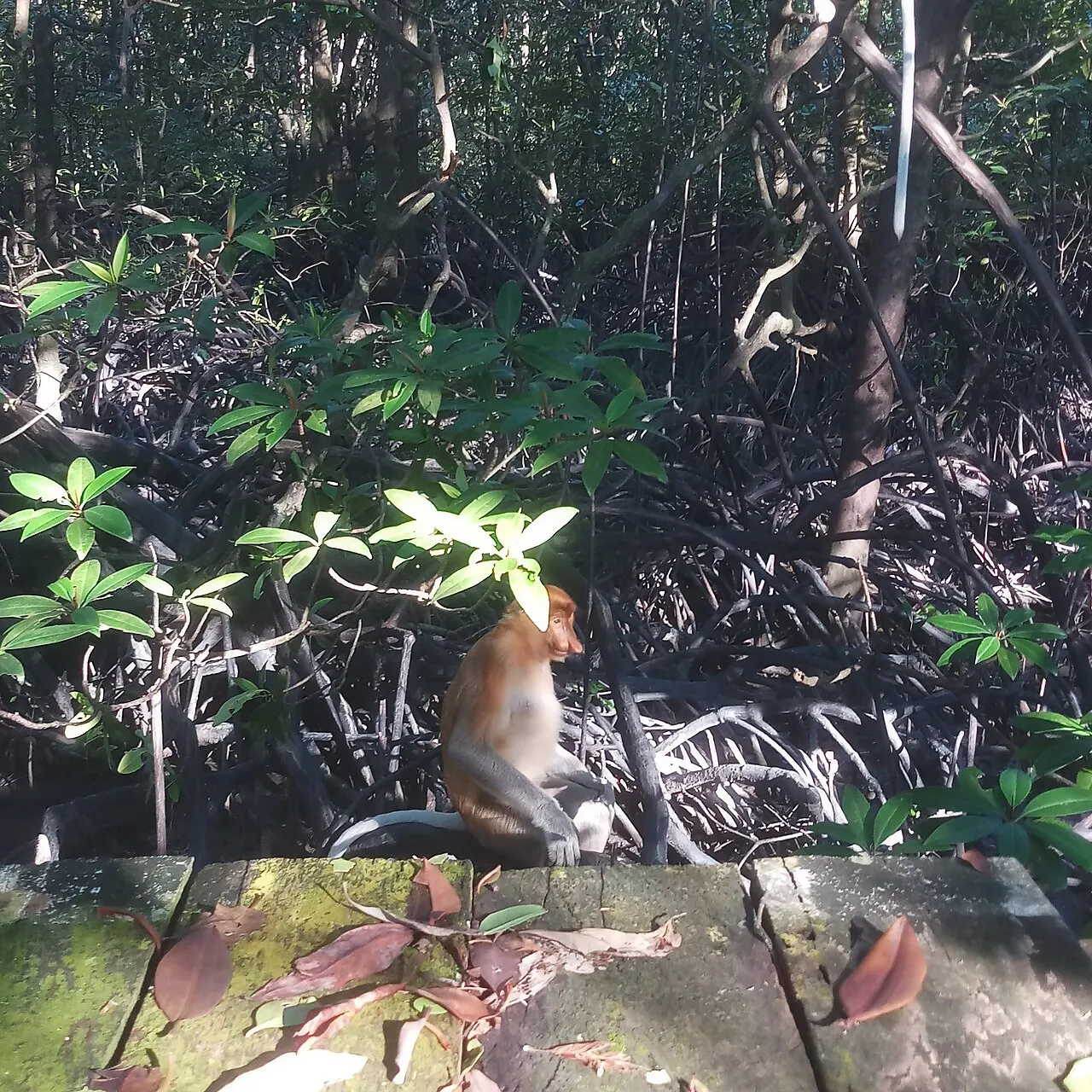
The 2026 ministerial visit explicitly observed proboscis monkeys, and a separate official account records long-tailed macaques. Both support links to existing species records. They do not establish a guarantee for every walk. Observe from the permitted route and follow staff instructions; no visitor feeding opportunity or daily feeding timetable is inferred from these sources.
Mangroves and visiting
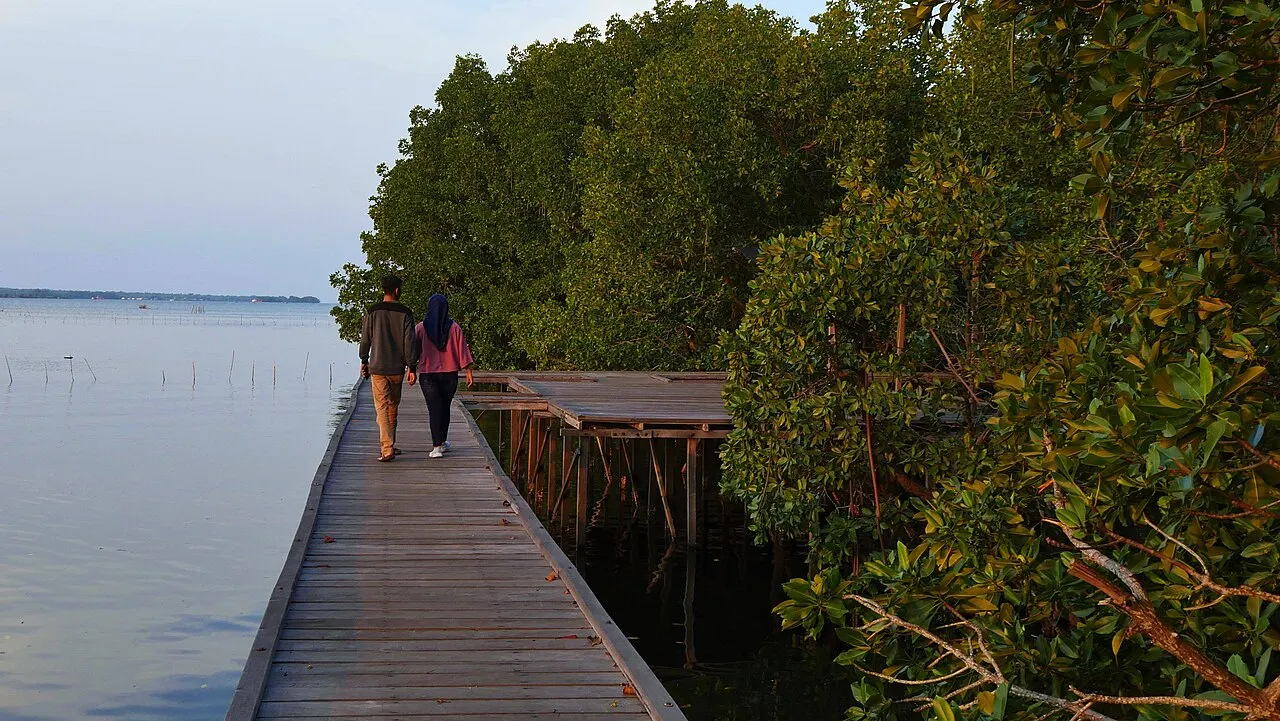
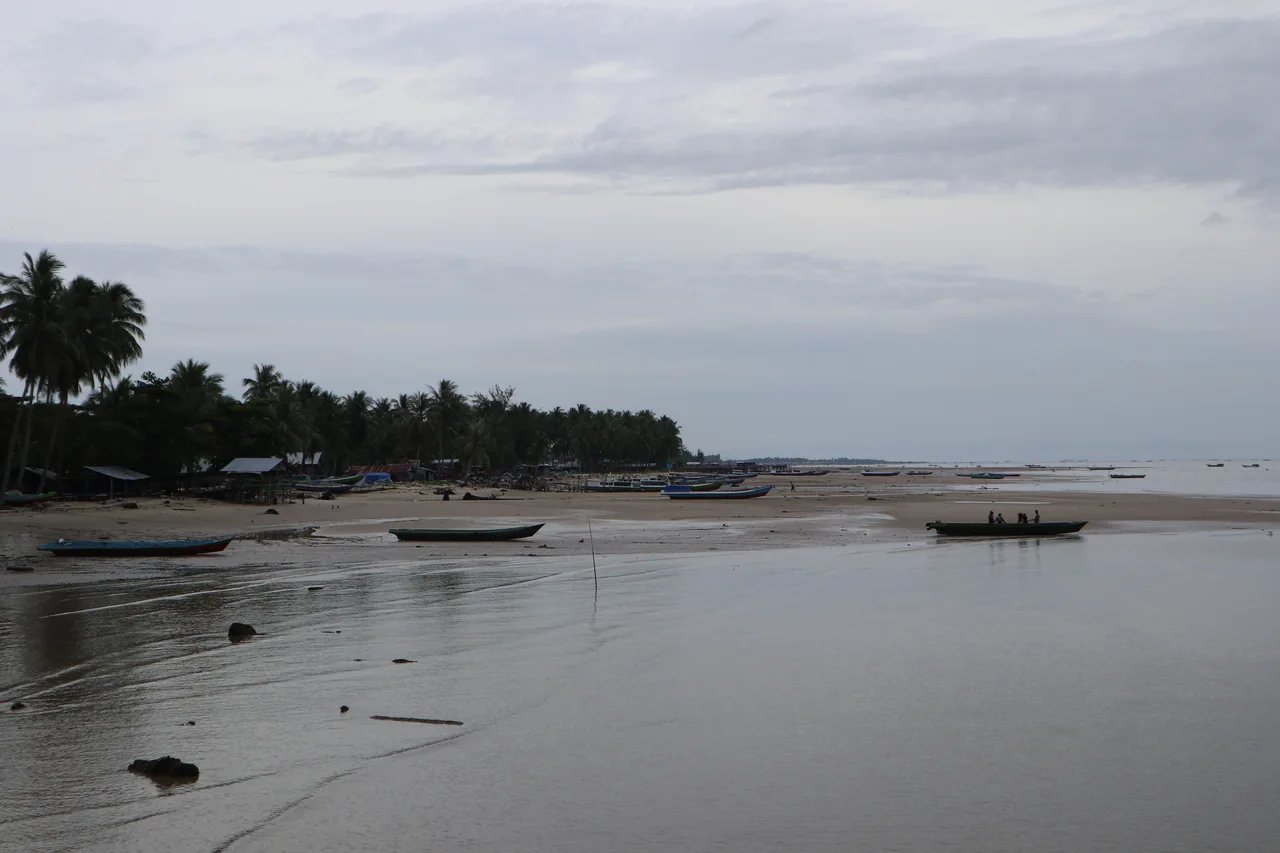
Use a guided walk to notice roots, sediment and water as well as animals. Coastal mangrove conservation is connected with local livelihoods and resilience in official ministry accounts. Check the current walking access, opening arrangements and any maintenance restrictions before arrival. A short visit gains depth when the guide explains habitat function rather than offering only a photo stop.
Gateway and overnight base
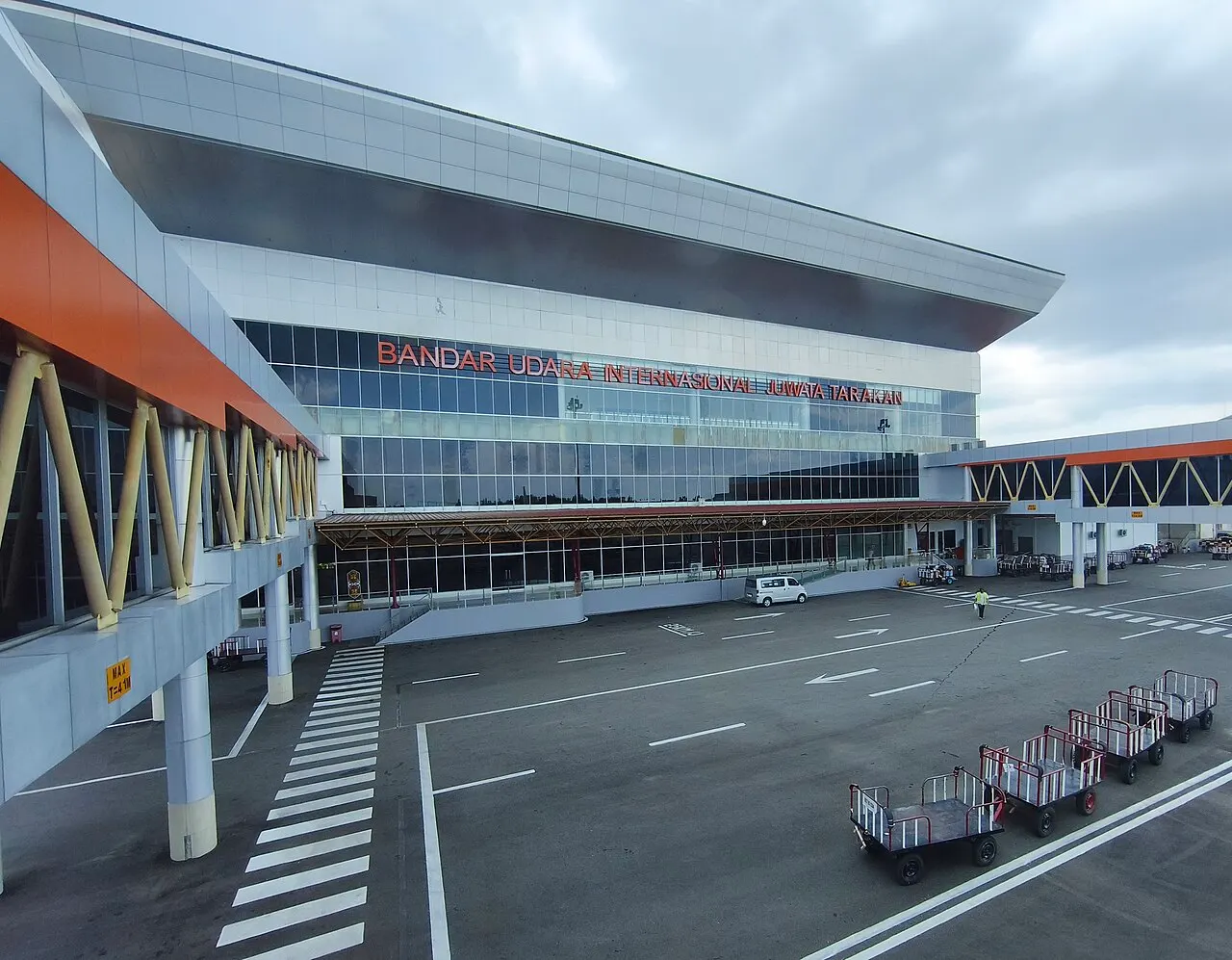
Use Tarakan accommodation rather than looking for a lodge inside this small conservation area. Swiss-Belhotel Tarakan is a city hotel in the existing guide; it should not be described as park accommodation. If arriving by air, Juwata Airport is part of the city arrival chain, followed by local ground transport. Confirm the KKMB visitor entrance rather than navigating to a general mangrove marker.
For planning, allow part of a day for a mangrove walk, with the actual time governed by open paths and your interest in interpretation. This is an editorial allowance, not an official circuit duration. Check tickets and guiding with the site; no universal guide requirement or feeding time has been verified. A local guide can help explain tidal roots and distinguish a fleeting animal movement from a clear observation.
Reading the landscape
The mangrove habitat is the reason to protect the site, not merely a backdrop for proboscis monkeys. Keep to the authorised walking surface, give wildlife space and leave feeding to management. The story Tarakan's tidal mangroves adds context for how an urban visit connects with a wider coastal landscape.