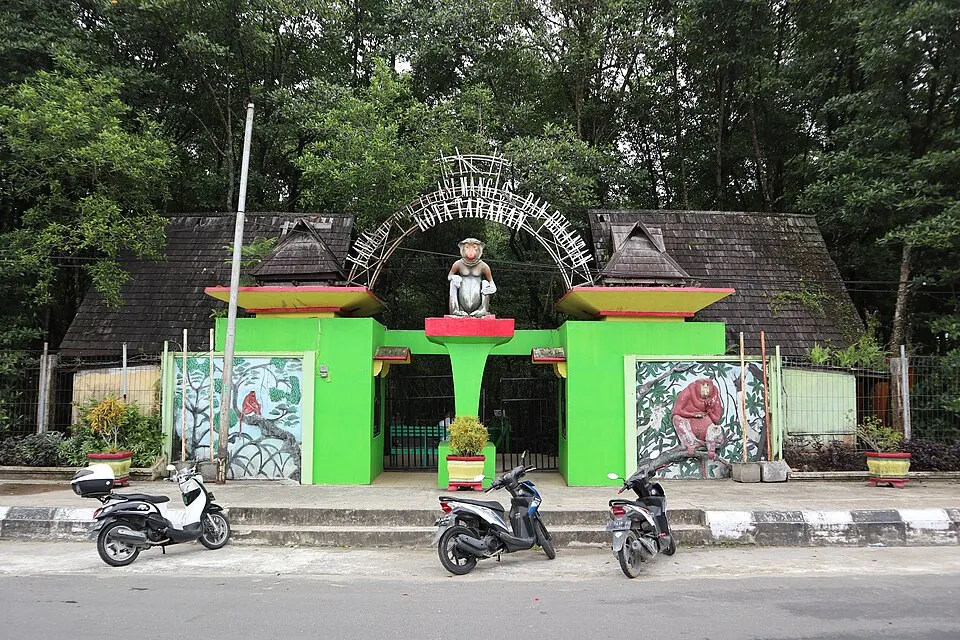
Where the walk takes place
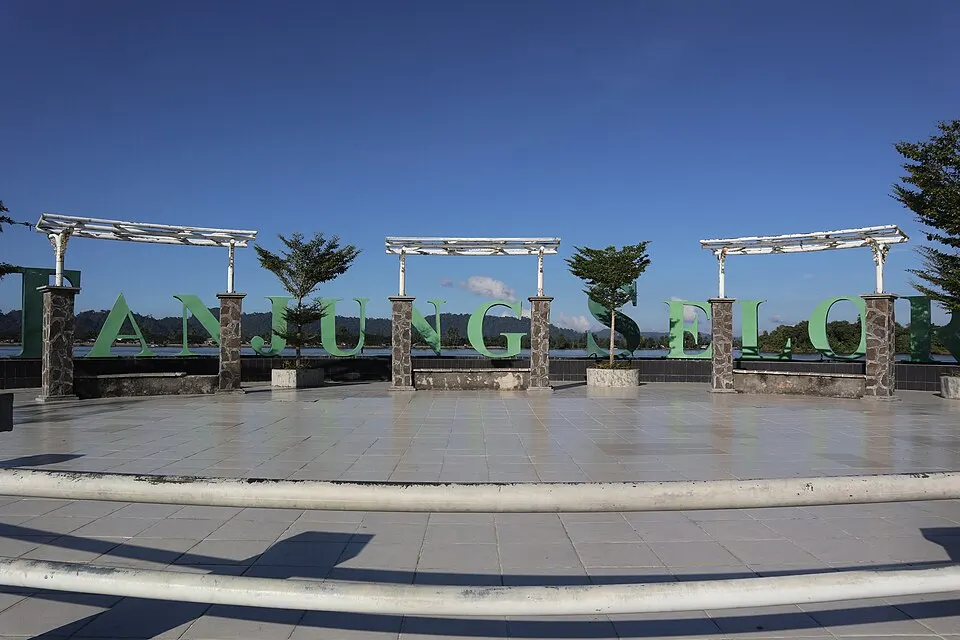
KKMB Tarakan is the Mangrove and Bekantan Conservation Area in Tarakan, North Kalimantan, Indonesia. Its urban position makes it suitable for a short local outing. Arrange a road transfer from your hotel to the current visitor entrance and establish how you will return, particularly if you have a flight or onward connection later.
The Indonesian forestry ministry's 2026 reporting confirms the site's mangrove-conservation role and proboscis monkeys. This supports the identity of the place, but does not establish that every part of the walkway is open every day. Use the visitor entrance and follow the current route instructions on arrival.
What you do there
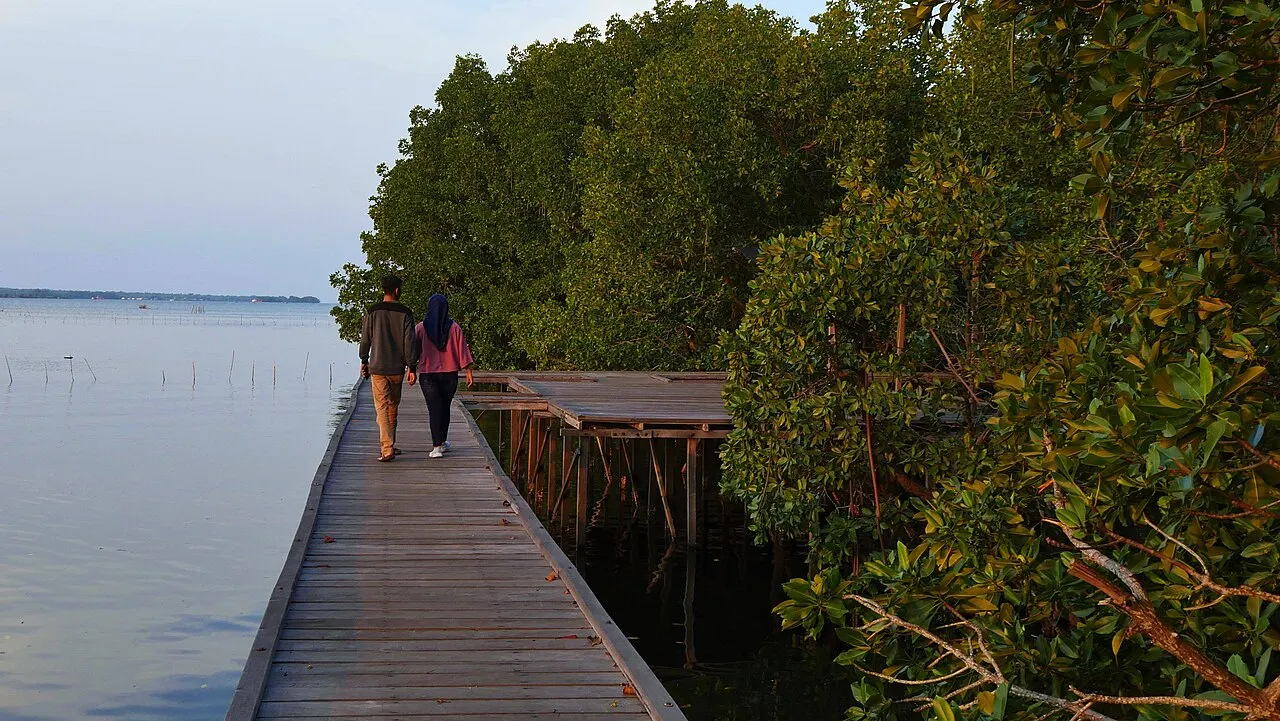
Walk the designated boardwalks, pausing where there is room to look into the mangrove vegetation. The root systems, tidal ground and changing views through the trees give the visit its character. A slower pace helps you notice movement without crowding other visitors or leaning beyond the walkway.
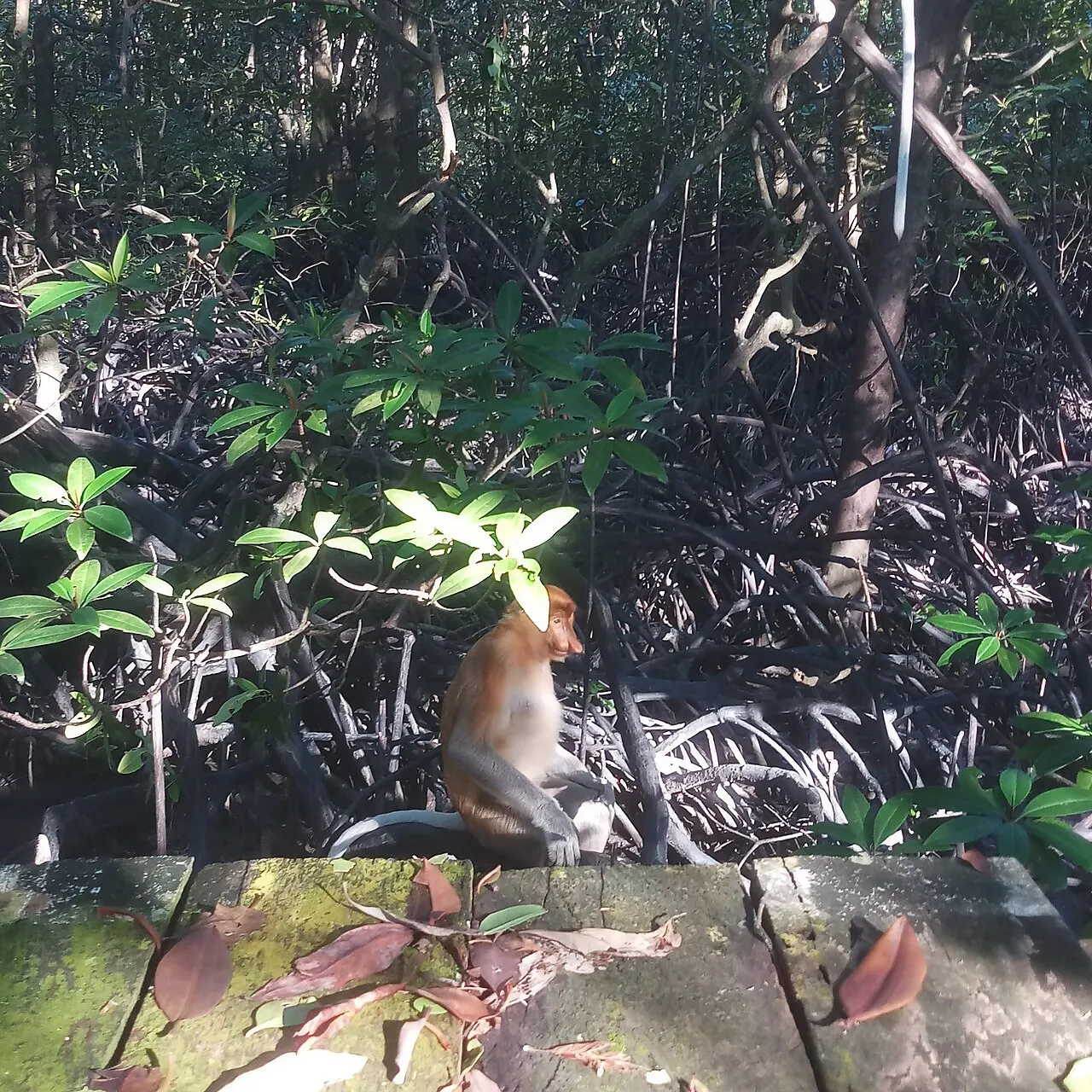
Proboscis monkeys are a characteristic focus at this managed site. Their behaviour and position vary during the day, so let observation follow what the animals are doing. Keep food secured and follow staff instructions; visitors should not use feeding to draw monkeys closer. The setting is different from a multi-day wild-river trip, and that distinction is part of understanding the experience honestly.
Read about mangrove habitat before or after the visit to make sense of the roots, wet ground and relationship with tidal water. A local guide or available site interpretation can connect those details to Tarakan's wider coastal environment. Exact plant identification should come from reliable labels or knowledgeable interpretation, rather than assuming every mangrove tree is the same species.
How much time and how to get there
One to two hours is a useful planning allowance for a first walk, depending on the sections open and how long you spend observing. Allow more time around it for road transport and a rest in the heat. It can fit a Tarakan city day without requiring a separate overnight expedition.
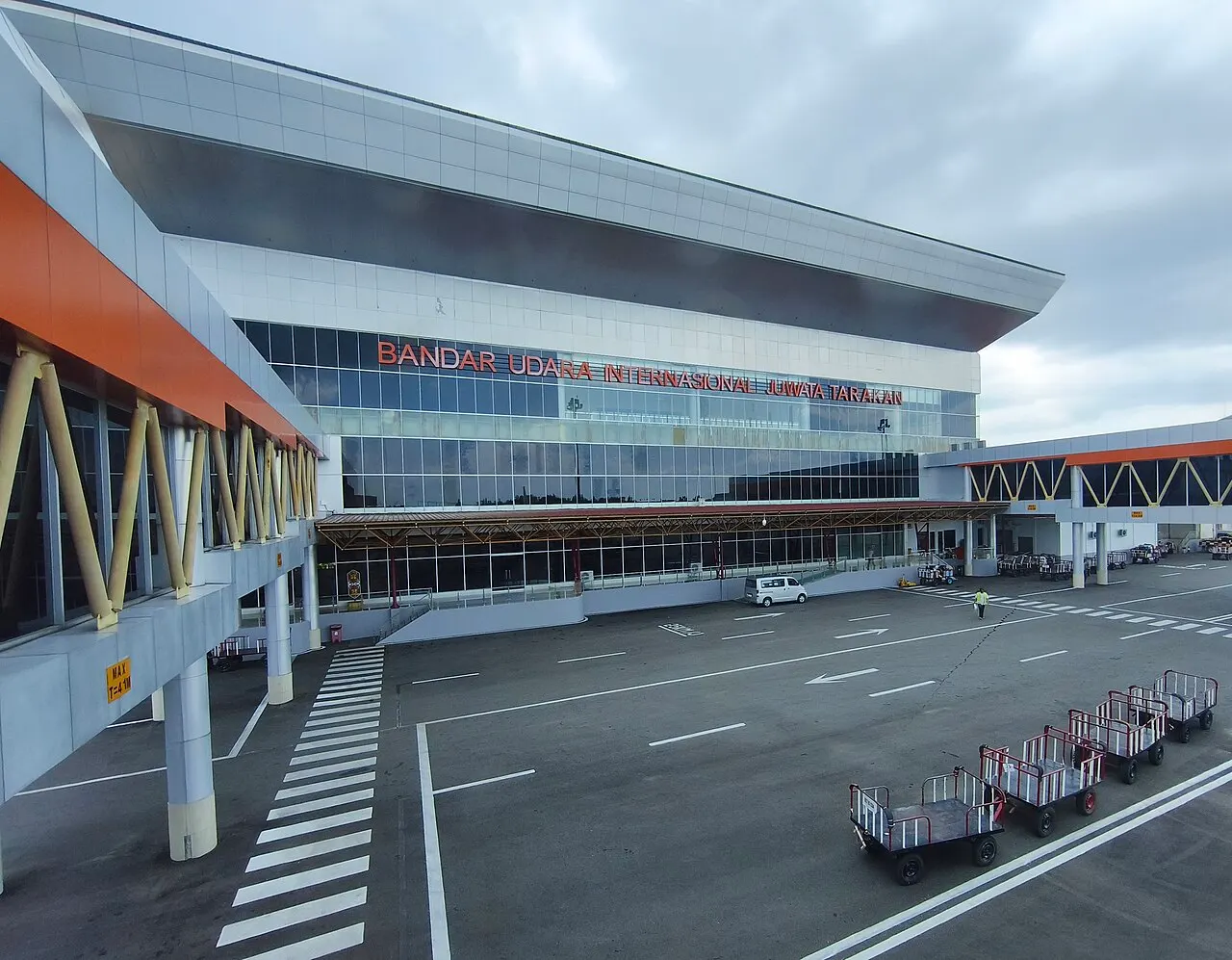
Juwata Airport is Tarakan's air gateway. Continue by road to your hotel or the conservation area's visitor entrance, allowing enough margin if you are visiting between travel connections. The activity does not involve a boat crossing into a distant national park. Do not confuse the short urban transfer with onward journeys to other parts of North Kalimantan.
Staying, tickets and guidance
An existing city accommodation option such as Swiss-Belhotel Tarakan can support this visit as part of a broader Tarakan stay. Confirm transport separately; proximity within one city does not mean an activity is included in the room rate. Travellers staying elsewhere on the island can use their own hotel as the base.
Independent visits to the public visitor route are possible subject to the site's current opening and entrance arrangements. A guide can add ecological interpretation but should not be presented as a universal legal requirement for the walk. Ask the site or your local organiser about current tickets and any closed sections. This is an entrance arrangement, not evidence of a special wilderness permit.
Practical comfort and combinations
Expect warm, humid conditions and the possibility of wet or uneven boards. Ask about steps, railings and the currently usable route if anyone in your group needs accessible facilities. Children need close supervision around water and wildlife. Shoes with grip, drinking water and rain protection are useful even for a short walk.
Combine the visit with Museum Rumah Bundar for a different part of Tarakan's story, or allow time to explore the city itself. Regional foods such as nasi subut provide another theme for the wider trip, though availability depends on the actual place you choose to eat. A short conservation walk and a city-history visit make a varied day without adding unnecessary long-distance transfers.