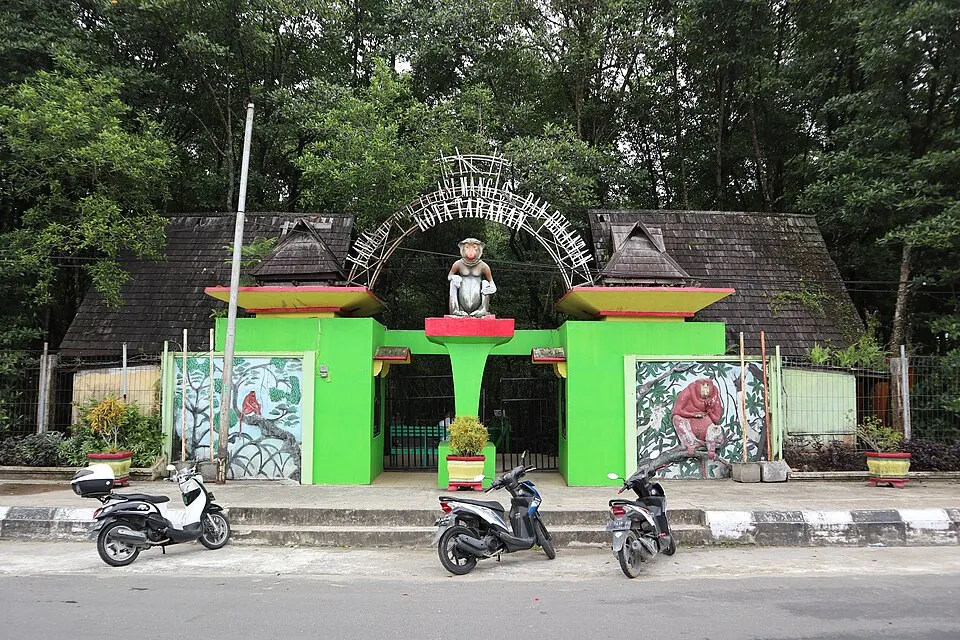
A building within Tarakan’s history
Tarakan’s municipal government reaffirmed Rumah Bundar’s heritage importance in August 2026 alongside oil installations and wartime remains. That makes the building meaningful even when museum displays change. Earlier heritage accounts connect it with Australian military use, but published construction chronologies differ. Ask the current museum interpretation to explain the sequence rather than relying on a single repeated year. The city’s call for a fuller museum storyline is a development aim, not evidence that every planned exhibition is already installed.
Confirm the museum you will visit
A government visitor inventory associates Museum Rumah Bundar with regional biodiversity displays. Do not automatically transfer descriptions of the nearby war and petroleum history museum to this building. Before setting out, ask specifically for Rumah Bundar, its current collection, interior opening and admission arrangements. If only the exterior can be seen, decide whether that is enough for your interests. The lack of a verified current schedule makes this a flexible addition to a city day, not a fixed appointment around which to book transport.
A flexible stop in Tarakan
If interior access is confirmed, allow roughly 45–90 minutes as a planning estimate, adjusting to the collection actually open. A building-only stop may be shorter. Ask about steps, photography and interpretation before arrival if these are important to you. Tarakan is the practical city base; agree a named drop-off rather than relying on an unverified entrance pin. A separately planned visit to KKMB’s mangroves contrasts built heritage with a living urban habitat. The Tarakan tidal-mangrove story helps connect those settings without suggesting the museum itself offers a mangrove tour.