Start with the activity and place
There is no single best month for all of Borneo. A city break, mountain walk, river journey and dive trip depend on different conditions. First choose your main experience, then consult the regional weather service and the operator responsible for access. A seasonal average helps choose a travel window; a short-range forecast helps decide what is workable on the day. Neither replaces a park closure or boat operator’s decision.
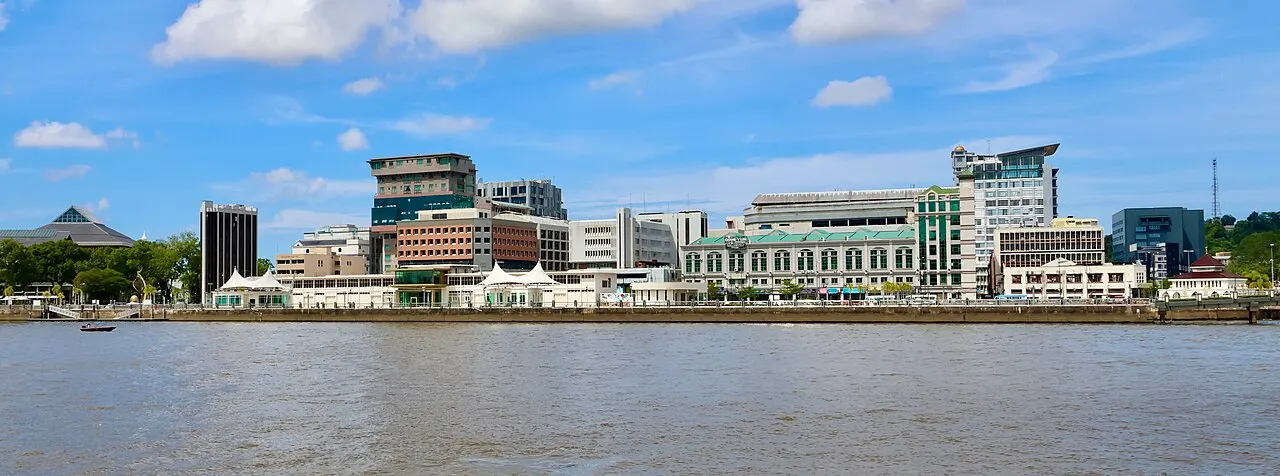
Keep outdoor highlights early enough in your stay to allow a second opportunity. A museum, market or quieter city day can absorb a disrupted excursion without turning the whole trip into a rush. When comparing two periods, consider school holidays, your tolerance of heat and rain, and the availability of the specific lodge or guide as well as climate.
Regional patterns
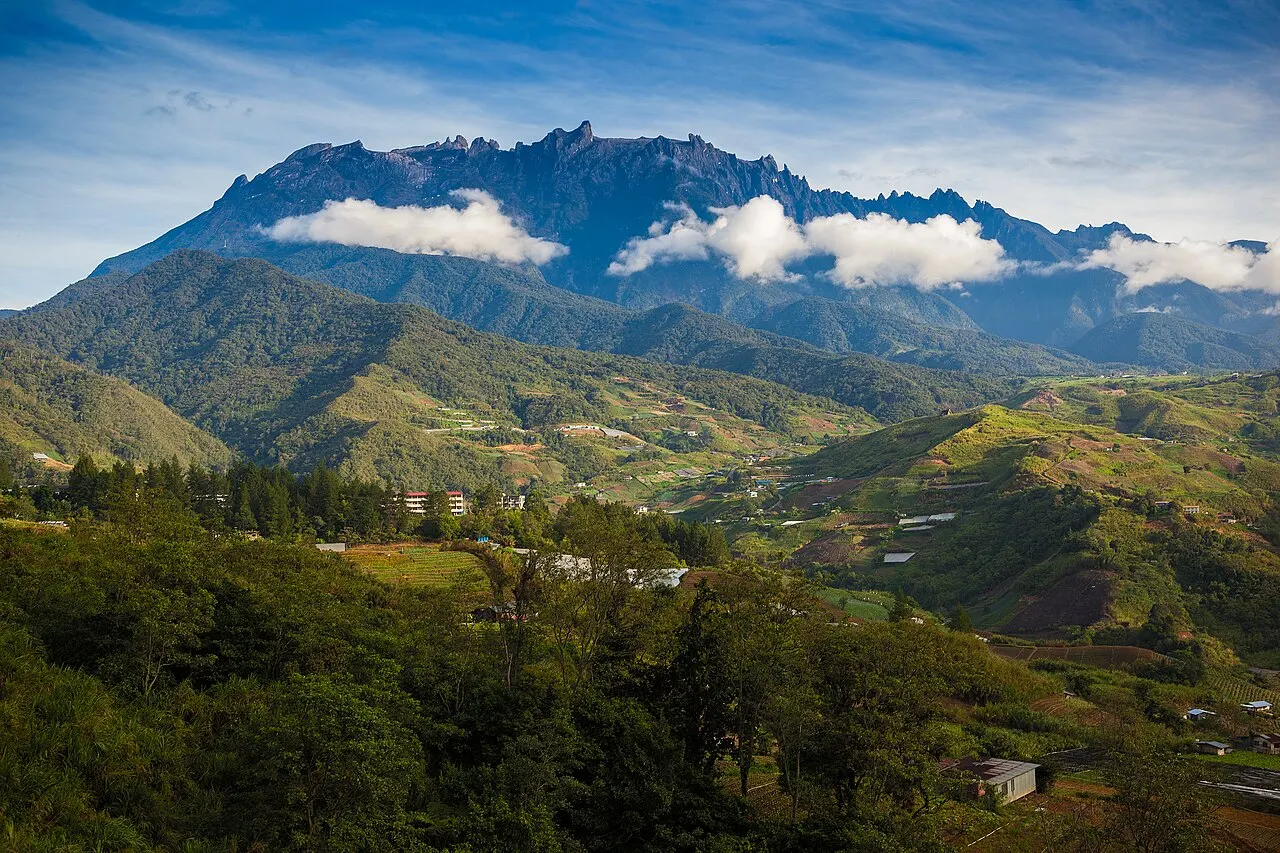
MET Malaysia describes heavier northeast-monsoon rain particularly in western Sarawak and eastern Sabah. That does not make the rest of Sabah uniformly dry: coastal exposure and local terrain matter. Use the forecast for the actual destination, rather than applying a Kuala Lumpur forecast to Borneo. Kinabalu’s highlands also require a different clothing plan from coastal towns.
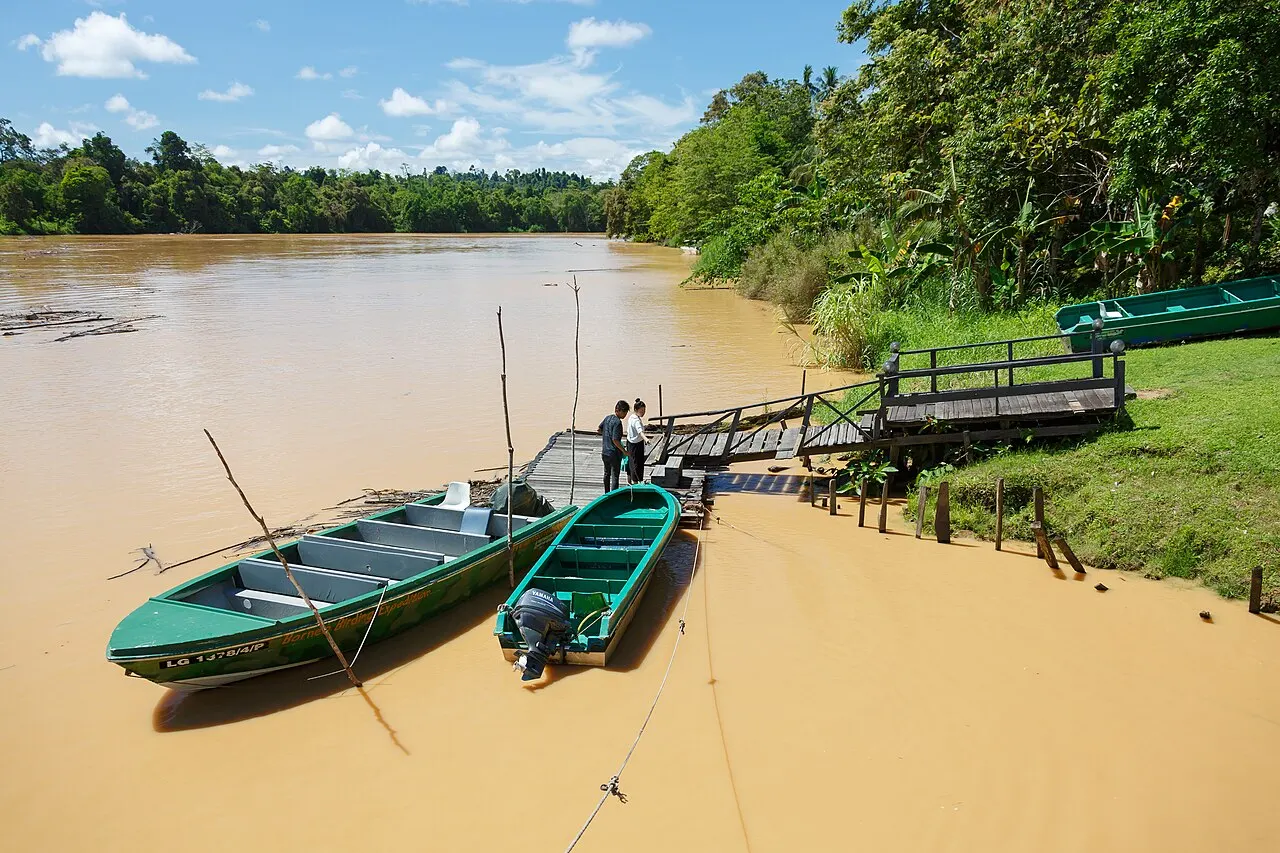
Brunei’s meteorological service describes more than one rainfall peak through the year. For Kalimantan, BMKG publishes seasonal outlooks by area; western, central, southern and eastern routes should not be assigned one fixed dry season. A river journey depends on local water levels and access, not simply whether the current month is labelled wet or dry. Regional forecasts below provide a starting point without freezing a particular year’s conditions into permanent advice.
Pack for the complete journey
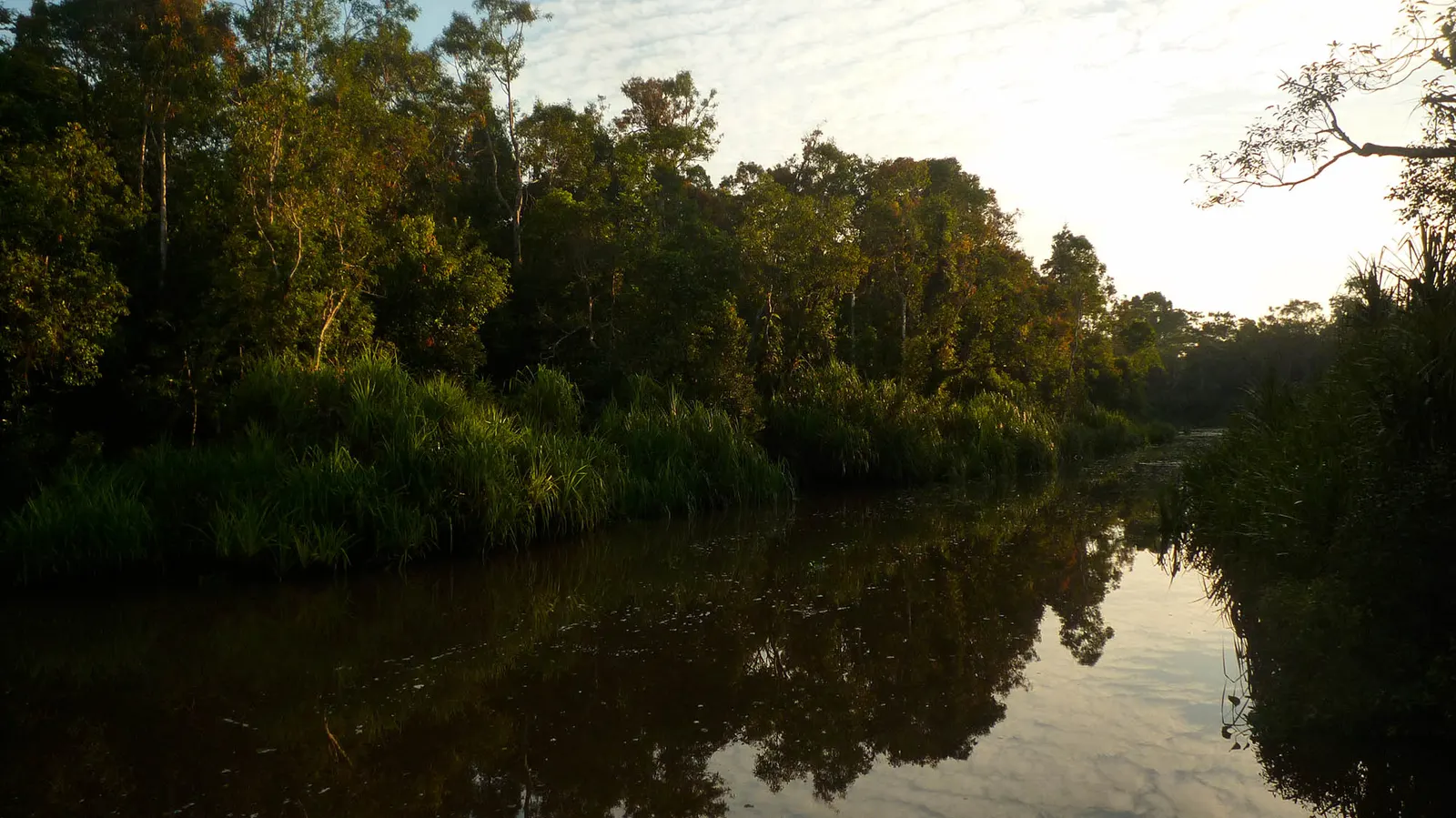
Pack light layers that dry readily, rain protection, sun protection and footwear suited to the booked activity. Protect documents and electronics inside a dry bag even when the main bag has a rain cover. Carry a change of clothes where you can reach it after a wet transfer. For highland walks, add warm layers appropriate to the route and follow the guide’s equipment list; a casual park walk and a summit climb are different undertakings.
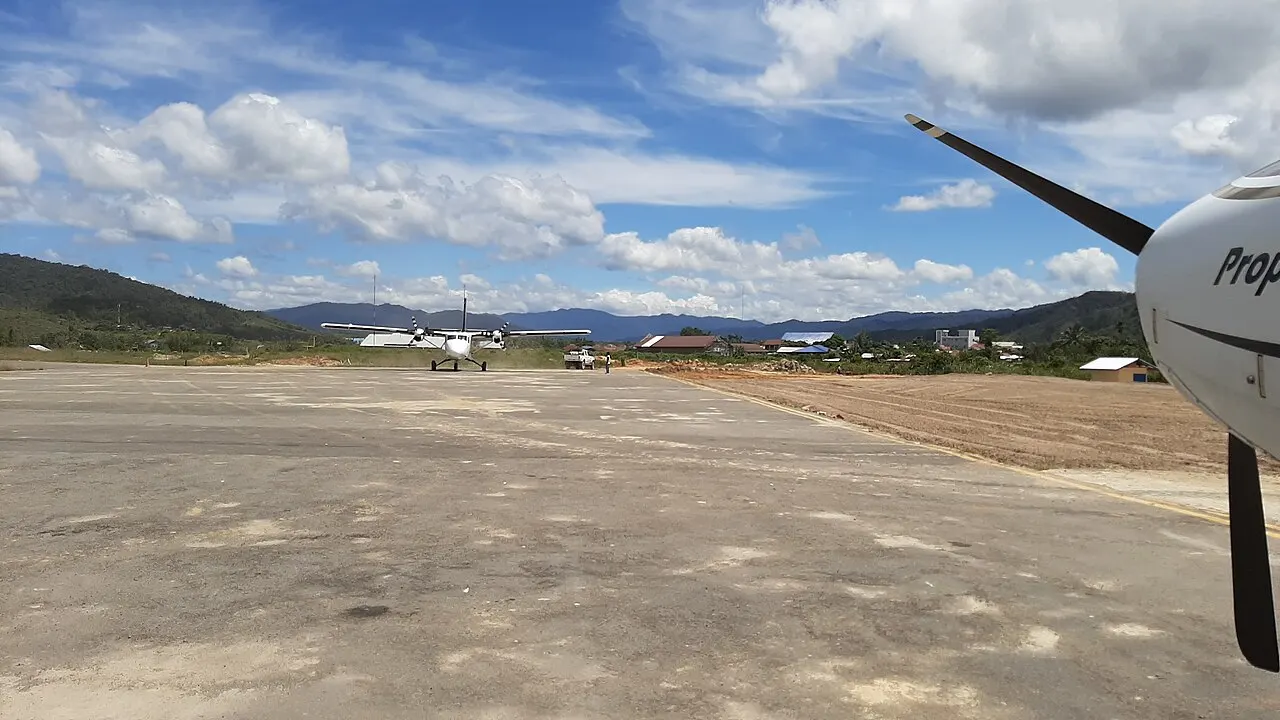
Ask remote accommodation about towels, drinking-water refills, charging hours and laundry before adding bulky items. Bring a torch and enough essential medication for delays, stored as its instructions require. For small aircraft and boats, select luggage only after seeing the operator’s size and weight limits. Dive equipment and camera cases can change the baggage calculation substantially.
Leave room for changing conditions
Before a boat or remote flight, agree who contacts you about changes and where you will sleep if the transfer moves to the next day. Keep the last night before an international departure away from a fragile connection. For hiking, follow local closure and thunderstorm instructions; for marine trips, the operator’s sea assessment matters more than a sunshine icon in an app. Health and remote-travel preparation covers the practical backup plan. Link your chosen season to a realistic number of nights, then choose accommodation with workable change conditions.