A mountain of different forests
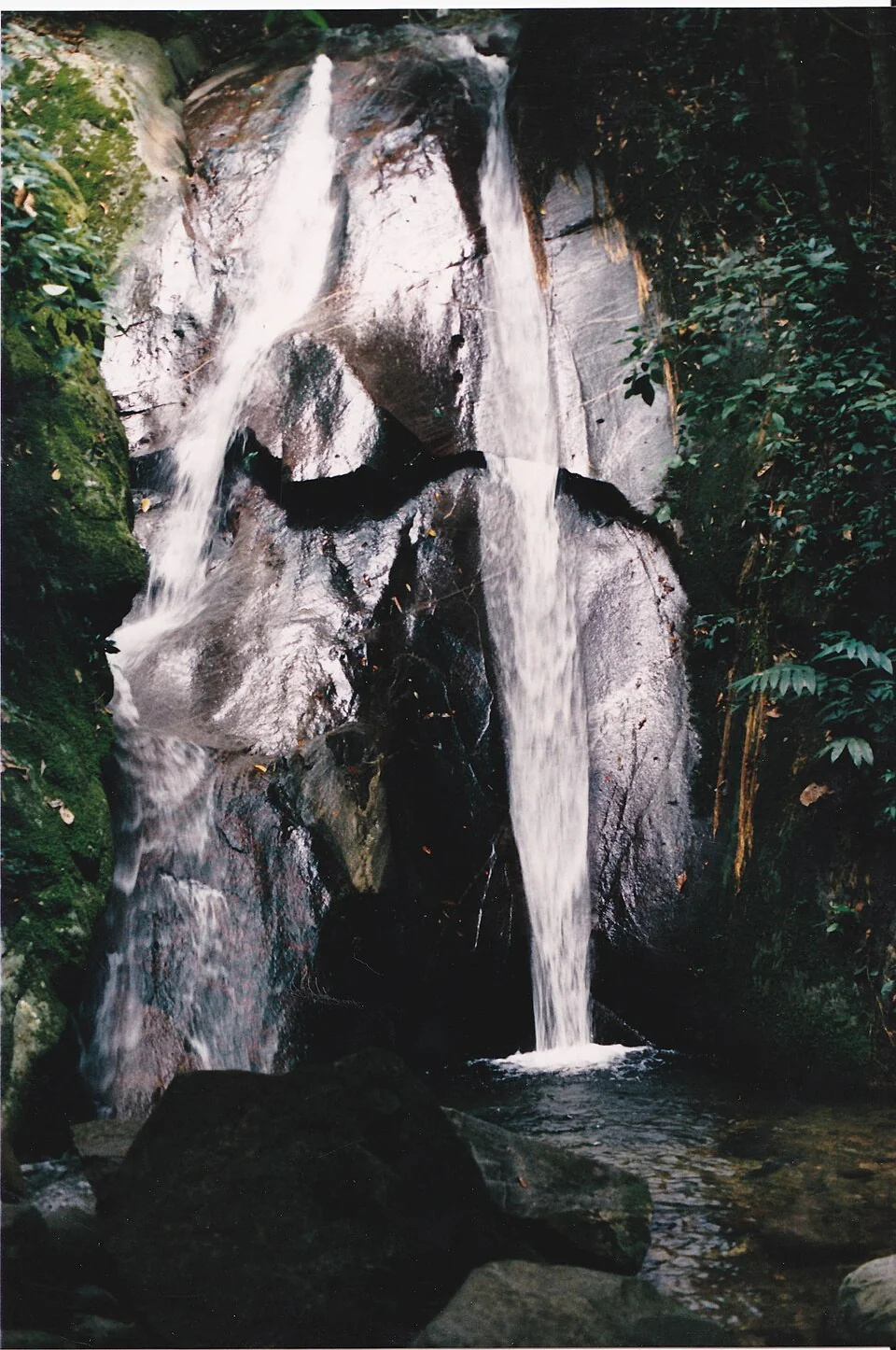
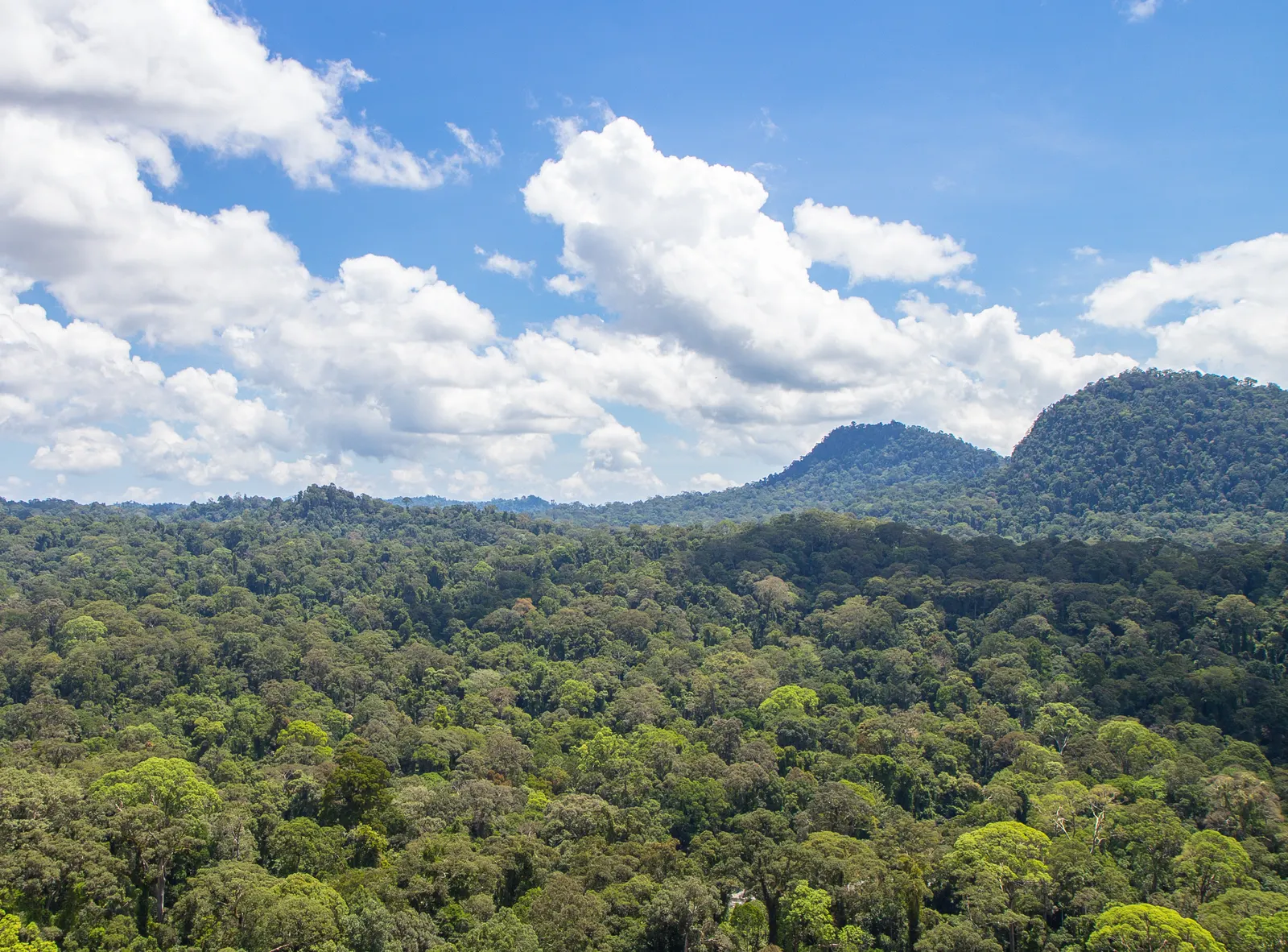
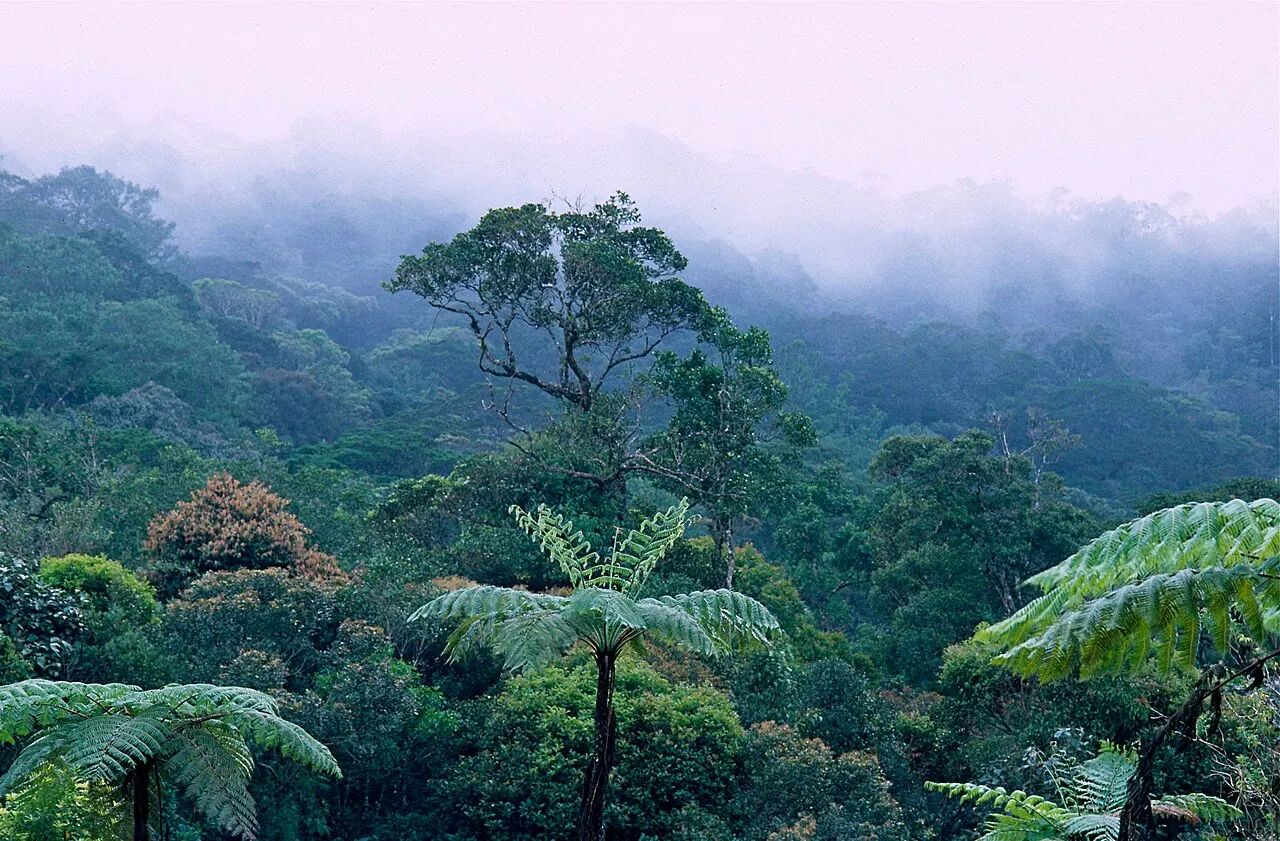
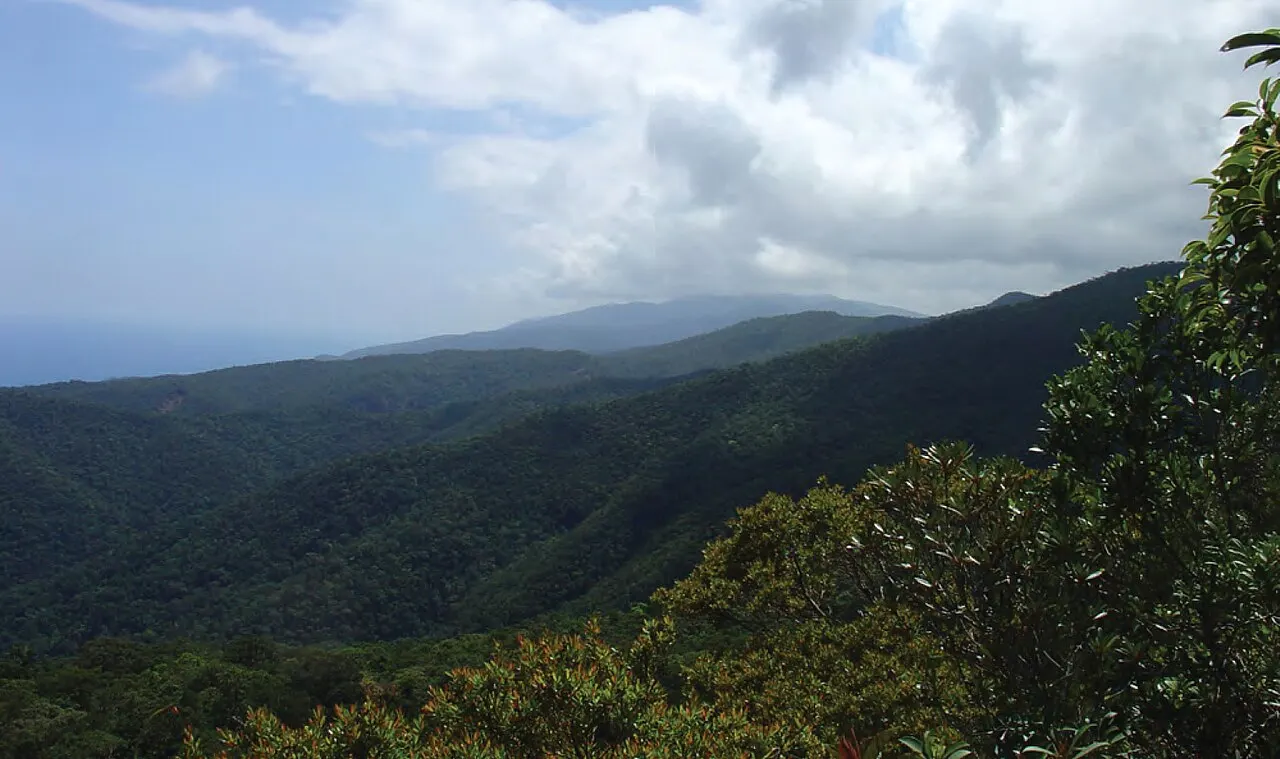
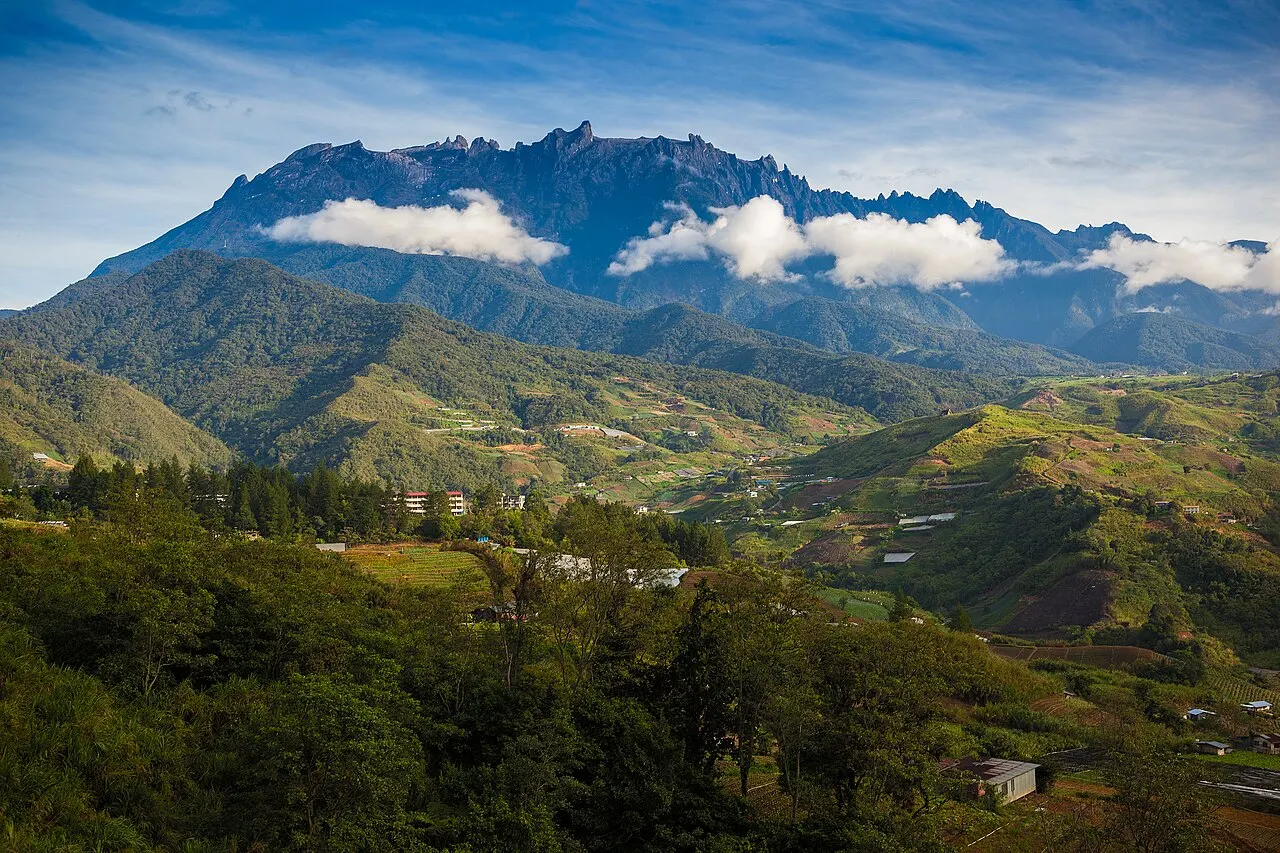
The change in elevation is the park’s central ecological story. Lowland rainforest gives way to montane forest, while higher ground supports increasingly low vegetation and eventually the granite summit landscape. Different rock types and soils create further contrasts within those elevation bands. This helps explain the concentration of plants with narrow distributions: a species suited to one slope need not occur beside every visitor path. UNESCO recognises both these ecological processes and the richness of the park’s living communities. Look for changes in leaf size, tree height and moss cover rather than expecting one continuous, uniform jungle. The story of Kinabalu’s soils and pitcher plants offers a useful botanical companion without turning rare-plant sites into collection destinations.
Choose a visitor sector
For a first visit without climbing, begin at park headquarters near Kundasang. Check which paths are open, then combine the botanical collection with a forest walk; allow a half or full day according to your pace. The highland walking guide helps distinguish this visit from a summit expedition. Poring is a separate, lower and warmer sector reached by road, not the next stop along a headquarters footpath. Its hot springs and gardens offer another view of the park. The current Sabah Parks notice says Poring’s canopy walkway is temporarily closed from 30 July 2025 until further notice, so do not build a day around that attraction without checking for reopening. Mesilau is also listed as closed. Other substations are not interchangeable entrances to the standard climb.
Climbing needs its own booking
The standard ascent uses Timpohon; Sabah Parks requires a registered mountain guide. It is usually organised over two days, with three days offering more time around the climb. This is not an extension of an ordinary admission ticket. Arrange the climbing allocation, mountain accommodation and guide through the current official booking procedure before committing to travel. Sabah Parks directs 2026 reservations to its Sabapak Eco booking service; follow the official page rather than an old booking link in a travel blog. Ask which transport, meals and charges your reservation includes. Altitude, cold, steep steps and exposed ground make the ascent a different undertaking from garden paths. Weather or park decisions can prevent summit access even after a confirmed booking, so a permit should never be understood as a guarantee of reaching the top.
Bases, weather and respectful visits
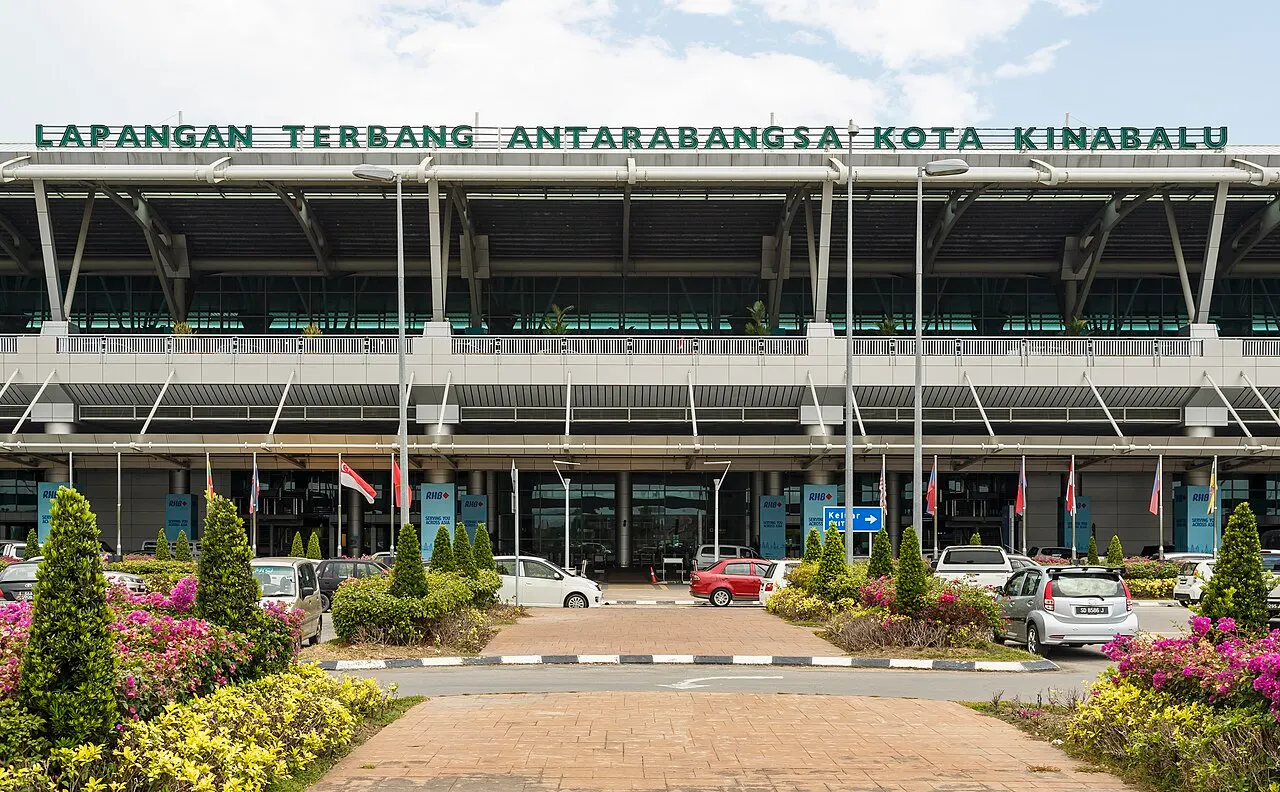
Arrivals through Kota Kinabalu airport continue by road from Kota Kinabalu towards the highlands. Book the return leg as well as the outward journey. Staying near Kundasang reduces travel around a headquarters visit; accommodation inside headquarters is separately operated by Sutera Sanctuary Lodges. A city hotel is a regional base, not a park lodge, and a headquarters room is not the overnight hut used on the mountain. Check the location before paying. Pack rain protection and an extra layer even for a non-climbing visit. A clear morning view can disappear into cloud, while wet roots and steps slow walking. Let staff advice determine the route that day. Stay on authorised paths, leave orchids and pitcher plants untouched and avoid publishing exact locations of sensitive plants. Local guides contribute both route knowledge and interpretation; a slower walk can reveal more than trying to combine every sector in one rushed day.
An unusual plant–animal connection
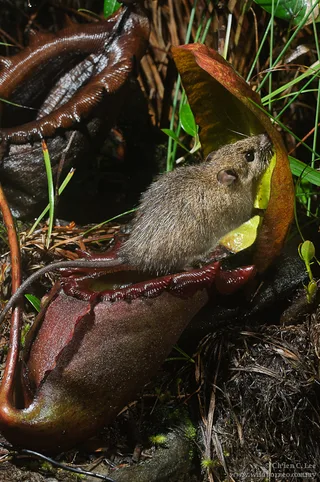
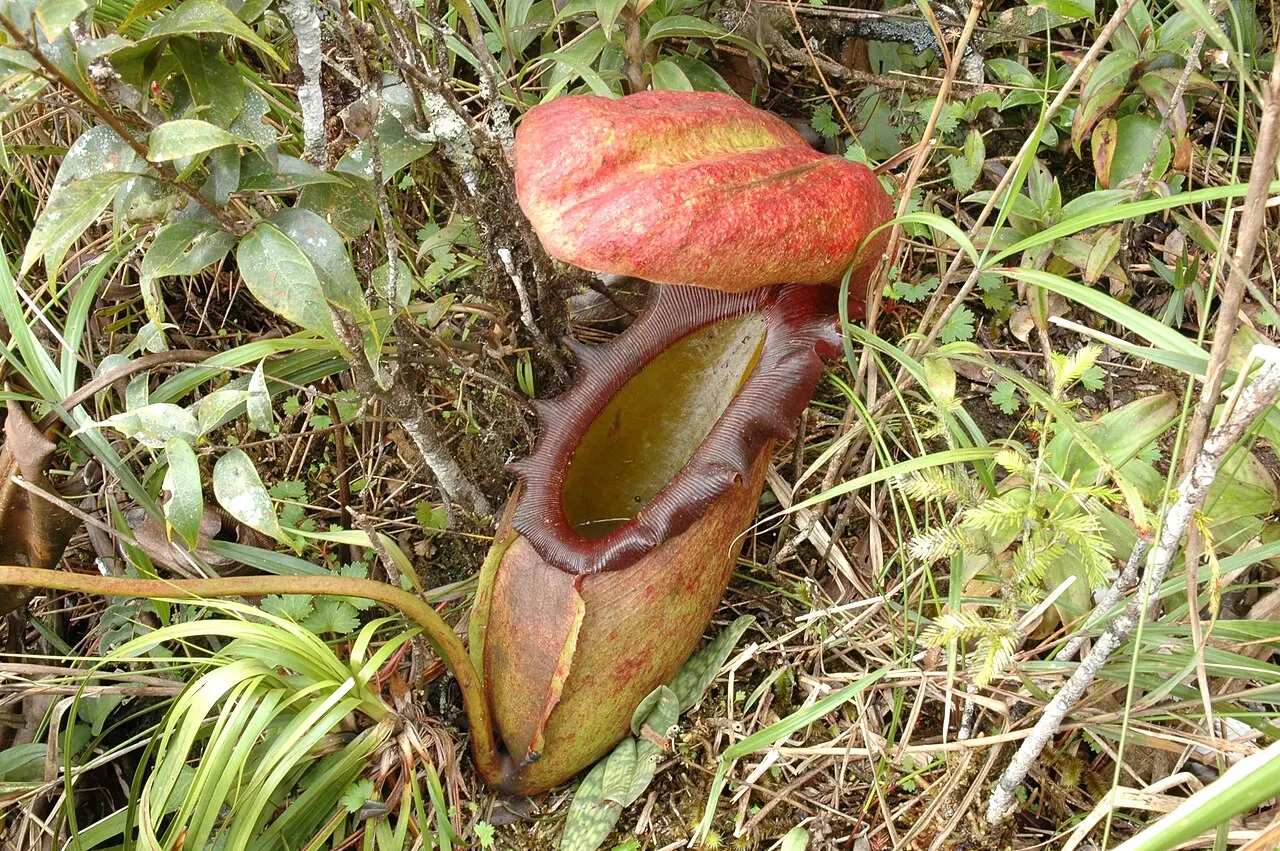
Research on Nepenthes rajah shows how closely mountain plants and mammals can be connected. Mountain treeshrews and the Kinabalu rat visit the pitchers for sugary secretions, while droppings supply nutrients to the plant. This is ecological context, not a promised garden demonstration or a reason to seek exact study sites. The ultramafic vegetation habitat helps explain why soil and elevation produce such specialised communities. Protecting the whole setting matters as much as protecting one striking plant.