Appearance & recognition
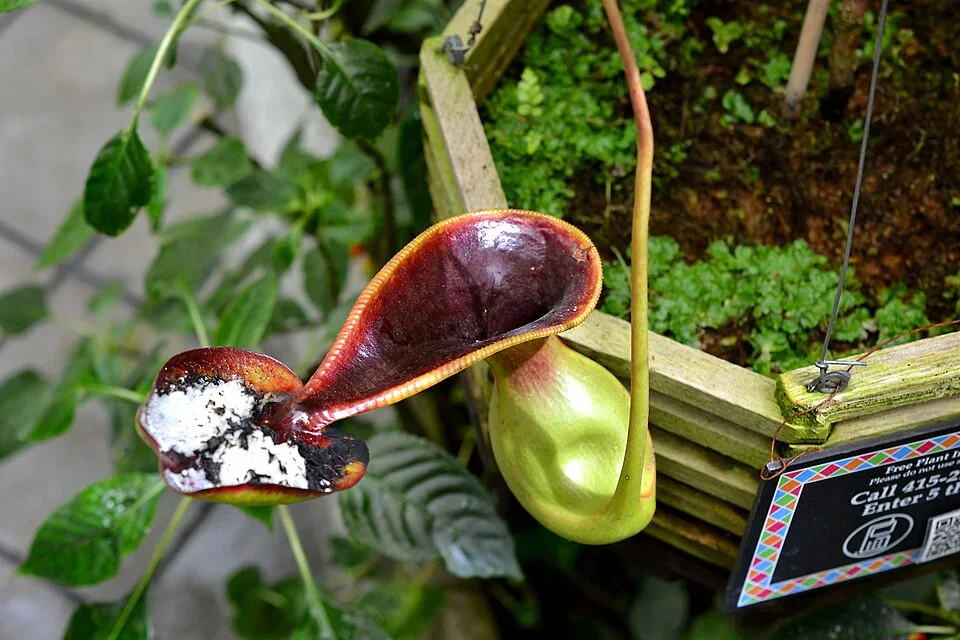
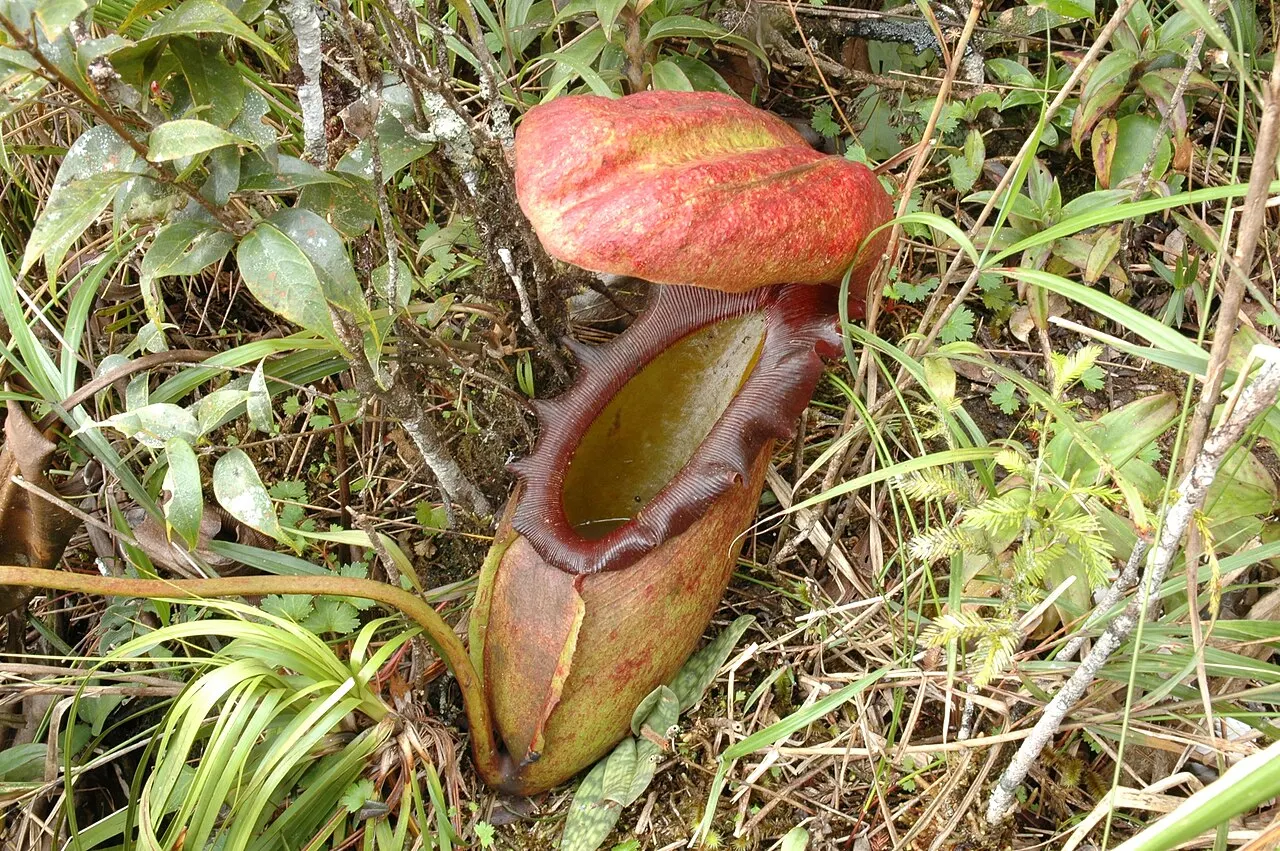
Its conspicuous pitchers are modified leaves connected to the leaf blade by tendrils. A ridged rim and raised lid surround the fluid-filled trap; large pitchers alone do not identify every Nepenthes species.
Sources & references · 1
Royal Botanic Gardens, Kew · Nepenthes rajah: Kew Species Profile and IUCN CategoriesGrowth & ecology
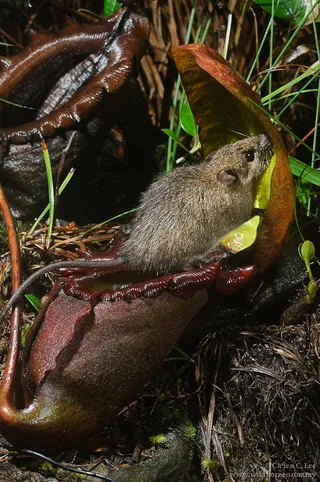
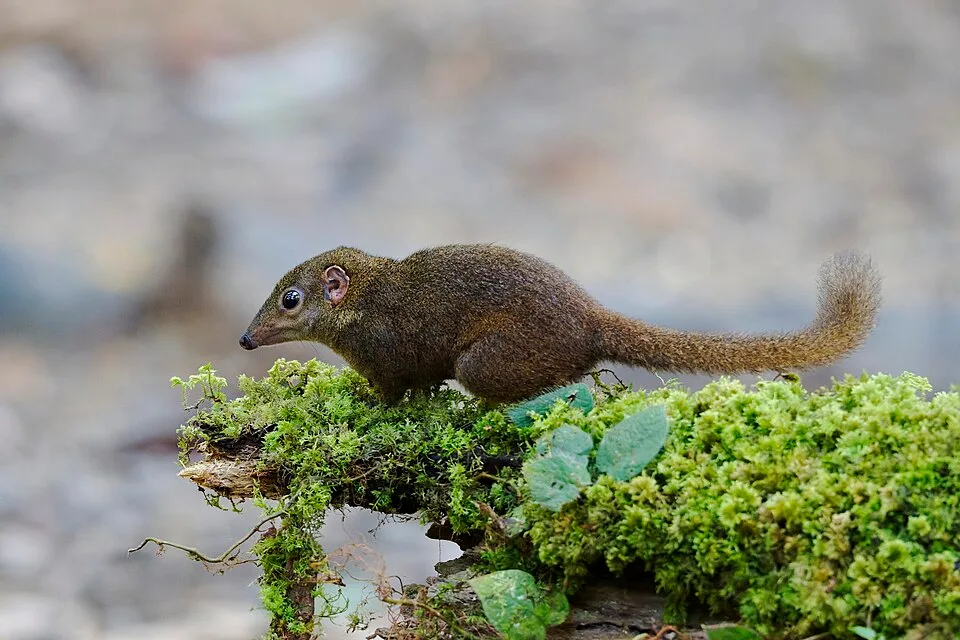
Besides trapping insects, the pitchers receive nutrients from mammal droppings. Kinabalu research recorded mountain treeshrews and summit rats taking nectar from the lid and depositing faeces into the pitcher.
Sources & references · 1
PLOS ONE / Greenwood et al. · A Unique Resource Mutualism between Nepenthes rajah and Members of a Small Mammal CommunityProtecting the plant and its habitat
Kew reports the formal IUCN category Endangered. Its restricted habitat warrants careful protection from disturbance, collection, drought and fire; a modelled extinction-risk prediction is a different measure from the Red List assessment.
Sources & references · 2
Royal Botanic Gardens, Kew · Nepenthes rajah: Kew Species Profile and IUCN CategoriesPlant Ecology / van der Ent, Sumail and Clarke; James Cook University repository · Habitat differentiation of obligate ultramafic Nepenthes endemic to Mount Kinabalu and Mount TambuyukonConnections with animals
Mountain treeshrew feeds on secretions beneath the lid of Nepenthes rajah. While feeding, it can deposit droppings into the pitcher. Field observations on Kinabalu document this exchange: food for the mammal and a nitrogen source for the plant.
Kinabalu rat also visits Nepenthes rajah, chiefly at night in the camera study. It receives sweet secretions and contributes droppings. This gives the pitcher a second mammal partner alongside the daytime treeshrew.
Sources & references · 1
PLoS ONE, 2011 · A unique resource mutualism between Nepenthes rajah and small mammalsHow the plant grows
The pitchers are modified leaves linked to a broad leaf blade by a tendril. Young plants and established individuals differ in appearance, and not every pitcher becomes exceptionally large. The lid and nectar-bearing surfaces matter as much as size: they position visiting mammals over the opening. Separate male and female plants produce flowers, so pitchers are not the plant’s reproductive organs.
Sources & references · 2
Royal Botanic Gardens, Kew · Nepenthes rajah: Kew Species Profile and IUCN CategoriesPLoS ONE, 2011 · A unique resource mutualism between Nepenthes rajah and small mammalsRange & habitat
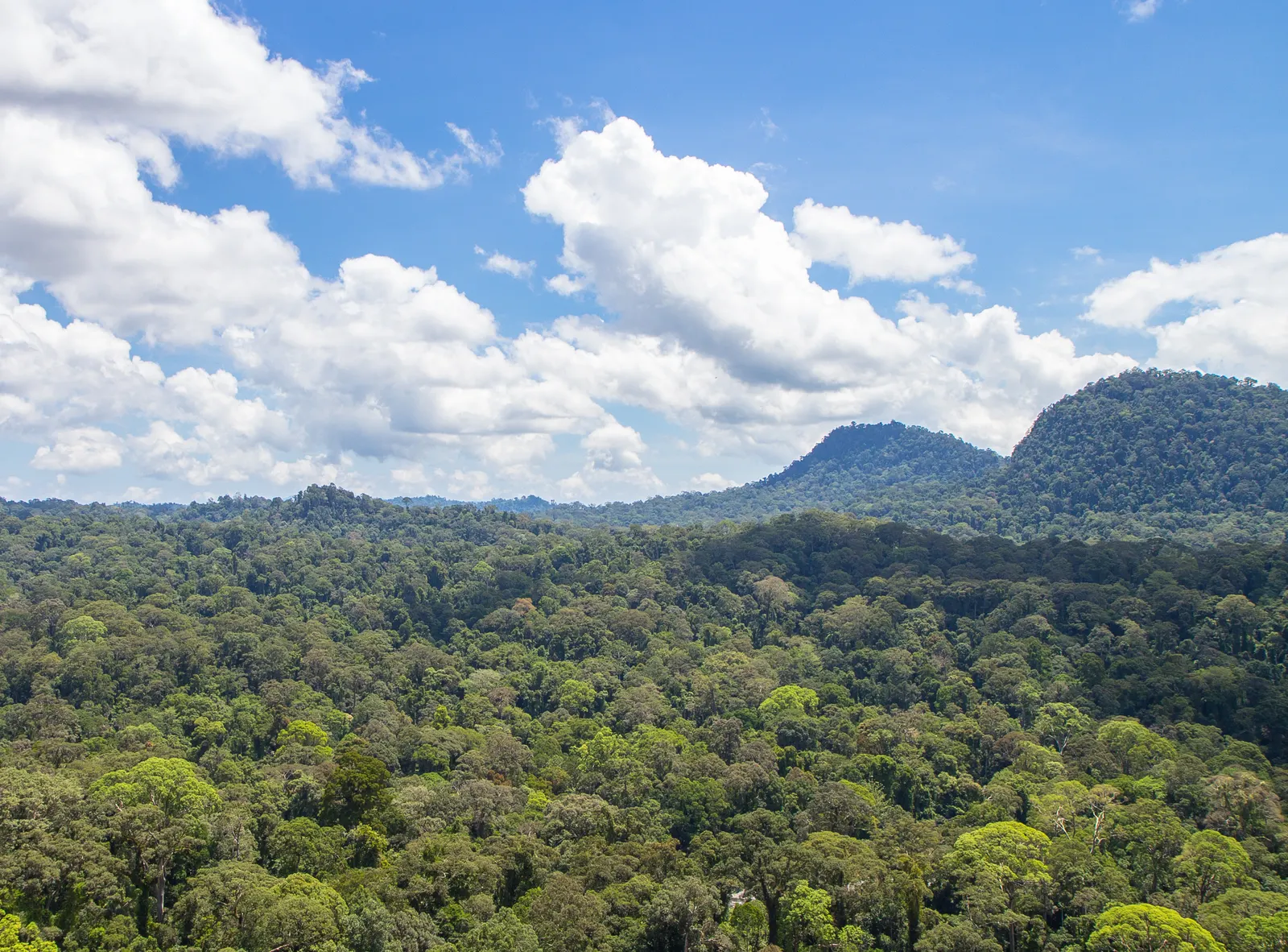
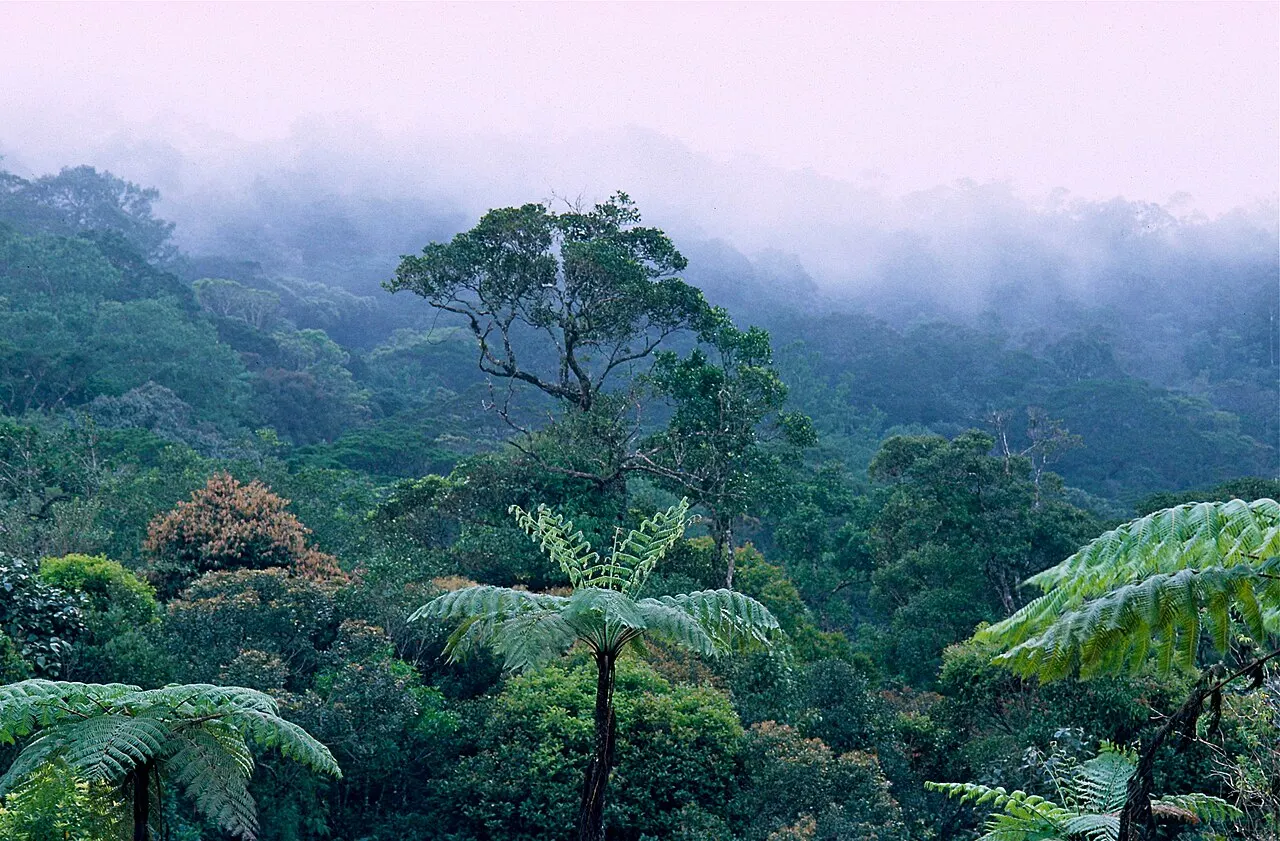
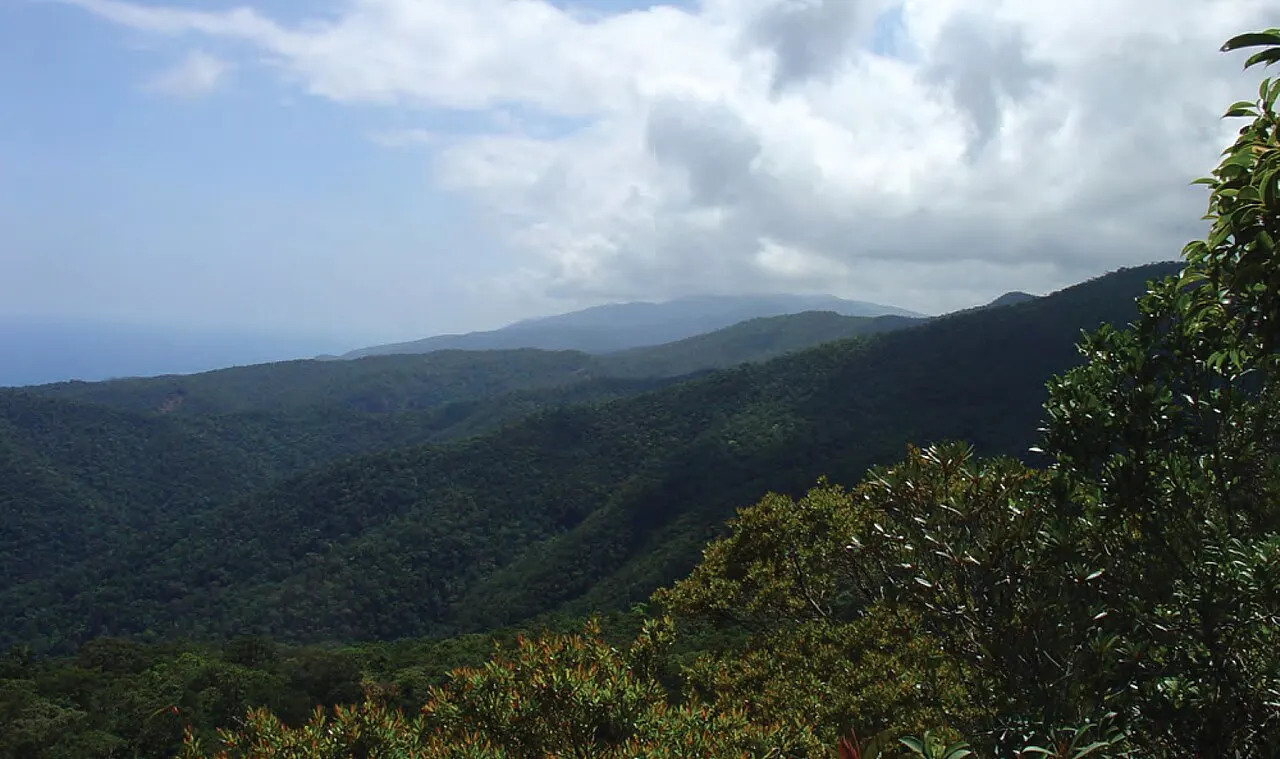
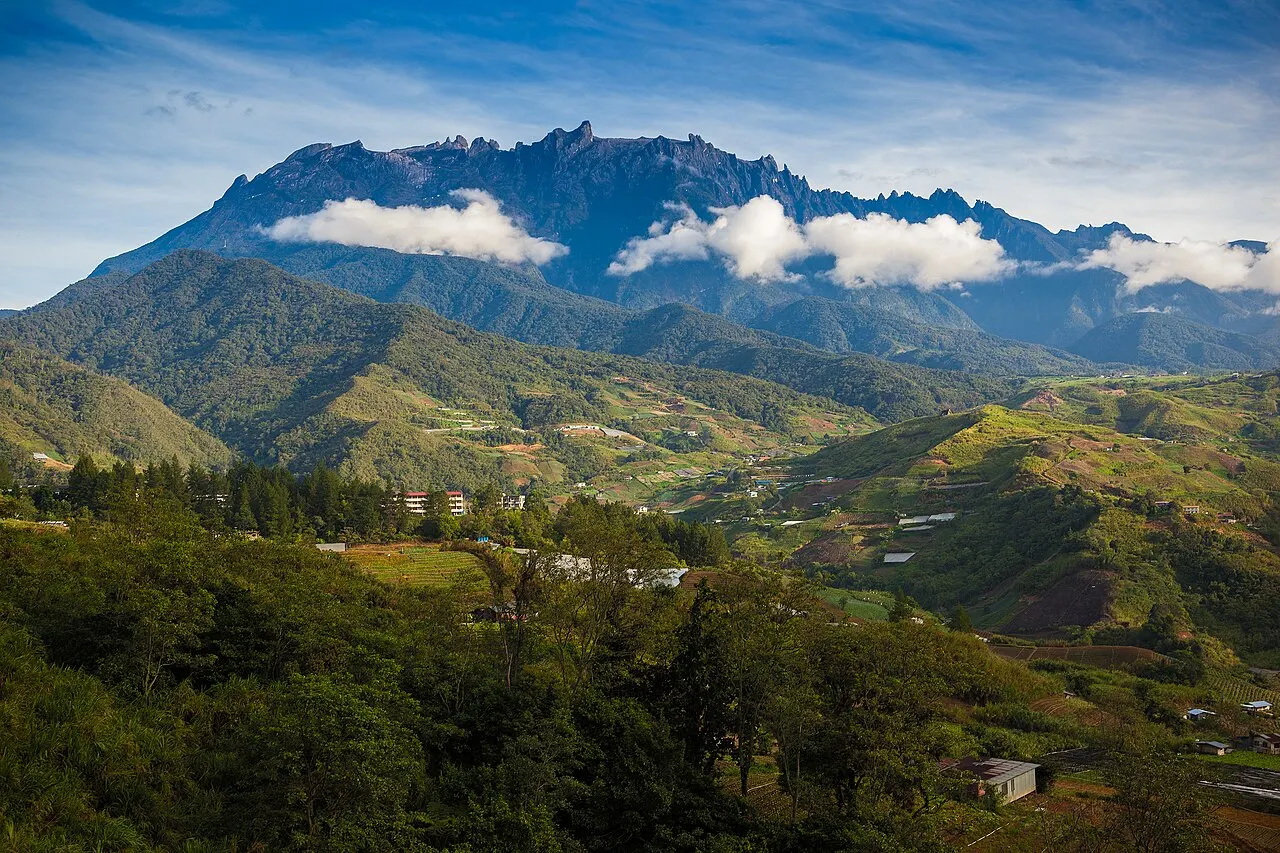
The species is localised to the Kinabalu mountain complex, including Mount Tambuyukon in Sabah. Studies associate it with open vegetation on ultramafic substrates, where unusual soil chemistry influences the plant community. Mountain treeshrews visit for sugary secretions, while Kinabalu rats also participate in the documented nutrient exchange. Their droppings supplement nutrition without making every large pitcher a specialised trap for rodents.