Daily life
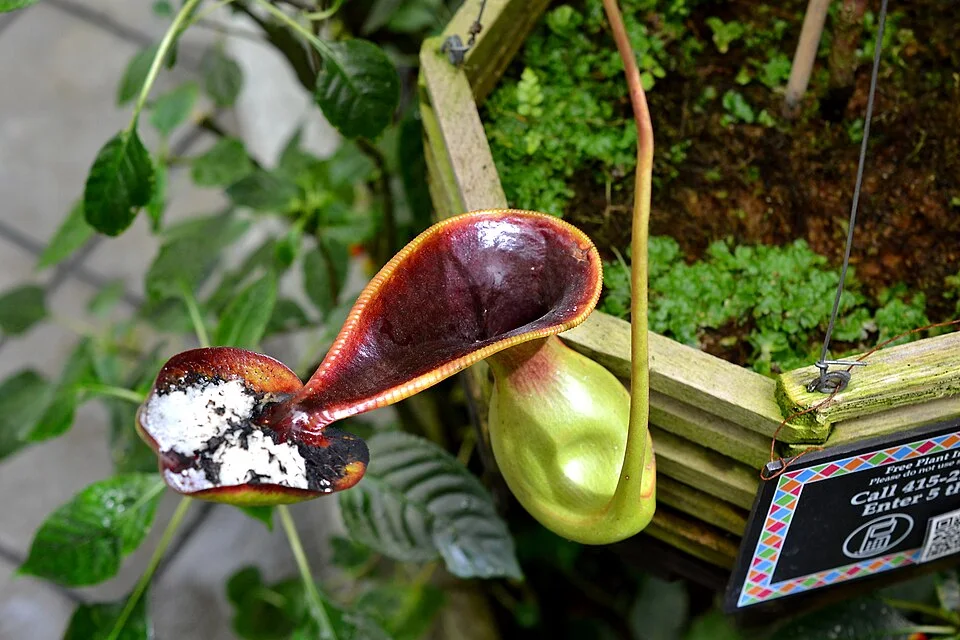
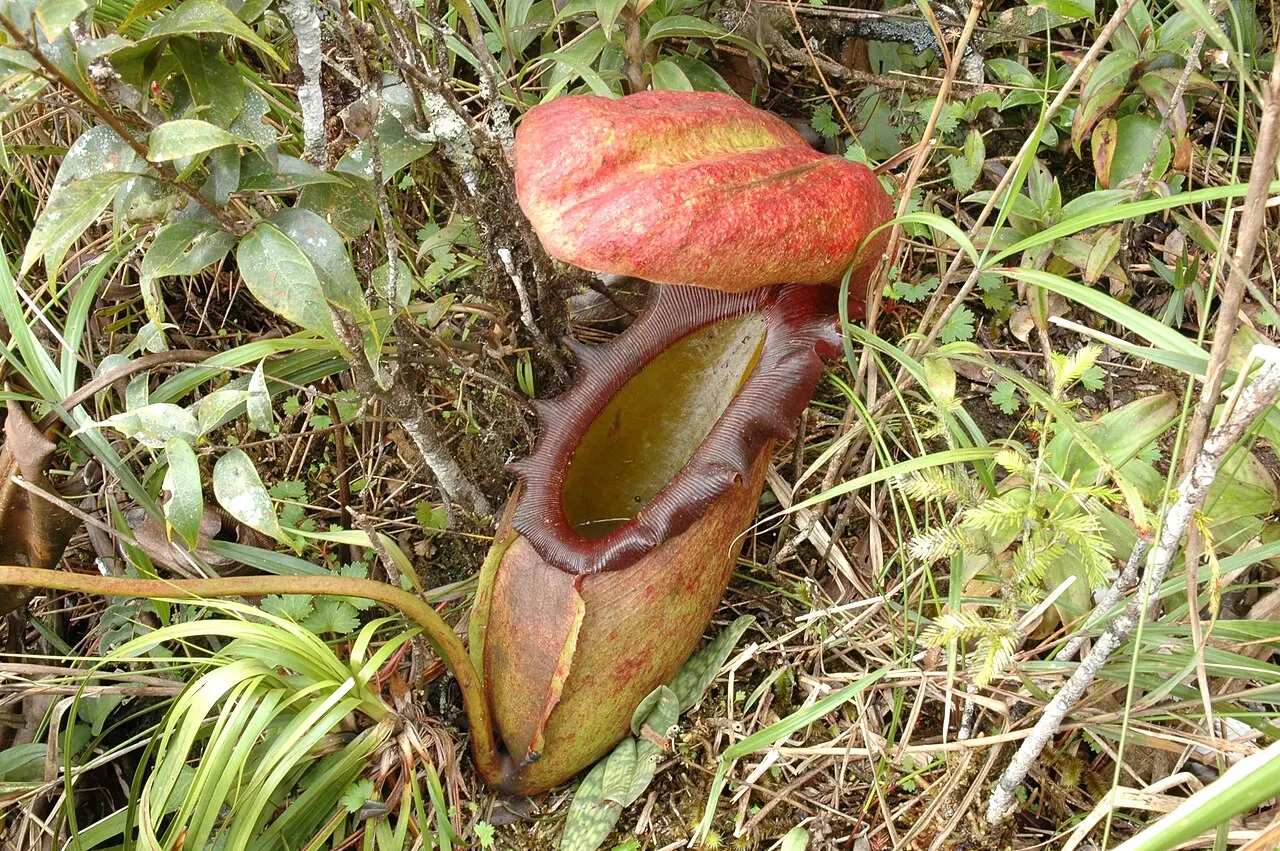
At studied pitcher plants it visited during daylight to feed on sweet secretions. This observation is specific to the monitored relationship; it is not a promise of easy daytime sightings along every mountain trail.
Sources & references · 2
Mammal Diversity Database, American Society of Mammalogists · Tupaia montanaPLoS ONE, 2011 · A unique resource mutualism between Nepenthes rajah and small mammalsA mammal of Borneo's mountains
The mountain treeshrew belongs to its own mammalian order, Scandentia, rather than to the true shrews. It is native to Borneo's uplands, including the Kinabalu and Crocker mountain landscapes. Museum specimens and field measurements show that body form varies across elevations, so individuals need not look identical throughout the range. It searches for food around the forest floor and vegetation, taking invertebrates and plant foods. Its importance to some highland pitcher plants comes from nectar visits: droppings left at the pitcher opening supply nutrients to the plant.
Sources & references · 3
PLOS ONE · Challenging ecogeographical rules: Phenotypic variation in the mountain treeshrew along tropical elevational gradientsHandbook of the Mammals of the World · Tupaia montana accountPLoS ONE, 2011 · A unique resource mutualism between Nepenthes rajah and small mammalsRecognising a treeshrew
Plush brown fur, a pointed face and a bushy tail give the mountain treeshrew a squirrel-like appearance. The underside is paler. Look at the whole animal: mountain ground squirrels occur alongside it and can be mistaken for treeshrews.
Sources & references · 1
Handbook of the Mammals of the World · Tupaia montana accountNests close to the ground
Radio-tracked animals slept in leaf nests tucked beneath moss and roots, between rocks, or inside fallen wood. They used natural gaps rather than excavating a burrow. Small ranges can overlap between a male and female. Alarm calling and tail movements accompany encounters with perceived danger.
Sources & references · 1
University of California Press, Louise H. Emmons · Tupai: A Field Study of Bornean TreeshrewsAcross the mountain slopes
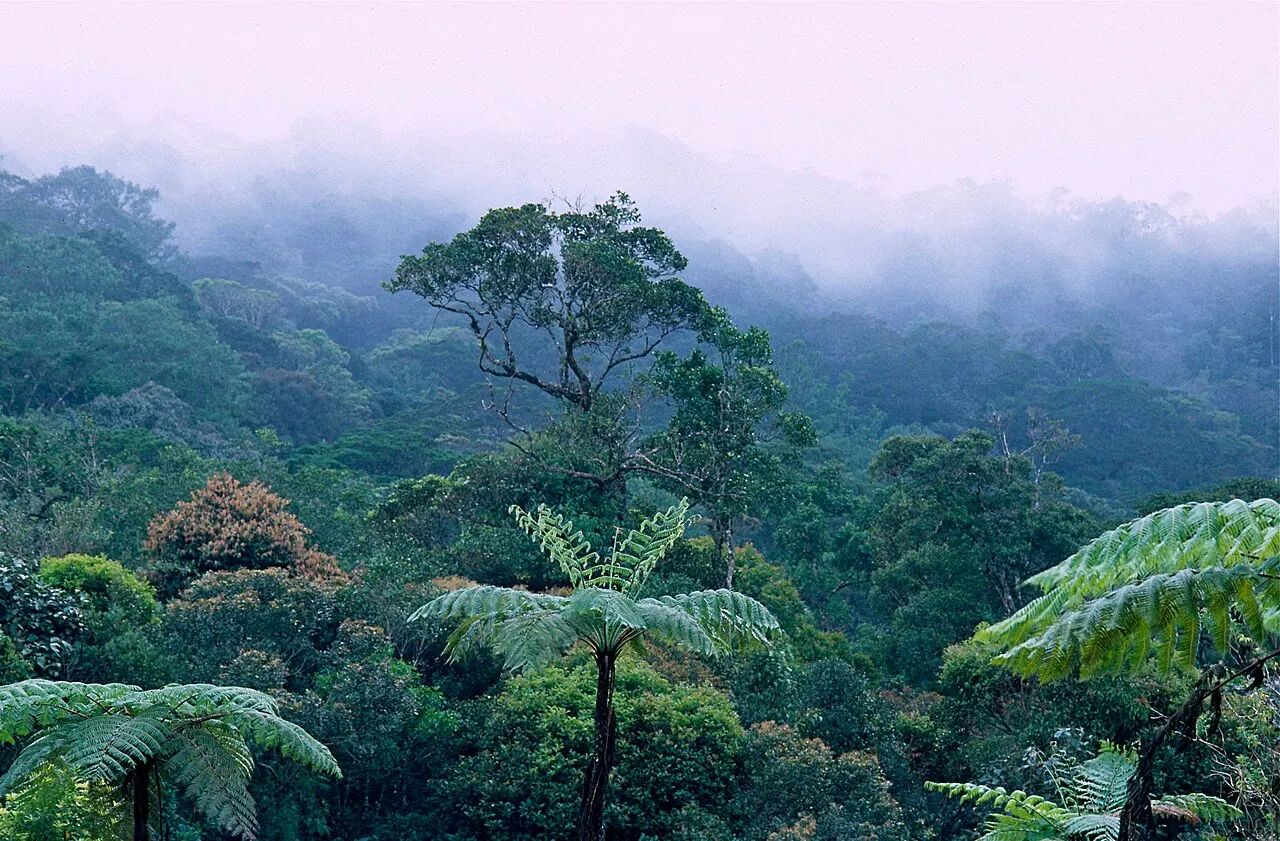
Unlike a mammal confined to one summit zone, this treeshrew occupies a broad elevational range. Genetic research on Kinabalu and Tambuyukon found little structure across a steep ecological gradient. Its mountain populations therefore show substantial connections despite changes in forest conditions with height. The species is globally Least Concern.