Appearance & recognition
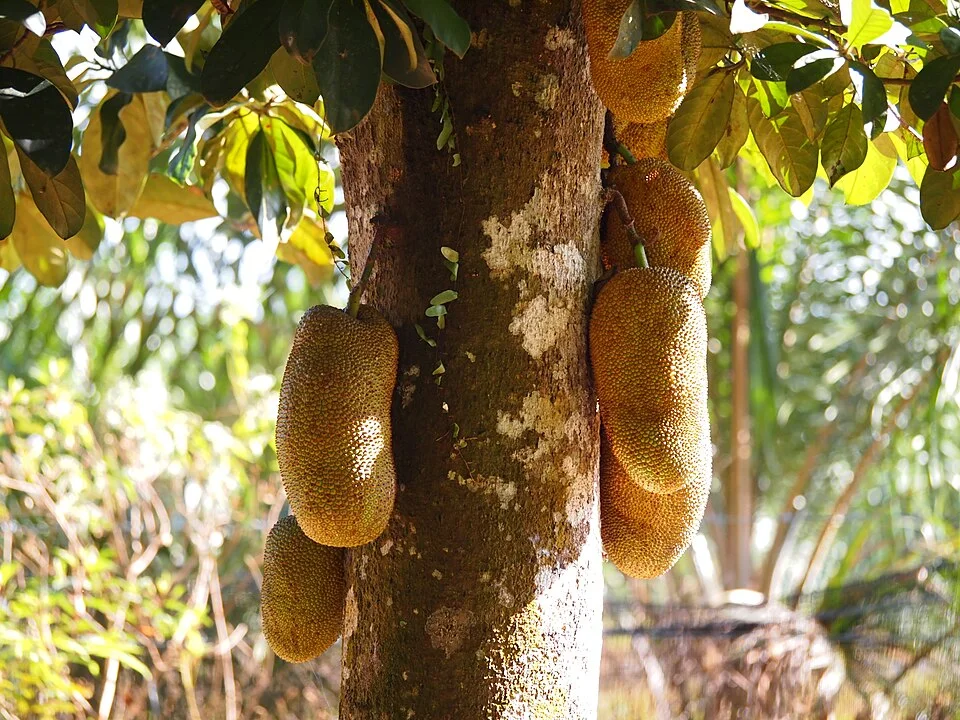
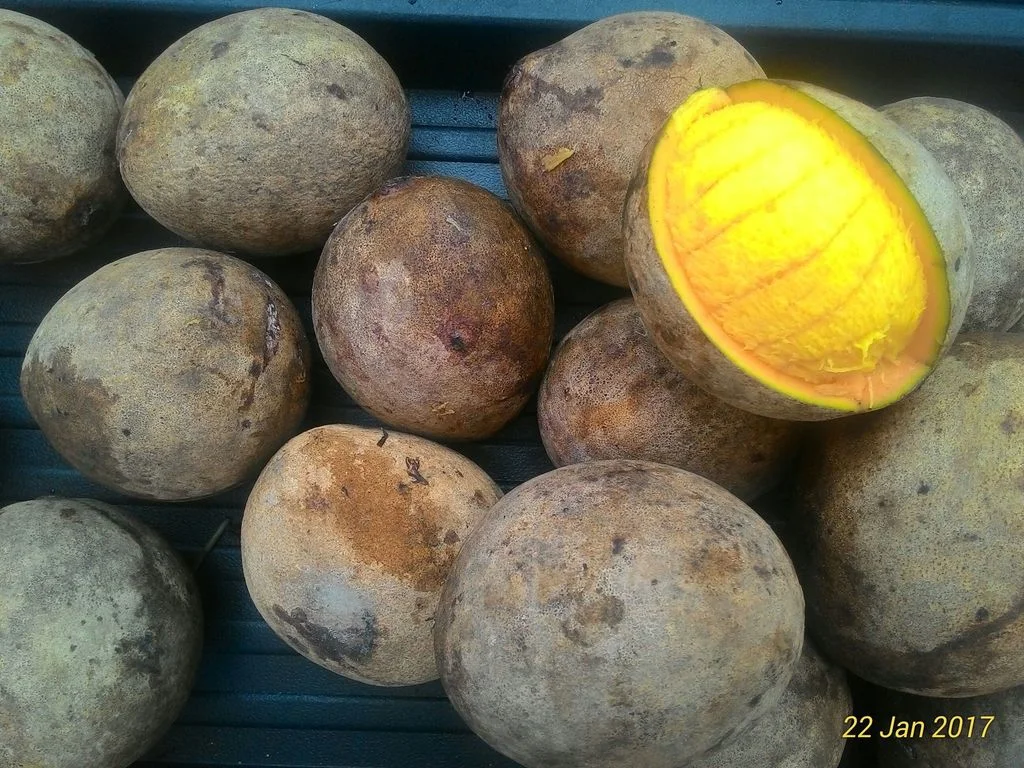
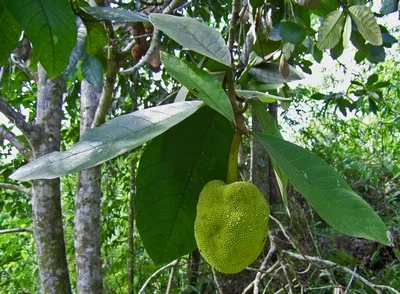
Artocarpus odoratissimus belongs to the mulberry family, Moraceae, and is related to jackfruit and cempedak. Its leaves and young parts are noticeably hairy. The compound fruit surrounds many portions of white flesh, each associated with a seed. This differs from the single-stoned fruit of a mango such as bambangan.
Sources & references · 1
Gardens’ Bulletin Singapore 73(2), 2021 · Artocarpus revision: morphology, distribution and local namesRange & habitat
Tarap grows in Bornean forests and is also cultivated for its aromatic fruit. The white pulp is soft and sweet; the seeds are a separate plant part and are eaten cooked. In Sarawak, Iban knowledge distinguishes lumok from pingan. A genetic study published in 2022 supports treating lumok as Artocarpus odoratissimus and pingan as Artocarpus mutabilis. These are species distinctions, rather than merely cultivated and wild forms of one tree. Local names should therefore be read in their particular linguistic and botanical context.
Sources & references · 2
Gardens’ Bulletin Singapore 73(2), 2021 · Artocarpus revision: morphology, distribution and local namesCurrent Biology, Gardner et al. (2022) · Indigenous knowledge and genetic evidence distinguish Artocarpus odoratissimus and Artocarpus mutabilisEcological relationships
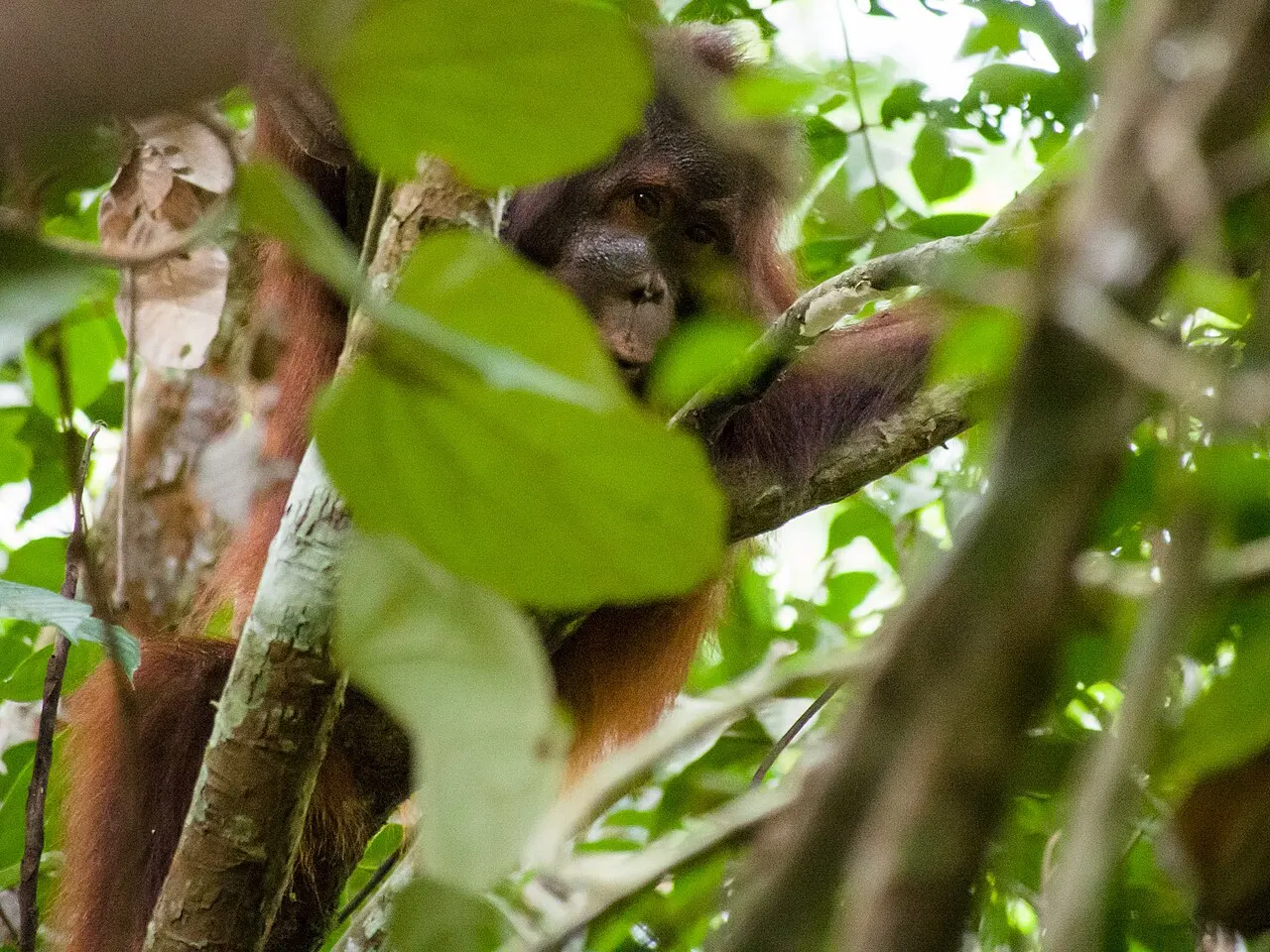
Research in Wehea–Kelay lists Artocarpus odoratissimus among the food plants of Bornean orangutans. It supports a food-plant association, while leaving the consumed part unspecified; leaves sampled for chemical analysis are not proof that leaves were eaten.