Begin with context
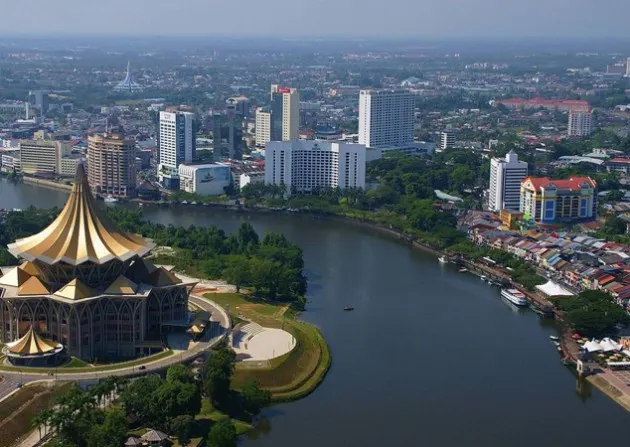
Sibu is more rewarding when its landmarks are connected to the river and the people who shaped the town. The municipal council has established a heritage-trail concept, while Sarawak Tourism identifies a range of central sites. Use that framework to plan a walk rather than assuming every marked place belongs in one uninterrupted circuit. The Sibu Heritage Centre is a useful interpretive starting point when open, with material about the region's communities and the town's development. Leave time for unplanned questions.
Choose a coherent group of stops
The tourism map names Tua Pek Kong Temple, Hoover Square, the Rejang Esplanade and the Heritage Centre among Sibu's places of interest. A route linking selected central stops can bring together worship, public memory and the riverfront. Look at how streets lead towards the water and how everyday movement continues around visitor landmarks. Leave room for reading and observation instead of measuring the walk by the number of photographs collected.
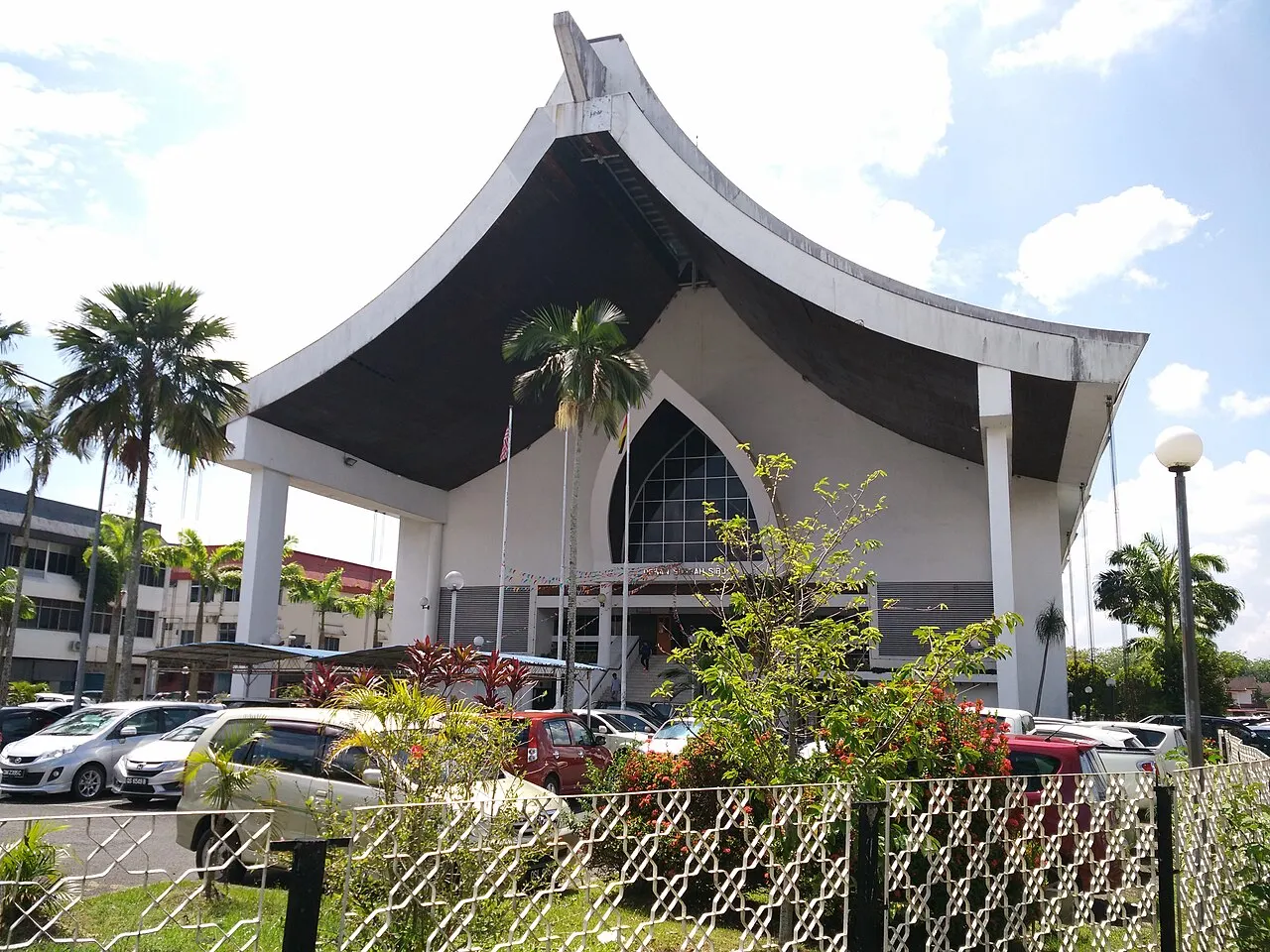
Other mapped sites include the Lau King Howe Hospital Memorial Museum and Al-Qadim Mosque. Add them only if the walking distance, opening arrangements and your interests make sense. A museum interior requires more time than an exterior view. A religious building remains a place of worship, so entry and photography follow the host's rules.
Walk independently or arrange interpretation
This outing can be planned independently using a current town map and information from visitor services. If you want a guide, agree the route, language and actual walking content. Greatown publishes a Fuzhou heritage programme with land transfers; that is a useful guided option to investigate, but it is not evidence of a fixed walking departure. Do not buy a coach-based itinerary while expecting the whole visit to take place on foot.
Allow part of a day as an editorial planning choice, with breaks for heat or rain. The sources do not establish one current universal duration for the walking route. Choose fewer stops if that gives time to understand them properly.
Practical care and combinations
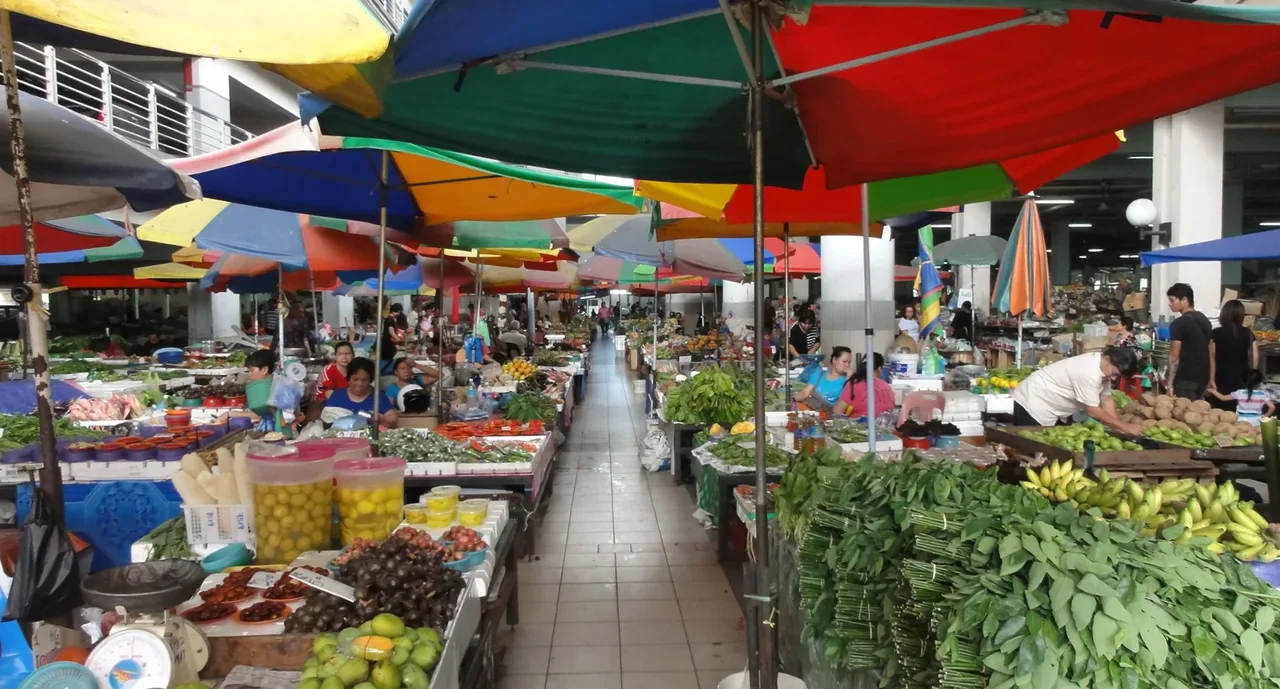
Wear comfortable shoes, carry water and use road crossings carefully. Pavements, entrances and steps vary, so check the specific route if anyone needs mobility support. Keep shopfronts clear when pausing and request permission before photographing worshippers or residents. A central hotel supports a simple start and finish without attaching an airport transfer. The market-and-food walk offers a complementary focus on everyday ingredients and eating; keep its tasting time distinct from the heritage stops. Avoid planning museum access around an assumed opening hour taken from an old brochure.