Understand the centre's role
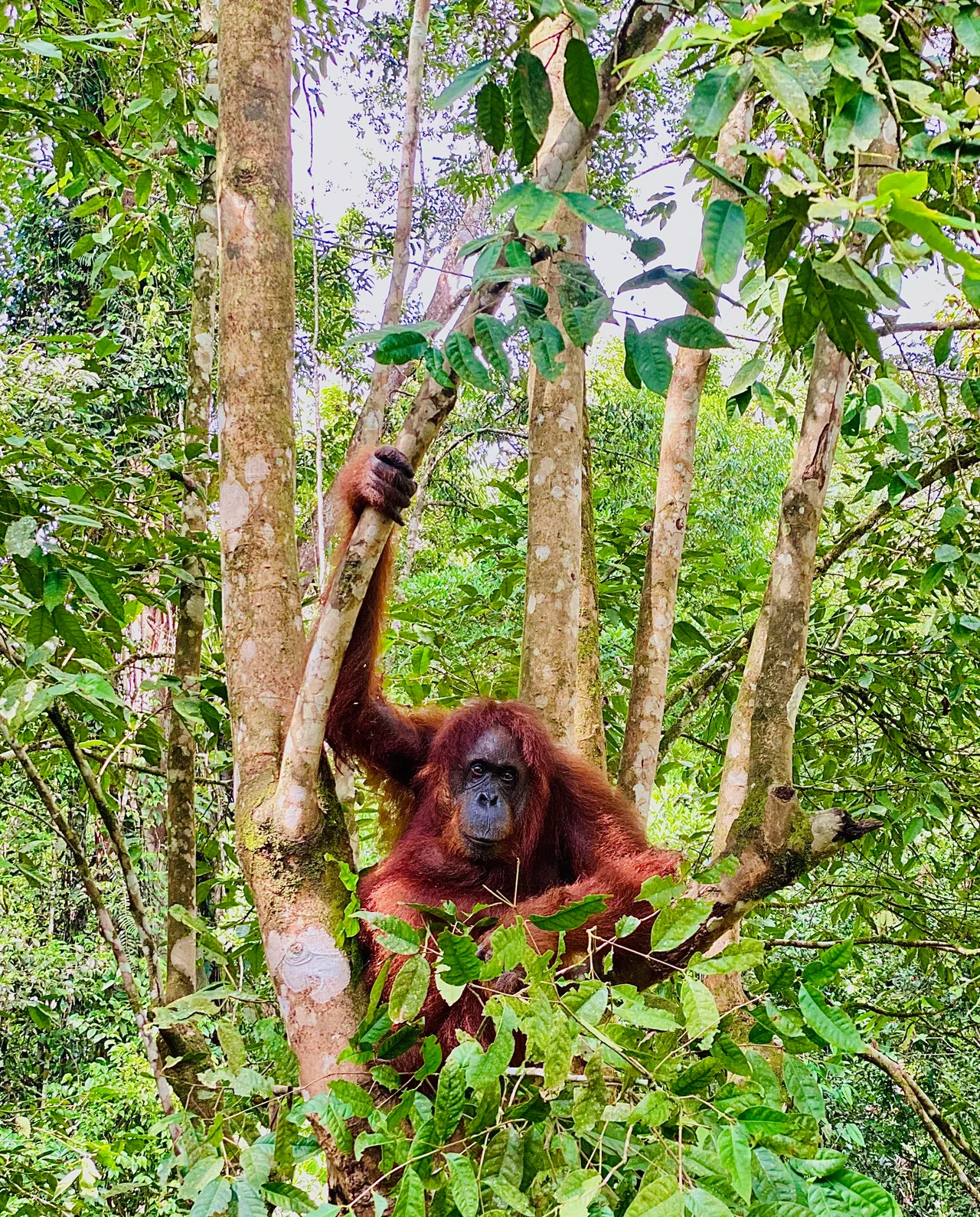
Established in 1975, Semenggoh originally cared for injured, orphaned and formerly captive wildlife. Its orangutan rehabilitation work eventually moved to Matang Wildlife Centre as the surrounding forest's capacity was reached. Today Semenggoh supports research, conservation education and a semi-wild population that includes descendants of rehabilitated mothers. This distinction matters: visitors are observing animals with freedom to move through forest, rather than attending a zoo show. Reading about the Bornean orangutan beforehand gives the visit context without turning any individual animal into a promised encounter.
Choose a morning or afternoon window
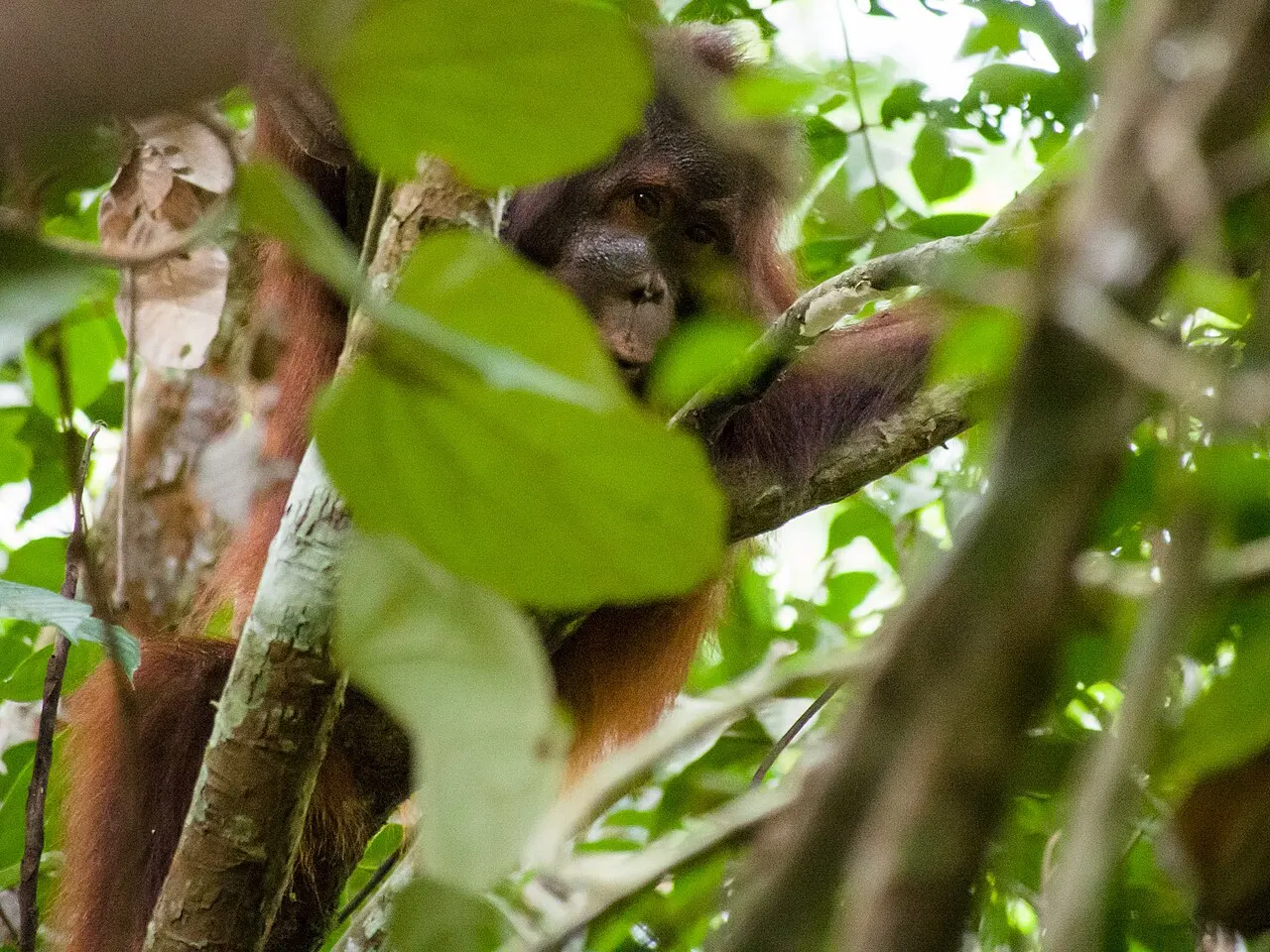
The Sarawak tourism ministry's published visitor information lists morning access from 08:00 to 10:00, with feeding from 09:00, and afternoon access from 14:00 to 16:00, with feeding from 15:00. Confirm current arrangements before travelling and allow time to enter and hear staff instructions. These windows describe visitor arrangements, not appointments kept by orangutans. When natural fruit is plentiful, some or all animals may remain in the forest. A visit with few sightings is therefore compatible with the centre's conservation purpose.
Use Kuching as your base
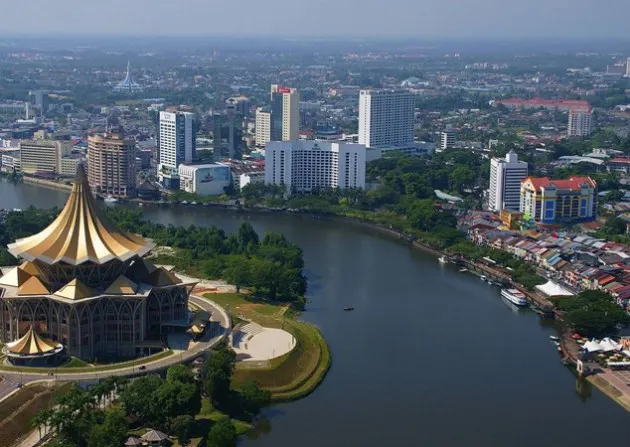
Sarawak Forestry places the centre around 24 kilometres from Kuching. A half-day outing centred on one visiting window leaves space for the road journey and an unhurried return. Arrange both directions of your transfer; do not assume a vehicle will be immediately available when you leave. Check the latest transport and entry information rather than relying on an old bus timetable or ticket price. Semenggoh is a distinct destination from Matang, so tell your driver or organiser the full name when making arrangements.
Watch without creating an encounter
Follow the ranger briefing and remain within the visitor areas open that day. Give animals space, keep food out of reach and do not feed, touch or call them closer. For a photograph, work with the view available from your permitted position rather than moving into their path. A quiet visit can include waiting and listening as well as seeing an animal. Keep the rest of your Kuching day flexible, but do not treat a second feeding window as a guarantee of a sighting.