Recognition
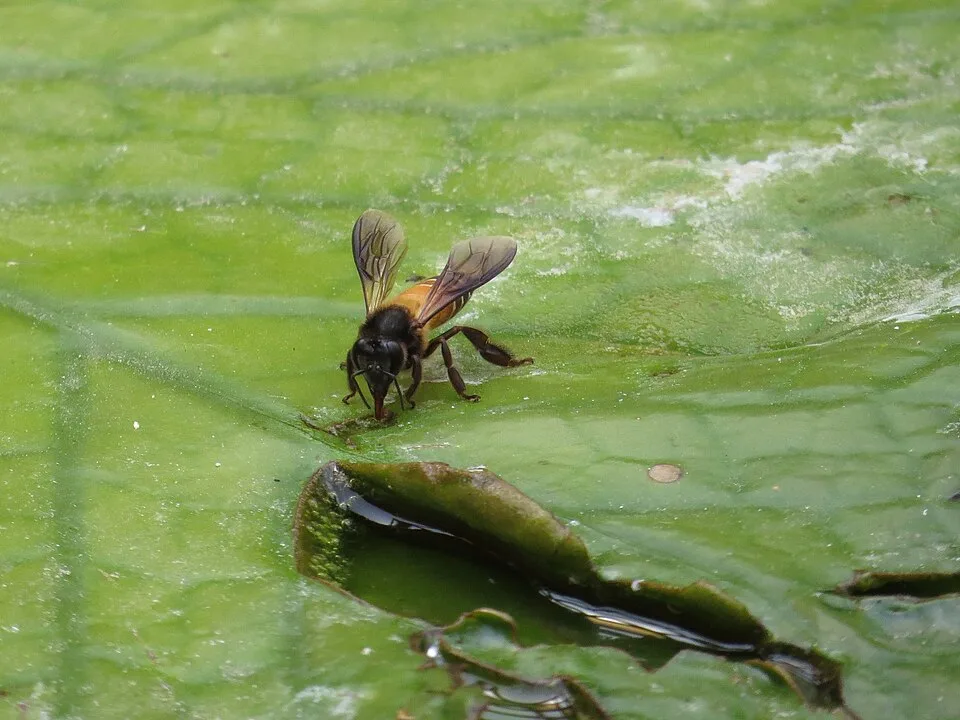
The colony is often more conspicuous than an individual bee: a dense curtain of workers covers the hanging comb. Unlike the enclosed combs familiar from conventional beehives, the nest is exposed to light, rain and predators. The workers themselves become part of the protective structure. An occupied nesting branch is therefore a living colony, not simply a store of honey.
Sources & references · 1
PLOS ONE · Speeding up social waves: propagation mechanisms of shimmering (2014)Habitat and Borneo range
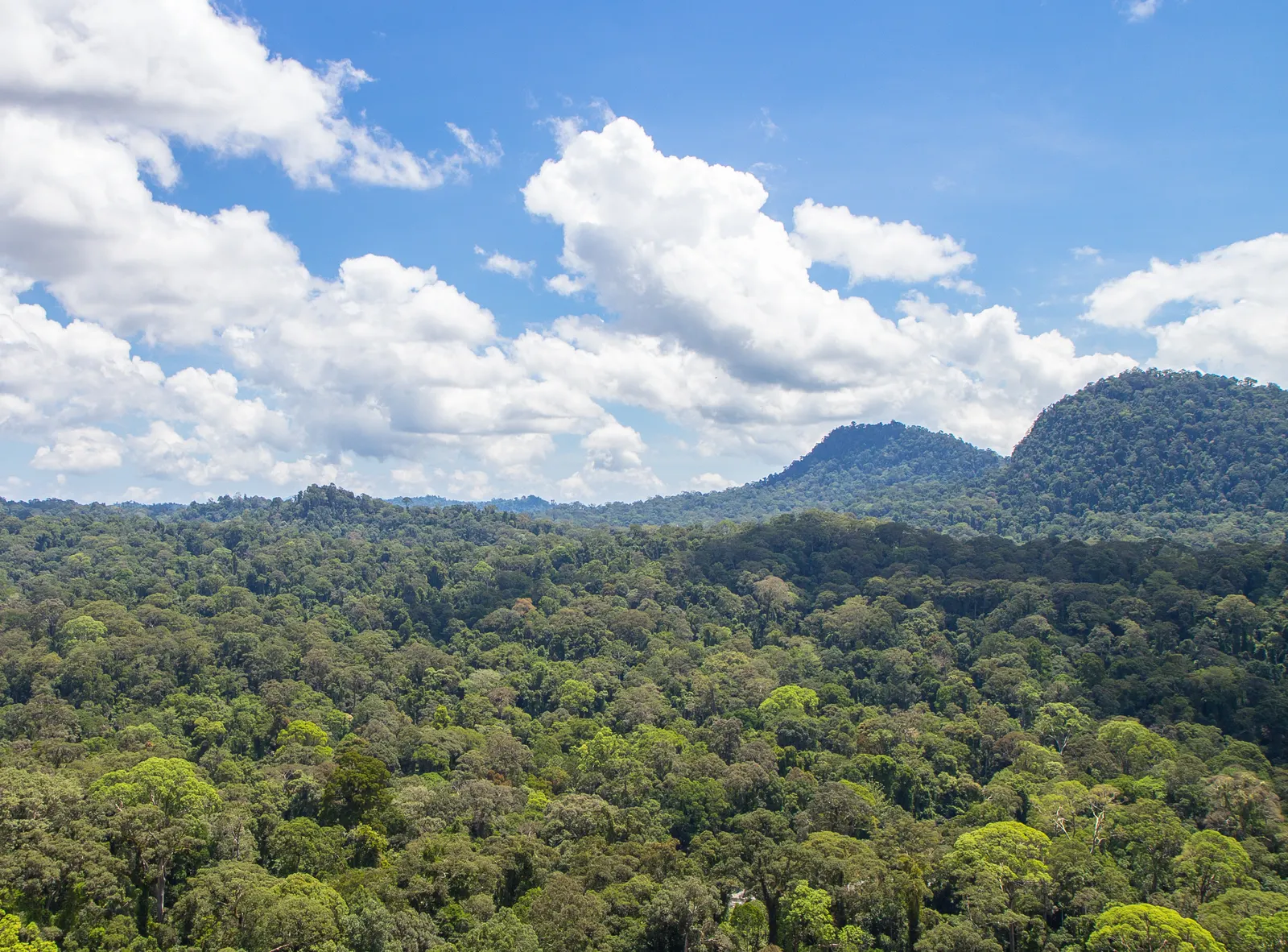
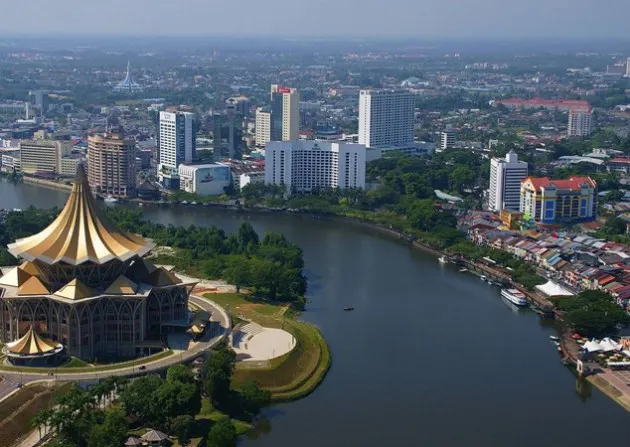
A six-year study in Sarawak followed population changes around general flowering in lowland dipterocarp forest. The response connects this mobile pollinator with pulses of floral food across the forest. In West Kalimantan, researchers identified nesting trees at Lalang, Meliau, Sanggau. Forest structure and flowering resources both matter: a suitable branch and an adequate food landscape serve different needs.
Sources & references · 2
Annals of the Entomological Society of America · Six-year population fluctuation of Apis dorsata in Sarawak lowland dipterocarp forest (2001)Universitas Tanjungpura repository · Identification of Apis dorsata nesting plants in Lalang, Meliau, Sanggau (2022)Behaviour
When predatory wasps approach, workers can lift their abdomens in coordinated waves across the nest surface. This shimmering display causes hornets to avoid the colony. Detailed video work shows that the wave can spread through several interacting fronts. It is a collective response built from many individual movements; provoking it is unnecessary for observation.
Sources & references · 2
PLOS ONE · Social waves in giant honeybees repel hornets (2008)PLOS ONE · Speeding up social waves: propagation mechanisms of shimmering (2014)Reproduction
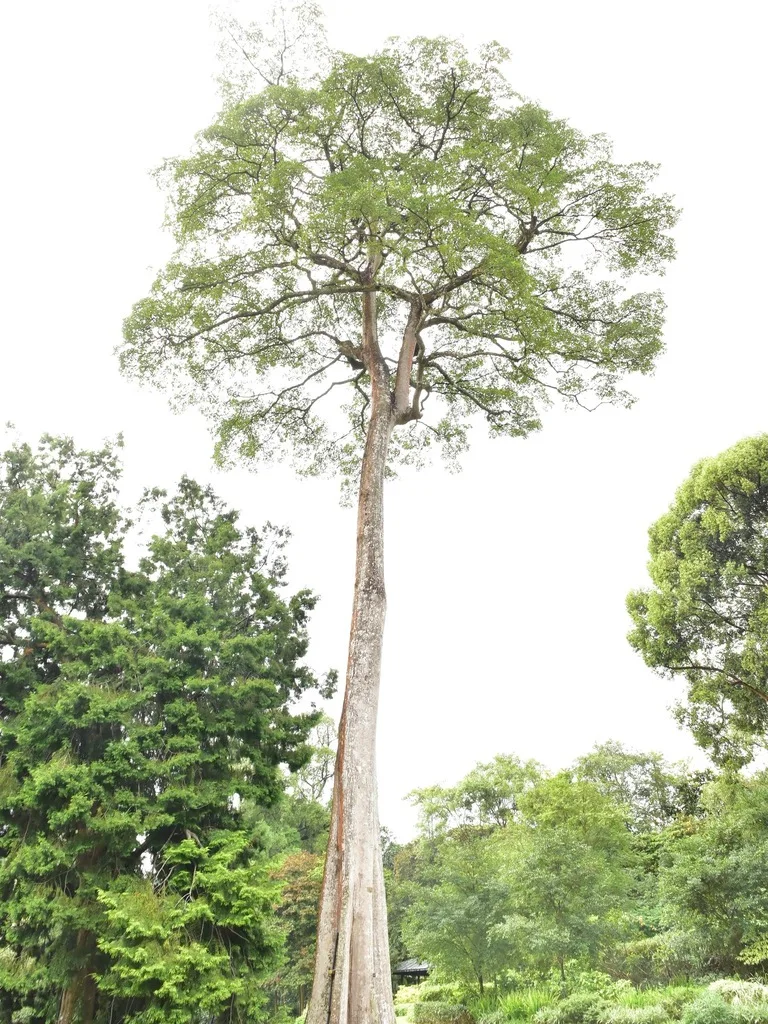
Research on Borneo documented male congregation areas beneath the canopies of tall emergent trees. Reproduction therefore uses aerial space beyond the nest itself. The colony contains workers, a queen and males with different roles; nest location and mating-flight landscape are separate parts of its ecology. The documented tree-canopy association does not mean that every tree carrying a comb is also a mating site.
Sources & references · 1
Apidologie · Drones of Apis dorsata congregate under emergent-tree canopies in Borneo (1993)Relationships with plants
The Lalang nesting-tree study includes Alstonia pneumatophora. This is a nesting relationship: the tree provides support for a colony. It is not evidence that the bees specifically pollinate that tree or feed its leaves to their young. The same study recorded several other tree taxa, showing that the species can use more than one kind of nesting tree.