A river town beyond Miri
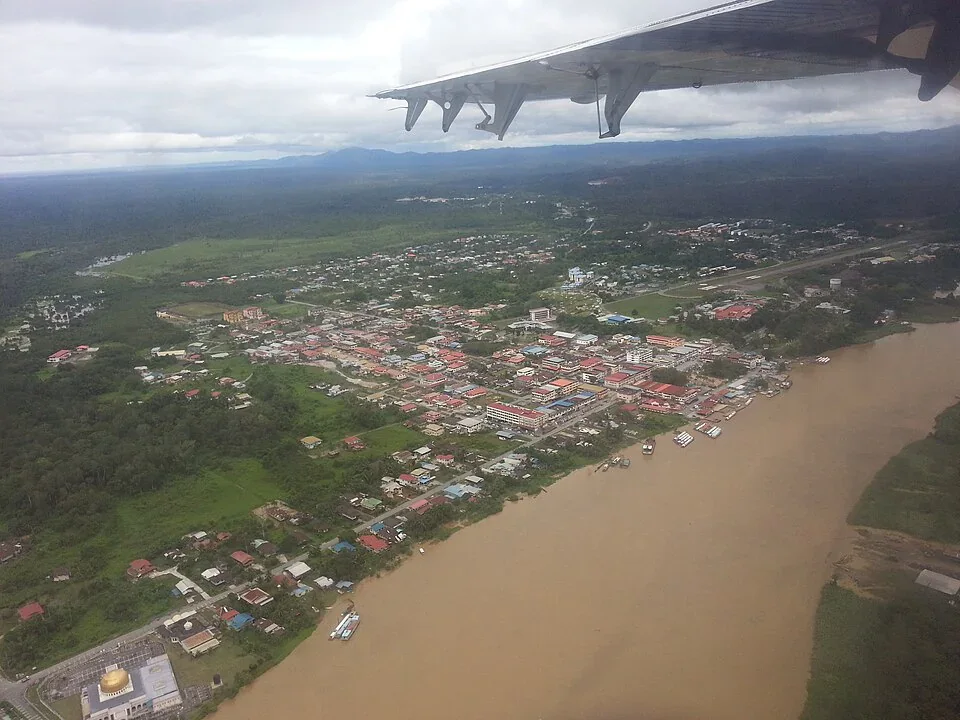
Marudi makes a useful day out for travellers who want to understand the Baram region beyond Miri's coastal development. The focus is a small river town: its museum, temple, food businesses and relationship with the river. This is a different experience from touring Miri's oil-industry landmarks, although Miri remains the practical starting point for the published guided programme.
Majestic Leisure's Marudi day trip combines town stops with a possible visit to Sungai Babi's Iban longhouse. Treat the two settings differently. Public streets are places to explore; a longhouse is somebody's home and requires an arranged welcome. The value of a guide is partly in making those introductions and explaining the connections between the town and its surrounding communities.
Reading the town through Fort Hose
Fort Hose, now the Baram Regional Museum, gives the day its historical centre. Its position above the Baram River helps explain why administration developed here. The Museum Department records the building's reconstruction after a fire in 1994, so the structure visitors see should not be described as an untouched nineteenth-century original.
Allow time for the exhibits rather than treating the fort only as a photograph stop. Questions about river travel, local communities and administrative change make useful threads for the visit. Museum opening differs between weekdays and weekends, and holiday closures can affect a fixed itinerary. Check the intended visit day before committing to a departure built around this stop.
Food and an invited community visit
The operator's route also features Da Bo Gong temple and local food, including Marudi kueh tiaw, charcoal-grilled bread and cakes. These are opportunities to see what is actually available that day, rather than a guaranteed tasting menu. Share dietary restrictions before departure: a tour description mentioning food does not establish that every meal or snack is included.
If the longhouse visit is confirmed, follow the host's lead on where to enter, sit and take photographs. Buy crafts or refreshments only if you want them; an ordinary social exchange need not become a staged performance. Ask before photographing people and keep private rooms outside the visit. Community participation can change with household commitments.
Planning the day
The published itinerary allows roughly eight hours from Miri and includes a guide and road transfers. The return journey occupies a meaningful part of that time, so this suits someone with a full spare day more than a traveller squeezing an excursion between flights. Confirm the pickup point, museum opening and which hosted stops are agreed.
Wear comfortable shoes for short walks and carry drinking water and rain protection. This is primarily a heritage and food outing, not a forest trek. A slower version with fewer stops can be more rewarding than adding distant attractions: the town's river setting and everyday businesses are the reason to come.