Water and peat
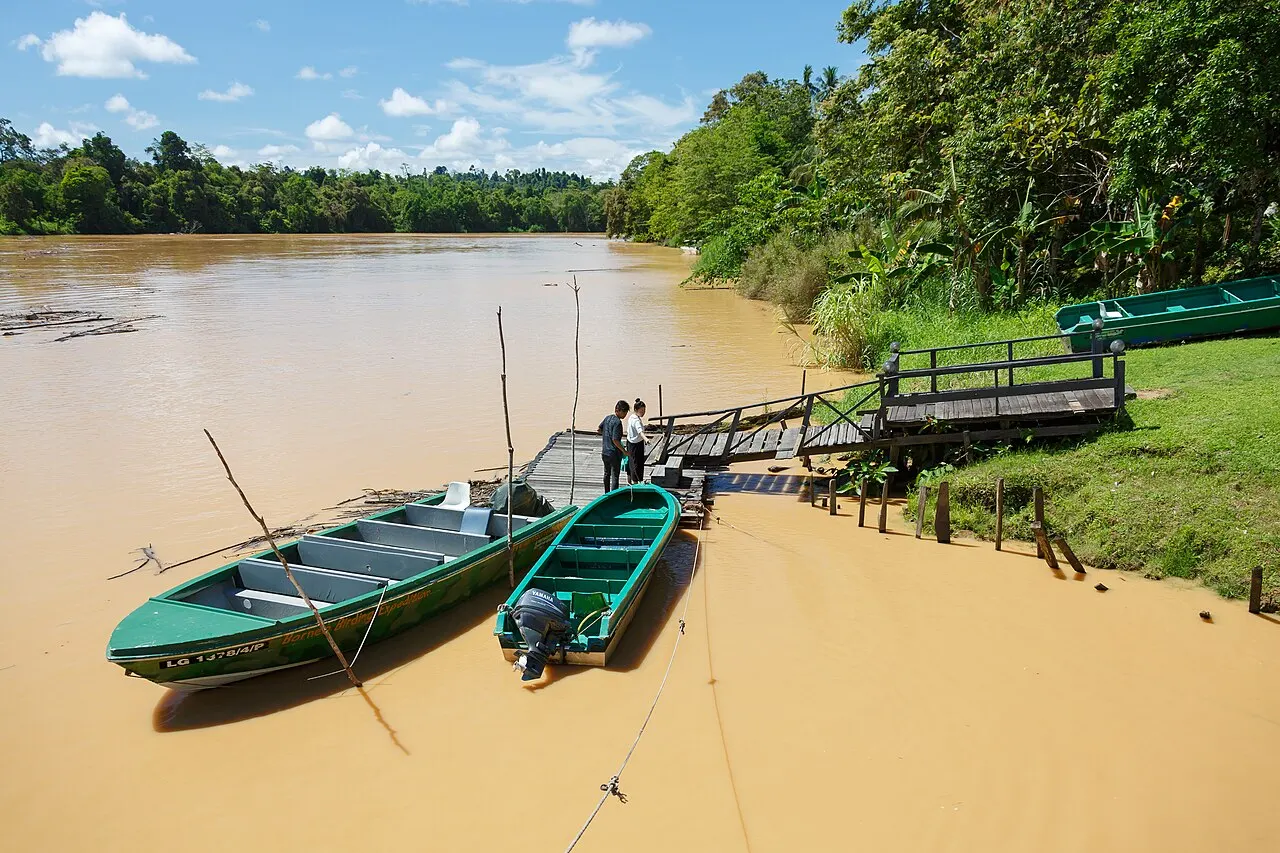
At the lower Kinabatangan, water defines a landscape of floodplain habitats and forest fragments. The river is not simply a stage for wildlife photographs. It is part of the system in which animals feed, rest and move. Elephant research shows why connectivity matters: a landscape can contain trees yet still restrict movement when habitats become separated. Looking at riverbanks and the spaces between forest patches adds meaning to any animal encounter.
Culture in context
Farther southeast, Semporna introduces a different relationship with water. Maritime traditions associated with Sama-Bajau communities include lepa boats and the skills involved in making and using them. These communities are diverse; the label does not mean everyone follows the same livelihood or lives on a boat. Listen to local explanations rather than reducing a working coast to a romantic image of people and sea.

A habitat mosaic
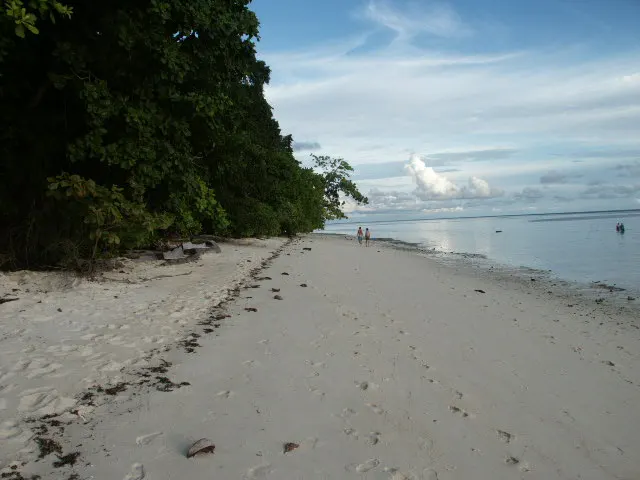
Offshore, Mabul and Sipadan are separate destinations with different roles. Coral reefs and documented seagrass habitats support life in different ways; neither should be treated as an empty surface for visitors to stand on. Sipadan’s whitetip reef sharks are supported by specific scientific evidence. A generic mention of manta rays, however, does not identify every manta species or justify promising one on a dive.
Practical geography
A river visit and a reef visit need separate travel plans. Reaching Semporna via Tawau does not include an island transfer or permission to enter Sipadan. Check each stage independently and leave flexibility for river or sea conditions. Understanding these distinctions helps protect time as well as habitats: fewer rushed stops can leave more room for observation, conversation and careful preparation.