The reef and the island above it
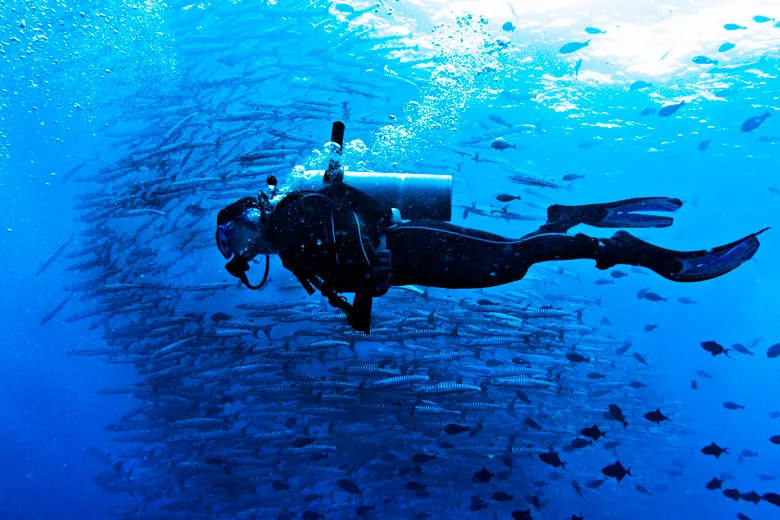
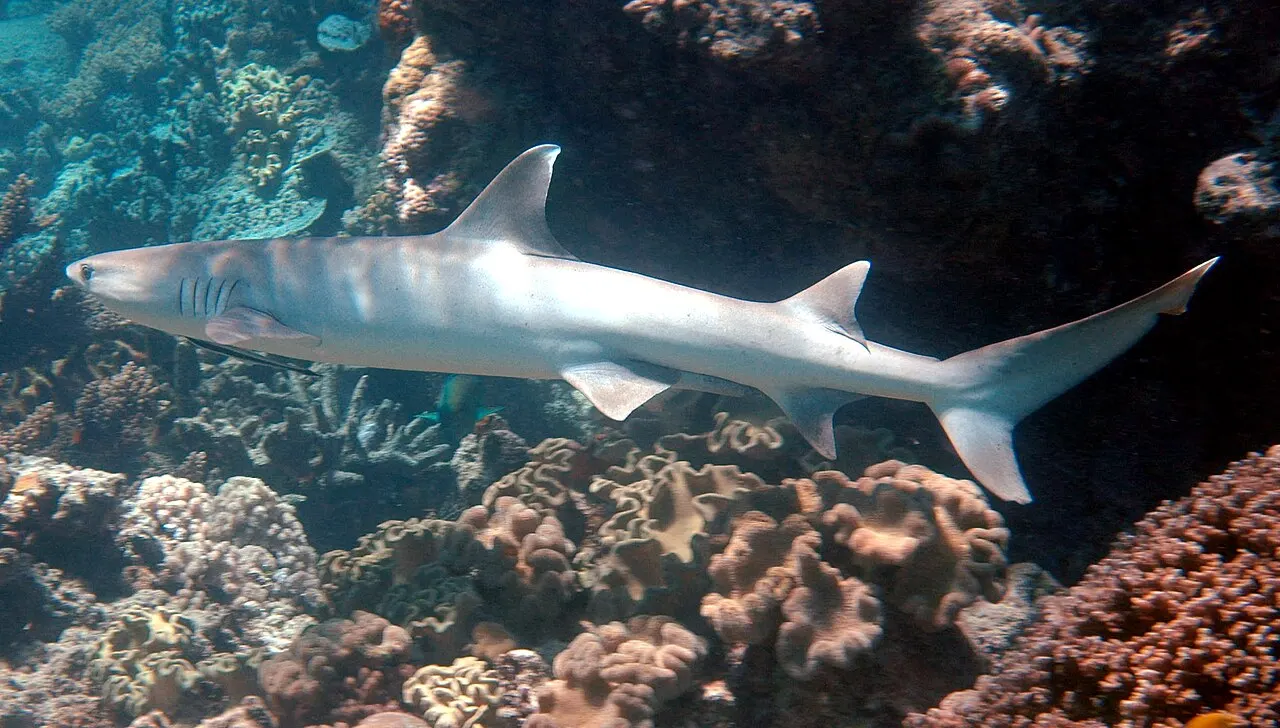
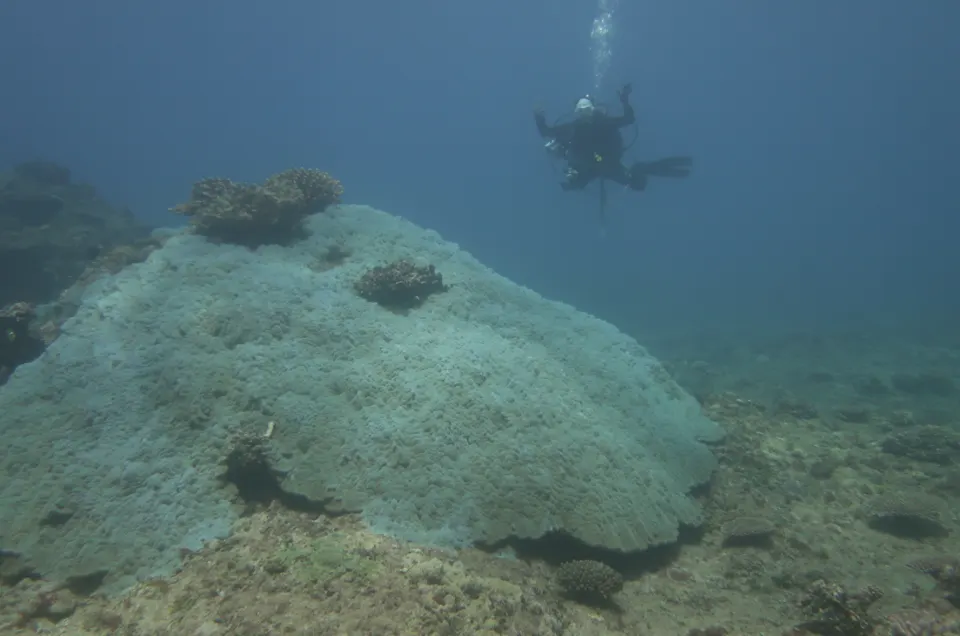
The protected area is a marine park, not a synonym for every reef reached from Semporna. Its steep underwater relief contrasts with the shallower reef settings elsewhere in the district. The coral reef habitat is a living structure: careful buoyancy and avoiding contact protect more than the appearance of a dive site. Sabah Parks documents turtles, schooling fish and reef-associated marine life; encountering them depends on the site and conditions that day. Above water, forest and coastal vegetation also provide habitat for birds and other animals. Keep to areas authorised for visitors and follow staff instructions, rather than exploring nesting areas or treating a rest stop as unrestricted island access. The island’s conservation value continues above the waterline.
Confirm permission and diving suitability
Sipadan uses permits and a limited daily allocation. Ask an authorised operator for written confirmation of the Sipadan date, the permitted activity and what happens if allocation or access changes. Do not treat payment for a room, an island-hopping package or a multi-day dive holiday as proof of a Sipadan permit. Conservation and diving charges are separate categories in the park’s published information; obtain a current inclusive quote rather than adding old online prices yourself. The Sipadan diving guide provides the activity context. Describe your certification, recent diving and comfort in current to the dive operator, and let them assess the proposed sites. Snorkelling access should likewise be confirmed for the specific booking; it is not a way to bypass park permission. The site selection and number of outings remain subject to current park and operator rules.
Sabah Tourism publishes Advanced Open Water as the minimum diving certification and an annual December closure. Confirm current eligibility and closure dates with your registered operator before booking travel; a permit enquiry does not override either condition.
Where to stay and how long to allow
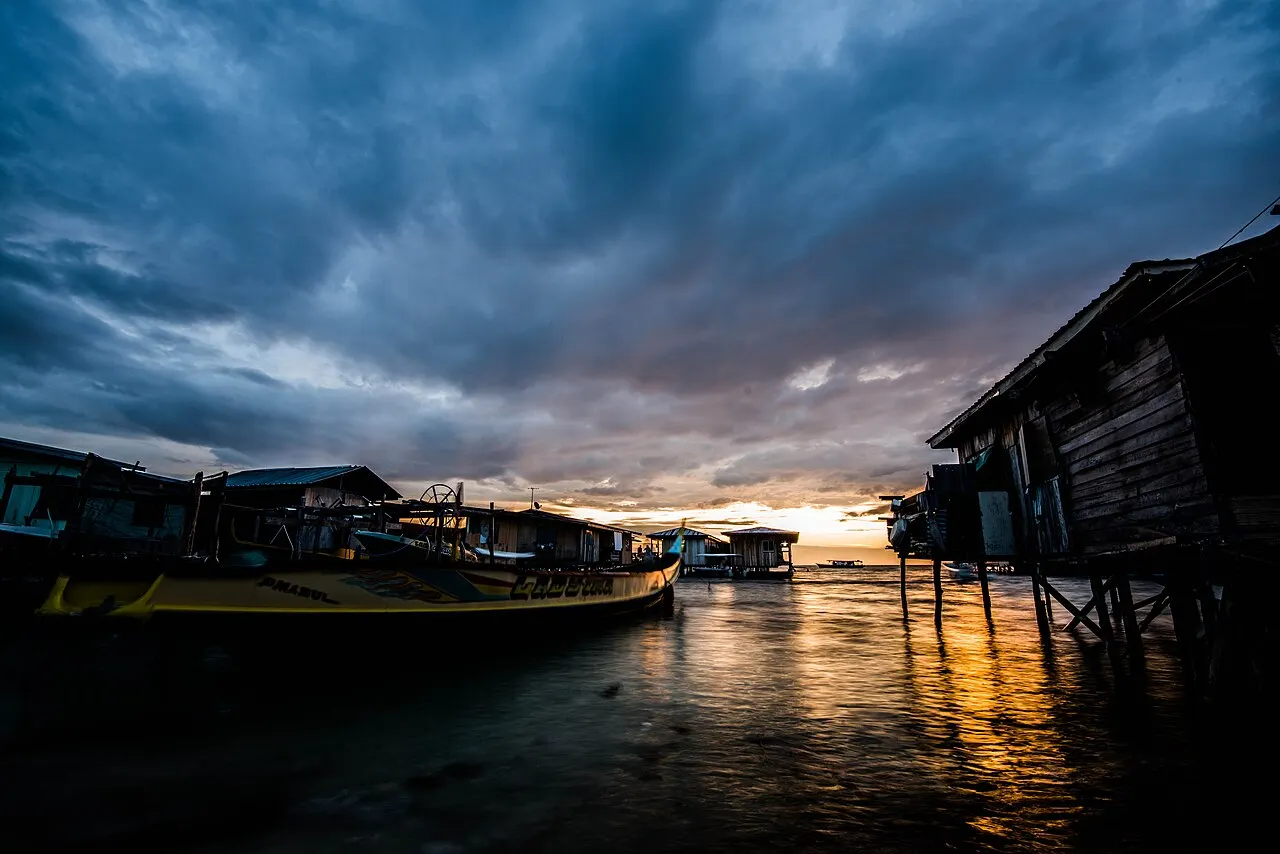
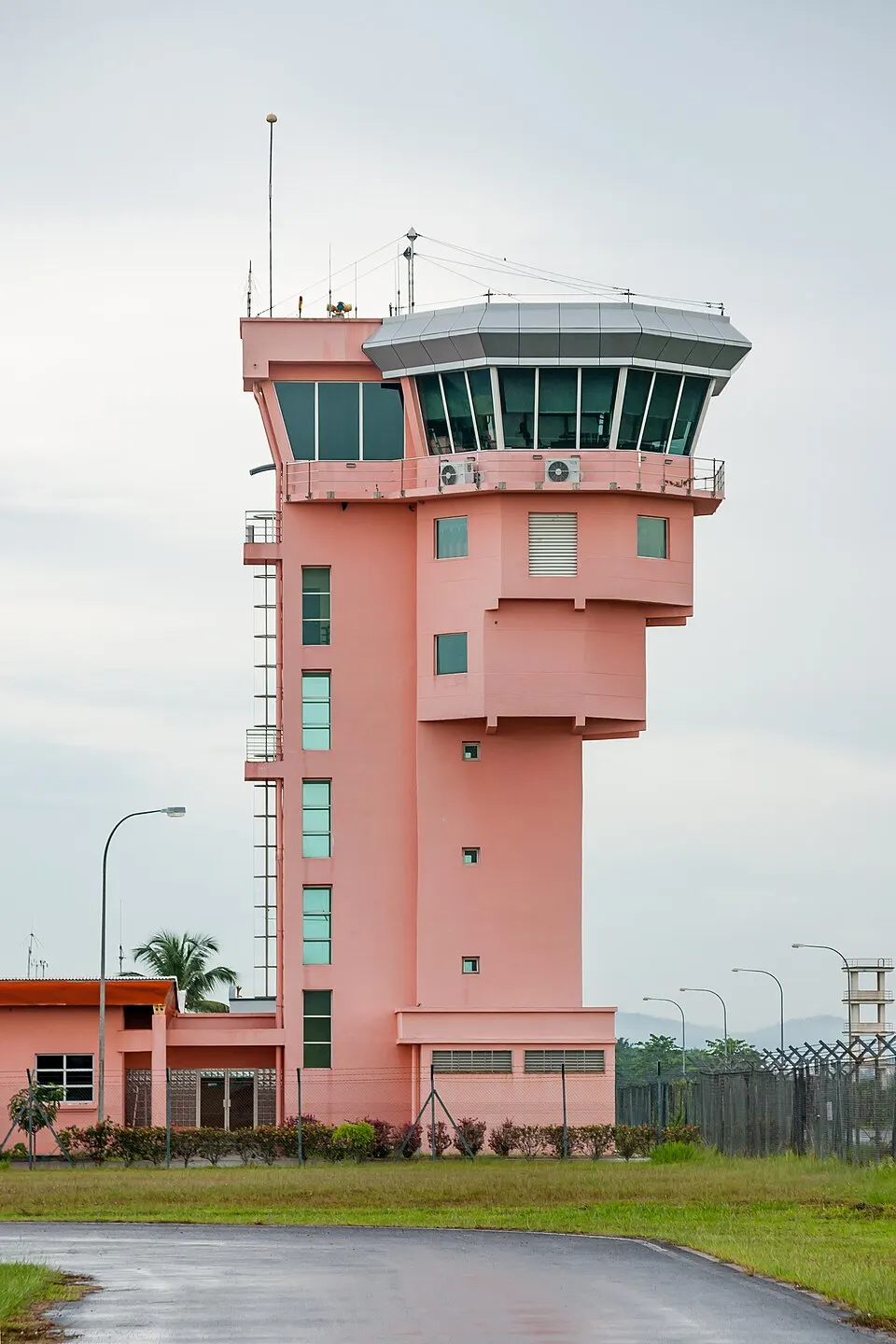
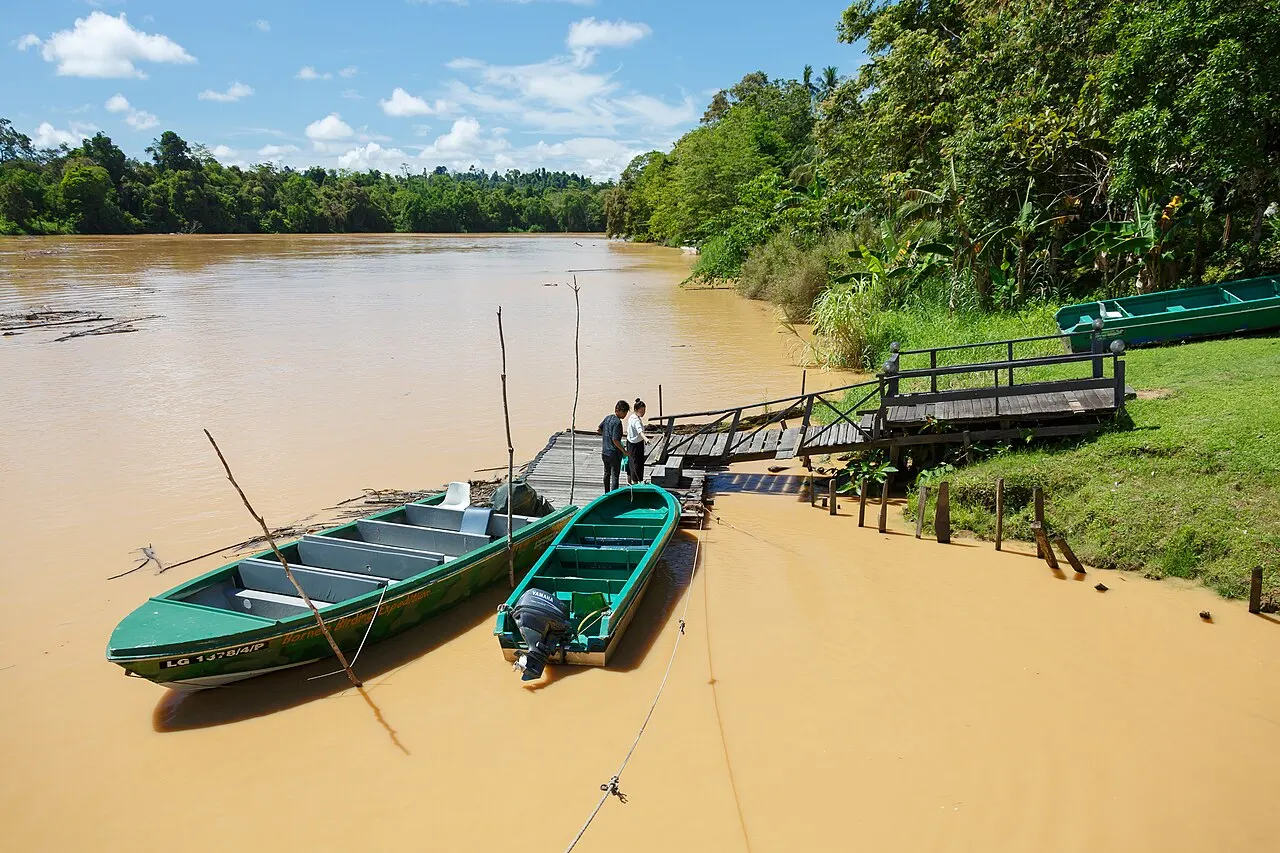
Semporna is the mainland gateway. Arrivals commonly use Tawau before continuing by road to Semporna, then take the operator’s boat from the agreed jetty. Confirm each handover instead of using a park-centre coordinate as a boat departure point. Mainland accommodation such as Seafest Hotel Semporna provides a town base, not accommodation on Sipadan. Mabul is a separate island base with its own marine experiences; staying there does not guarantee a Sipadan allocation. Allow the park visit a full day, with nights outside the park before or after as the itinerary requires. If Sipadan is the main reason for the trip, secure that component first. Extra coastal days can offer flexibility or different reefs, but they should not be sold as a guaranteed solution to a missing permit. Check departure logistics before choosing an accommodation solely for its photograph.
Sea conditions and careful reef visits
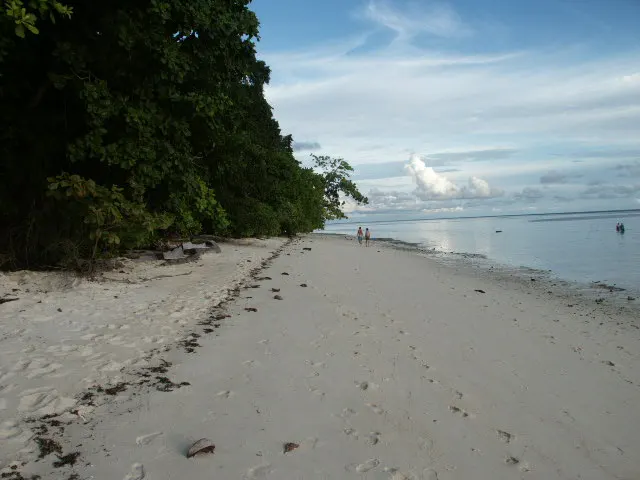
A calm-looking beach does not describe conditions around a reef wall. Wind, waves, current and visibility can alter the crossing and the dive plan; there is no universally safe month or guaranteed calm transfer. Accept a changed site or cancelled outing when the crew or park requires it. Bring sun and splash protection, keep equipment secured and clarify the return transfer before departure. Underwater, keep fins, hands and cameras off coral, avoid blocking turtles as they surface and do not chase animals for a closer frame. Follow the guide’s briefing on entry, exit and regrouping. The park’s restricted visitor structure is part of protecting a small and heavily valued place. A successful visit leaves the reef undisturbed and respects the operator’s limits, whether or not the famous schools of fish appear on that particular day.
More than the reef wall
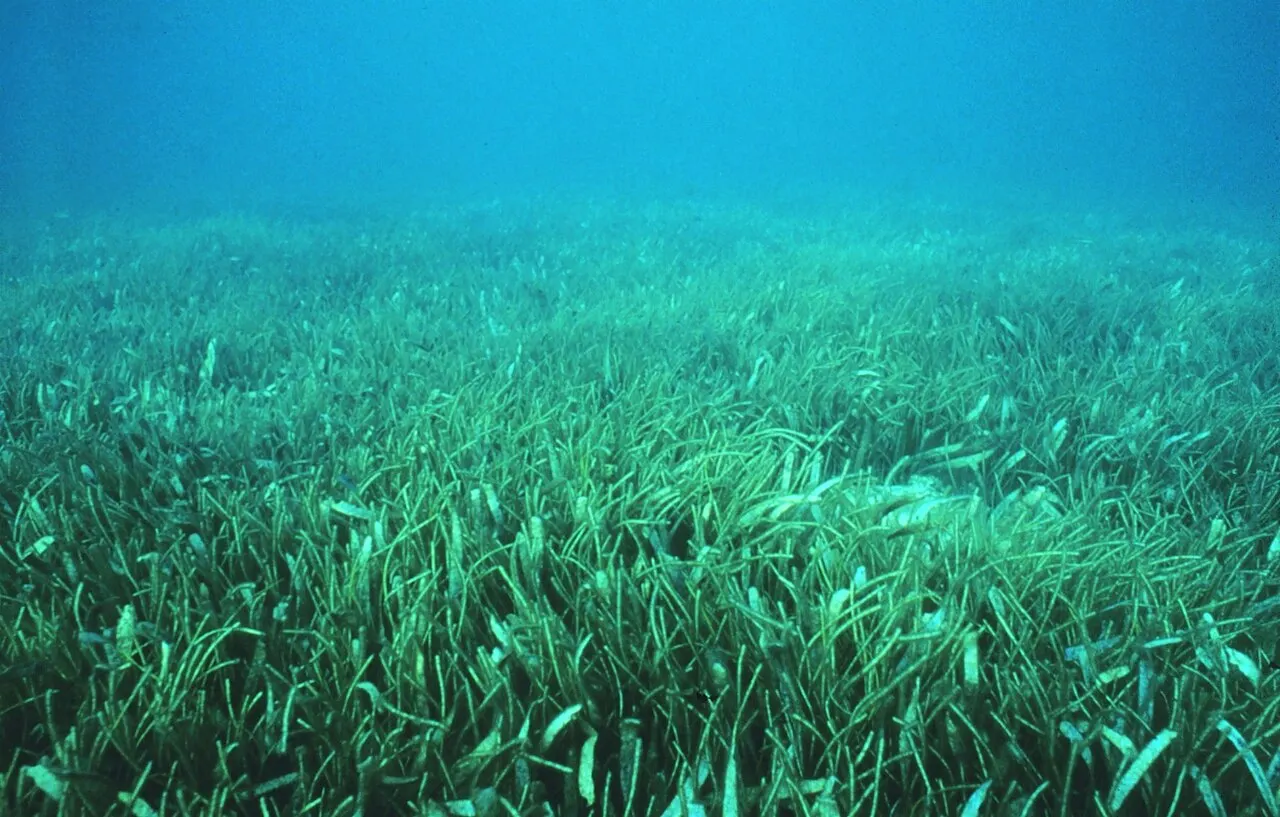
Marine habitat mapping includes Sipadan among eastern Sabah islands with seagrass habitats. These shallow plant communities differ from coral reefs, even where they occur within the same island landscape. Their presence is a conservation relationship, not a promise that a particular dive or snorkel itinerary visits a meadow. Looking at the park as connected habitats helps explain why protection cannot be reduced to a few famous dive sites or the large animals photographed there.