Recognition
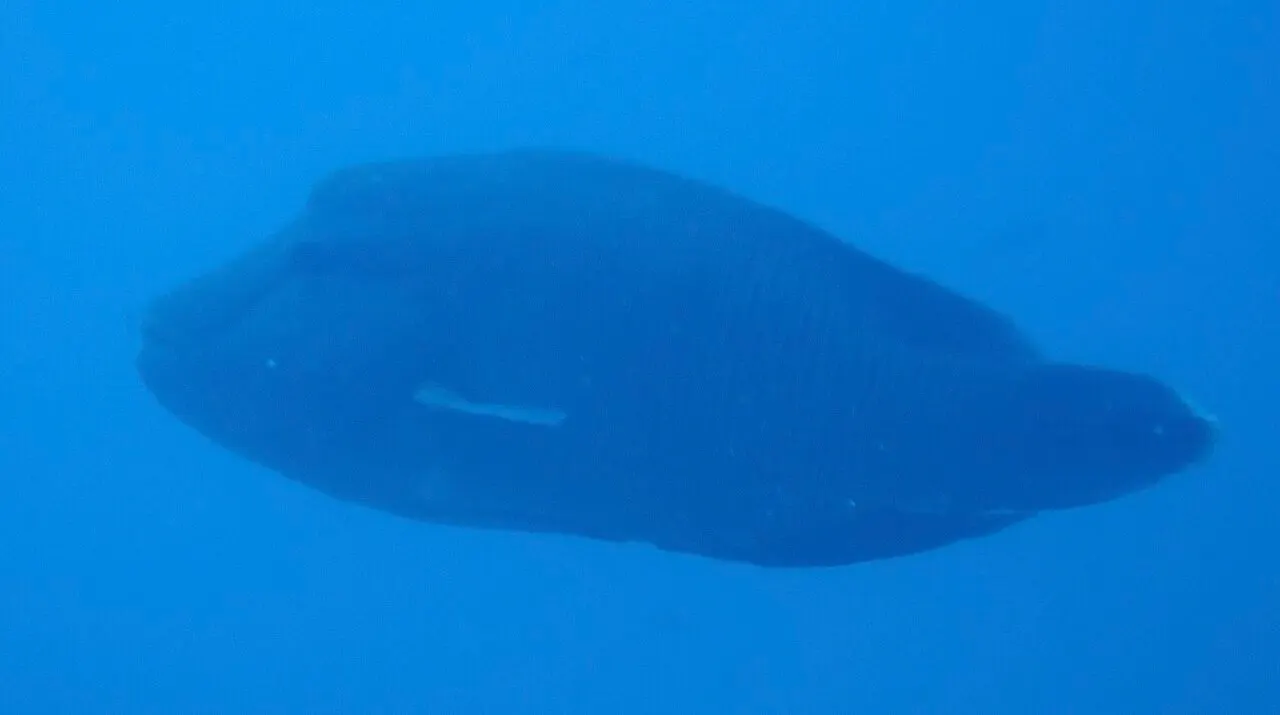
The prominent hump is an adult feature, so young fish should not be expected to show the same profile. Thick lips and the lines around the head help build a fuller impression. Juvenile colour and markings differ from those of adults. This change in appearance accompanies a change in habitat use: a small fish sheltered among vegetation occupies a different place in the reef from a large roaming adult.
Sources & references · 1
FishBase · Cheilinus undulatus: field guide species summaryHabitat and Borneo range
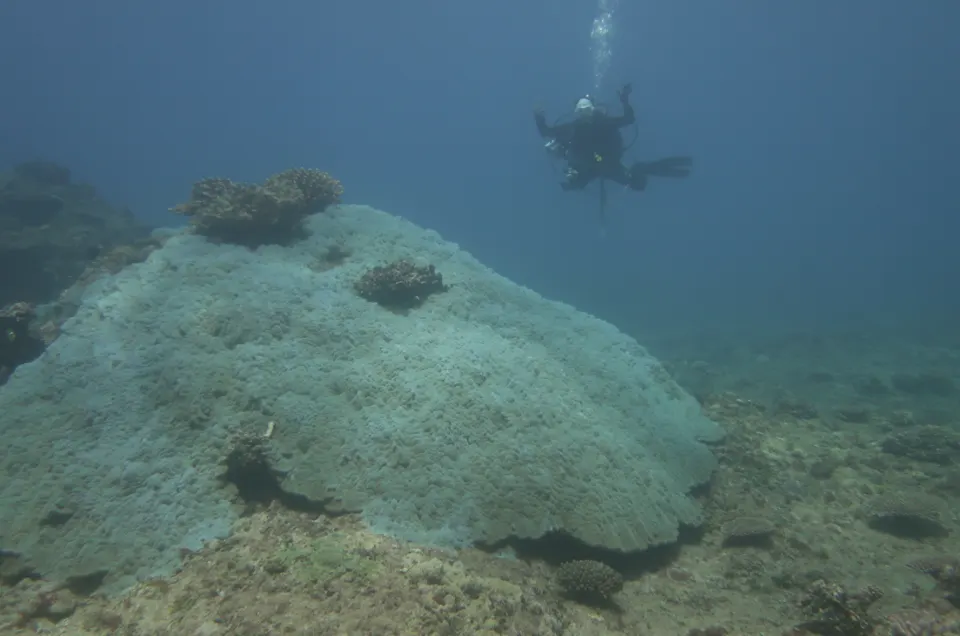
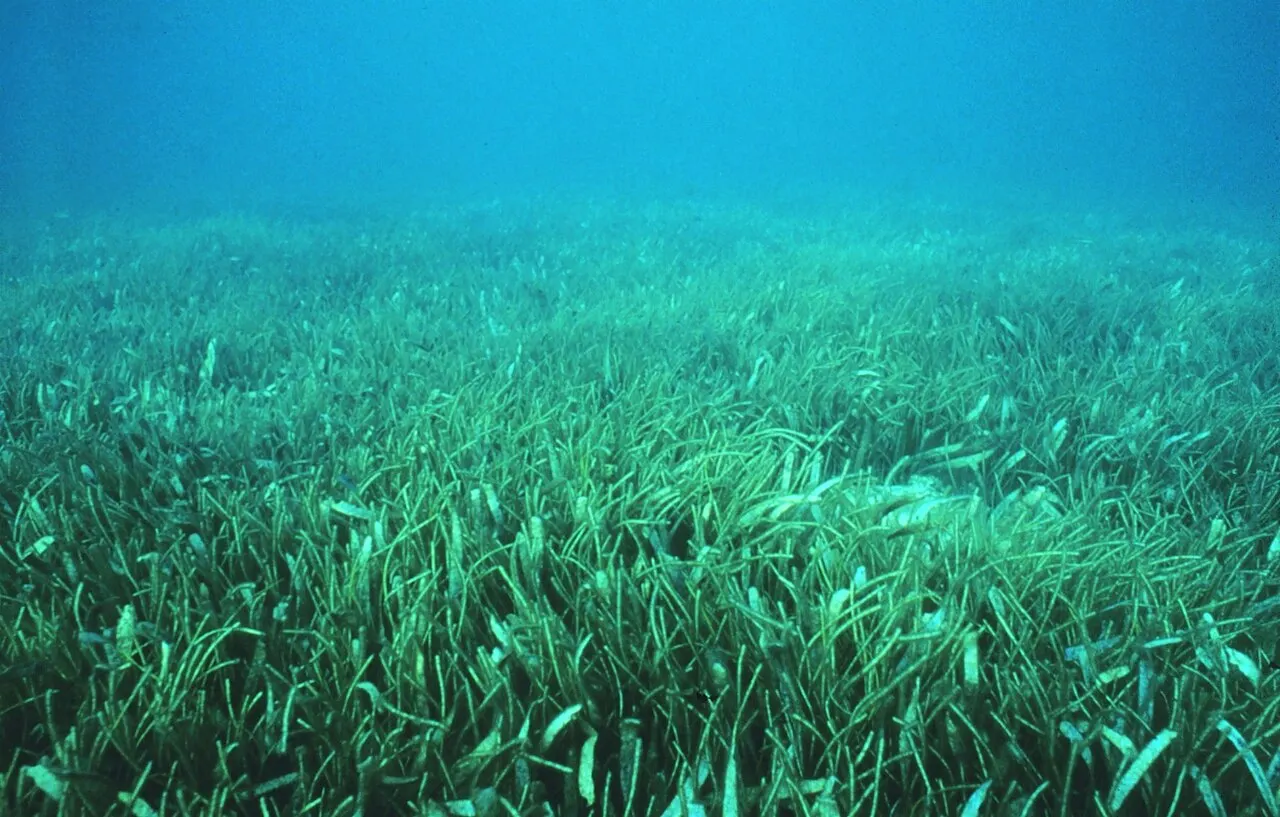
Young fish use branching corals, dense algae and seagrass; adults occupy reef slopes and lagoons. Adults forage during daylight and shelter in caves or beneath ledges at night. In Sabah, fisheries research documents the species, and a historical aggregation survey records it at southern Sipadan. Different life stages therefore depend on several components of a healthy reef landscape.
Sources & references · 3
Species account or primary research · FishBase: Cheilinus undulatusMarine Policy / study authors · Tackling illegal, unregulated, and unreported trade towards Humphead wrasse recovery in SabahUniversity of East Anglia / Tim Daw · Reef Fish Aggregations in Sabah, East MalaysiaFood and ecological role
Its animal food includes molluscs, fish, sea urchins and crustaceans. Hard-shelled prey form part of its role within the reef food web. Reference accounts also record unusual prey such as sea hares and crown-of-thorns starfish. That variety is more useful than reducing the fish to a single dramatic feeding story: it is a predator using several kinds of reef animals.
Sources & references · 1
Species account or primary research · FishBase: Cheilinus undulatusConservation
The global assessment is Endangered. Late maturity, longevity and aggregatory spawning interact with fishing pressure, while capture of juveniles for grow-out removes fish before they have reproduced. Sabah research identifies illegal and poorly regulated trade as obstacles to recovery. Protection needs both reef habitat and effective limits on harvest, because retaining coral alone cannot restore a heavily depleted population.