A cultivated highland
The WWF and FORMADAT account places rice fields, bamboo and fruit trees in valleys surrounded by forested slopes. That description challenges a simple opposition between farming and nature. A traveller sees a landscape shaped through work, choices and accumulated knowledge. Long Bawan gives the visit a named regional point of reference, while Krayan remains a wider highland region in Nunukan. Begin by asking a host which community and fields are part of the proposed route, instead of treating every visible valley as freely accessible scenery.
Rice and farming knowledge
Government agricultural research describes an Adan field cycle in which buffalo are released after harvest. They tread the earth, eat weeds and contribute fertility before the next season. This specific relationship makes a field visit more than a search for a picturesque rice terrace. Ask which tasks are taking place during your stay and whether observing them is welcome. A research description gives background, but cannot schedule a farmer's work for a visitor or promise a staged demonstration of the entire cycle.
Sources & references · 1
Ministry of Agriculture · Adan rice and buffalo integration research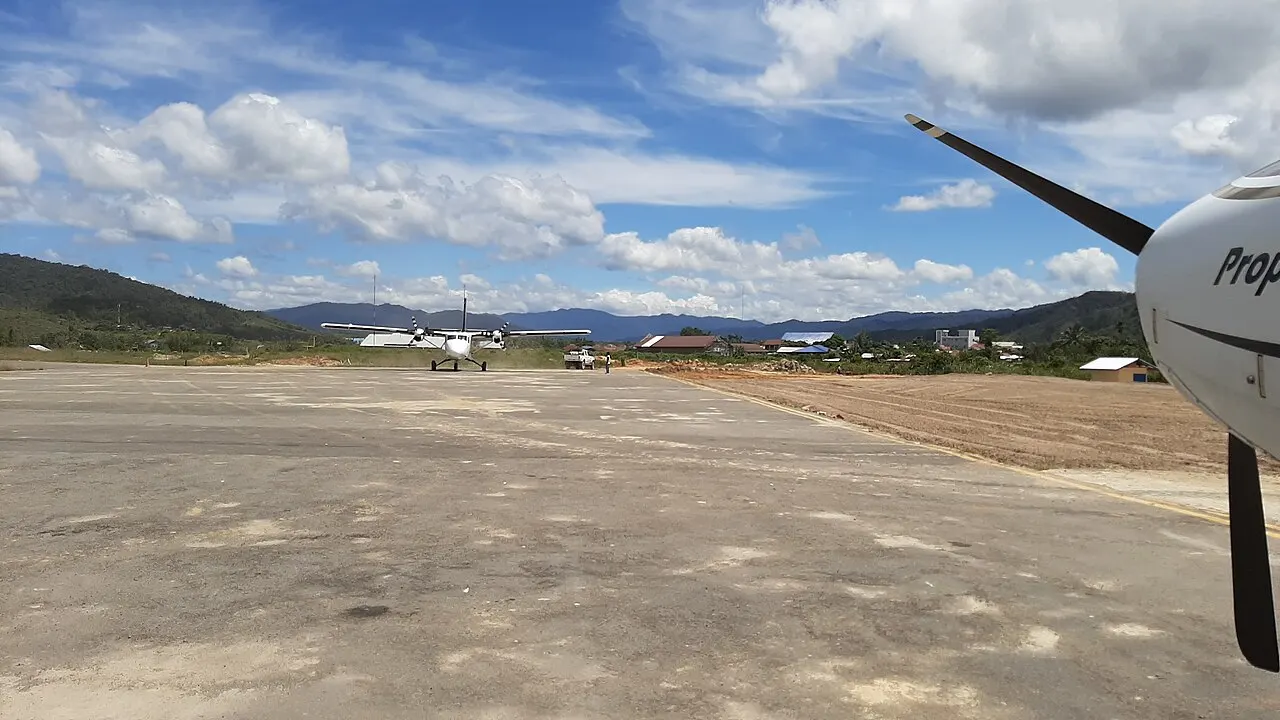
Food and identity
A serving of Adan rice connects the visit with a named local crop. The documentation identifies different Adan varieties and an agricultural tradition carried by highland communities. Ask about the producer, variety and preparation instead of assuming any rice served nearby has a proven origin. Lundayeh knowledge deserves its specific name, with space for individual household practice. The food record and cultural record therefore complement one another: one identifies the crop, while the other keeps the people and work behind it visible.
Forest connections
Kayan Mentarang's current profile recognises customary territories and the importance of resident communities to conservation. That wider forest context enriches Krayan travel without making every field part of the national park. Arrange community visits and protected-area access separately, confirm transport and overnights, and preserve time for the return journey. The Tarakan mangrove story offers a companion perspective: both landscapes become more legible when habitat and livelihoods are considered together, while their very different scales demand their own practical plans.