Overview
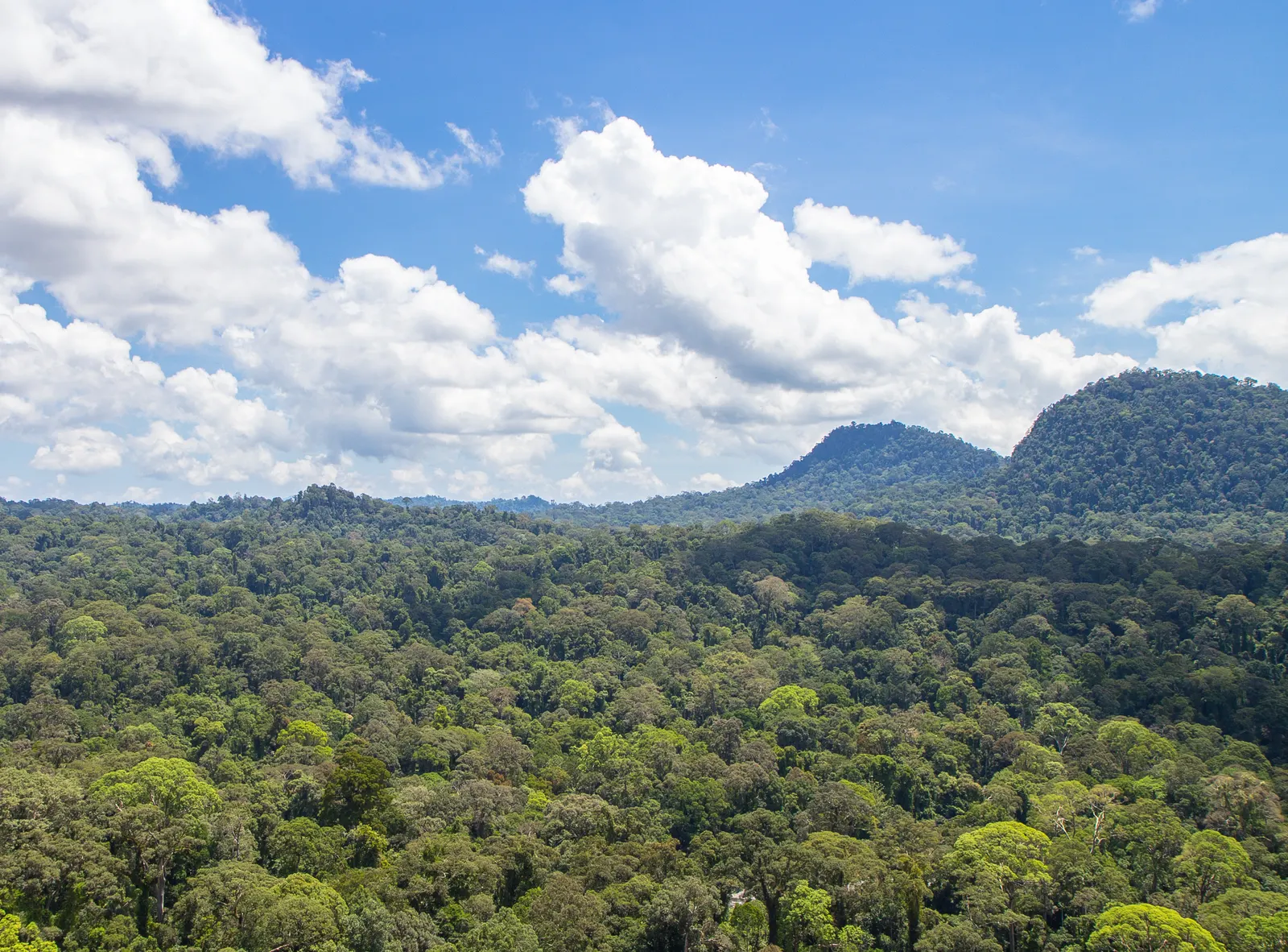
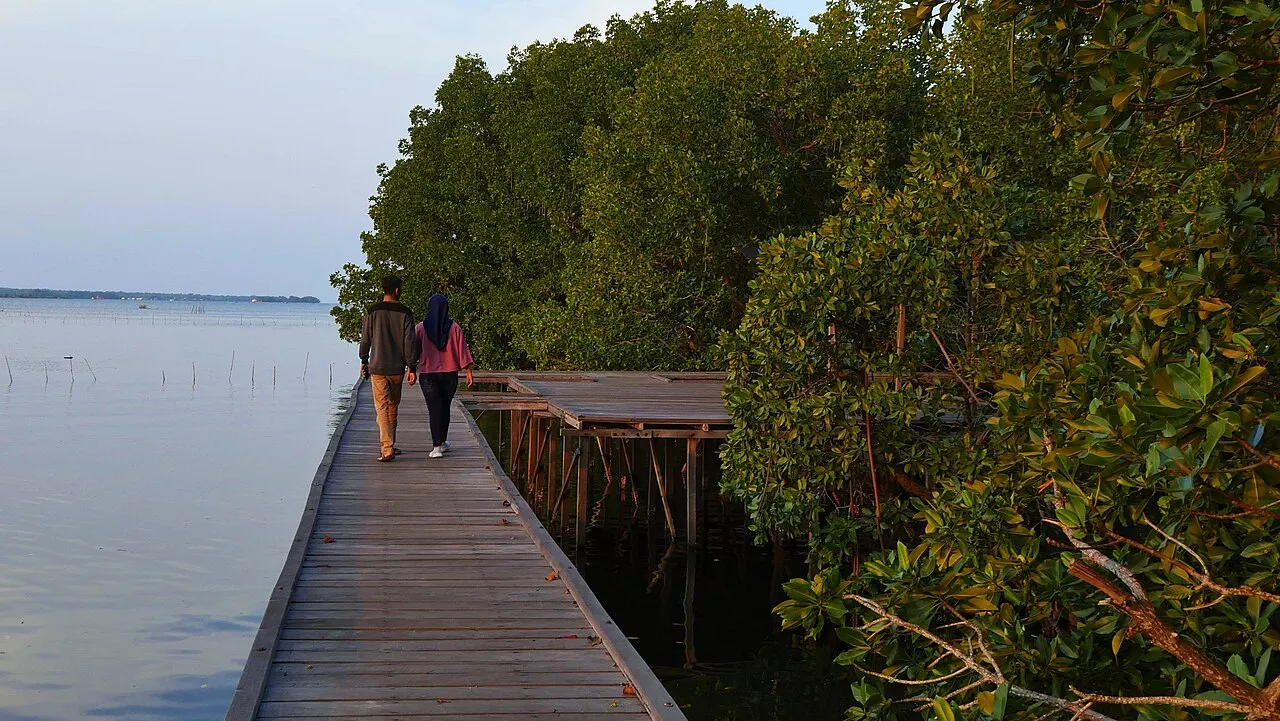
Imagine starting with a tree rather than a list of animals. Kutai’s official ecological account names Ulin, Eusideroxylon zwageri, among its forest plants. The park also contains swamp, mangrove and heath environments. A forest visit therefore begins with recognising where you are: roots, water and canopy provide a setting that cannot be reduced to an orangutan photograph. The plant and habitat records in this guide offer that ecological context before a wildlife encounter is even possible.
Sources & references · 1
KSDAE, Ministry of Forestry · Mengenal flora dan fauna Taman Nasional KutaiA habitat mosaic
The park’s species names provide a precise next step. Bornean orangutan, proboscis monkey and Sunda clouded leopard are explicitly documented there. A park-level record supports their relationship to Kutai, but does not tell a traveller which animal will be beside a particular path today. An older report describes educational walking at Sangkima and attention to Ulin; present access must still be confirmed. Good interpretation makes the forest worthwhile even when its mammals remain unseen.
Sources & references · 2
KSDAE, Ministry of Forestry · Mengenal flora dan fauna Taman Nasional KutaiKSDAE, Ministry of Forestry · SMPN 7 Bontang jelajahi hutan Sangkima Taman Nasional Kutai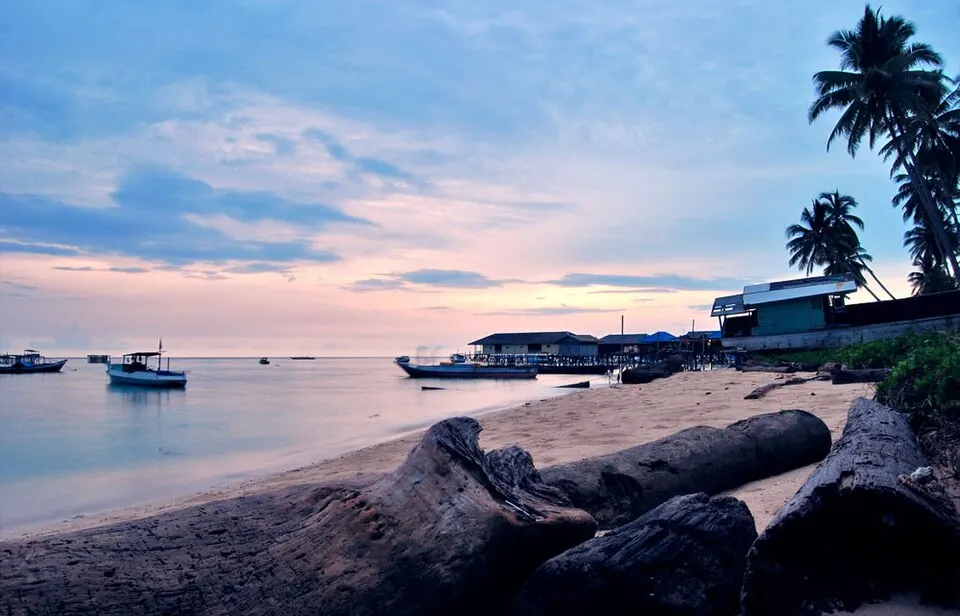
Reading the landscape
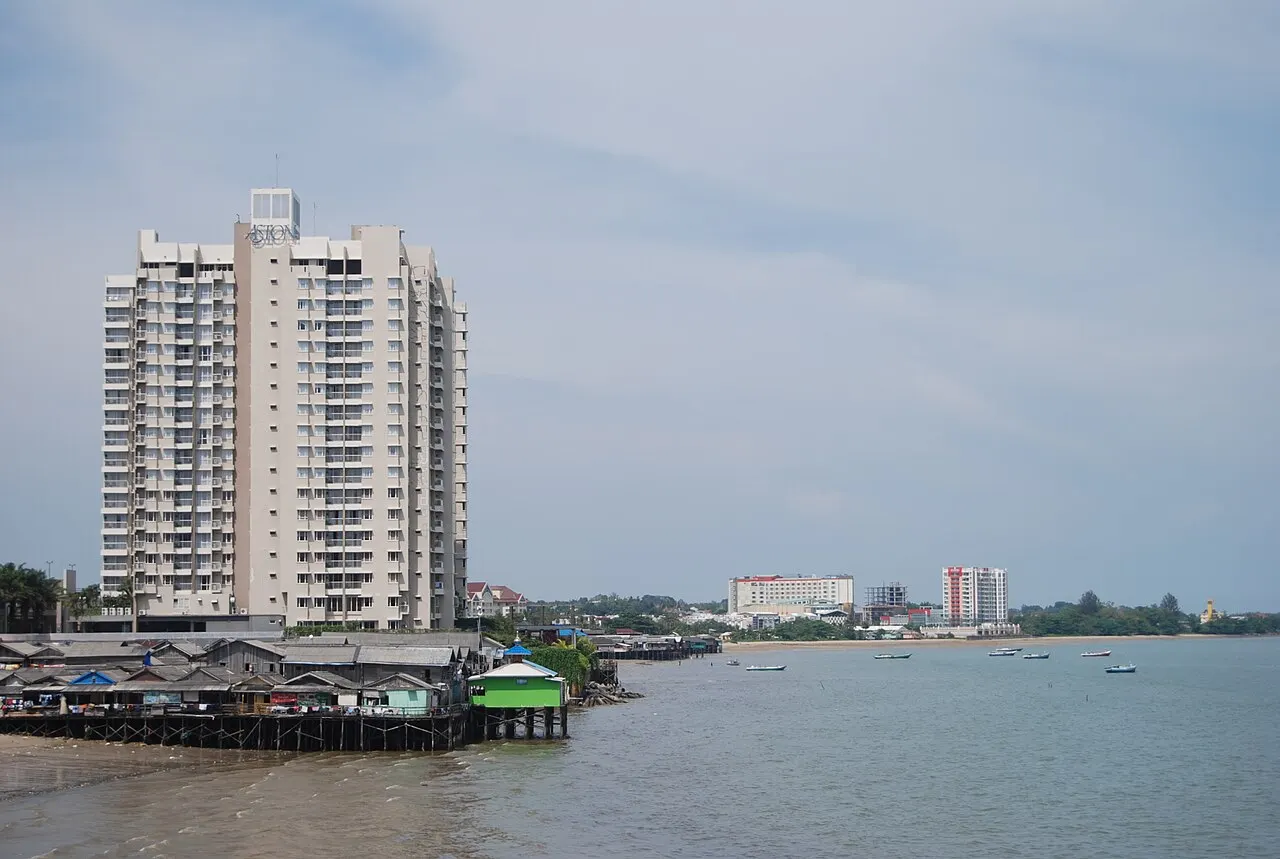
Derawan changes both the landscape and the meaning of access. Here the Berau delta and sea surround reefs and islands, including fringing reefs, patch reefs and atoll settings described by UNESCO. The protected seascape has a legal designation under a fisheries ministerial decision. Neither that status nor a Tentative List proposal makes it a national park or an inscribed World Heritage site. Derawan Island is one inhabited destination within this wider setting, not its synonym.
Practical geography
A green-turtle nesting study on Derawan supplies another exact link between species and place, based on surveys in 2006 rather than a current sighting promise. Travelling from forest to reef requires separate planning: a park access arrangement on one side, a mainland-to-island boat transfer on the other. Leave weather flexibility and use local conservation advice. The connection between these places is a richer understanding of East Kalimantan, not a claim that all its animals live everywhere.