
Understand the complete mountain commitment
Mount Kinabalu’s via ferrata is a guided activity on equipped mountain rock routes operated by Mountain Torq. It is connected to a mountain climbing programme, rather than a short attraction reached directly from the park entrance. The approach, mountain accommodation, required briefing and descent all belong in your planning. Compare the complete itinerary and its included services before looking only at time on the cables. A via ferrata booking is also distinct from an ordinary summit climb: permits, accommodation and a mountain guide do not automatically establish that this specialist activity is included.
Choose between two different routes
Bring the original identification required for the park and operator checks, and confirm that participant names match the booking. The operator requires personal identity verification at the park office; another member of your group should not be expected to complete that requirement for you.
Mountain Torq describes Walk the Torq as approximately 380 metres long, taking around two to three hours, with a highest point of about 3,520 metres. Low’s Peak Circuit is approximately 1.1 kilometres long, taking around four to five hours and reaching about 3,776 metres. The operator grades them differently, with Low’s Peak Circuit the more demanding option. These figures describe the via ferrata sections rather than the whole mountain journey. Choose the route that matches your experience, confidence and the operator’s assessment, not simply the longer route because it appears to offer more activity.
Check eligibility before committing
The operator lists a minimum height of 1.3 metres and an age threshold of ten for Walk the Torq, while Low’s Peak Circuit requires participants to be at least seventeen and describes an above-average fitness requirement. Confirm the current rules for your chosen programme directly, including how age is calculated and whether additional conditions apply. Technical grading does not make the approach climb, altitude or early start effortless. Describe relevant health, mobility or confidence concerns to the organiser before paying, so that suitability can be considered within its own participation requirements. Group members may need different plans.
Protect time for the mandatory briefing
Mountain Torq requires participant identification and a compulsory briefing at Pendant Hut on the ascent day. Its preparation information gives an afternoon briefing window and warns that arrival after 15:30 makes a participant ineligible. Treat punctual arrival as a firm planning requirement and confirm the exact reporting time in your booking instructions. Plan your park registration and ascent accordingly, allowing the organiser to advise on timing. A late arrival cannot be solved by assuming that the instructor will give a private replacement briefing or allow you onto the route without preparation.
Follow the specialist instruction
The operator provides specialist equipment including a helmet, harness and connecting safety equipment, with instruction from its trainers. Your role is to listen, ask questions during the briefing and follow the guide’s directions throughout the activity. Do not use a written description as a substitute for practical instruction or attempt the route independently. Ask what personal clothing, footwear and carried items are required for your particular departure, and how these fit alongside the equipment needed for the wider climb. Check insurance terms against the actual activities and altitude in your itinerary rather than relying only on a general holiday description.
Allow for mountain conditions
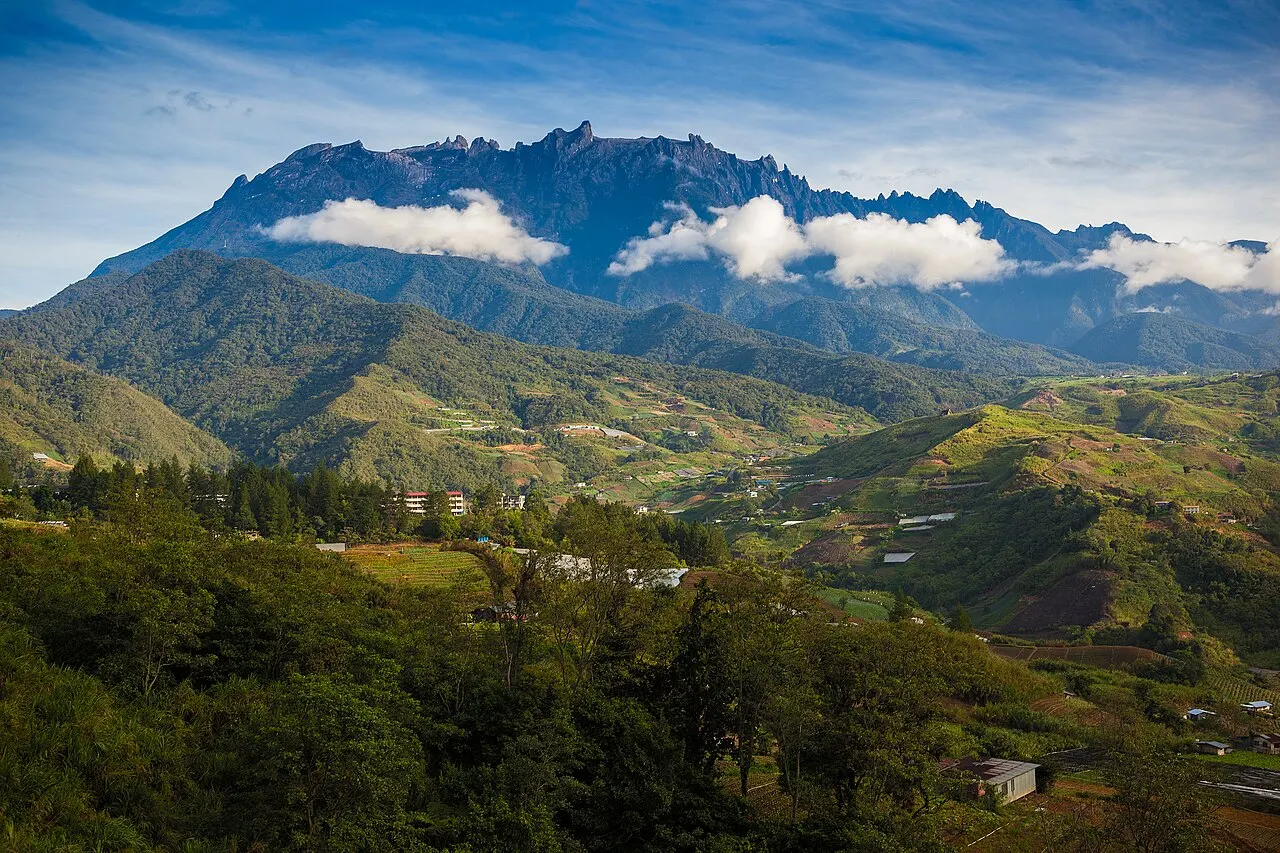
Weather, timing and operational decisions can affect whether a route goes ahead. Discuss the programme’s conditions for delays, cancellation, alternative arrangements and refunds before committing, and keep the written terms with your booking. A photograph of clear rock and distant views does not describe every departure. The summit attempt and via ferrata also have their own schedules within the mountain programme, so ask how they relate and what happens if one part cannot proceed. Avoid building the day around guaranteed completion of every element; the guide’s decisions and current conditions determine what is possible.
Review the package as a whole
Before confirming, compare the named route, number of nights, mountain accommodation, meals, park permits, guide services and transfers included in the offer. Ask which services are shared and which are private, and confirm the return point and likely timing without treating it as a guaranteed arrival for a flight. Leave sufficient room after the mountain descent for onward travel. Keep important instructions accessible offline and make sure every participant understands the same plan. A well-matched package gives the briefing, ascent, guided route and descent enough attention, so that the experience is coherent from the park registration through to the journey back.