Come for the heritage
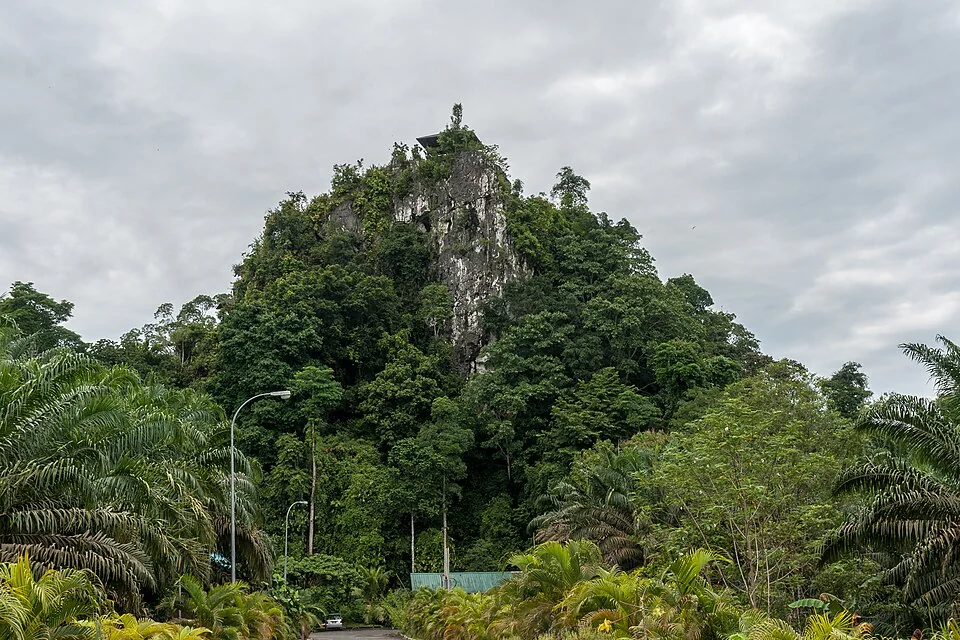
Agop Batu Tulug offers a historical perspective on the Kinabatangan area that is different from its river wildlife excursions. The site is associated with carved wooden coffins preserved within limestone caves, and has been managed as a museum site since 1996. A visit is about understanding the people and beliefs represented by these remains, not simply entering a cave. Begin with the information centre if it is open, then follow the permitted route. The setting helps connect cultural history with the physical landscape, but the surviving objects deserve attention in their own right.
Read the interpretation carefully
Sabah Tourism describes more than a hundred coffins in the middle and upper caves and notes animal forms in their carving. It also presents different interpretations of their origins, including associations with Orang Sungai beliefs and the presence of Chinese artefacts. Avoid turning that uncertainty into a confident story about every individual buried here. Museum interpretation and a knowledgeable guide can help explain what is known and what remains debated. Ask questions respectfully, and distinguish an object’s appearance from an established conclusion about the identity or beliefs of the person connected with it.
Check the stair route
The museum site has stairs leading towards the caves, along with visitor facilities including toilets and resting huts. Ask which caves and stair sections are open on your date. This is not an underground expedition requiring improvised exploration, and a visit should stay within the museum’s authorised access. The elevated caves make steps part of the experience, so discuss suitability if anyone has difficulties with climbing or balance. Wear footwear with grip, take your time and bring water. Wet weather can change how comfortable the stairs feel, even when the distance itself is modest.
Treat burial material with care
Follow the museum’s instructions about photography and where visitors may stand. Do not touch coffins, move objects or use them as supports for photographs. Keep voices considerate and give other visitors room on the stairs and around interpretation panels. Children can enjoy learning about the site with an adult who explains why remains and burial places need respect. If a guide shares a traditional account, listen without presenting it later as the only possible historical interpretation. The best visit combines curiosity with a willingness to leave unanswered questions open.
Arrange a deliberate road stop
The published contact places the museum in Kampung Batu Putih in the Kinabatangan district. Sandakan or a Kinabatangan stay can provide a wider travel context, but neither makes the site part of a central town walk. Agree transport, current opening and enough visiting time before departure. If a river-tour package includes Batu Tulug, check that it allows an actual museum visit rather than a passing stop. Leave room to read the displays and return down the stairs without rushing to meet a tightly scheduled vehicle.