History
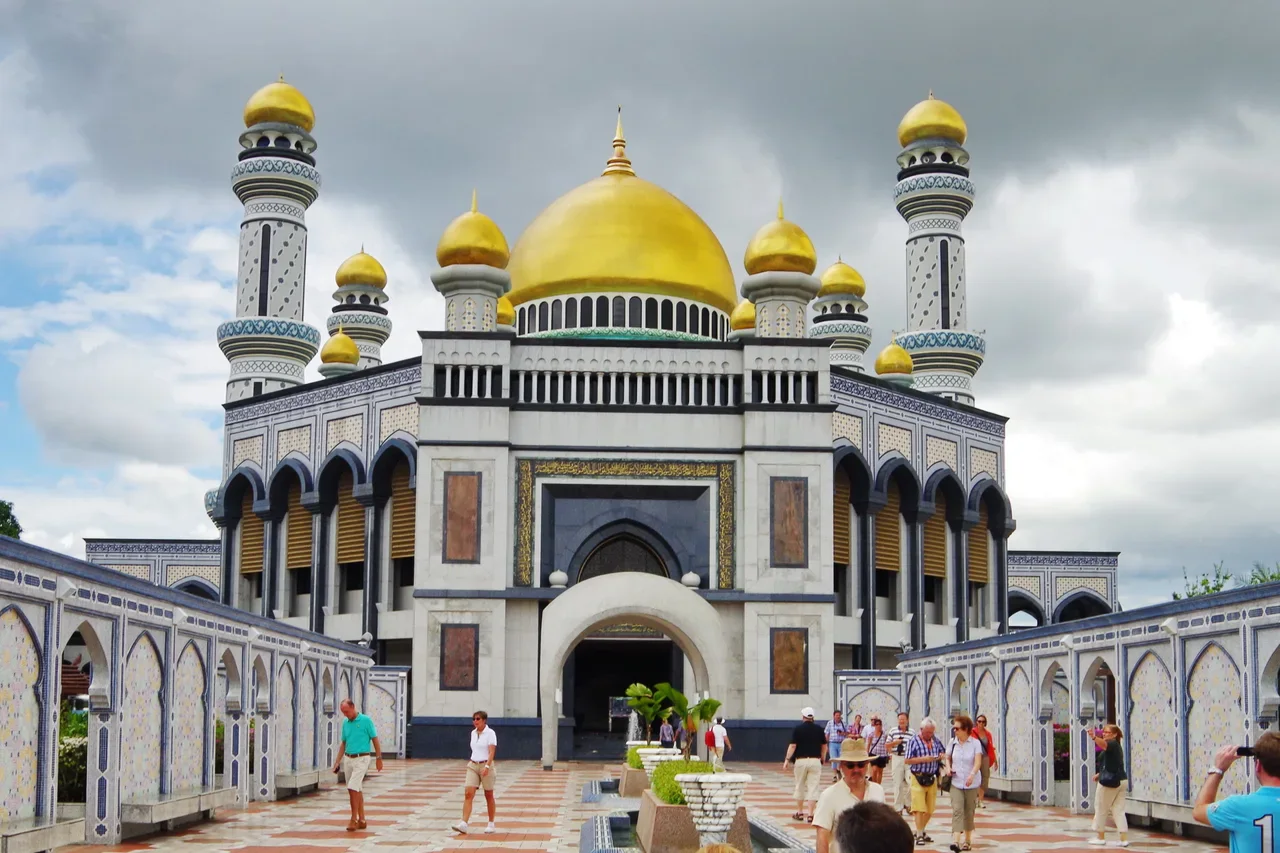
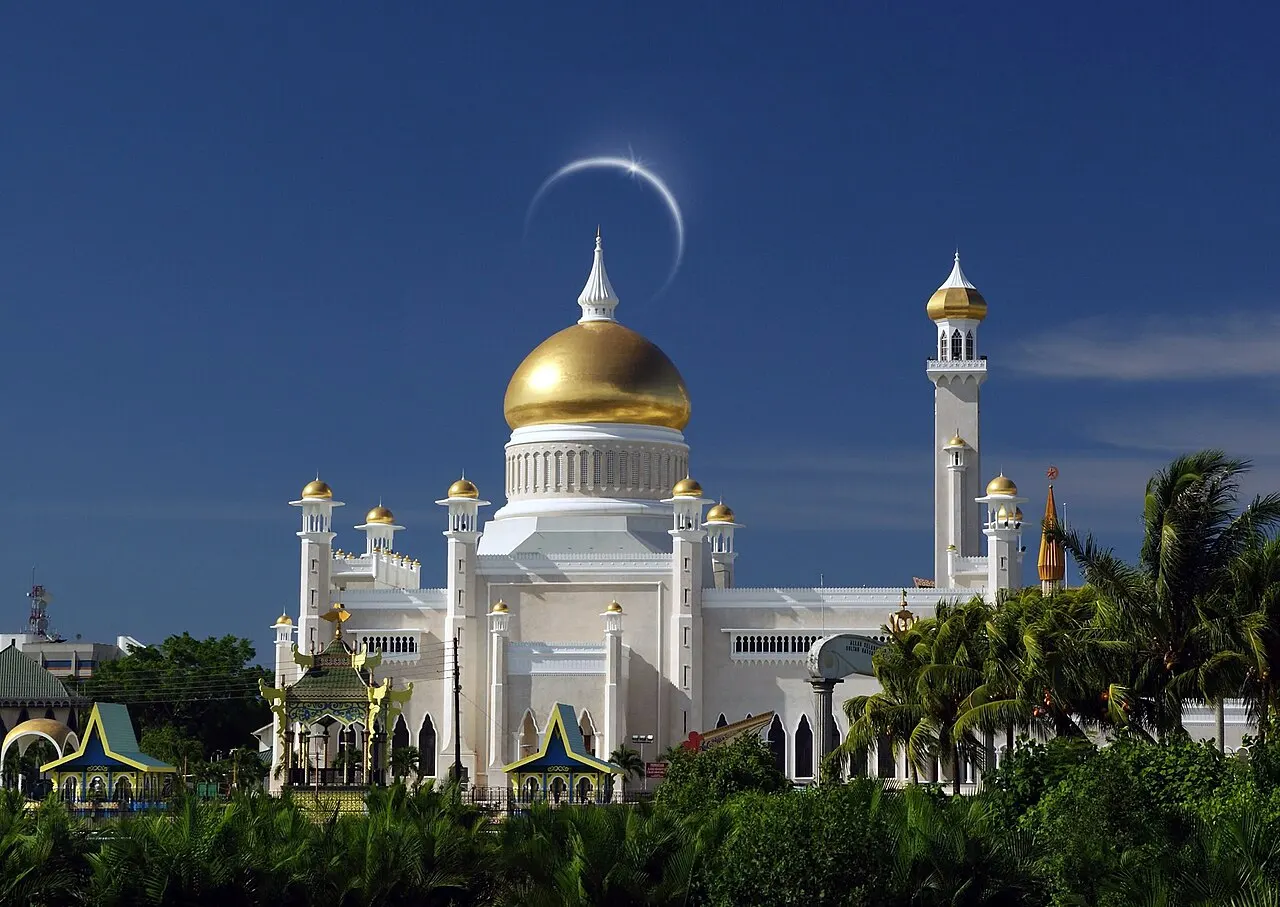
Completed in 1958, the mosque is named after Brunei’s twenty-eighth Sultan. The official tourism description presents its design as a meeting of traditional Islamic and contemporary architecture. Understanding that dedication places the building within the country’s royal history, while its religious role gives it a different purpose from a museum or purely scenic monument.
Architecture
The golden dome, Italian marble columns and stained-glass windows are distinctive features described by Brunei Tourism. The landscaped surroundings include a lagoon and a replica of a sixteenth-century royal barge. Looking at these elements together reveals how religious design and representations of royal heritage form the mosque’s wider architectural setting in Bandar Seri Begawan.
Practical information
The official listing places the mosque on Jalan McArthur in Bandar Seri Begawan. Treat a visit as an encounter with a religious place as well as an architectural landmark: follow instructions given at the site, and confirm visitor access before planning an interior visit. The lagoon and gardens provide additional context for understanding the building’s relationship with the capital.
Visiting an active mosque
ASEAN Tourism documents access for non-Muslim visitors during specified visiting periods, with restricted arrangements on some days. Confirm the current period with mosque staff before entering; do not interpret the surrounding public city space as permission to enter the prayer areas. An exterior visit still lets you appreciate the building’s lagoon setting if interior access is unavailable.
Dress modestly and follow instructions about visitor clothing. Remove shoes where instructed, keep quiet, and never photograph people praying or use flash inside. Ask staff which spaces may be visited and photographed. These practices matter more than completing a sightseeing checklist. Read the guide to Brunei’s Malay and Islamic cultural context for the wider setting, without assuming that every religious building follows identical arrangements.
Time, access and a wider city walk
As an itinerary allowance rather than an official tour duration, set aside about 30–60 minutes for the exterior and its setting, with additional time only if an interior visit is permitted. This is a central-city cultural stop, not a forest excursion. From your base in Bandar Seri Begawan, use Jalan McArthur as the location reference and confirm the appropriate pedestrian entrance on arrival. A site marker does not identify the currently open visitor door.
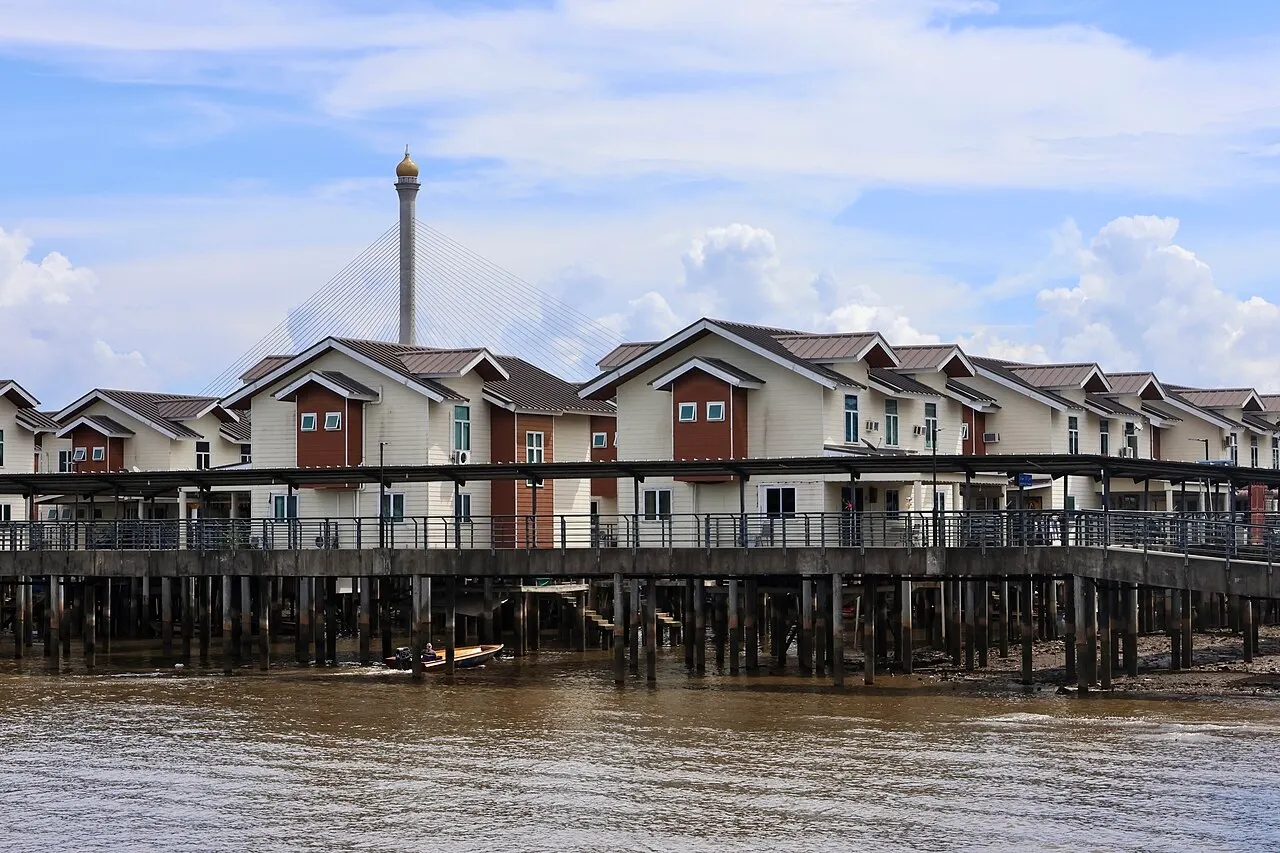
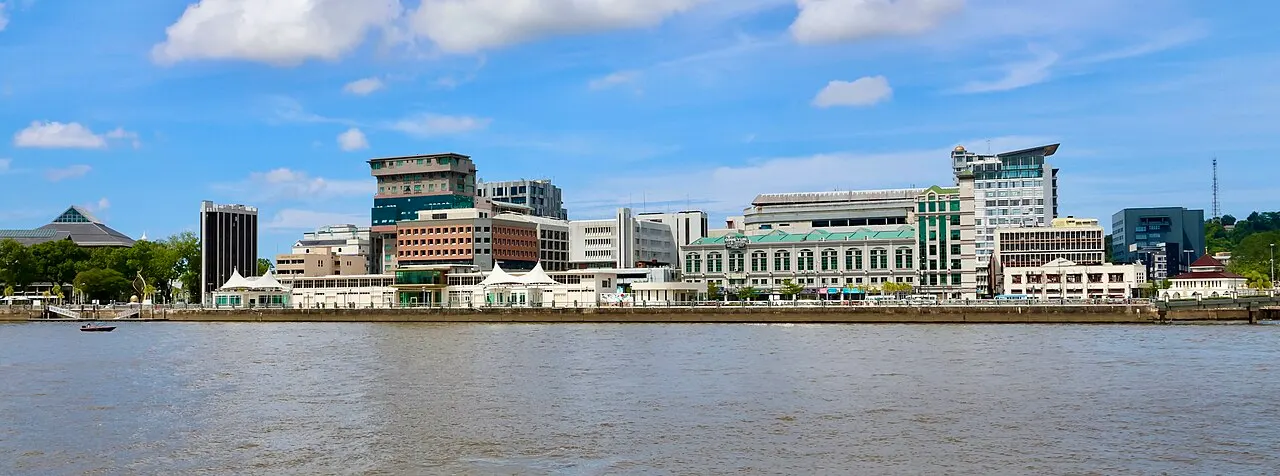
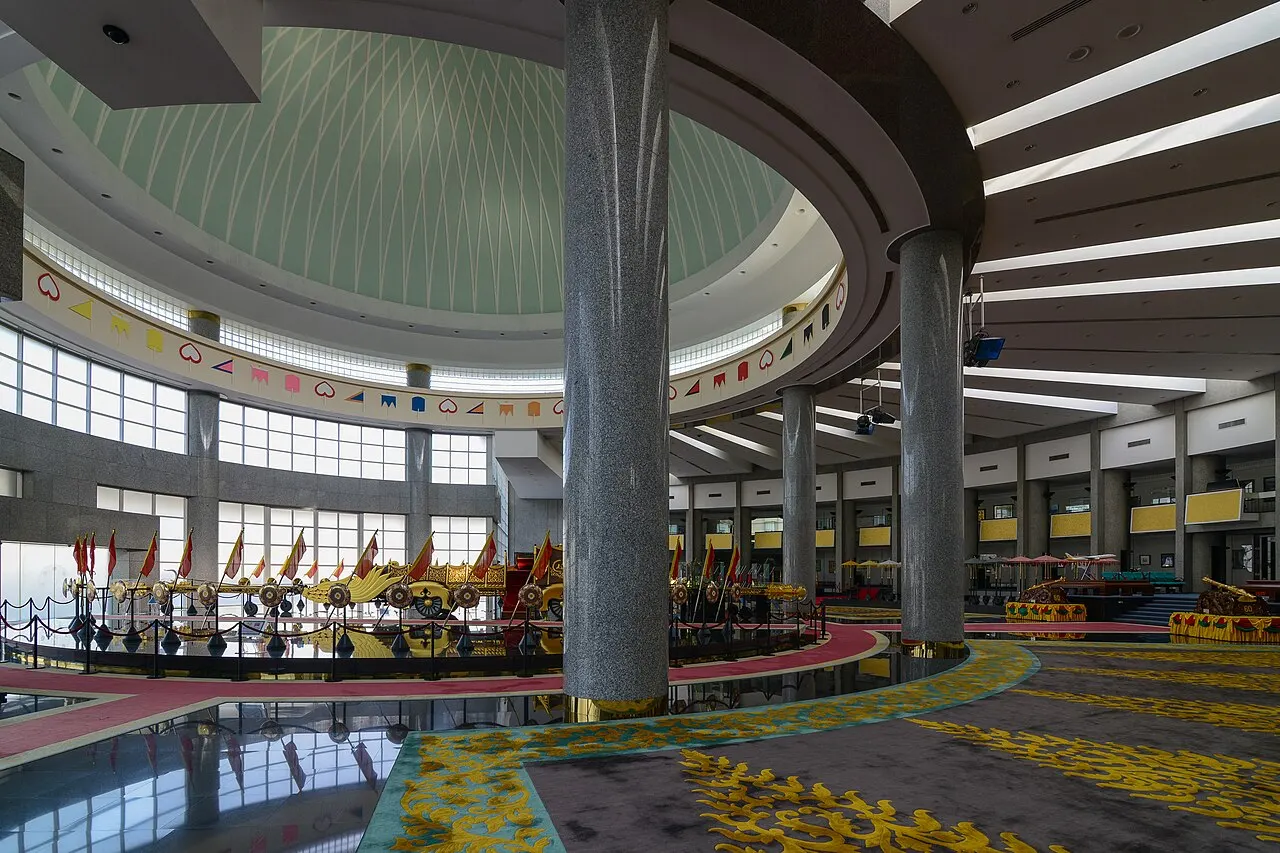
The official city walking itinerary includes both this mosque and the Royal Regalia Museum. Combining them can connect religious architecture with the objects used in royal ceremonies, while leaving time for heat, rain and any access restrictions. The existing Bandar heritage walk helps put the stops in context. A further visit to Kampong Ayer is a separate river and neighbourhood experience: arrange any boat crossing or hosted walk separately and respect residents’ private space.