Range and habitat
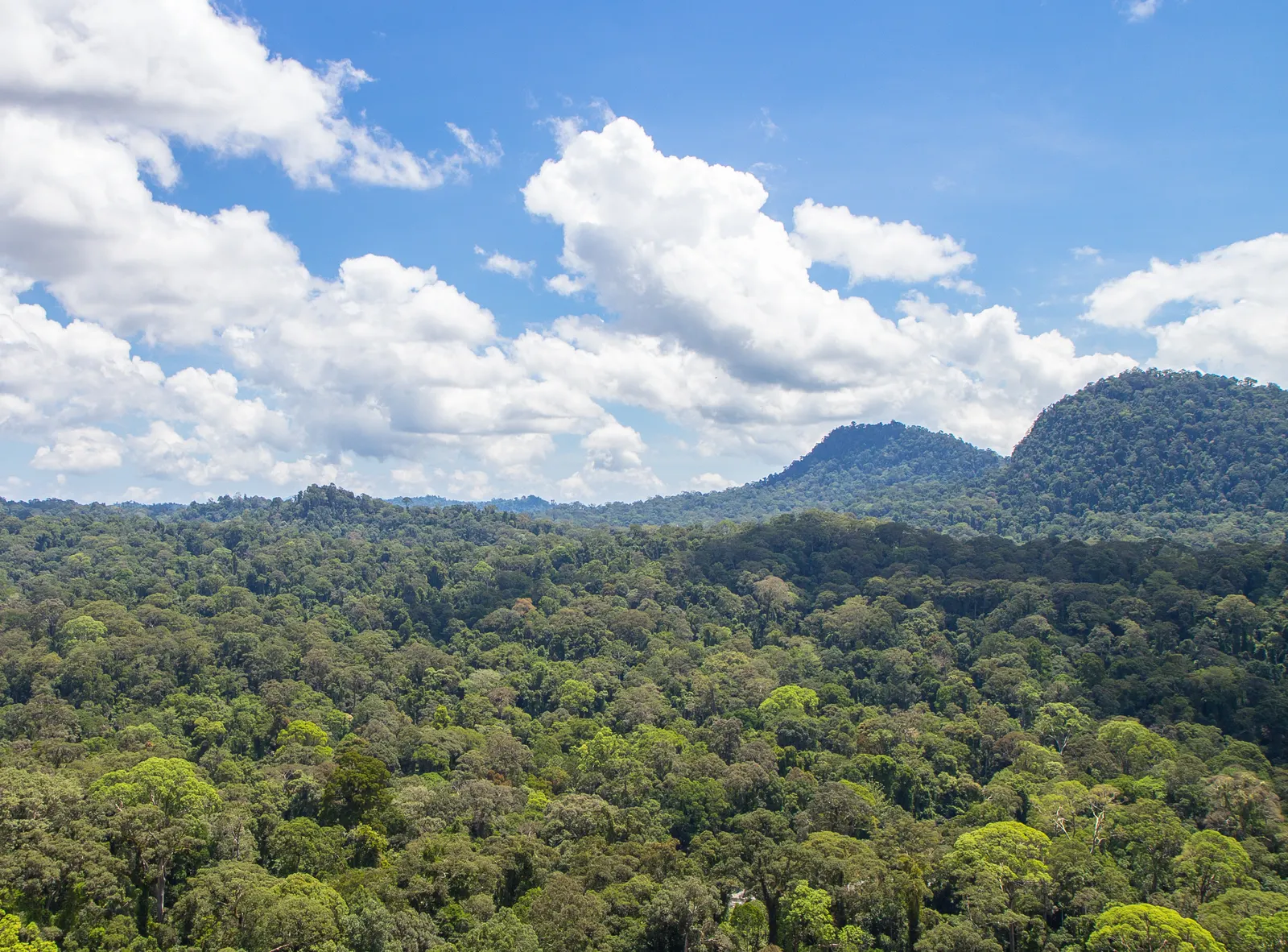
This named species occupies central and southern Kalimantan, south of the Kapuas towards the Barito, excluding the extreme southwest. It was separated from N. menagensis using facial markings and museum material. A generic Borneo slow-loris record cannot automatically be assigned to it.
Sources & references · 3
American Society of Mammalogists, MDD v2.5 · Nycticebus borneanus: taxonomyIUCN, Nekaris and Miard · Nycticebus borneanus Red List assessmentNew England Primate Conservancy · Bornean Slow LorisFood and daily life
This nocturnal, tree-dwelling primate feeds on insects and plant foods, including gum, nectar and fruit. Detailed field knowledge of its feeding and breeding remains limited. Its slow movement through branches suits a life concealed in vegetation; night activity does not make it easy to find.
Sources & references · 3
American Society of Mammalogists, MDD v2.5 · Nycticebus borneanus: taxonomyIUCN, Nekaris and Miard · Nycticebus borneanus Red List assessmentNew England Primate Conservancy · Bornean Slow LorisThreats and conservation
The Bornean slow loris is globally Vulnerable, with a decreasing population trend. Forest loss, fires and capture for the pet trade threaten it. Its restricted Kalimantan distribution makes protection of remaining forest particularly important.
Sources & references · 3
American Society of Mammalogists, MDD v2.5 · Nycticebus borneanus: taxonomyIUCN, Nekaris and Miard · Nycticebus borneanus Red List assessmentNew England Primate Conservancy · Bornean Slow LorisRecognising the animal
The face has a strongly contrasting dark mask around large eyes. Rounded upper eye patches, hairy ears and a broad band of hair in front of the ears help distinguish it from other Bornean lorises. Its unusually long, fluffy coat can give even an adult a juvenile appearance. These subtle features are difficult to assess during a brief night encounter.
Sources & references · 2
American Journal of Primatology, Munds, Nekaris and Ford · Taxonomy of the Bornean slow loris, with new species Nycticebus kayan (Primates, Lorisidae)European Association of Zoos and Aquaria · EAZA Best Practice Guidelines: Nycticebus species, species-specific N. borneanus accountForests and observation
Species-confirmed field observations include dipterocarp forest in Bukit Batikap, Central Kalimantan. Detailed reproductive knowledge is still scarce. Protecting an animal with such a restricted range requires keeping forest habitat intact as well as preventing capture. The attractive face that aids recognition also makes slow lorises vulnerable to demand as pets.