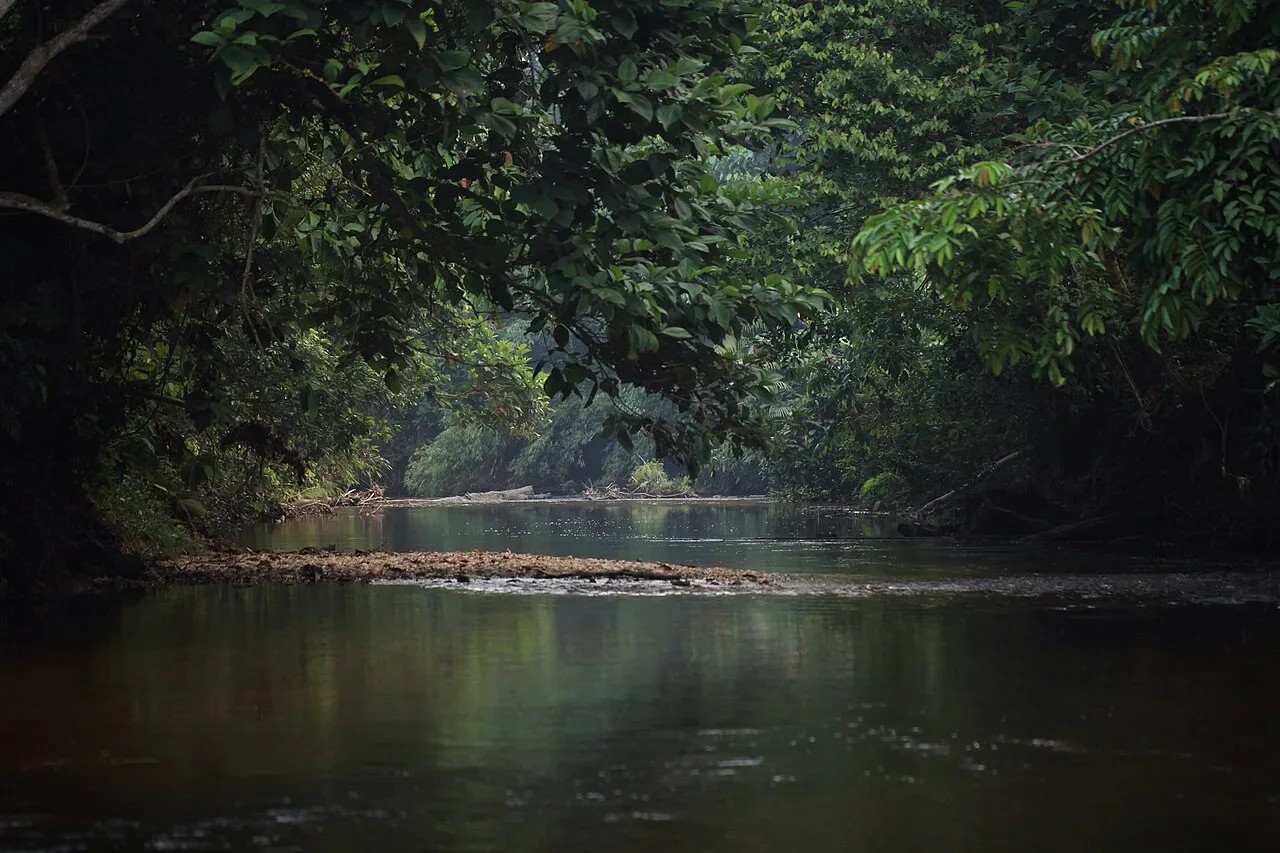
A visit centred on watching
Batu Lintang’s tourism offer includes a named hornbill-watching programme at Pulan. That gives the visit a different purpose from a general forest walk: the pace should allow time to stop, listen and observe, rather than concentrate on covering a route. Explain your interest when contacting the community so that the appropriate guide and meeting place can be arranged.
Hornbills are part of the forest’s appeal, but they are wild birds. Choose the outing for the chance to understand their habitat and the experience of attentive observation. A day without a close sighting can still reveal much through sounds, movement in the canopy and the guide’s explanation of what you encounter.
Getting the locality right
Sungai Utik is the better-known longhouse centre within Batu Lintang, while the village profile identifies Pulan as a supporting area for forest exploration and hornbill observation. Do not assume that a birding departure begins at the longhouse door. Confirm the actual meeting point, the transfer between places and who will accompany you.
Putussibau is the wider road gateway. The community’s travel estimate to Sungai Utik helps plan that first stage, but the birding approach needs its own arrangements. Keep time for the meeting and equipment preparation. If staying in the village, coordinate the outing with your host instead of arriving at an unannounced early hour.
Observing without disturbing
Follow the guide’s chosen path and keep voices low. Binoculars help with birds in tall trees; a camera is optional, and a difficult photograph should not become a reason to move closer. Do not use food or recorded calls to draw birds towards the group. Avoid approaching nests or asking the guide to disclose their precise locations.
Ask about the forest as well as the birds. Local conservation and customary management give the outing its context, and the guide can explain what visitors should respect. Stay within the agreed area and leave plants and forest materials untouched. The hosts’ decision to limit a route or keep a place private is part of a responsible visit.
Agreeing the practical details
Request the duration, walking conditions and guide language before booking. Tell the organiser about your birdwatching experience and mobility needs, and ask whether binoculars are available or should be brought. Wear footwear for the agreed trail and carry water, rain protection and a way to keep equipment dry.
Clarify guide fees, transport and any meal or overnight arrangement separately. A birding listing does not automatically include a longhouse stay or a camping night. Let the local team advise the timing according to conditions, and leave enough flexibility to observe patiently. The aim is a well-hosted forest experience, with birds given the freedom to remain beyond reach.