A city best explored on foot
Gaya Street and the older centre bring everyday trade and Jesselton’s surviving landmarks together. A heritage walk gives the streets a story beyond their shop signs.

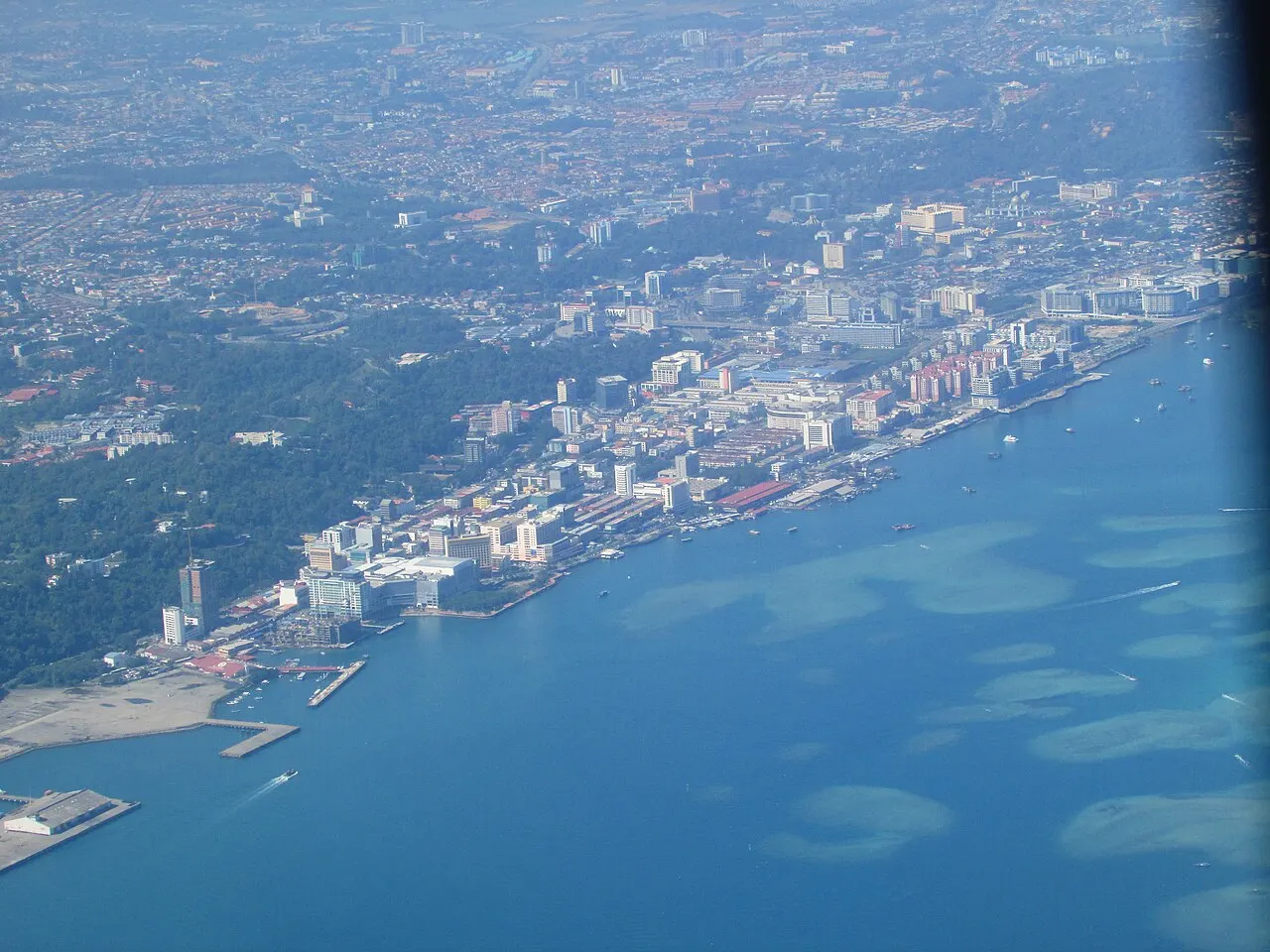
Kota Kinabalu puts a working waterfront, street markets and island departures within reach of a relaxed city stay. Start among the shophouses of Gaya Street, look for the older traces of Jesselton, then make time for mangroves or a boat journey into Tunku Abdul Rahman Park. Sabah’s capital is more than a connection between the airport and the mountains.
2020 census, Dewan Bandaraya Kota Kinabalu city jurisdiction. This is not the Greater Kota Kinabalu metropolitan area; neighbouring Penampang and Putatan are not added.
Gaya Street and the older centre bring everyday trade and Jesselton’s surviving landmarks together. A heritage walk gives the streets a story beyond their shop signs.
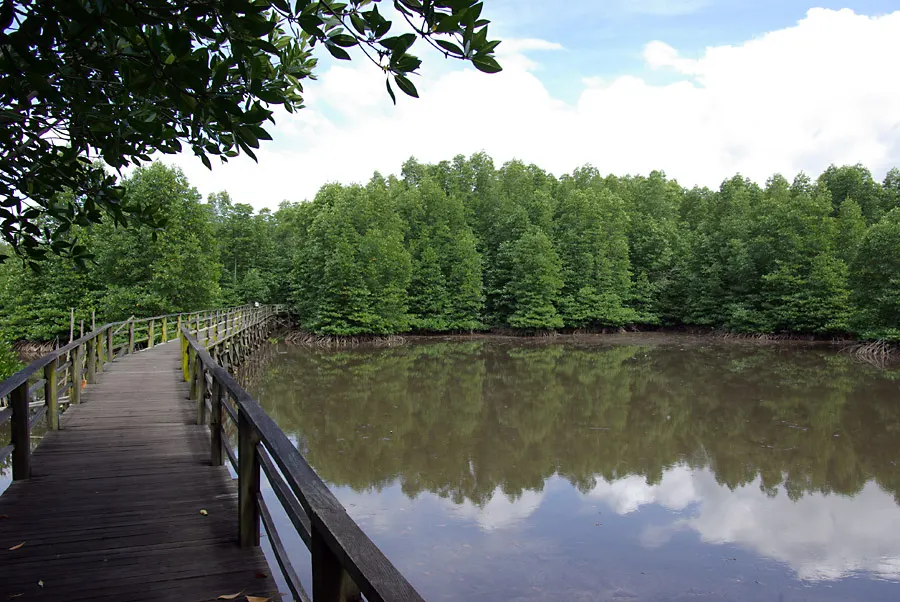
Kota Kinabalu Wetlands offers a different pace from the waterfront. Follow managed paths through tidal habitat and let birds and changing water levels shape the visit.

The islands of Tunku Abdul Rahman Park require a boat trip, but departures begin close to downtown. Choose a manageable island plan with a confirmed return.

Explore Kota Kinabalu’s historical streets with a heritage guide, connecting surviving landmarks with the changing city around them.
Explore further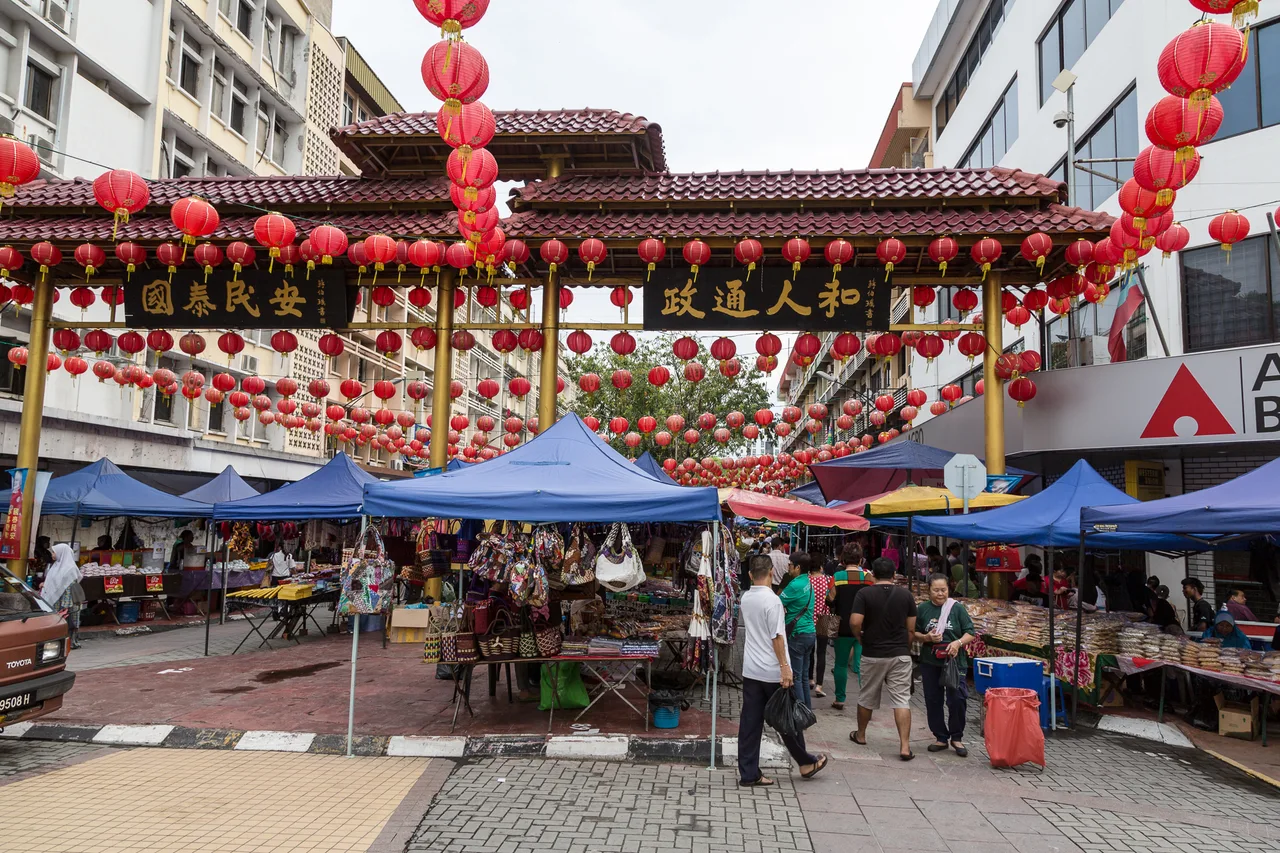
Gaya Street Sunday Market brings produce, snacks, plants and crafts into central Kota Kinabalu on Sunday mornings. Visit as a working street market, distinct from the evening market.
Explore further
Discover Sabah’s produce, seafood and everyday food trading at Kota Kinabalu’s waterfront market.
Explore further
Discover an urban mangrove landscape through a self-paced boardwalk visit or a separately arranged guided programme.
Explore further
Plan a reef-and-island day from Kota Kinabalu, choosing the islands, departure marina and level of guidance that suit your visit.
Explore further
A larger city hotel at Api-Api Centre, convenient for the waterfront side of central Kota Kinabalu.
Affiliate linkBekijk beschikbaarheid op Agoda
A straightforward central hotel on Jalan Haji Saman, near the Gaya Street neighbourhood.
Affiliate linkBekijk beschikbaarheid op Agoda
A city hotel beside the older centre around Padang Merdeka, with private rooms and an on-site café.
Affiliate linkBekijk beschikbaarheid op Agoda
A Karamunsing base with studio and larger room categories; useful when space matters more than a Gaya Street address.
Affiliate linkBekijk beschikbaarheid op Agoda
A sociable urban stay in Bandaran Berjaya with capsule beds and private studios; check the selected room category.
Affiliate linkBekijk beschikbaarheid op Agoda
A compact stay above Jalan Gaya, suited to exploring the centre’s food streets and weekend market.
Affiliate linkBekijk beschikbaarheid op Agoda
A long-established hotel on Jalan Gaya, convenient for walking through the old central shopping streets.
Affiliate linkBekijk beschikbaarheid op Agoda
An upscale central hotel on Jalan Datuk Salleh Sulong, close to the waterfront and the old town streets.
Affiliate linkBekijk beschikbaarheid op Agoda
A central hotel on Jalan Pantai, useful for combining the markets, waterfront and Gaya Street area.
Affiliate linkBekijk beschikbaarheid op Agoda
A central hotel in Warisan Square, close to the waterfront and handicraft market.
Affiliate linkBekijk beschikbaarheid op Agoda
The older centre rewards a slower walk. Atkinson Clock Tower and the streets around Gaya Street offer a different scale from the hotels and shopping centres along the coast. Keep the surviving landmarks in context: present-day Kota Kinabalu is a living state capital, not a preserved colonial town. A market breakfast, a short heritage walk and an evening by the water reveal how older traces sit within daily city life.
Explore further
The city’s coast connects several different experiences. At the wetland reserve, the focus is a tidal ecosystem; at Jesselton Point it is the practical business of getting to an island. Tanjung Aru gives an unhurried space for an evening outdoors. Treat these as separate visits, each with its own transport and conditions, rather than rushing them into one continuous waterfront walk.
Explore furtherLocal dishes and everyday food traditions.
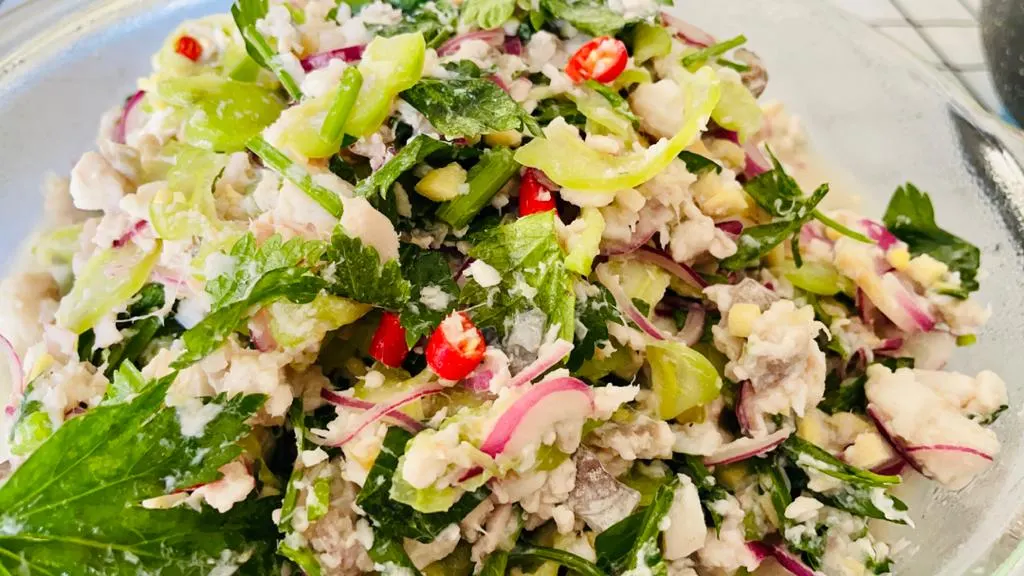
Hinava brings together finely sliced fish, lime, ginger and chilli in a bright Sabahan dish. Its fresh-tasting acidity and aromatic crunch make it a distinctive introduction to Kadazandusun food…
Explore further
Tuaran mee brings a noodle tradition from the town of Tuaran to tables elsewhere in Sabah, including Kota Kinabalu. The place-name describes its origin, not the address of every…
Explore further
A seafood meal belongs naturally to Kota Kinabalu’s working waterfront. Browse first, agree what you are ordering and give the meal its own unhurried place in your evening.
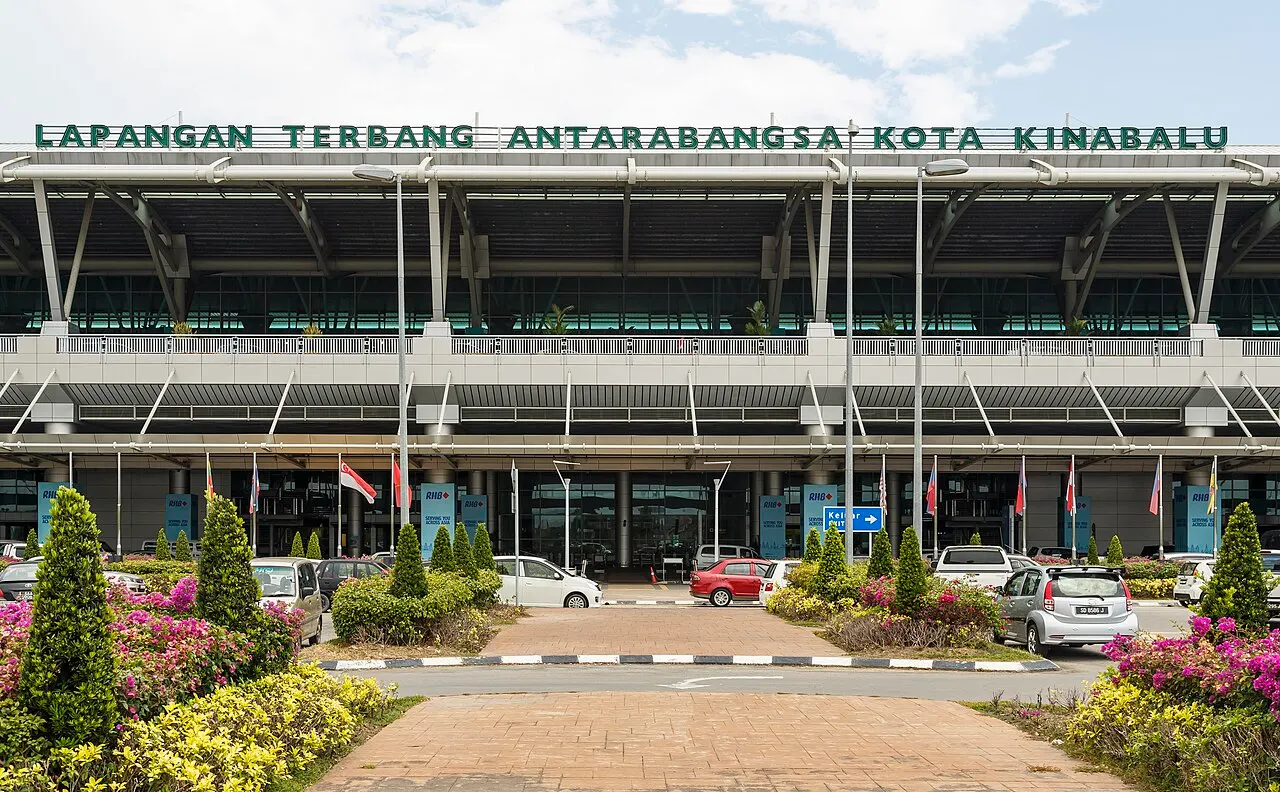
Explore furtherArrive at Kota Kinabalu International Airport, then arrange a separate transfer to your actual city address.
Explore furtherWalk the central streets in short stages; use a taxi or e-hailing for Tanjung Aru, the wetlands and other separated areas.
Keep island plans flexible around the marine forecast, and allow shelter breaks during city showers.
Carry small cash for markets, water for walks and respectful clothing for religious or community visits.
Kota Kinabalu faces the South China Sea on Sabah’s west coast. The airport, central waterfront, Tanjung Aru and northern coastal neighbourhoods are distinct parts of the city. Jesselton Point connects the centre with offshore islands; Penampang lies in the adjoining urban region but remains a separate place.
Start with the old centre and a market meal. Visit Gaya Street’s market if your day matches its schedule, then leave the evening for the waterfront.
Take a prearranged boat from Jesselton Point into Tunku Abdul Rahman Park. Keep the island programme modest and confirm your return before leaving the jetty.
Visit the wetland reserve during its confirmed opening hours. Leave a rest break before a separate journey to Tanjung Aru, or use the afternoon for the open parts of the museum complex.
From a first idea to your own Borneo journey.
History, culture and the practical details that make a visit richer. Open a chapter to read the complete guide.
Kota Kinabalu puts a working waterfront, street markets and island departures within reach of a relaxed city stay. Start among the shophouses of Gaya Street, look for the older traces of Jesselton, then make time for mangroves or a boat journey into Tunku Abdul Rahman Park. Sabah’s capital is more than a connection between the airport and the mountains.
Start around Gaya Street and use the surviving landmarks to orient yourself rather than trying to cover every monument. Atkinson Clock Tower stands beside the rise of Signal Hill; the street below continues to serve cafés, businesses and everyday shopping. The Sunday market changes that setting, so a weekday visit and a market morning offer different experiences. Keep your route flexible around heat, crossings and time spent talking or browsing.
The name Jesselton belongs to an earlier chapter of the city. A guided heritage walk can connect buildings and street names with that history, while helping distinguish what survives from what has been rebuilt. Ask for interpretation rather than just a list of photo stops.
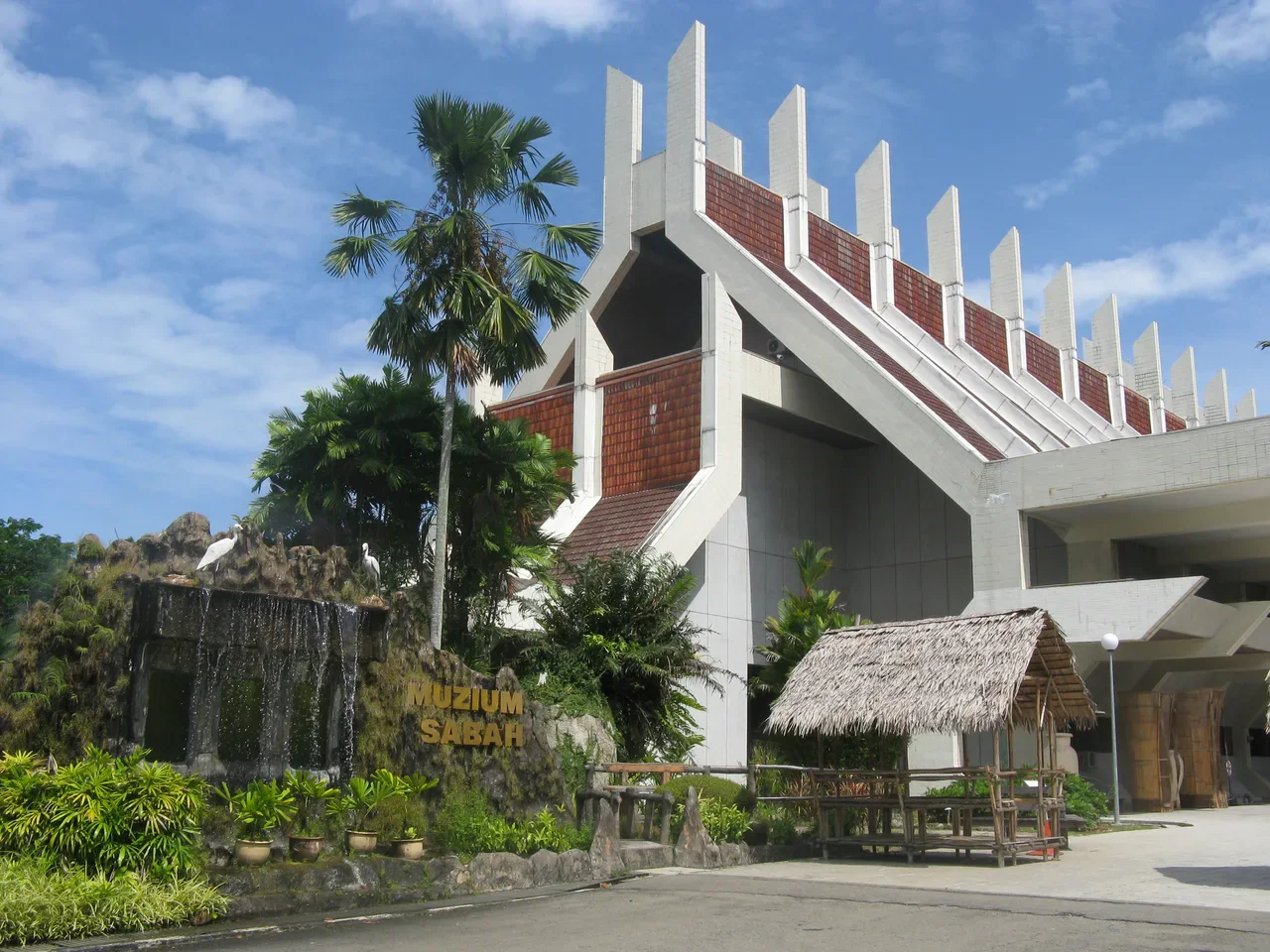
For a broader cultural context, consider the Sabah Museum complex separately. Its official tour form currently marks the main building temporarily closed; the Heritage Village and other sections are listed individually. Confirm what is accessible before setting off, rather than assuming a museum ticket opens every gallery.
Begin a wetland visit by looking closely rather than walking quickly. Kota Kinabalu Wetland’s boardwalk gives access to mangrove habitat without treating the mud and roots as an open walking surface. Pause at the observation areas, keep voices low and allow birds to appear on their own terms. Early visits can suit birdwatching, but check the actual opening arrangements; a species list is never a promise of sightings.
An island day is a separate undertaking. Tunku Abdul Rahman Park comprises Gaya, Sapi, Manukan, Mamutik and Sulug with their surrounding waters. Choose an itinerary that leaves time on shore instead of spending the day changing boats. Ask which island and landing point are included, whether equipment fits and how the return is arranged.
Keep footwear suitable for wet surfaces and follow local instructions in the water. Avoid standing on coral or collecting natural objects. Wind, visibility and rain can change a programme, so retain a city alternative rather than treating every marine activity as guaranteed.

Use the city’s meals to notice connections across Sabah. Hinava is associated with Kadazan-Dusun cooking, while Tuaran mee carries the name of its town of origin even when served in Kota Kinabalu. Neither label turns a restaurant meal into a visit to the community or place behind it. A conversation with a cook can add context, but give working staff time and avoid asking anyone to speak for all of Sabah.
At a seafood stall, settle the practical questions before cooking starts: the fish or shellfish selected, portion or weight, preparation and total price. Ask whether rice, sauces and drinks are separate. For noodle dishes, check meat, broth and toppings; an unfamiliar name is not a reliable guide to dietary suitability.
A market visit is also useful without buying a full meal. Look at produce and dried goods, keep aisles clear and ask before photographing people. Distinguish browsing, purchasing ingredients and eating prepared food: they can happen nearby but are different parts of a working food economy.

Choose a base using its actual address, not only a hotel’s use of “Kota Kinabalu” in its name. Central streets, the airport area and northern coastal neighbourhoods lead to different daily journeys. Penampang is part of the adjoining urban region but should remain clearly identified as a separate location. Keep the accommodation pin and a written address available when arranging a pickup.
Build each day around one main outing and a nearby meal. A heritage walk and the central market combine naturally; a wetland visit, Tanjung Aru and an island departure are not all stops on one uninterrupted walk. Leave a buffer for traffic and rain, and check which terminal or jetty the actual ticket names.
Carry drinking water and a compact rain layer, with footwear suited to wet pavements or boardwalks. Keep a small amount of cash for stalls. Confirm opening arrangements directly for any essential visit, particularly the museum complex, and avoid committing an important flight connection to an unconfirmed boat return.
Loading this map connects your browser to Google. Google receives your IP address and browser information and may use cookies under its own privacy policy. This choice applies only to this map until you leave or reload this page; it does not enable Analytics.
sabahtourism.com · kota kinabalu
sabahtourism.com · jesselton point waterfront
sabahtourism.com · gastronomical adventure with sabahs traditional food
www.sabahtravel.com · top restaurants in kk that you should try
oer.ums.edu.my · A%20GLANCE%20AT%20TAMU%20TUARAN.pdf
sabahtourism.com · kota kinabalu central market 2
sabahtourism.com · icydk the variety of cuisine we have in kota kinabalu
Kota Kinabalu city centre seen from the air.Jason Thien · Wikimedia Commons · CC BY 2.0 · Cropped · Original
Atkinson Clock Tower in Kota Kinabalu, photographed in 2011.CEphoto, Uwe Aranas · Wikimedia Commons · CC BY-SA 3.0 · Cropped · Original
Boardwalk and mangroves at Kota Kinabalu Wetlands, photographed in 2010.Stefan Fussan · Wikimedia Commons · CC BY-SA 3.0 · Cropped · Original
Pulau Sapi beach in Tunku Abdul Rahman Park, offshore from Kota Kinabalu, photographed in 2009.diego_cue · Wikimedia Commons · CC BY-SA 3.0 · Cropped · Original
Historical panorama of Jesselton circa 1911; archival view, not the present-day city.Unknown photographer / Sabah State Archive · Wikimedia Commons · Public domain (PD-old; Commons public domain mark) · Cropped · Original
Gaya Street Sunday Market during Chinese New Year celebrations in 2013.CEphoto, Uwe Aranas · Wikimedia Commons · CC BY-SA 3.0 · Cropped · Original
Central Market in Kota Kinabalu, photographed in 2015.CEphoto, Uwe Aranas · Wikimedia Commons · CC BY-SA 3.0 · Cropped · Original
Mangroves at Kota Kinabalu Wetlands, photographed in 2001.Bernard DUPONT · Wikimedia Commons · CC BY-SA 2.0 · Cropped · Original
Kota Kinabalu seen from Pulau Sapi beach, photographed in 2009.diego_cue · Wikimedia Commons · CC BY-SA 3.0 · Cropped · Original
The Kota Kinabalu waterfront and markets in the evening, photographed in 2024.Bahnfrend · Wikimedia Commons · CC BY-SA 4.0 · Cropped · Original
Tanjung Aru beach in Kota Kinabalu, photographed in 2012.CEphoto, Uwe Aranas · Wikimedia Commons · CC BY-SA 3.0 · Cropped · Original
Hinava made with mackerel, a Sabah dish.Terencetulus · Wikimedia Commons · CC BY-SA 4.0 · Cropped · Original
Tuaran mee, a regional Sabah dish, photographed in Tuaran in 2012; not a photograph of a Kota Kinabalu restaurant.CEphoto, Uwe Aranas · Wikimedia Commons · CC BY-SA 3.0 · Cropped · Original
Grilled fish and squid at Kota Kinabalu night food market, photographed in 2024.BiancaBrazal · Wikimedia Commons · CC BY-SA 4.0 · Cropped · Original
Gaya Street Sunday Market during Chinese New Year celebrations in 2013.CEphoto, Uwe Aranas · Wikimedia Commons · CC BY-SA 4.0 · Cropped · Original
Kota Kinabalu City Mosque in Likas, photographed at blue hour in 2016.CEphoto, Uwe Aranas · Wikimedia Commons · CC BY-SA 4.0 · Cropped · Original
Terminal 1 at Kota Kinabalu International Airport, Sabah, Malaysia.CEphoto, Uwe Aranas · Wikimedia Commons · CC BY-SA 3.0 · Cropped · Original
Exterior of Sabah State Museum in Kota Kinabalu.Geographer at English Wikipedia · Wikimedia Commons · CC BY 3.0 · Cropped · Original
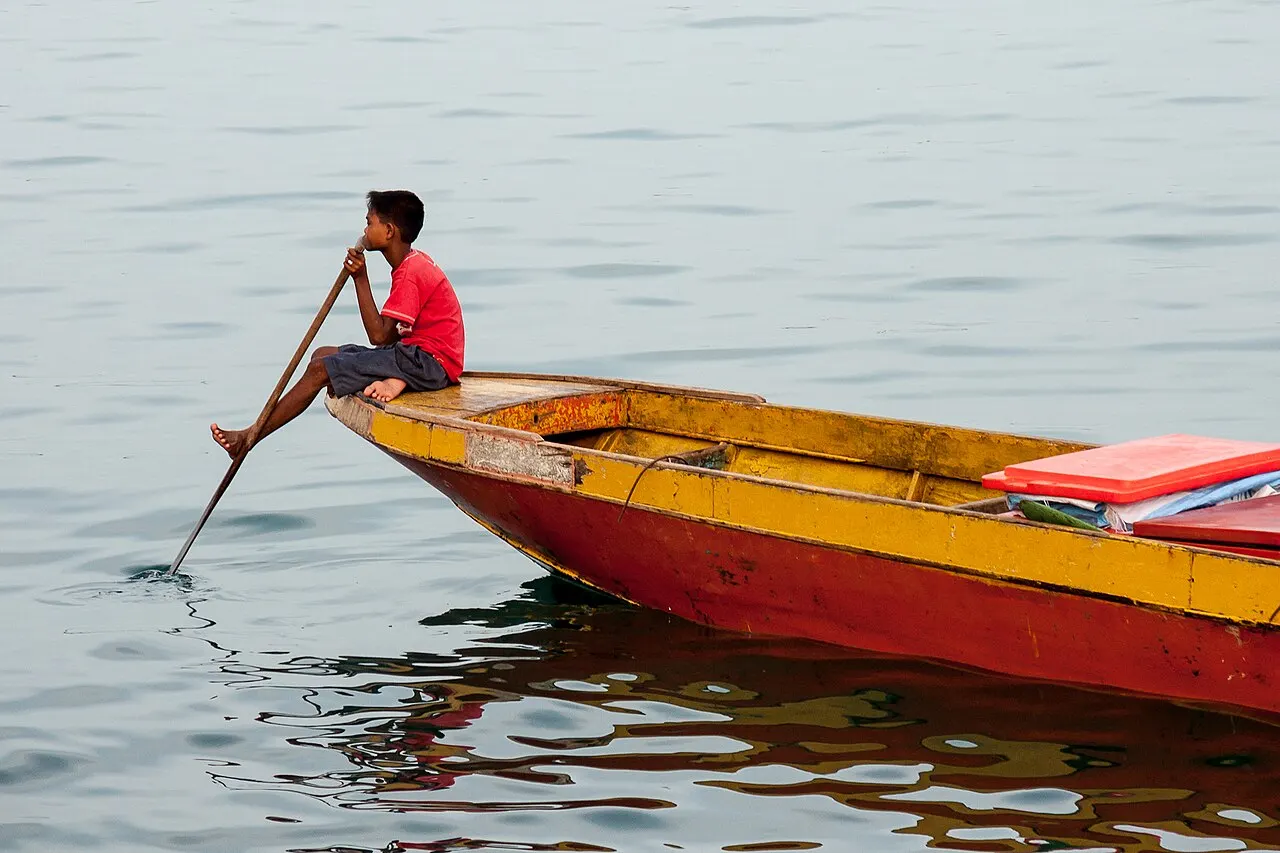
A Bajau boy watches over his father’s boat in Kota Kinabalu, Sabah, Malaysia, as identified by the photographer.CEphoto, Uwe Aranas · Wikimedia Commons · CC BY-SA 3.0 · Cropped · Original
Madam Chong selling spices and condiments at Kota Kinabalu Central Market in 2014.CEphoto, Uwe Aranas · Wikimedia Commons · CC BY-SA 3.0 · Cropped · Original
The entrance to Jesselton Point in Kota Kinabalu, photographed in 2013.CEphoto, Uwe Aranas · Wikimedia Commons · CC BY-SA 3.0 · Cropped · Original
Mount Kinabalu above the surrounding hills.Anton Zelenov · Wikimedia Commons · CC BY-SA 4.0 · Cropped · Original
Hinava made with mackerel, a Sabah dish.Terencetulus · Wikimedia Commons · CC BY-SA 4.0 · Cropped · Original
Gaya Street Sunday Market during Chinese New Year celebrations in 2013.CEphoto, Uwe Aranas · Wikimedia Commons · CC BY-SA 3.0 · Cropped · Original
Boardwalk and mangroves at Kota Kinabalu Wetlands, photographed in 2010.Stefan Fussan · Wikimedia Commons · CC BY-SA 3.0 · Cropped · Original
View from Manukan Island in Tunku Abdul Rahman Park (2020).Tecrc · Wikimedia Commons · CC BY-SA 4.0 · Cropped · Original
Terminal 1 at Kota Kinabalu International Airport, Sabah, Malaysia.CEphoto, Uwe Aranas · Wikimedia Commons · CC BY-SA 3.0 · Cropped · Original