What is Gence ruan?
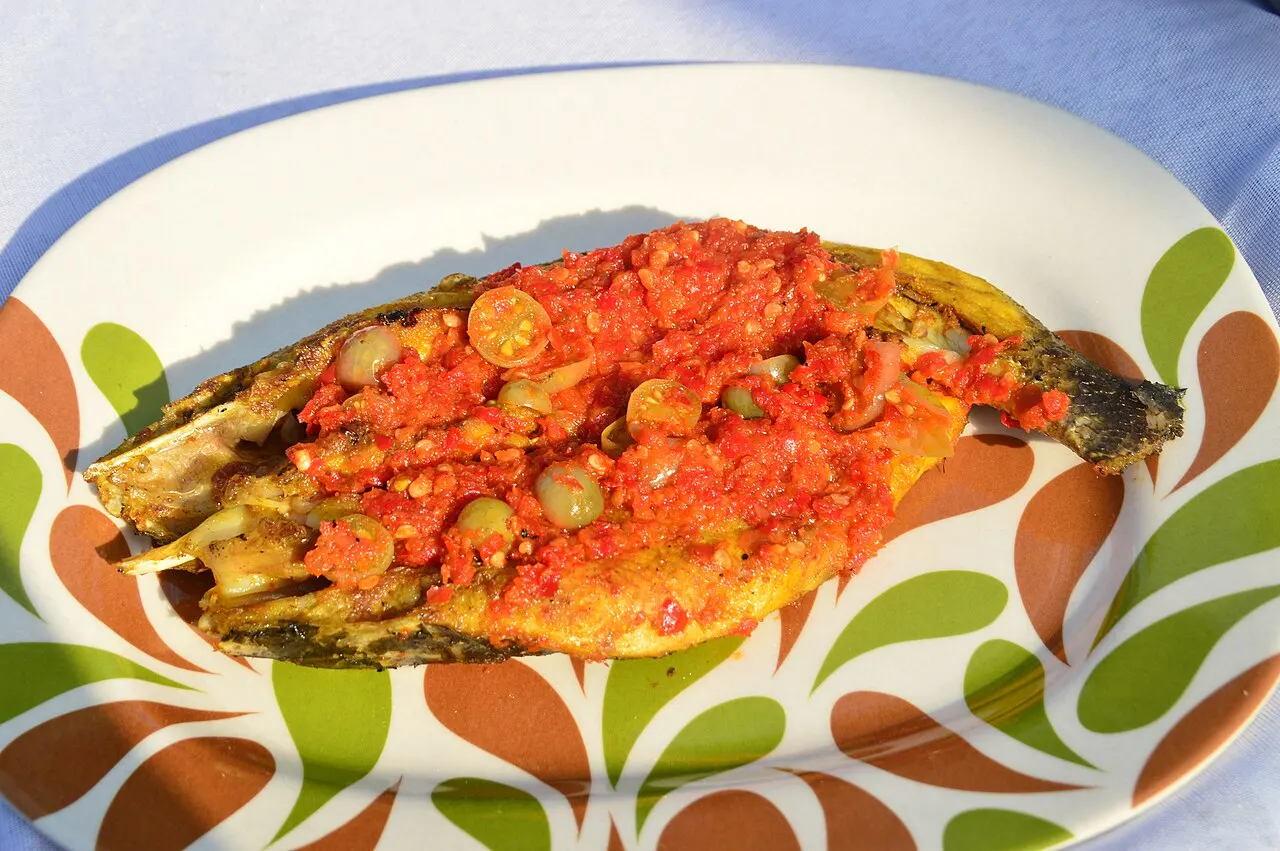
Ruan is part of the local name for the fish dish, while gence refers to its distinctive seasoning. Descriptions use haruan or gabus, familiar culinary names for snakehead fish. The whole-fish presentation makes this a substantial main dish, not a fish cracker or a thin soup.
Kutai food gives the dish its regional setting. Grilled fish and aromatic chilli dressing are the combination to look for when exploring this part of East Kalimantan’s cooking.
Flavour and texture
Grilling brings surface colour and a smoky note, while chilli and onion give the coating its intensity. The flesh beneath offers a softer contrast. How hot it tastes depends on the cook’s chilli mixture; ask before adding another sambal.
Plain rice gives the dressing a mild partner. The sauce is part of the fish’s character rather than just decoration, so tasting flesh and seasoning together is more revealing than judging them separately. Expect bones in a whole-fish serving.
At the table
Gence ruan belongs in a rice meal, often shared as a central fish dish. When choosing it, ask which fish is available and how the kitchen serves the seasoning. Local food names are more useful when the cook explains what is on that day’s plate.
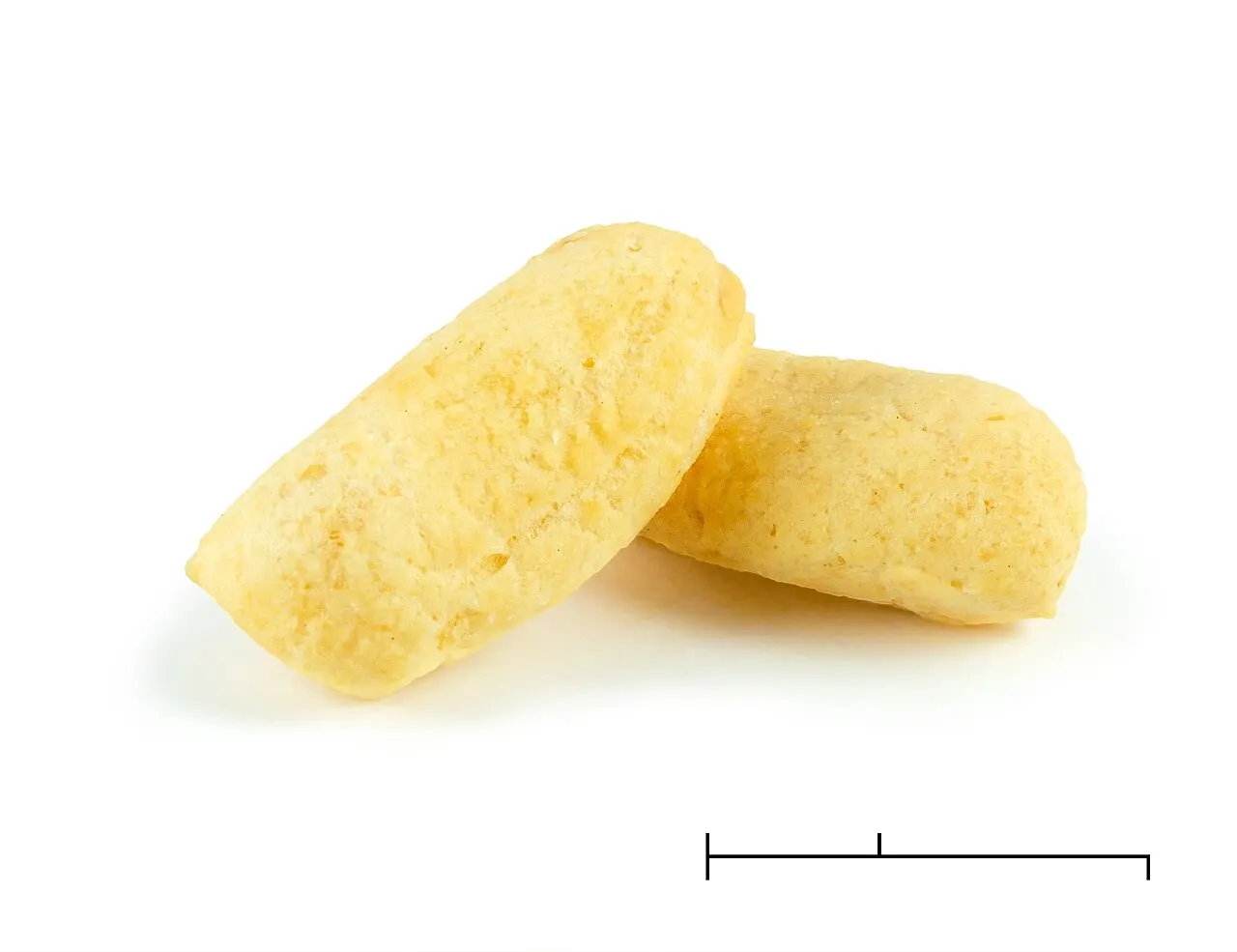
Amplang fish crackers offers another East Kalimantan fish preparation with a completely different purpose: crisp snack pieces rather than a grilled main course. Comparing them highlights how technique changes the same broad ingredient category.