A conservation landscape with a visitor base
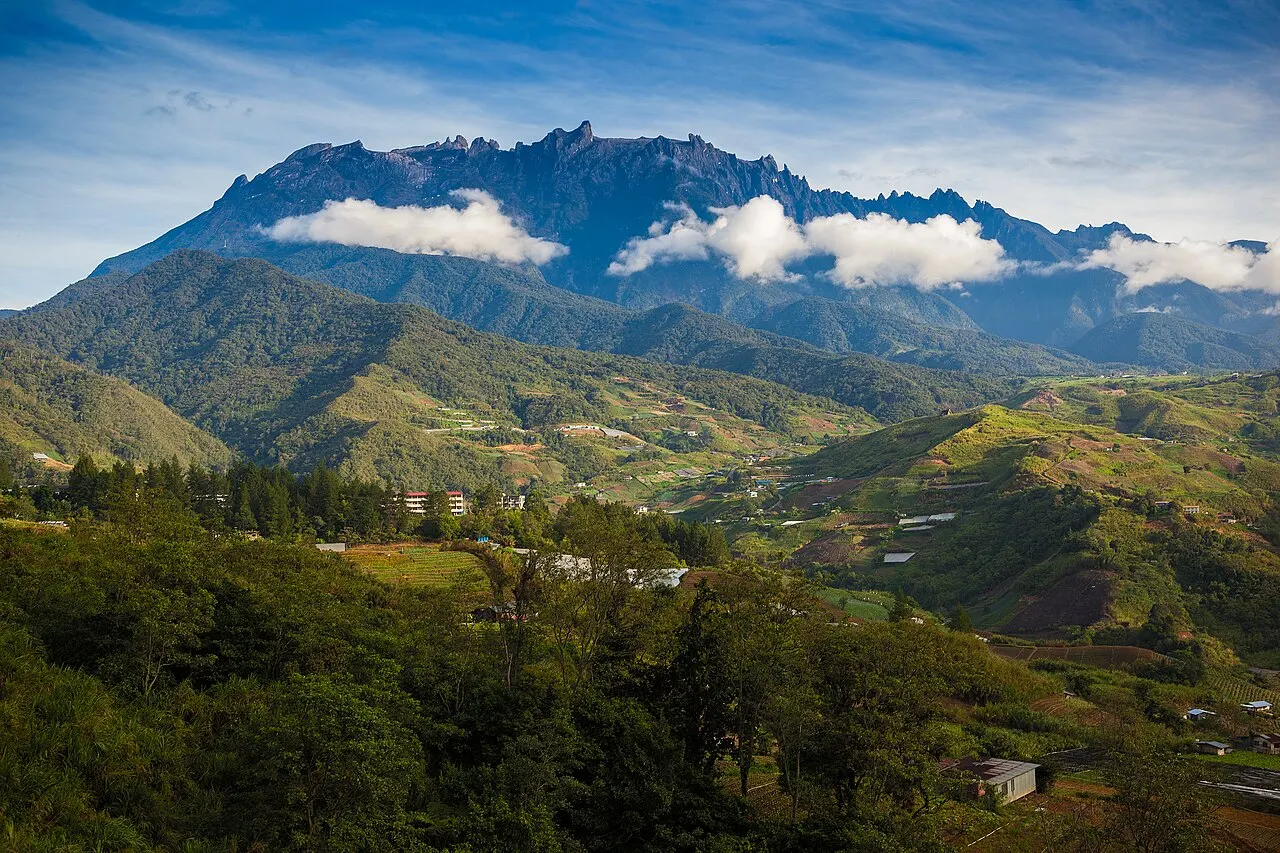
Imbak Canyon is a protected forest landscape in the interior of Sabah. Yayasan Sabah manages daily operations on behalf of an inter-agency committee, and the area has Class I Protection Forest Reserve status. The Imbak Canyon Studies Centre provides a defined base for visitors as well as conservation and research work. Those functions overlap in place but not in permission: booking a visitor stay does not open research areas or every forest trail. Its appeal is the opportunity to experience a substantial forest landscape through an organised programme.
Forest diversity and the water flowing beyond it
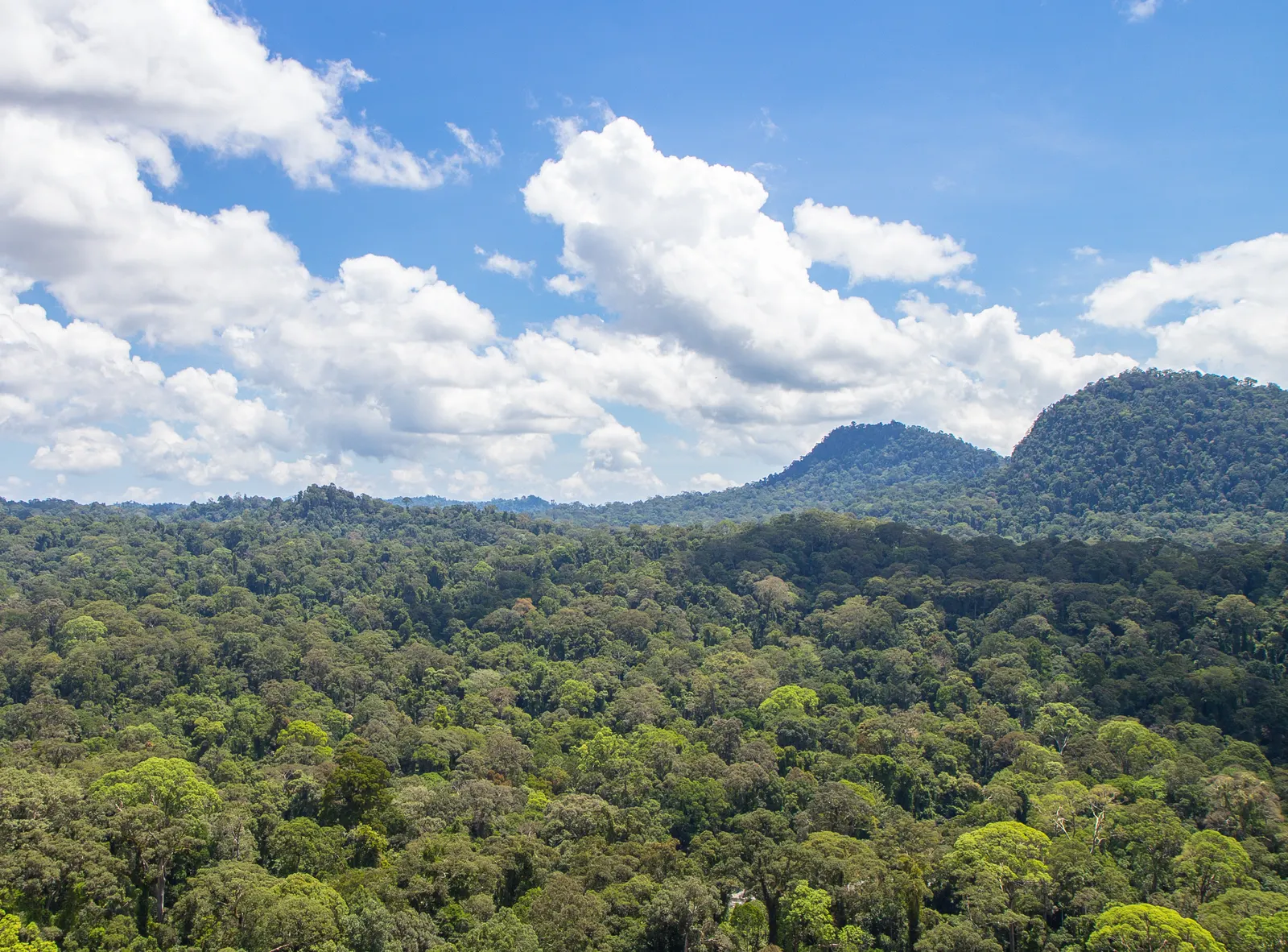
Lowland dipterocarp forest and lower montane heath forest give the conservation area ecological variety. The protected landscape also forms part of the headwaters of the Kinabatangan system, so its importance extends beyond the canyon itself. Yayasan Sabah describes a wider conservation connection with Maliau Basin and Danum Valley. That is an ecological relationship, not a claim of an easy tourist route between the three areas. A visit can make this landscape story tangible through forest interpretation, changing vegetation and the watercourses encountered on an approved outing.
Arrange the approach before leaving town
The official visitor programme offers transfers from Kota Kinabalu and describes a long road journey with an off-road section. Telupid and Tongod provide inland geographical context, but the correct meeting point and last leg depend on the programme you book. Ask the office to confirm the vehicle, pickup, return plan and current road conditions. Do not treat the existence of a road as permission to arrive without arrangements. Keep time around the transfer flexible and discuss wet-weather alternatives before committing to a tight onward connection.
Choose a Studies Centre visit or a longer programme
The current visitor service describes day visits, overnight extensions and longer guided forest programmes. Studies Centre accommodation includes hostel and resthouse options alongside other room types; availability and meals should be confirmed directly rather than inferred from photographs. An on-site day visit is different from a day trip starting in distant Kota Kinabalu. For a longer stay, ask which walks are open, how demanding they are and what equipment is necessary. Choose according to the actual programme and your fitness instead of assembling your own itinerary from scattered trail names.
Permission and guiding are part of the visit
Advance permission from Yayasan Sabah is required, and visitors report to the area manager or representative on arrival. The current visitor programme includes an in-house guide or ranger. Ask for the latest entry conditions, including any insurance and photographic-equipment declarations relevant to your booking. Older conservation information refers to camp facilities that differ from the present Studies Centre offer, so use the current booking office for practical arrangements. Neither a research expedition description nor an old camp inventory should be treated as a promise about your room, meals or allowed route.
Keep the experience within conservation limits
Waterfalls, birdlife and forest walks are reasons to consider Imbak, but wildlife encounters and specific trails are never guaranteed. Stay within the agreed programme, follow ranger decisions and do not collect specimens or open shortcuts through vegetation. Avoid sharing precise locations of rare plants, wildlife resting places or research plots. A two- to four-day programme may suit visitors wanting more forest time, while shorter options exist at the centre; transfer demands still need to be accounted for. Confirm the final arrangements shortly before travel and accept changes when weather or conservation management requires them.