Forest protection and research
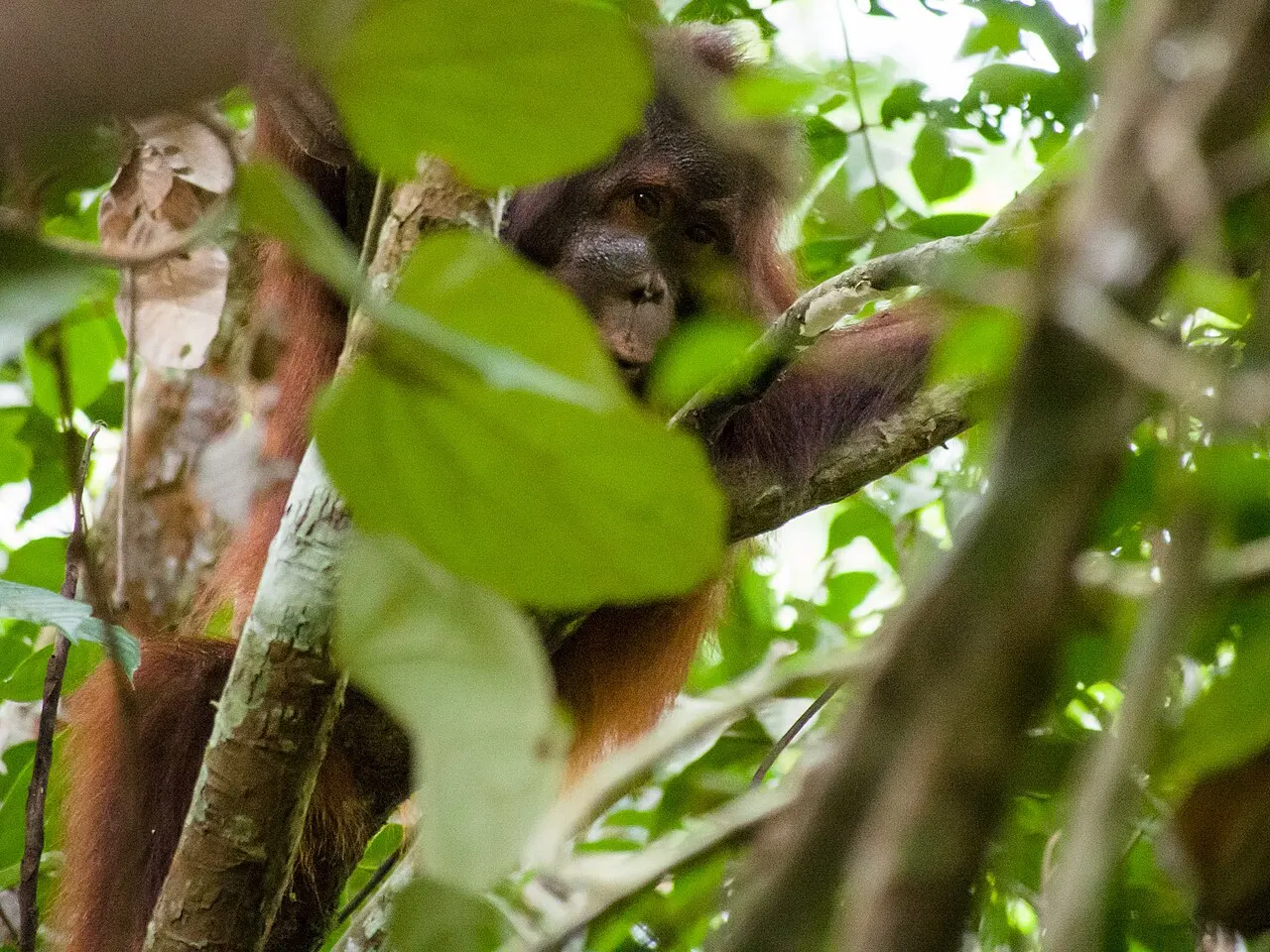
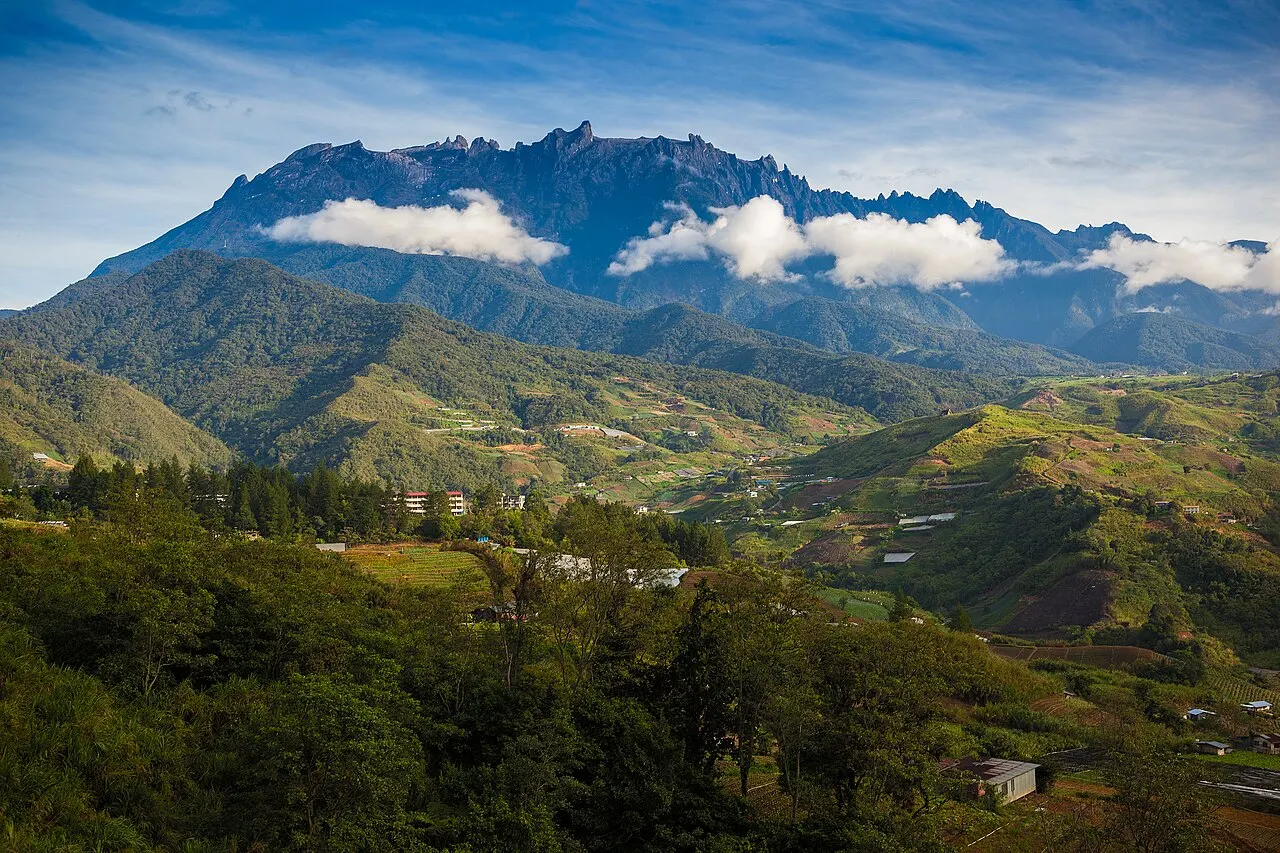
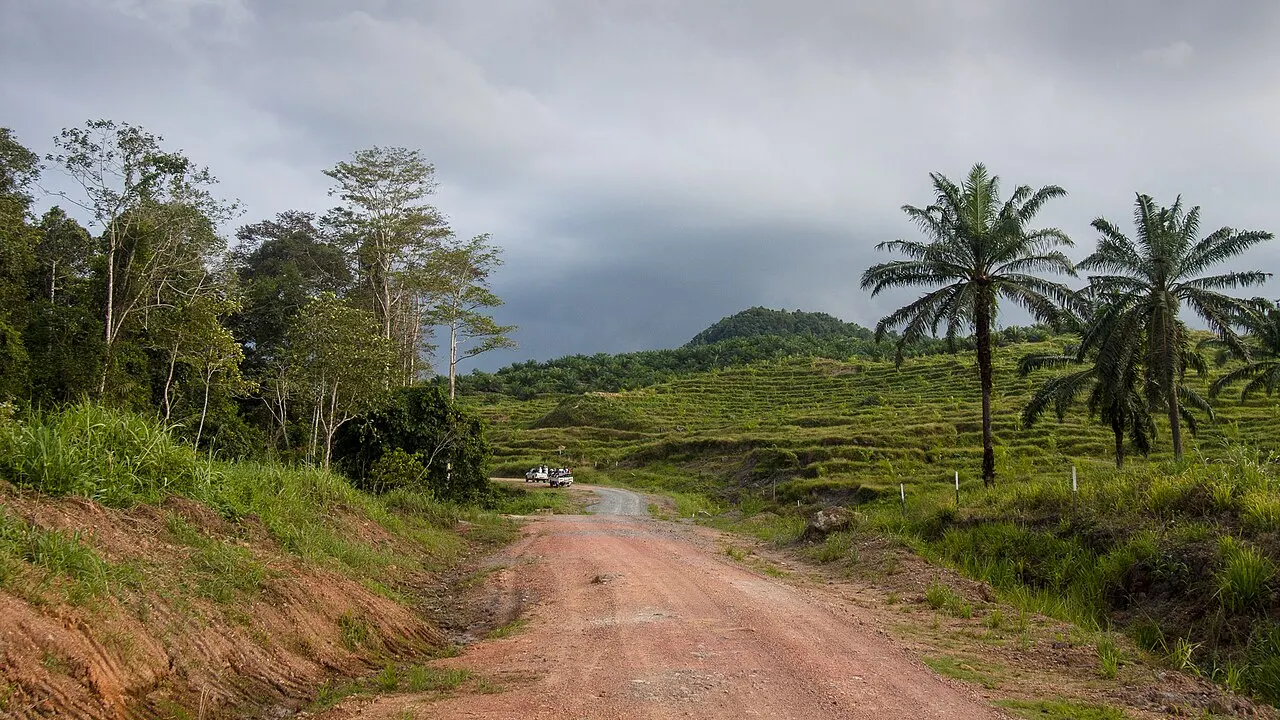
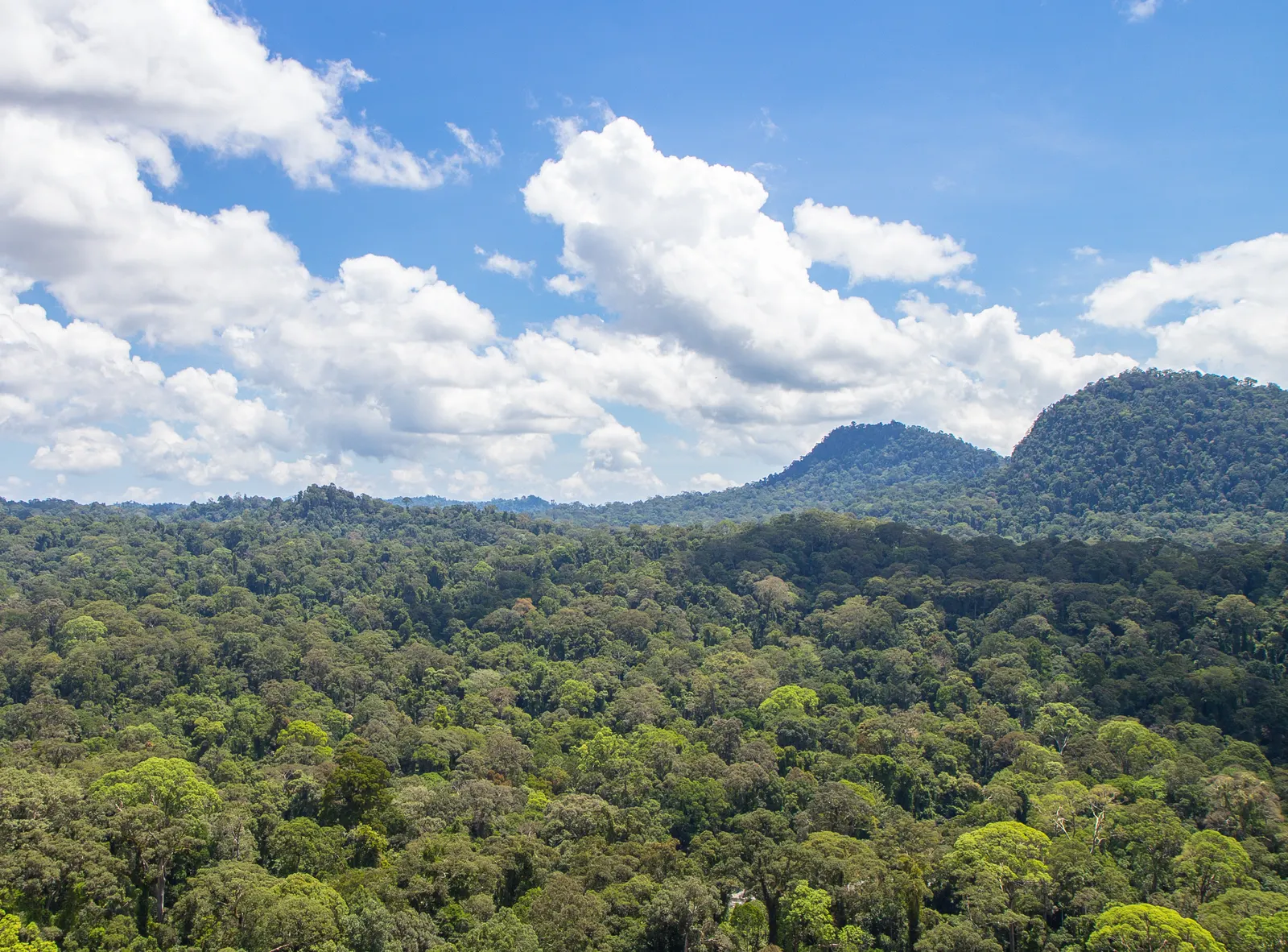
Danum’s Class I Protection Forest Reserve status matters because this is a conservation landscape, not merely the grounds of a lodge. Yayasan Sabah manages the area within a wider conservation programme that also connects research and training. The Studies Centre, formerly the Field Centre, has supported forest science since 1986. Its research role continues alongside visitor services; laboratories, plots and staff facilities should not be treated as freely accessible sightseeing stops. Lowland rainforest gives the visit its character. Learning to notice canopy layers, fallen wood and the forest’s sounds is worthwhile even when large animals remain hidden. The area supports Bornean orangutans, but their movements follow food and forest conditions rather than a visitor timetable. There is no need to pursue them off trail to make a walk successful.
Choose the facility before the transfer
Use Lahad Datu as the handover point for an arranged road transfer. The management’s visitor service offers scheduled or private transport; confirm the meeting place, arrival deadline and return arrangement directly. A map label for the conservation area is not a public entrance or a reliable driving destination. Tell the booking team whether you arrive by air or road and ask what happens if you miss the agreed departure. The Studies Centre offers several lodging categories in a working research setting; Borneo Rainforest Lodge provides a separate lodge stay with its own trails and facilities. Do not assume a booking at one gives access to the other’s canopy walkway or activities. Choose the named facility carefully: a hotel in Lahad Datu is a gateway stop, not an overnight stay within Danum. A three-day, two-night lodge itinerary is a useful starting structure, with longer stays allowing more unhurried exploration.
Walks at different hours
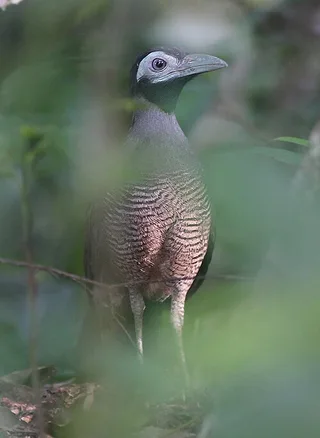
Build the programme around guided forest walks, birdwatching and time to absorb the surroundings. Lodge itineraries also describe a canopy walkway, night walks or night drives, but the exact combination belongs to the booked facility and can change with conditions. Request a clear list of included outings, guide arrangements, admission charges and optional extras before paying; do not invent a separate permit process from an accommodation advertisement. An early walk, a longer daytime trail and a short evening outing reveal different aspects of the forest. That is a planning pattern rather than a promise that every activity operates daily. Explain walking ability, interests and equipment needs when booking, particularly for specialist birding or photography. Slow observation is often more rewarding than covering maximum distance. Paths are for experiencing the forest, not racing between animal locations supplied by other visitors.
Conditions and the wider Sabah journey
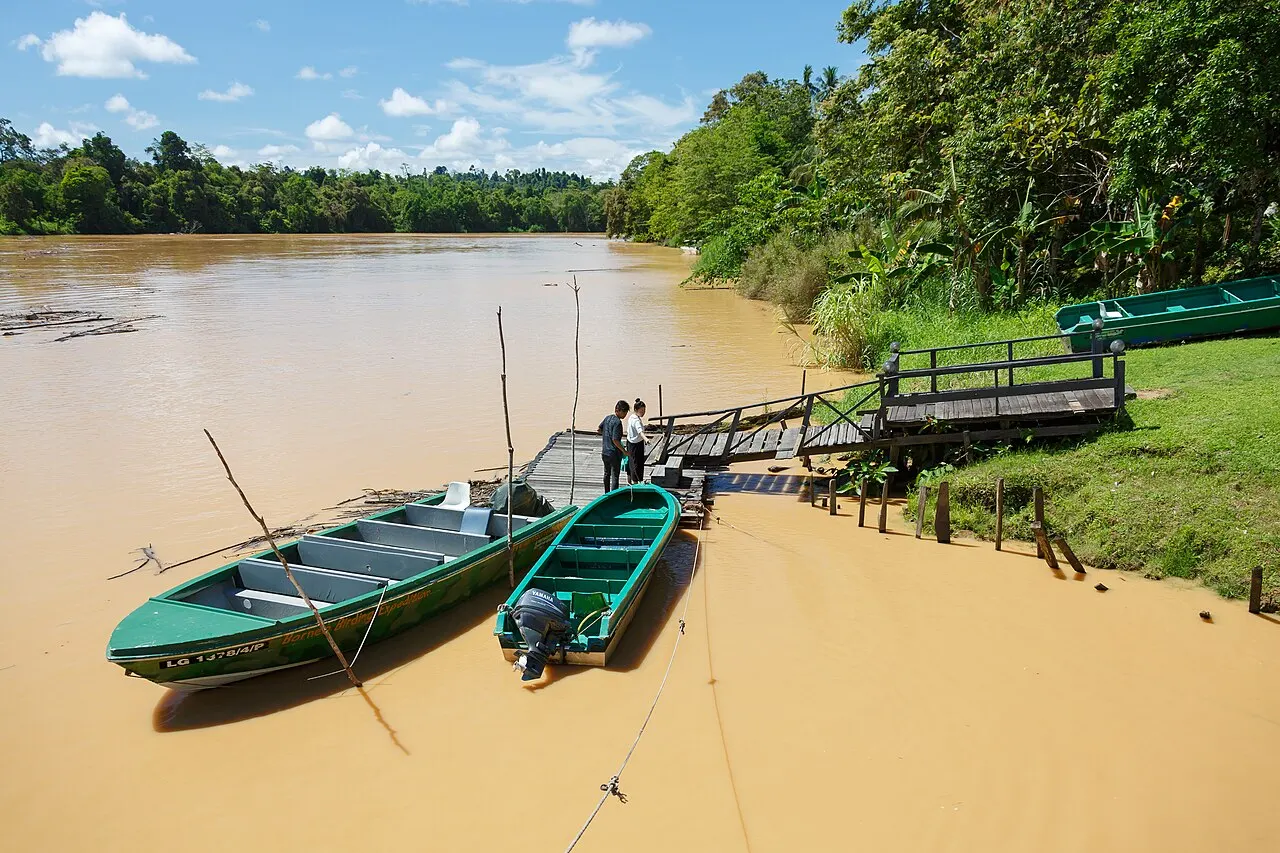
Rain, humidity, mud and leeches belong in the packing decision, not in a claim that one month makes the forest effortless. Bring footwear with grip, rain protection and a way to keep optics dry. Follow the guide’s decision on stream crossings and trail changes; planned water activities depend on conditions. Observe animals quietly and keep food secured, rather than encouraging encounters around accommodation. Research and sensitive wildlife locations should remain private. Danum and Tabin Wildlife Reserve share Lahad Datu as a gateway but need separate bookings and transfers. The Lower Kinabatangan provides a contrasting river-based experience, while Danum places more emphasis on walking within forest. Combining them makes sense when travel days are allowed between stays. Compressing both into a single excursion loses the very change of habitat that makes the combination worthwhile.
Small animals, important forest context
Danum’s documented fauna includes the forest crab Geosesarma danumense, studied in a scientific account of the conservation area’s freshwater crabs. Such small animals broaden the story beyond mammals and birds and show why streams, leaf litter and the forest floor also deserve protection. This is a documented association, not an invitation to turn over every log or collect specimens. Keep to guided observation and leave research localities and sensitive microhabitats undisturbed.