Forest, minerals and wildlife
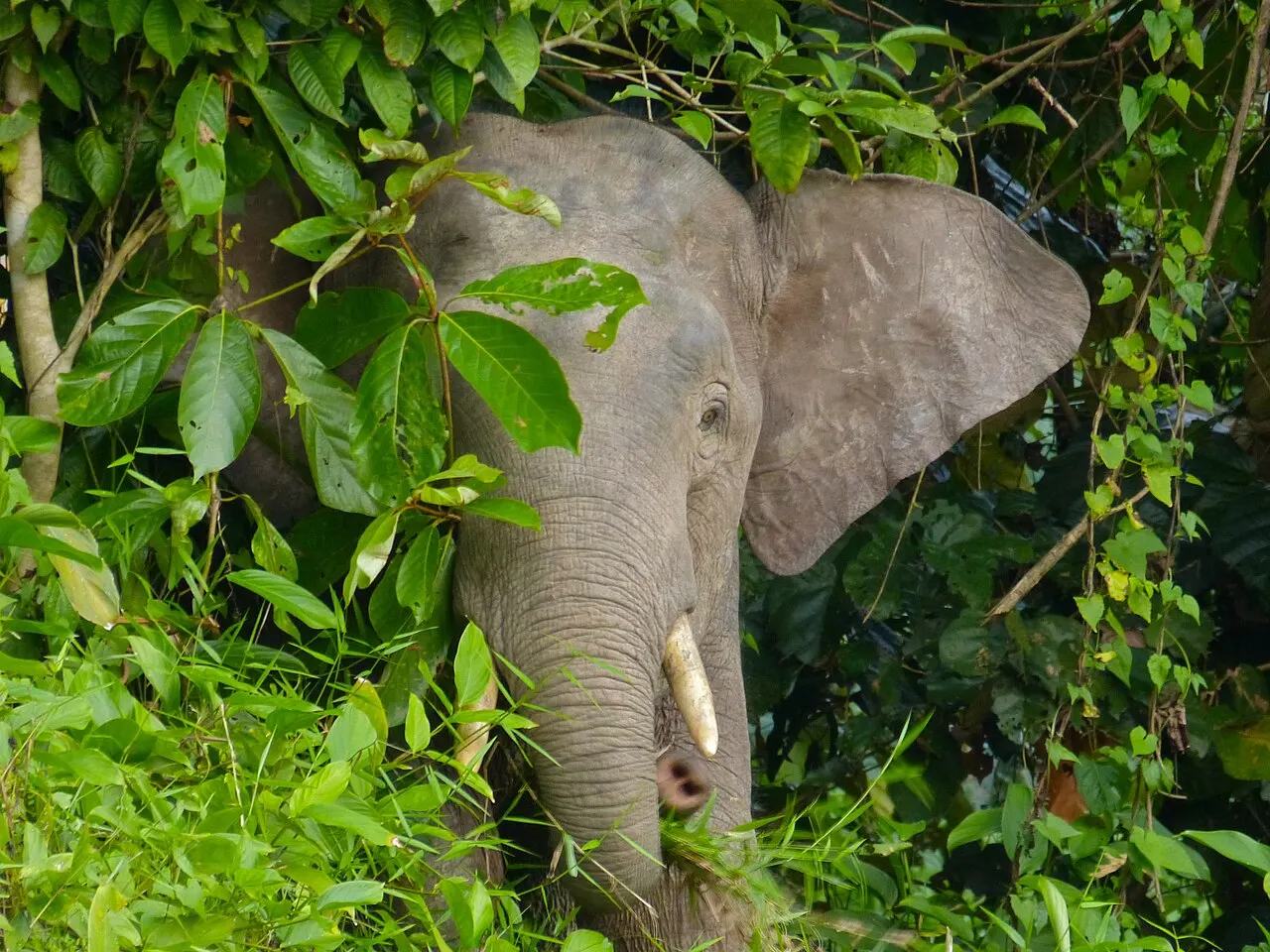
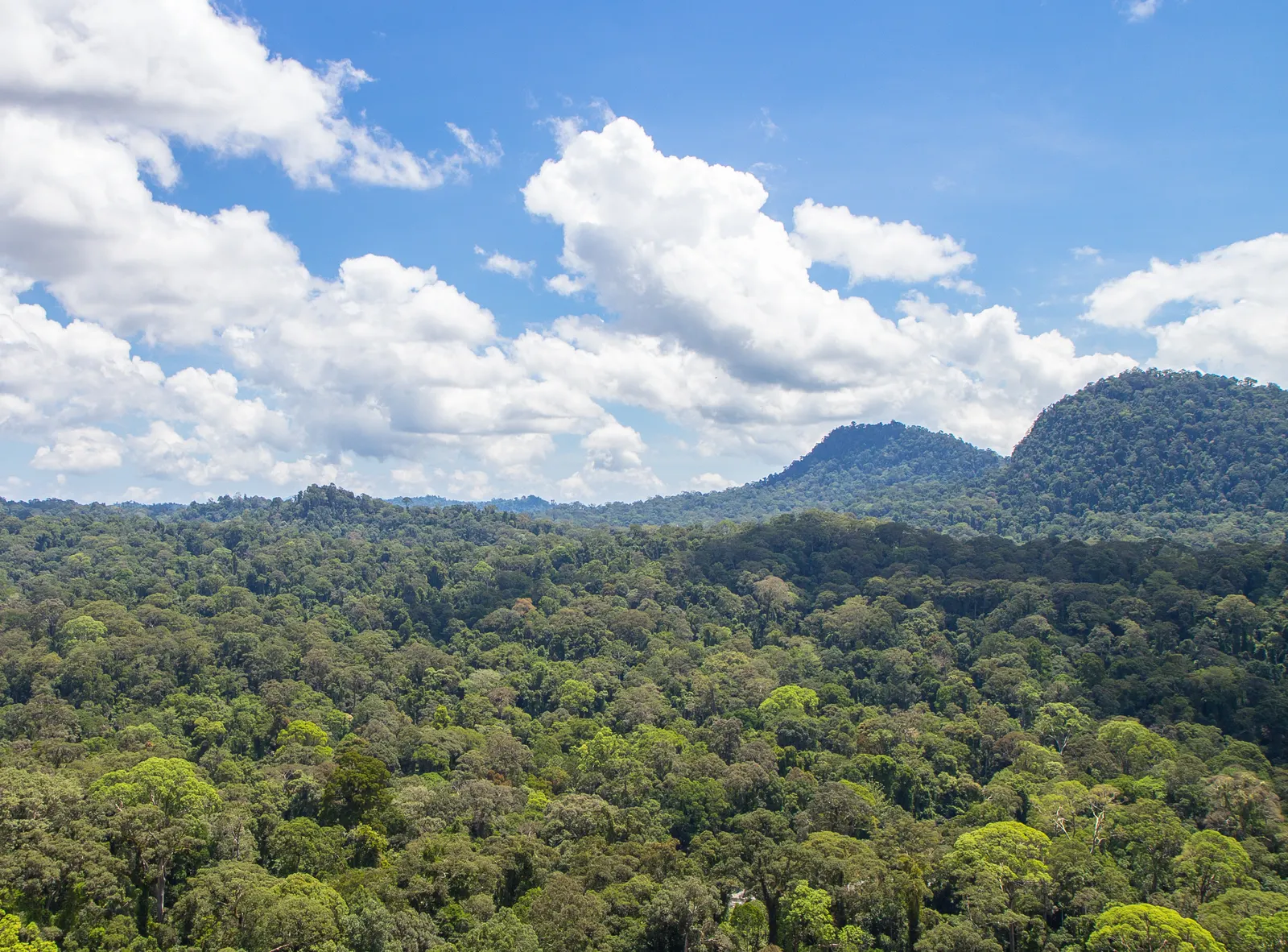
The Lipad mud volcano is a natural mineral lick within the forest visitor area. The clearing and observation structure offer a way to understand wildlife behaviour: tracks can show recent activity even when no animal is visible. That evidence is part of the experience, rather than a failed sighting. Sabah Tourism identifies Bornean elephants and tembadau among the reserve’s notable mammals, together with diverse birdlife. These are species of the protected landscape, not a guaranteed checklist for a lodge stay. The surrounding lowland rainforest provides cover, food and movement routes. Keep observation quiet and do not walk into a lick to manufacture close contact. A guide can connect footprints, calls and vegetation to the wider habitat instead of concentrating every outing on one headline animal.
A stay with several observation periods
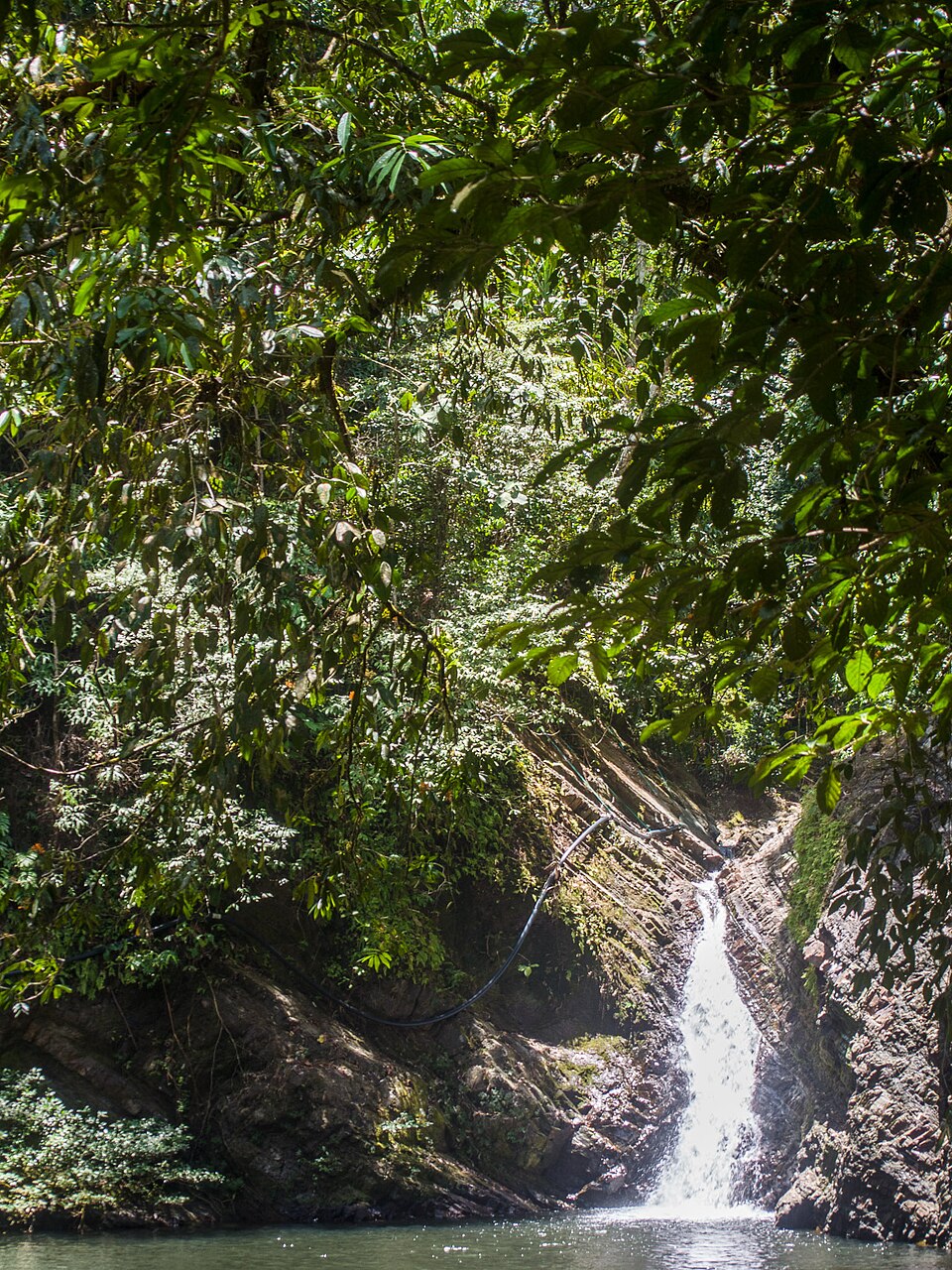
A three-day, two-night structure gives room for arrival, guided daytime exploration, evening wildlife observation and an early outing before departure. This is a planning recommendation, not a fixed reserve timetable. Confirm the actual walks and drives in your chosen package, including whether birding requires a specialist guide. Current operator programmes describe the mud volcano, forest trails, night wildlife outings and Lipad Waterfall, subject to conditions. Do not assume that every activity runs on every departure or that a waterfall visit always includes swimming. A one-night package can be useful when time is limited, but much of the first and last day is tied to transfers. The operator currently limits availability of its short package in some periods; request dates directly rather than extrapolating from a sample itinerary. More time changes the pace, not the certainty of wildlife encounters.
Lahad Datu, transfer and lodge
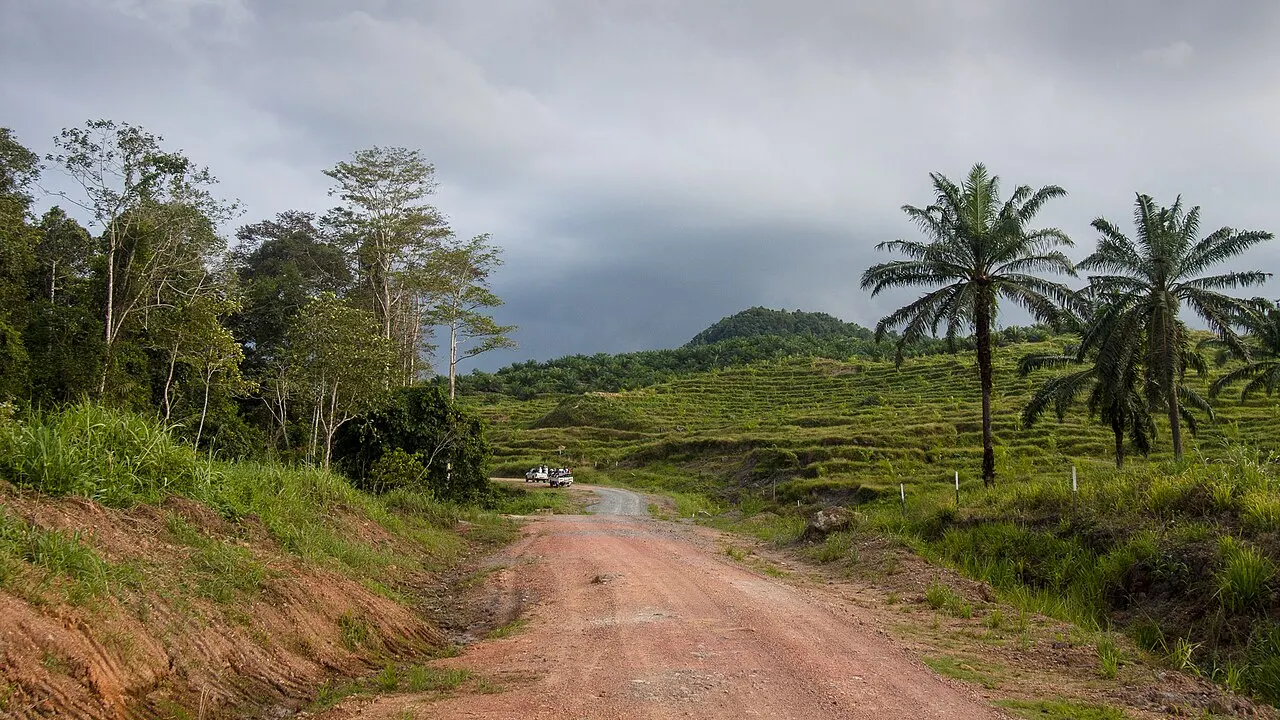
Arrange collection at Lahad Datu town or airport with the accommodation or tour operator. The access leg is by road and should be booked with the correct arrival time and return connection; flight or bus arrival does not itself secure onward transport. Ask which vehicle and meeting point will be used, especially when arriving outside the scheduled service. Tabin Wildlife Resort offers forest accommodation associated with the visitor programme. A hotel in Lahad Datu is a gateway stop, not the same stay inside the reserve. Confirm meals, guides, admission or conservation charges and evening activities as separate line items where they are not included. The primary sources support an organised visitor stay; they do not establish unrestricted independent access. For a proposed day visit, own vehicle or specialist project, ask the manager for the current permission procedure before travelling. Do not navigate to an undifferentiated reserve-centre pin.
Conditions, conservation and onward travel
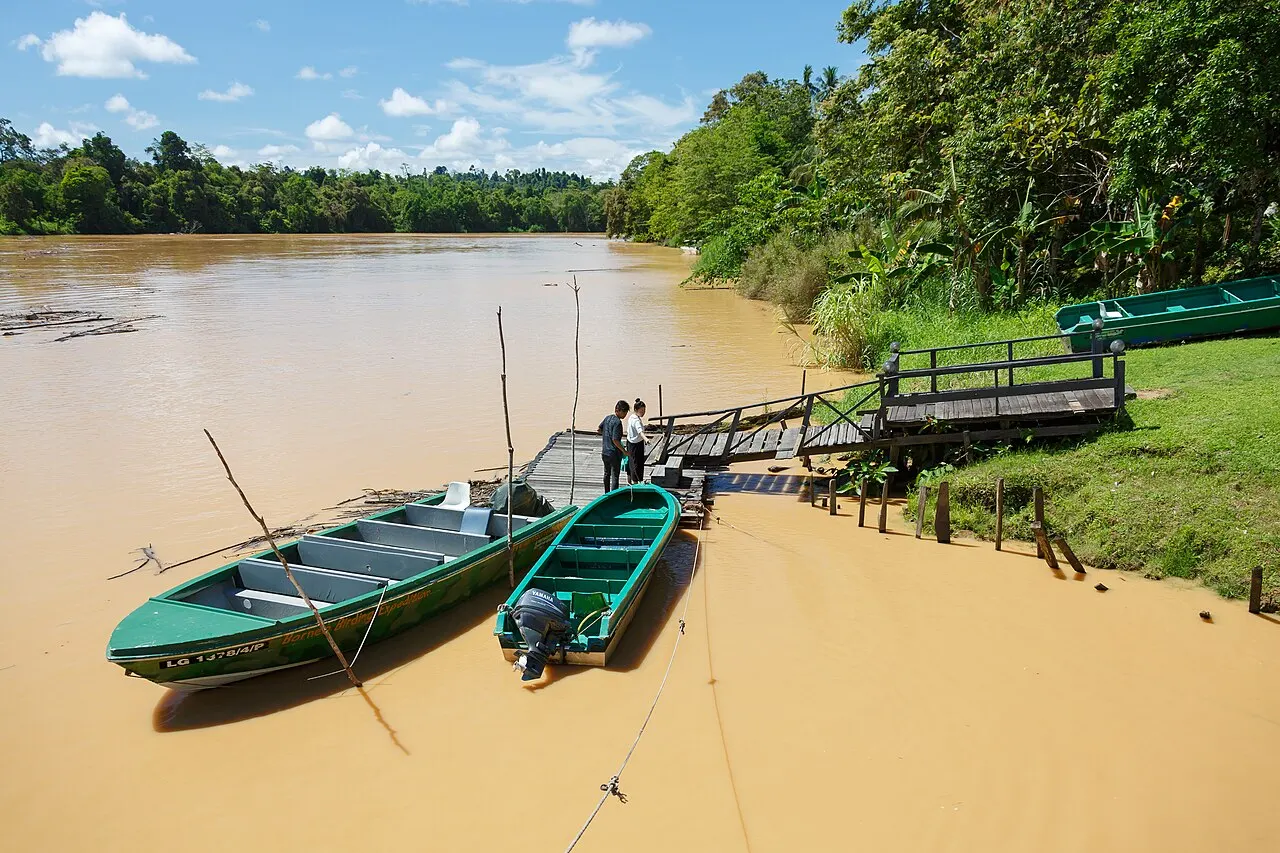
Tabin is humid tropical forest, so allow for rain, muddy footing and changes to an outdoor programme. Wear shoes suited to slippery paths and carry rain protection and dry storage for cameras. Tell the guide about walking limitations before starting a trail. Evening drives and walks are guided activities, not an invitation to explore roads or forest alone after dark. Let the guide manage lighting and observation distance, and keep sensitive resting or feeding sites out of public location posts. Older promotional material sometimes associates Tabin with rhinoceroses; do not plan a present-day wildlife visit around that historical claim. Conservation value is not measured by how many rare mammals a visitor sees. Danum Valley can be combined through the Lahad Datu gateway with a separate booking, offering a different forest programme. For a stronger change of setting, the Lower Kinabatangan adds river-based observation, with travel time between the two stays.
Birds beyond the large mammals
The resort’s bird inventory includes wreathed hornbill and Diard’s trogon. These documented records justify interest in canopy and understorey alike, without implying that either bird will be visible on a particular walk. A dedicated birding programme can allocate time to quiet listening and repeated visits to suitable habitat. Avoid loud playback or approaching nests for a photograph; the reserve’s birds are part of its ecology, not objects to be brought to a visitor on demand.