Identification
Bornean elephants have documented genetic and skull differences from other Asian elephant populations. The familiar name pygmy elephant refers to this Bornean subspecies, Elephas maximus borneensis.
Sources & references · 1
IUCN · Borneo elephants now classified as Endangered on the IUCN Red ListDaily life
Lower Kinabatangan observations show feeding concentrated in morning and evening, with more resting around midday. Riverine habitats also provide places for social contact, bathing and movement between feeding areas.
Sources & references · 1
Cardiff University / Nurzhafarina Othman · Behaviour and spatial ecology of the Bornean elephant in Lower KinabatanganRange on Borneo
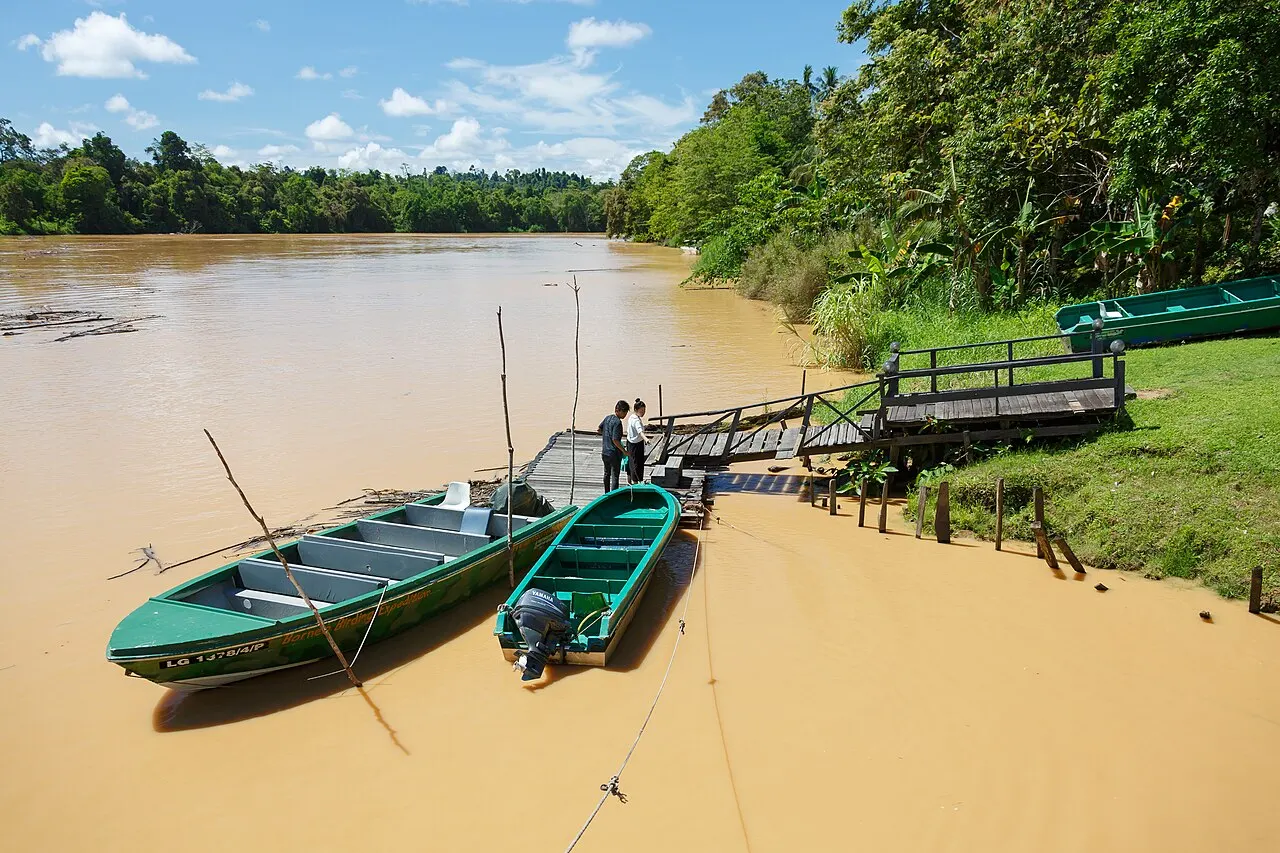
Research directly documents wild elephants in the Lower Kinabatangan landscape. This local evidence supports a Sabah connection; it does not establish occurrence in Sarawak or throughout every forest on Borneo.
Sources & references · 1
PLOS ONE / authors · Quantity and Configuration of Available Elephant Habitat and Related Conservation ConcernsForest and habitat
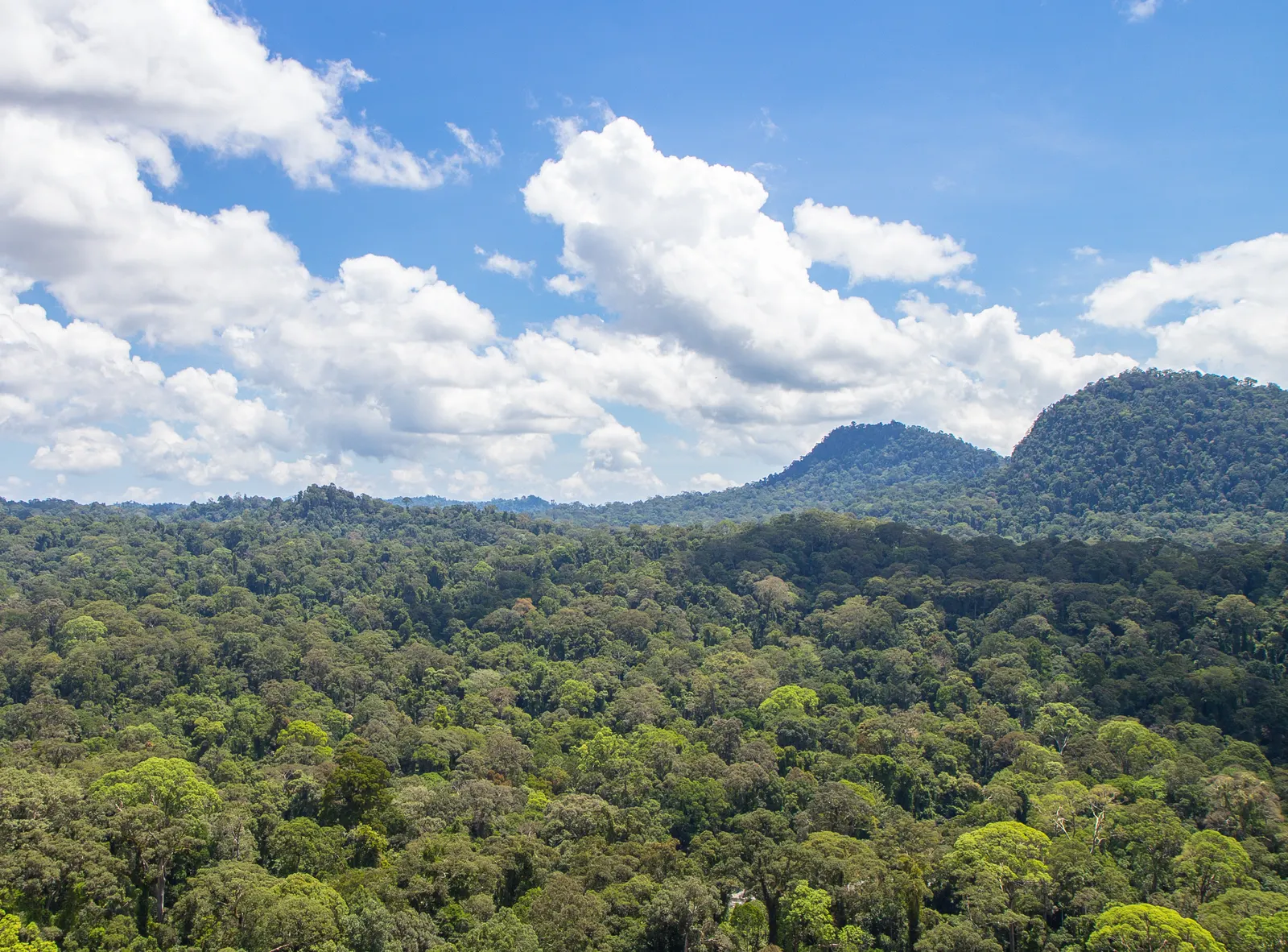
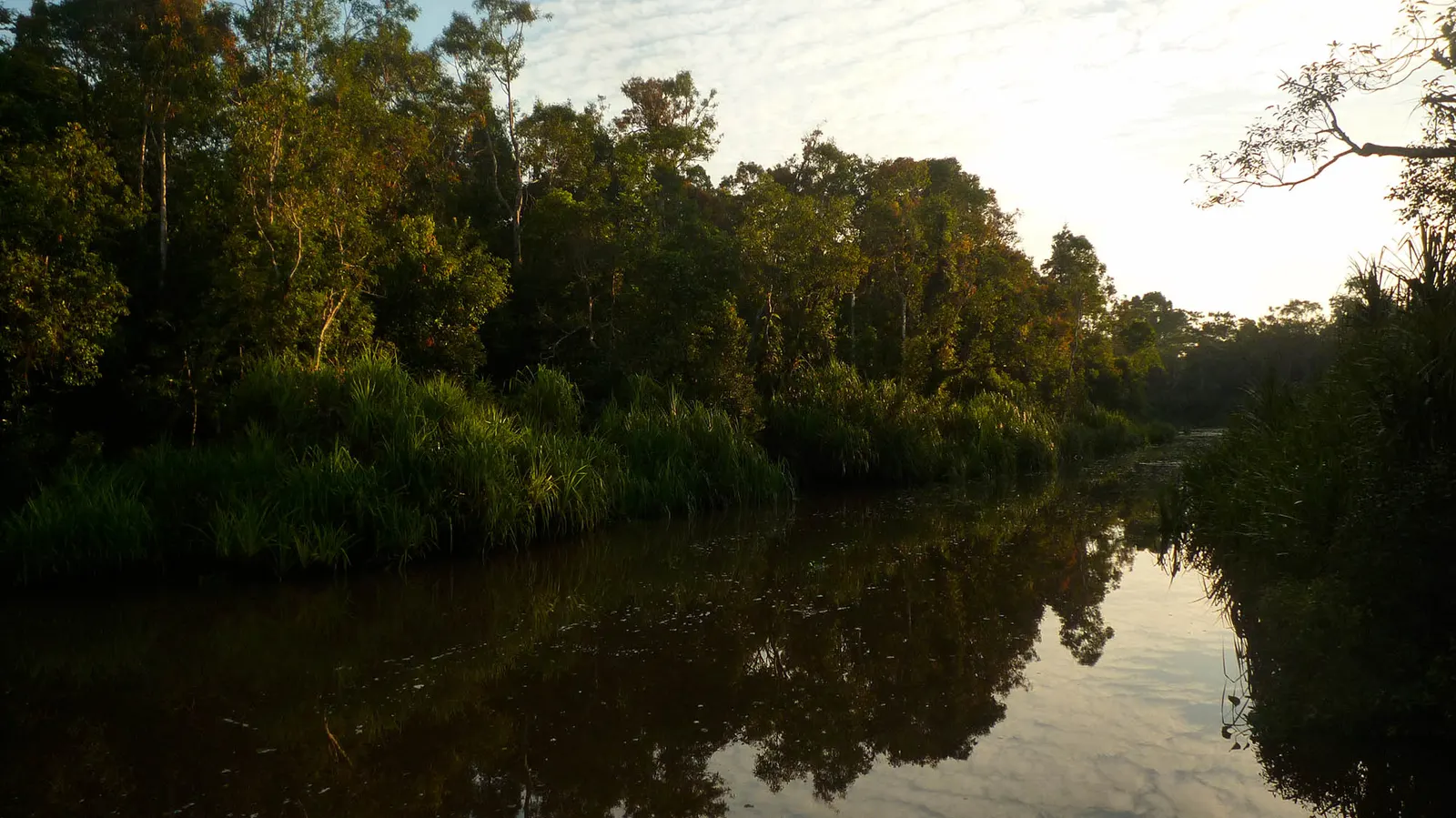
Tracked herds use lowland dipterocarp forest and freshwater swamp forest. Their needs extend beyond isolated forest patches: access to feeding grounds, water and connected routes matters across the surrounding landscape.
Sources & references · 1
PLOS ONE / authors · Home Range and Ranging Behaviour of Bornean Elephant FemalesConservation
IUCN assessed this subspecies as Endangered in 2024. Habitat conversion and fragmentation increase conflict with people; conserving connected natural habitat is central to maintaining its movements and long-term survival.
Sources & references · 2
IUCN · Borneo elephants now classified as Endangered on the IUCN Red ListPLOS ONE / authors · Quantity and Configuration of Available Elephant Habitat and Related Conservation ConcernsForest life and conservation
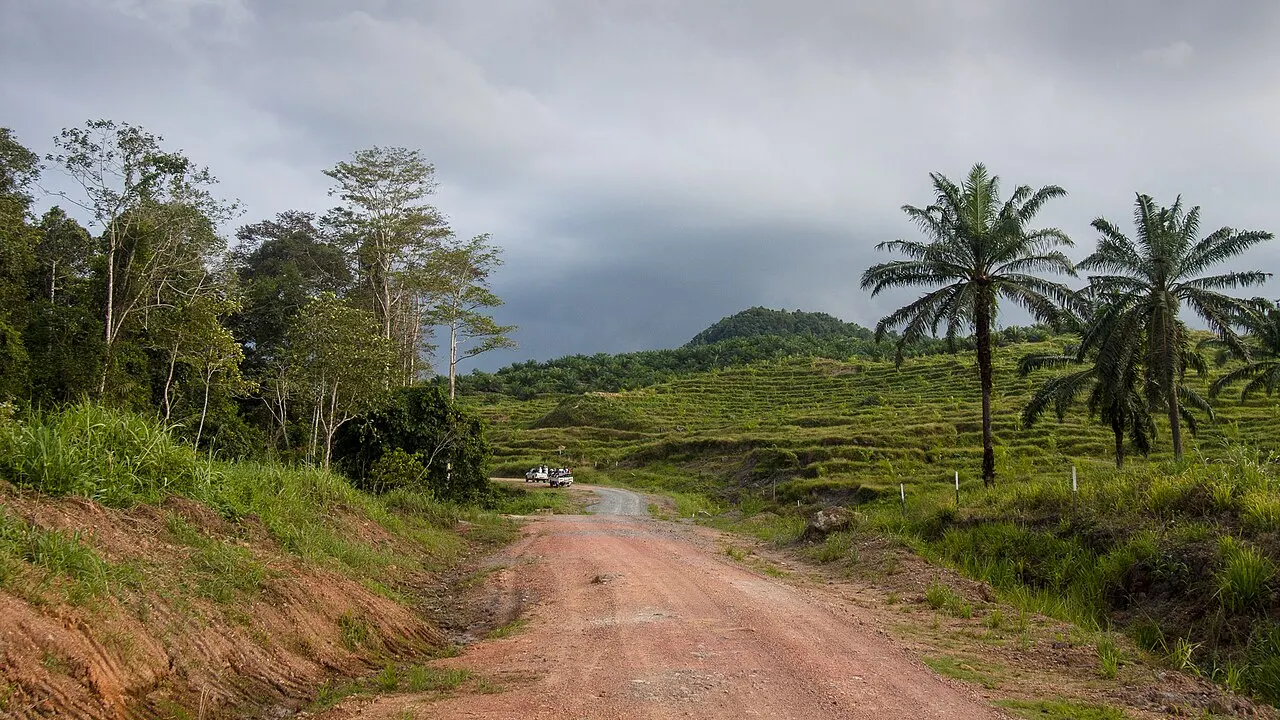
Bornean elephants need room to move between feeding areas and permanent water. Tracking female-led herds in Sabah showed that fragmented landscapes could require longer movements than more continuous forest. Roads, settlements, plantations and fences can narrow the routes available to them. Riverine areas may provide nutritious, fast-growing vegetation, yet a small forest strip alone cannot meet every need of a moving herd. Maintaining connections between larger forest blocks reduces isolation and helps elephants reach food without repeatedly passing through farms and villages.
Sources & references · 2
PLOS ONE / authors · Home Range and Ranging Behaviour of Bornean Elephant FemalesPLOS ONE / authors · Quantity and Configuration of Available Elephant Habitat and Related Conservation ConcernsRecognising a Bornean elephant
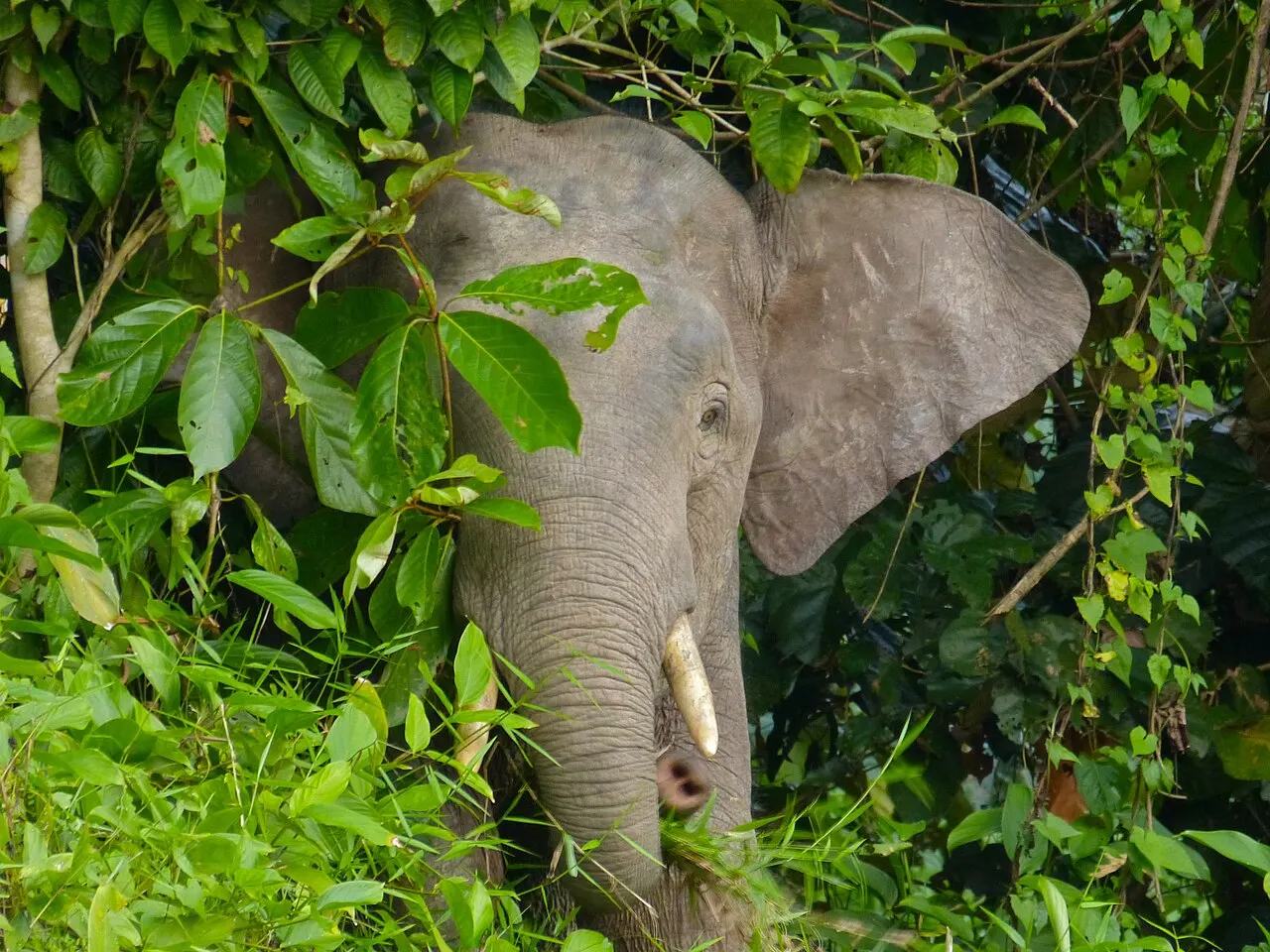
Compared with mainland Asian elephants, Bornean elephants are relatively small, with long tails, relatively large ears and straighter tusks. Small is a comparison within elephants: this remains Borneo's largest land mammal. The trunk gathers food and water and also enables close tactile contact between animals.
Sources & references · 2
WWF · Bornean elephantsWWF · Asian elephantsReturning to growing food
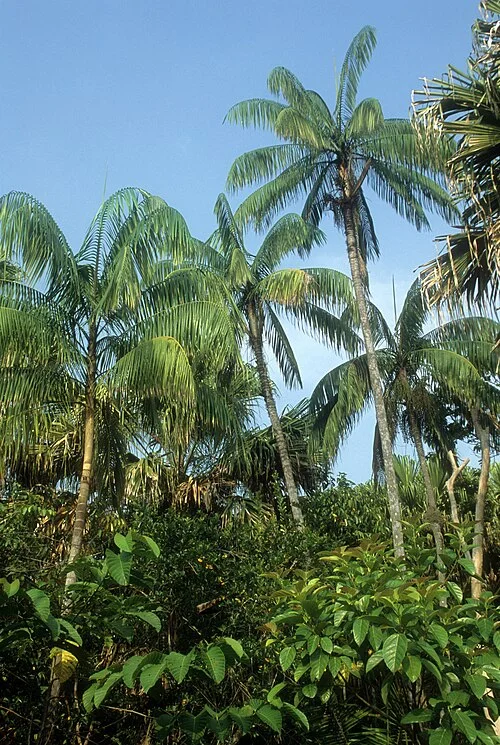
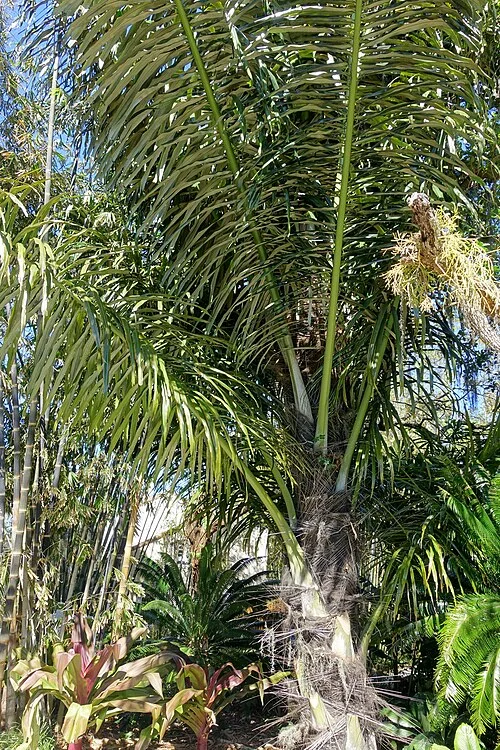
In Lower Kinabatangan, elephants returned to feeding sites as grasses grew back. Their diet also included gingers, palms, climbing plants and woody vegetation. Different plants recovered at different rates, linking a herd's movements to regrowth across the landscape. Calamus caesius was among the exact rattan species recorded as food.
Sources & references · 1
PeerJ, English et al. · Recursion to food plants by free-ranging Bornean elephantRelationships with plants
A wet-season survey in Sebuku, North Kalimantan, also recorded sugar palm, nibung and durian as elephant food plants. The report adds a regional perspective to the varied diet; the parts eaten remain unspecified here.