Range and habitat
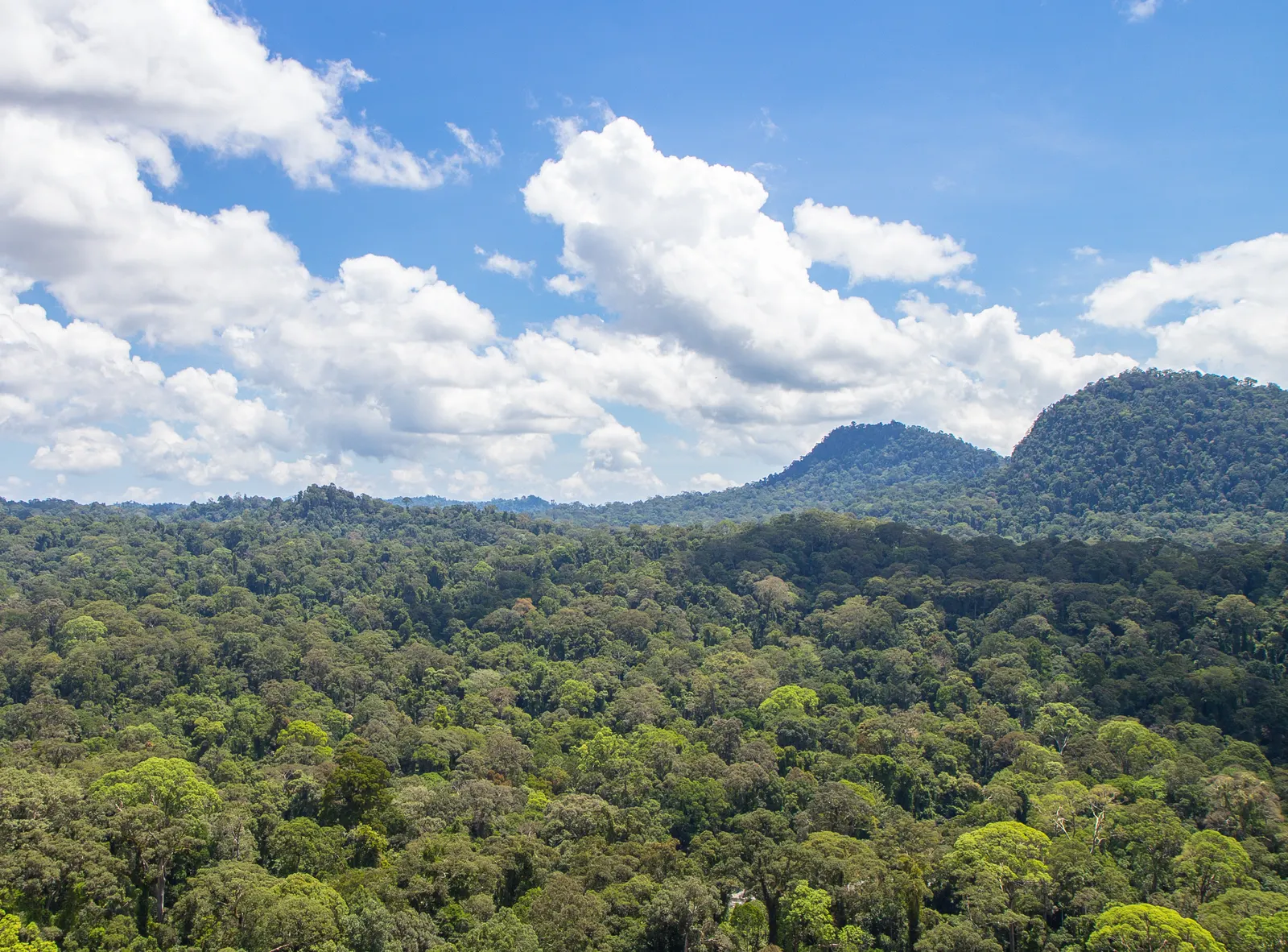
The small-clawed otter lives on Borneo, including Kalimantan, Sabah and Sarawak. It is known by both scientific names Lutra cinerea and Aonyx cinereus. Its habitat includes waterways and associated wetland vegetation rather than one particular forest type.
Sources & references · 3
American Society of Mammalogists, MDD v2.5 · Lutra cinerea: taxonomyIUCN SSC Otter Specialist Group · Asian small-clawed otterIUCN SSC Otter Specialist Group · Global Otter Conservation Strategy: Asian small-clawed otterFood and daily life
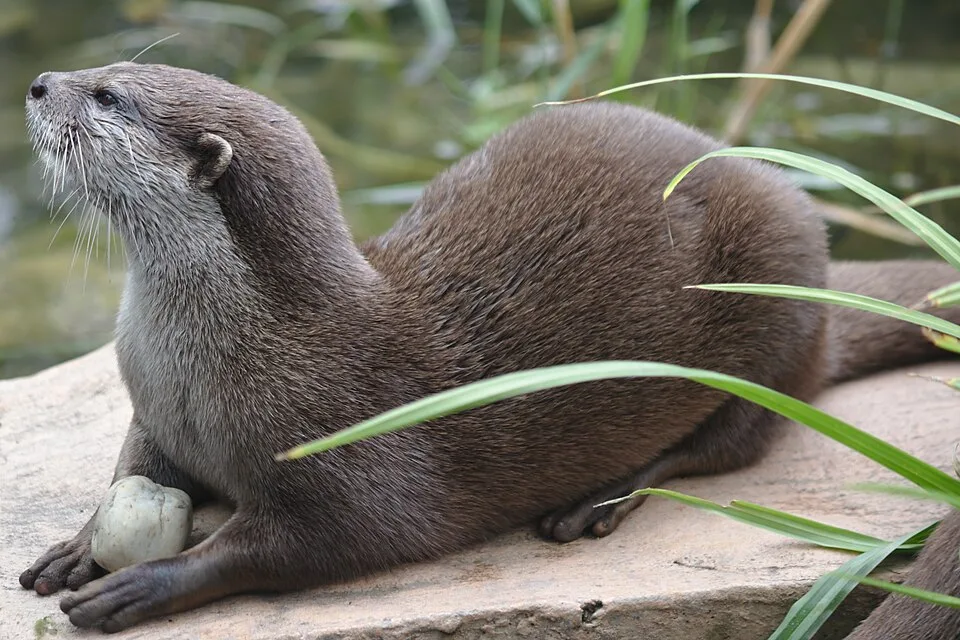
Reduced claws and dexterous forepaws help it search for crabs, molluscs, snails, insects and small fish. It uses diverse wetlands, including swamp and mangrove forest, and can forage away from the water's edge. It is social, but detailed reproductive descriptions mostly come from captivity.
Sources & references · 3
American Society of Mammalogists, MDD v2.5 · Lutra cinerea: taxonomyIUCN SSC Otter Specialist Group · Asian small-clawed otterIUCN SSC Otter Specialist Group · Global Otter Conservation Strategy: Asian small-clawed otterProtection and observation
The small-clawed otter is globally Vulnerable. Habitat loss, pollution, poaching, overfishing and capture for the pet trade threaten its populations. Healthy wetlands must provide both shelter and enough small aquatic prey for family groups.
Sources & references · 3
American Society of Mammalogists, MDD v2.5 · Lutra cinerea: taxonomyIUCN SSC Otter Specialist Group · Asian small-clawed otterIUCN SSC Otter Specialist Group · Global Otter Conservation Strategy: Asian small-clawed otterSensitive paws and hard shells
The short claws leave the fingers unusually free to manipulate food. An otter can feel for prey with its forepaws in shallow water or mud, then handle a shellfish before eating it. This makes small benthic animals useful food resources; clear open water is not its only feeding environment.
Sources & references · 1
IUCN SSC Otter Specialist Group · Asian small-clawed otterLearning to open unfamiliar prey
Experiments with captive family groups show that these otters can learn to exploit unfamiliar natural prey, including food protected by hard coverings. Handling improves with experience, and information can spread socially. These findings reveal flexible food handling; how often the same learning occurs in Borneo's wild groups remains unmeasured.